

If viewers stick to the strong opening and middle sections, these stories earn high praise with little effort. The fresh concepts, real emotional weight, and exciting turns make them worth suggesting to anyone who enjoys anime. Leaving the bad endings out shows the real standout works hiding inside the genre.
These ten anime look their best when one pushes the weaker, later parts to the side. Every one of them creates full worlds, tight ties between the cast, and scenes that linger in one’s mind long after the screen goes dark. They show how solid writing can still deliver something close to perfection, even when the ending falls short.
Charlotte
Teenagers suddenly develop special abilities and must hide them while dealing with everyday school and family problems in Charlotte. The series blends lighter scenes with serious missions to make a quick-moving story that still carries real feeling. The characters grow close, so their risky decisions hit home and feel easy to understand.
Ideas about duty and giving things up add weight to every choice they make. Clean animation and a good balance let it shift easily between action and touching parts. These traits help the series become a story about supernatural gifts that pulls one in and makes them care about the characters and what they go through.
The ending relied on fast resets and simple solutions that did not quite fit the slow, careful setup from before. All the same, the anime holds up as exceptional because of its likable cast, deep emotions, and the way it balances fun with serious moments in the latter half of the show.
Wonder Egg Priority
Girls step into a strange dream place to battle monsters that come from their own painful memories in Wonder Egg Priority. Its strong art and straight talk about mental struggles make for something that looks amazing and carries real weight. The first episodes mix feelings with creative fights that feel artistic and new.
Friendship and the road to healing push the tale forward with care and actual substance. The one-of-a-kind music and dreamy pictures lift every personal scene just right. These decisions shape the series into a strong, modern anime that explores hurt and growing up in a way that feels different from the rest.
Its original visuals and careful reflections on trauma gave the show a clear artistic style. Problems during production forced the ending stretch to rush through key parts, leaving some storylines hanging without enough closure. Still, it fully deserves a 10 out of 10 for the lovely animation, honest emotions, and brave way it handles tough personal issues.
Darling in the Franxx
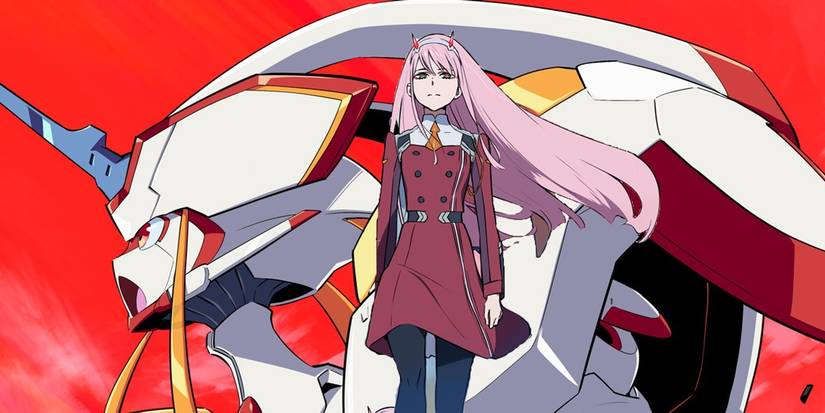
Teenagers climb into giant robots called Franxx to fight off alien enemies in a broken-down world. The romance that grows between Hiro and Zero Two brings real feeling into the big battles. Fresh mech designs and those moments of growing up mix action and emotion in a way that catches one’s eye right from the start.
The fights move well, and the world is built up layer by layer, so one keeps wondering what secrets lie beneath. Characters change in ways that feel normal as the hidden truths come out bit by bit. All of this turns the show into a mix of romance, mecha, and sci-fi, keeping things entertaining for most of its run.
The last episodes introduced sudden lore changes and a time jump that shifted attention from the main relationships too quickly. Even then, the anime counts as perfect anime for its warm romance, great visuals, and its exploration of what makes humans who we are and how we connect.
Tokyo Ghoul
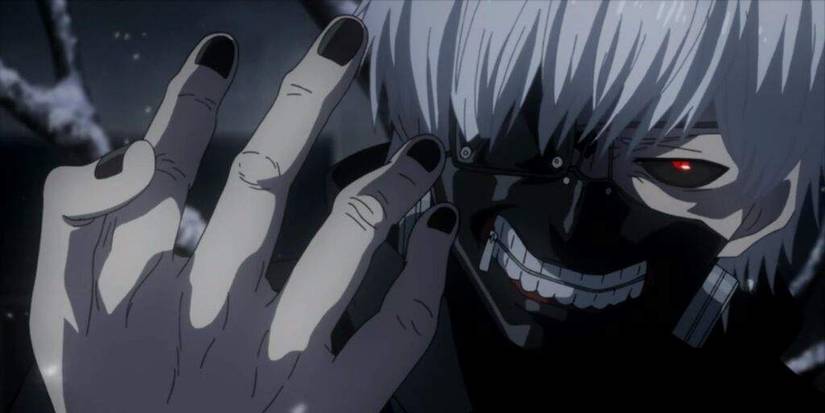
Ken Kaneki, a regular college student, becomes part ghoul and struggles to survive in a hidden world full of monsters in Tokyo Ghoul. His inner fight and raw battles bring heavy moments of identity trouble mixed with action. The first season lays out a dark, rich society that feels fresh and pulls one in from the start.
Complicated ties and murky moral lines hold the story together as loyalties flip again and again. Sharp visuals bring out both the horror and the human side of things. These features make the early run a bold take on belonging and staying alive that plenty of fans still rate highly.
The secret world and the main character’s shift gave a strong look at who people are and how society works. Later seasons introduced major changes in pace and storylines, leaving everything feeling fragmented. Despite those problems, the series keeps its good name for the thick atmosphere, real feeling, and new world-building it showed right at the beginning.
Erased
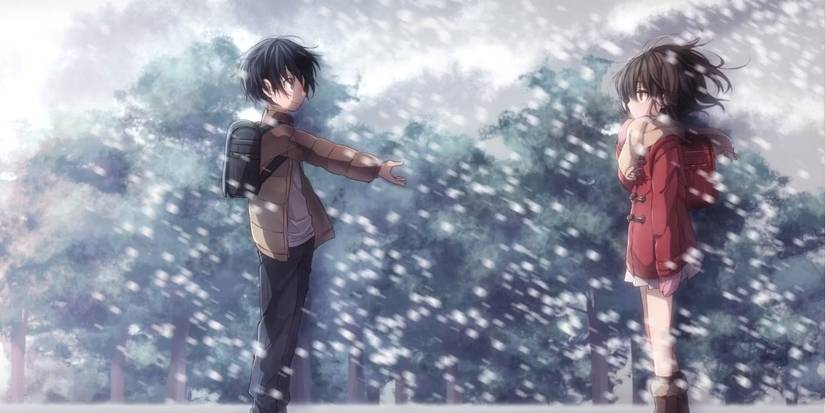
A man jumps back through time to stop his mother’s murder in Erased. It folds mystery together with personal drama that feels real. The calm buildup and ordinary hero shape a tale that mixes detective work with honest feeling. Most episodes maintain an even flow that is both gripping and warm.
Gentle drawings and a haunting score deepen the rush and the weight of regret. Themes of friendship and second chances give real meaning to every choice. This careful balance elevates the series into a thoughtful, heartwarming journey that stays with people long after the credits roll.
Its time-travel idea and emotional heart give a rare mix of warmth and suspense. The final answer wrapped up a little too easily after all that careful laying of ground, so some loose ends missed the depth they needed. Even then, the anime deserves its high spot for the heavy personal risks, clean work, and the strong emotional pull of its main thread.
Death Note
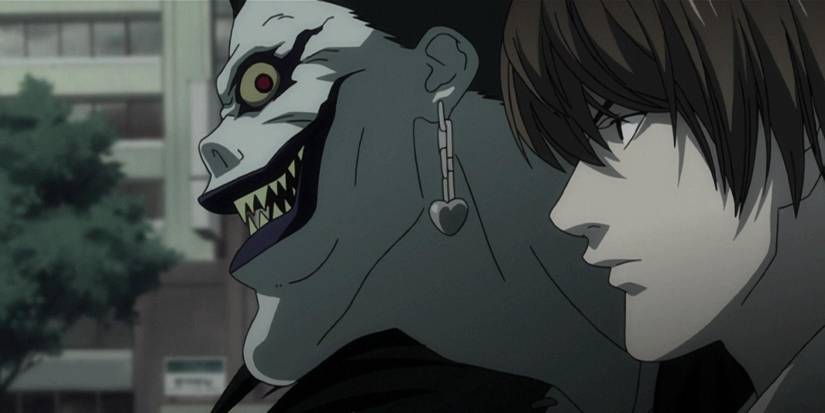
In Death Note, Yagami Light is a bright student who picks up a notebook that kills anyone whose name gets written in it. His tense battle of wits against the sharp detective L keeps the pressure high throughout. Early parts feel like one long chess match, packed with tough moral questions and clever steps that grab one straight off.
Ideas about justice and power build as each risky move raises the stakes. Solid voice acting paired with dramatic music makes every face-off hit hard and stick in the viewer’s mind. These pieces turn the opening half into top-notch smart storytelling that most anime simply cannot touch.
That psychological back-and-forth set such a high bar for thrillers that it hurts. After one big change in character, the new rivals and plots could not hold the same tight edge, leaving the end feeling less sharp than the early duel. Still, the show stands as a true standout for its clean suspense, deep morals, and those classic mind battles.
Kaguya-sama: Love Is War
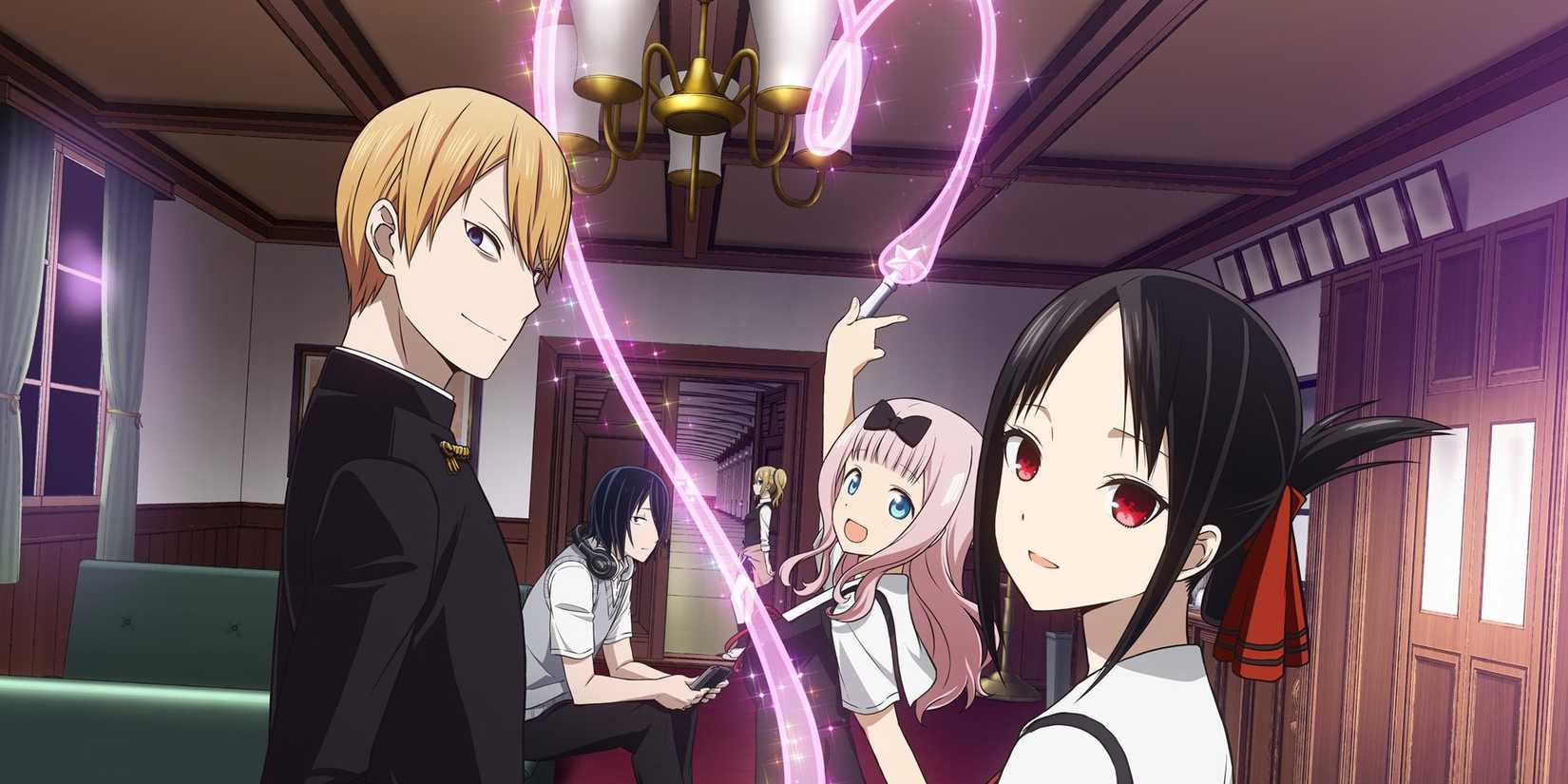
Kaguya-sama: Love Is War takes two bright students at a fancy school and turns a basic romance into funny fights over pride and brains. Their ongoing schemes and traps bring comedy that feels new and sharp. The easy mood with actual emotions draws one in and holds through most of the episodes.
Other characters add extra fun and heart while the main pair’s story builds at a nice pace. Faces show clear reactions, and the talk stays quick. This setup makes it one of the better and smarter comedy romances around.
The show gained fans through solid writing and timing that not many can match. Later on, it leaned toward quicker closes that dropped the usual layered jokes and careful setup people liked. Still, it earns its spot among the greats for steady laughs, warm bits, and smart play between characters over the larger share of its seasons.
Berserk
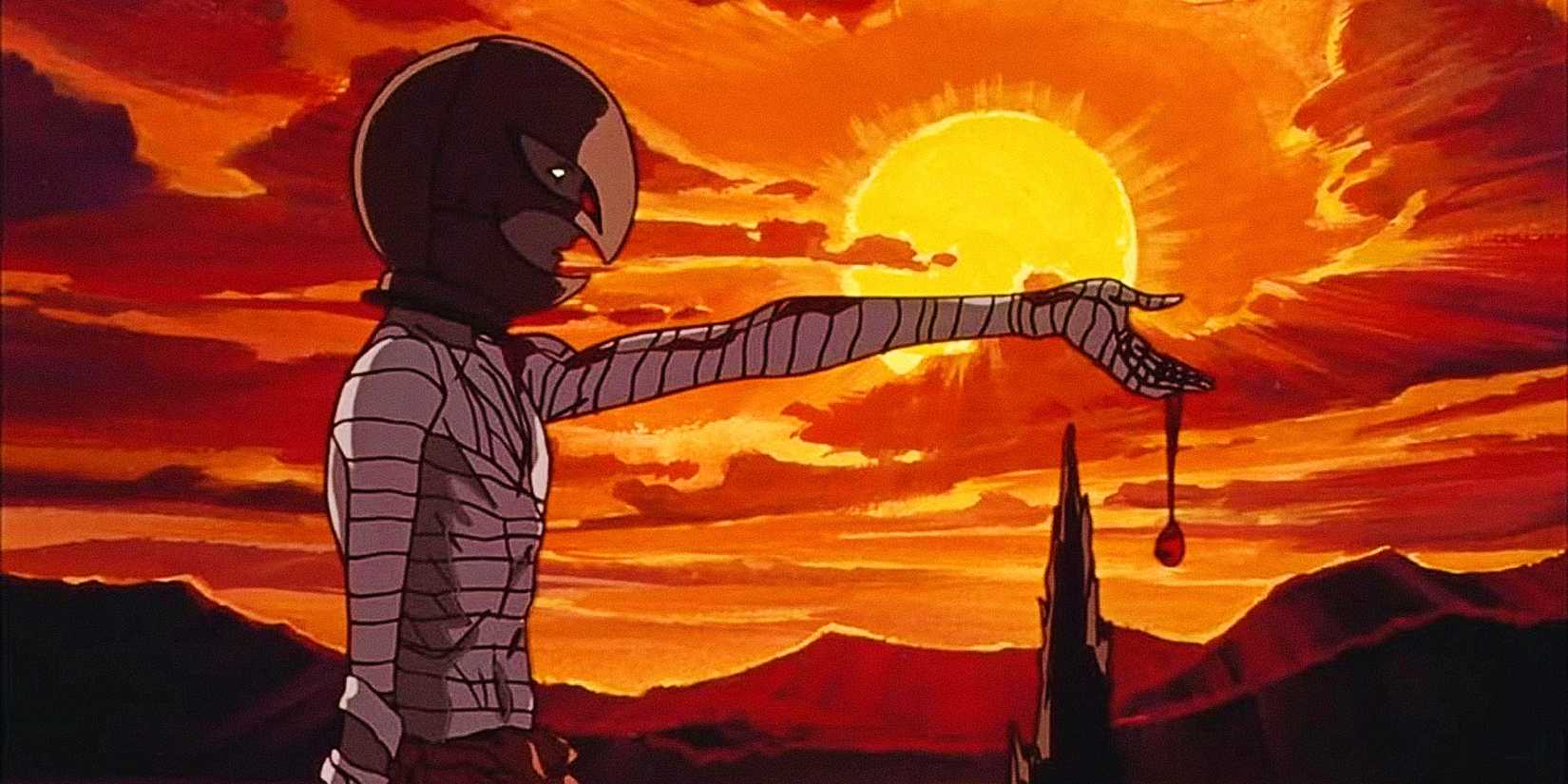
Berserk drops into a harsh fantasy land where the fighter Guts keeps battling demons and backstabbers. The Golden Age part really stands out with its full storytelling and deep feelings. It sets a bar for sad tales and tough spirits in anime that still pulls in new people.
Tight connections between folks and sudden turns keep the drive going with real force. The drawings pull one into a gritty but striking place. Those strengths make Berserk a mainstay of the dark fantasy genre, with most of what was adapted sticking with viewers.
Production hit snags in newer versions, but the central path of drive, friendship, and payback holds up as classic. The 2016 take had cheap-looking CGI, poor timing, and stopped short without the manga’s full layers. All the same, it earns high marks from the raw punch and solid character handling in its stronger sections.
The Promised Neverland
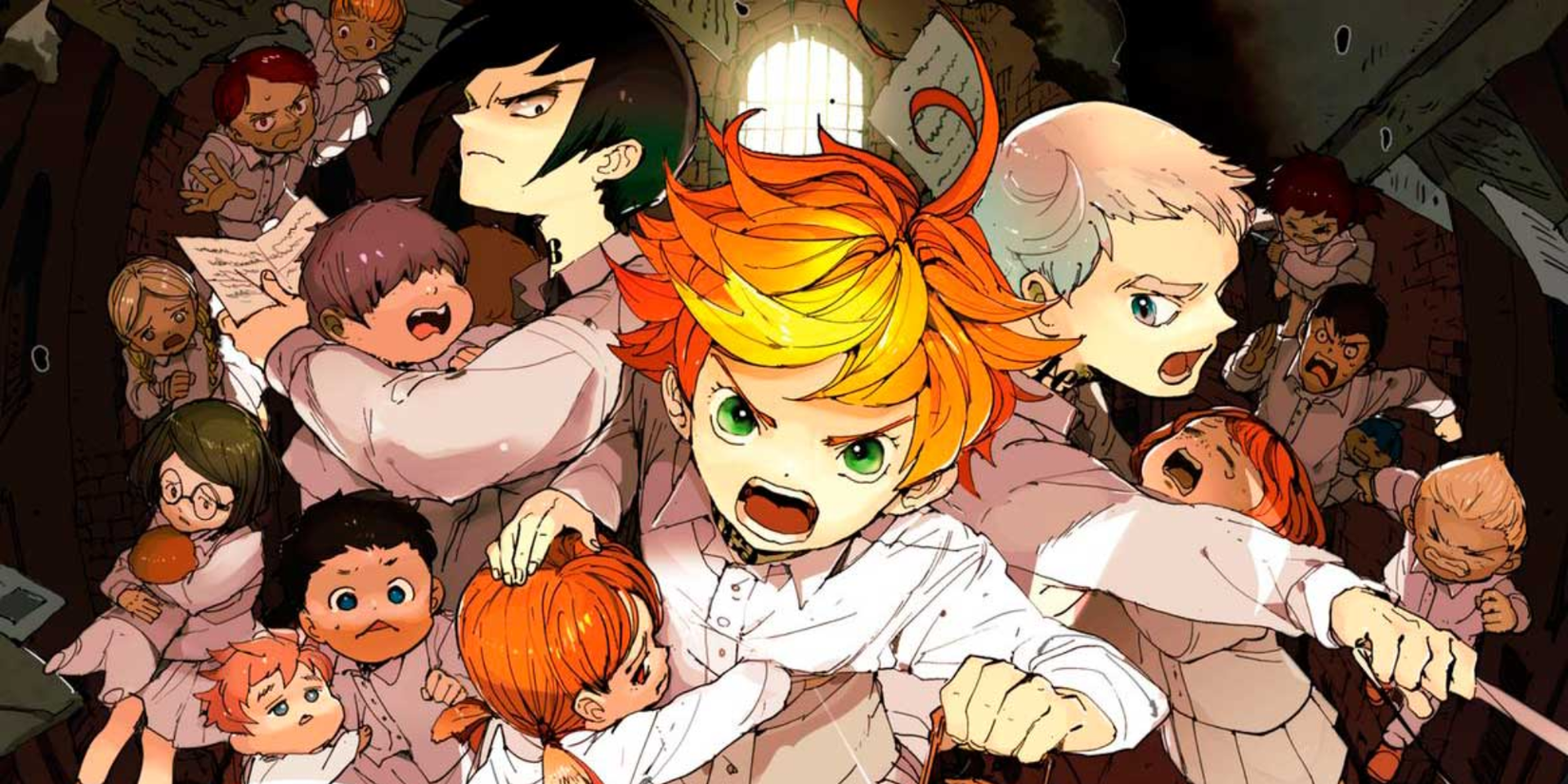
The Promised Neverland starts with clever kids in what seems like a perfect orphanage. They soon discover the awful truth about their lives and the terrible fate awaiting them. Their plan to get away relies on smart tricks and big risks, making those early episodes tough to pause.
Horror parts hit hard but mix well with the show’s close family feelings. Animation makes every tight moment feel real, and the kids grow in ways that seem natural. This mix gives the story fresh ideas and a real heart that sets it apart from other anime and keeps people hooked for most of the run.
The series kicked off as a sharp survival story but faded in the second season. It was apparent that there was a hurried finish with quick time skips, easy fixes in the world, and characters doing things that felt off. Even so, it sits near the top because of its clever setup, nonstop pressure, and strong emotions.
Attack on Titan
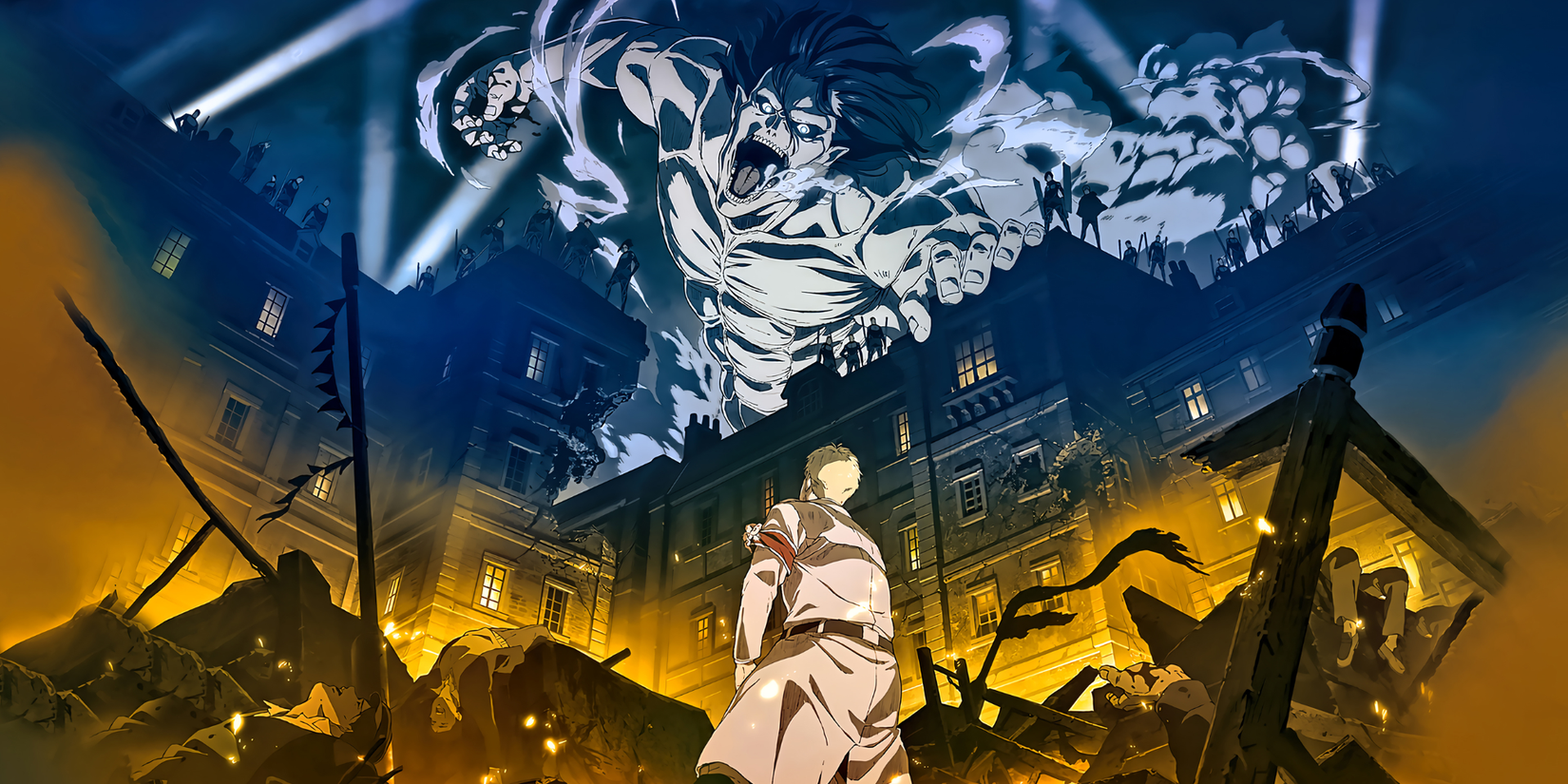
Attack on Titan puts people behind massive walls to stay safe from huge titans. Eren Yeager and his friends set out on a rough journey packed with surprises. The fights and secrets create steady thrills that marked its early run and left folks wondering what would come next.
Ideas about freedom and war run through it all as the group faces tough calls. The animation shows the brutal power of battle and the pain of loss. These elements make the series feel weighty and exciting for most of its run while building strong bonds with viewers.
The final sections presented debated choices for Eren and an ending that some thought weakened what came before, with rushed wrap-ups and arcs that fell short. Yet the whole thing stands as top work for its big ideas, huge scope, and twists that made it one of the strongest modern anime tales.