Shorter series face tighter limits on episode count. That forces the creators to focus more tightly on pacing, solid structure, and meaningful character moments. Almost nothing feels wasted; every scene pushes the main story forward.
This article lists anime with fewer than 100 episodes that are widely regarded as among the best in the genre. They cover psychological thrillers, sci-fi, drama, and more, but what stands out is how each story is complete and satisfying without dragging on.
Cowboy Bebop
Spike Spiegel and his small crew work as bounty hunters across a sprawling, empty solar system. They chase criminals while carrying heavy pasts full of mistakes and lost people. The stories mix fast shootouts with long stretches of silence, and Shinichirō Watanabe keeps everything feeling lonely even when things get loud.
The whole run is twenty-six episodes that never drag beyond the moment’s needs. It stays focused on the same mood and questions throughout. The series masterfully blends stylish action with jazz music that defines the atmosphere. Stand-alone episodes are woven tightly with the longer narrative of inevitable consequences.
Cowboy Bebop serves as a precursor for other modern anime. Its innovative structure and emotional resonance, mixed with its brevity, make every scene carry significant importance for the entire storyline.
Neon Genesis Evangelion
Shinji Ikari and other young pilots climb into giant robots to fight beings called Angels, but the real battle goes on within the confines of what is within each pilot’s mind, Shinji’s especially. H hates himself and fears being close to anyone, and Hideaki Anno makes the show painfully honest about his depression, shame, and trying to feel worth something.
The animation alternates between big action scenes and weird, broken moments that show the characters falling apart. The sound, loud crashes, then nothing, or strange, uneasy music, makes the quiet parts feel heavier than the fighting. It keeps asking hard questions about pain and whether people can ever really connect.
Twenty-six episodes in total, and it changed the perception of anime. It doesn’t look away from mental health struggles or pretend things will turn out fine. The bold, thought-provoking work has sharpened anime discourse for decades. Despite its short run, it’s an unforgettable work of art.
Steins; Gate
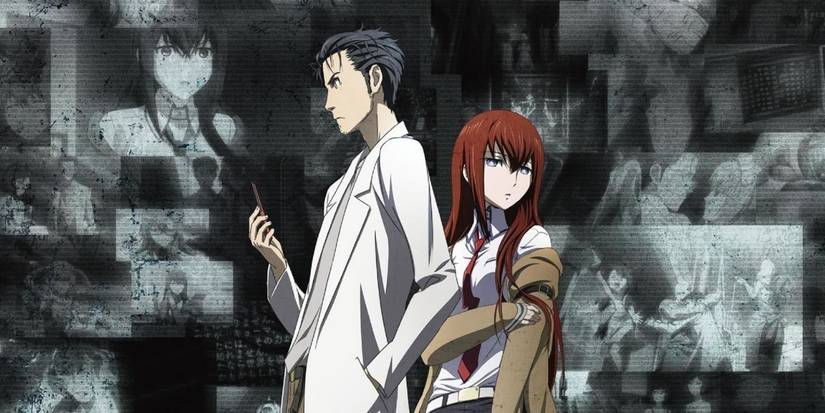
Okabe and his friends accidentally build a device that lets them send messages to the past, and every small change starts making things worse. Okabe has to face the costs of his choices, both to others and to himself. The story starts funny and relaxed, then slowly turns into something tense and dark.
The writers plant clues early that pay off later, and the pressure keeps building without rushing. Viewers see more of who these people really are when everything starts going wrong. Meticulous character development, combined with escalating stakes, creates a relentless pace that builds towards emotional payoffs that are concise and free of wasted scenes.
It wraps up neatly in twenty-four episodes with almost no wasted time. This tightly crafted anime revolutionized visual adaptations, elevating them to new heights. Due to its epic visuals and narrative, it has completely redefined how time-travel series are seen.
Puella Magi Madoka Magica

A group of girls make wishes and become magical fighters who hunt witches, but the deal quickly shows its ugly side: pain, lies, and no real happy ending. Gen Urobuchi wrote it to pull apart the bright magical-girl idea and show what desperation and false hope actually look like.
The art style uses strange swirling colors and odd shapes to make everything feel wrong and frightening. Yuki Kajiura’s harmony starts beautifully, then gets darker with heavy choirs that match the growing despair. Characters who seem like typical heroes end up broken in ways that stay with audiences.
This clever narrative, with only 12 episodes, completely changes how people see that whole genre. The short run makes every moment count, and the ideas behind it still influence new shows today. Although brief, it’s a shocking and unprecedented take on dark psychology that shows brilliant artistry is not limited to certain genres.
Monster
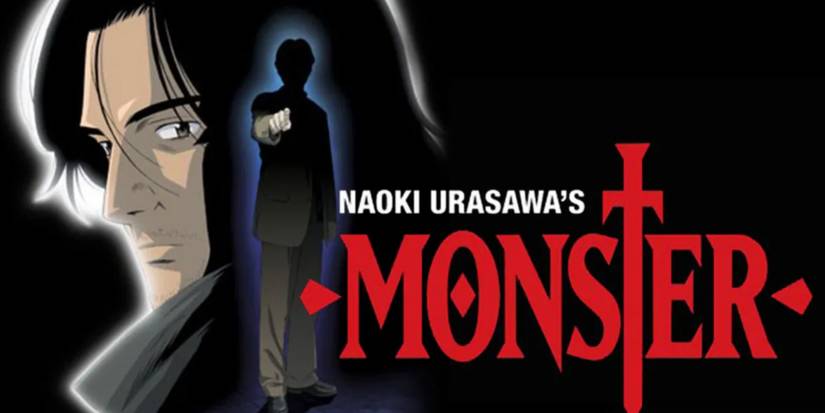
Monster unfolds with Dr. Tenma as he saves a young boy’s life, only to watch him grow into Johan Liebert, a calm and terrifying figure who leaves destruction in his wake. The doctor spends years crossing Europe trying to stop the monster he helped create. Naoki Urasawa builds the story layer by layer, keeping one guessing about guilt, evil, and whether anyone can really change.
Seventy-four episodes long, and it never loses its grip. The drawings look almost ordinary at first to real people in real places, but the slow, careful direction makes every quiet scene feel heavy with danger. Everyone has reasons for what they do, even the worst ones, and that makes it harder to look away.
The questions about right and wrong keep coming without easy answers. bringing a rare depth in character psychology. Every component aids the series, including the music, which stays subtle, mostly classical pieces that creep under one’s skin. The deliberate pacing proves that quality storytelling doesn’t need to drag out to be considered legendary
Erased
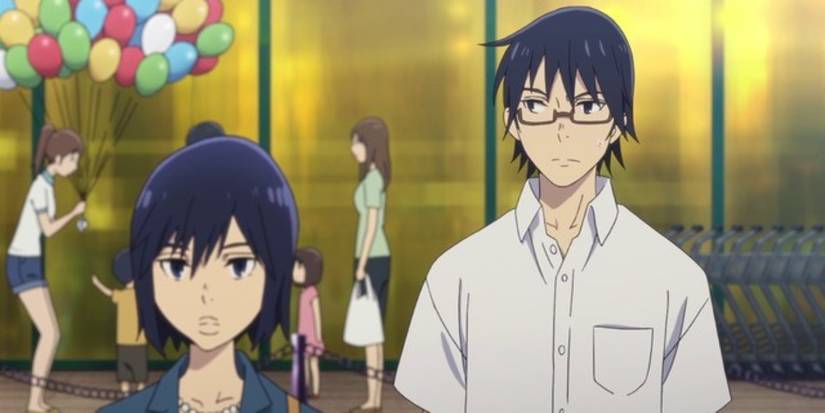
Erased runs for just twelve episodes and follows Satoru Fujinuma, a twenty-nine-year-old manga artist who has a strange ability called Revival. Whenever someone nearby is about to die in a terrible accident, his mind jumps back a few minutes so he can try to stop it, though the power usually costs him something personally.
One day, his mother is stabbed, so Revival sends him eighteen years into the past to his fifth-grade year. He realizes the murder connects to three unsolved child killings from his childhood. Using what he knows as an adult, Satoru gets close to the vulnerable kids and works to change the terrible events that shaped his life.
The series masterfully blends a tense crime story with the real emotional weight of regret over old failures, the pain of childhood abuse, the meaning of friendship, and what it costs to get a second chance. Everything moves fast, with no wasted time, building to a satisfying, bittersweet close that sticks with viewers long after it ends.
Ping Pong the Animation
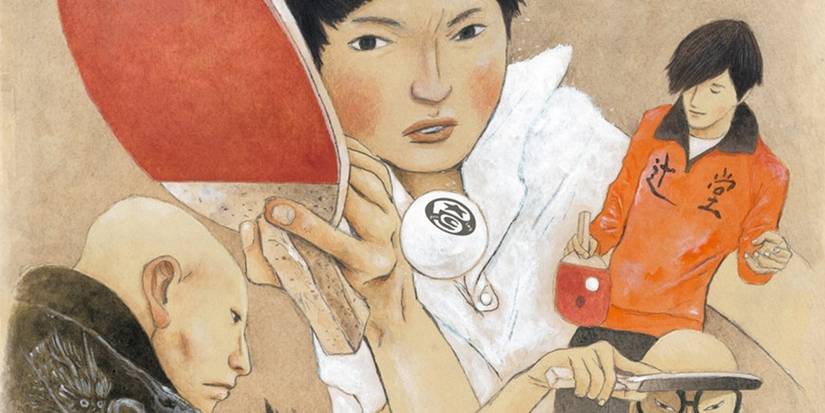
This emotionally charged story follows two childhood friends, nicknamed Smile and Peco, who play table tennis at a high level, but the game forces them to face who they are and what they really want. Every match shows their doubts, pride, and the push to get better. Taiyo Matsumoto’s original manga comes to life and becomes jagged on screen.
Masaaki Yuasa directs with wild, sketchy lines, strange angles, and fast cuts that make one feel the speed and sweat of the rallies. The sharp pings, heavy breathing, and crowd noise match the game’s rhythm perfectly and pull viewers in deeper. Both boys grow in quiet ways that feel true, not showy.
Eleven episodes cover everything it needs to. The show looks at winning, losing, and pushing oneself without turning it into a simple sports lesson. It’s remembered for taking something ordinary, like ping pong, and making it mean so much more. The visuals make it a distinct masterpiece that transcends genre expectations and offers a new take on sports anime.
Made in Abyss
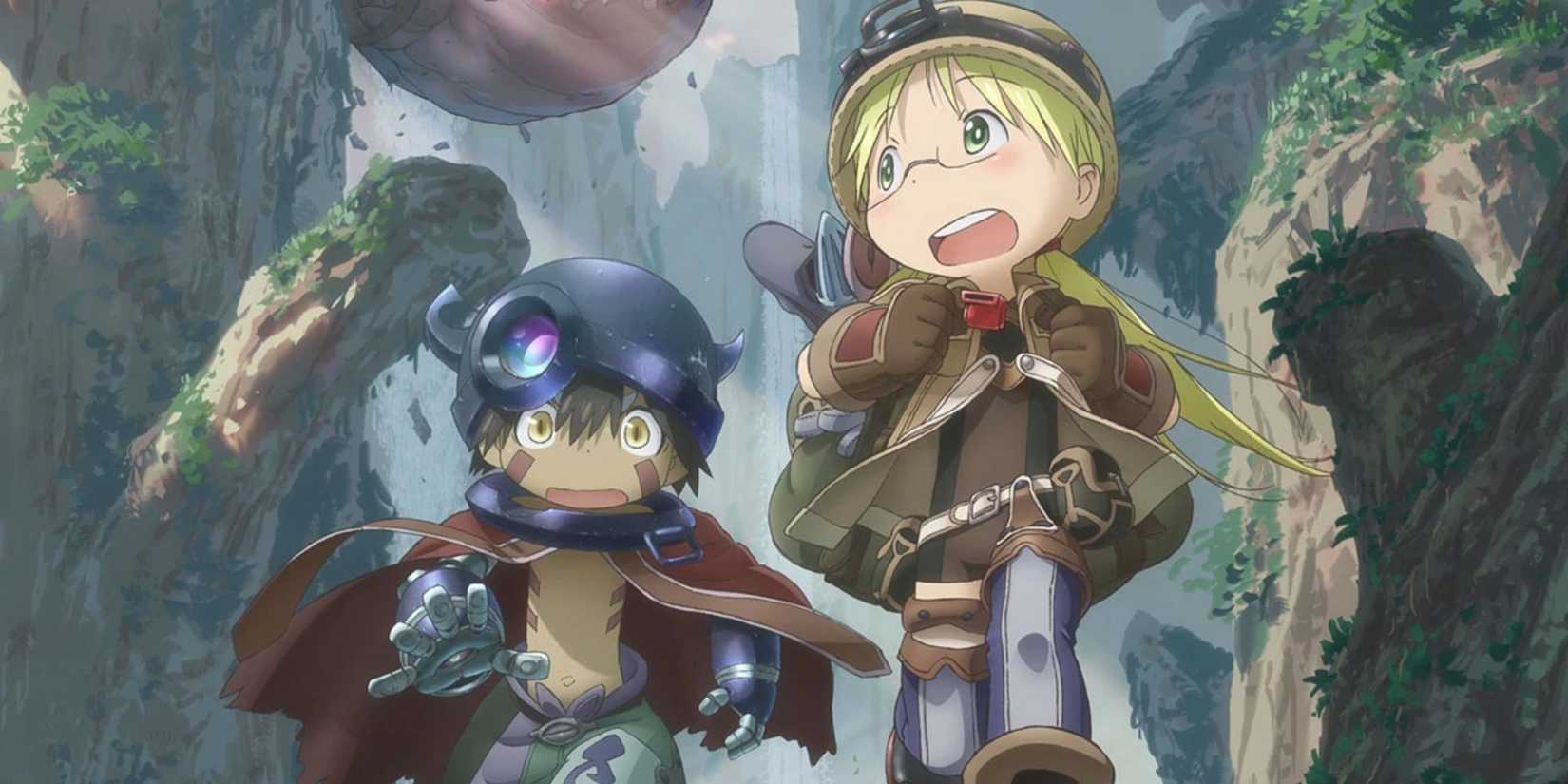
Riko, a young girl, heads down into a huge, beautiful, and deadly pit with a robot boy named Reg to find her missing mother. The deeper they go, the more amazing and horrifying the place becomes. The story never lets audiences forget how dangerous curiosity can be.
The backgrounds are packed with strange plants, glowing creatures, and vast drops that look breathtaking one minute and terrifying the next. Every new layer of the Abyss brings fresh surprises and harder choices.
The first season has thirteen episodes and sets up a world that feels huge and unforgiving. It balances adventure with real cruelty in a way that sticks with audiences. This immersive work builds a profound lore and emotional stakes that are so rapid but so unforgettable, making the series impactful with no dilution.
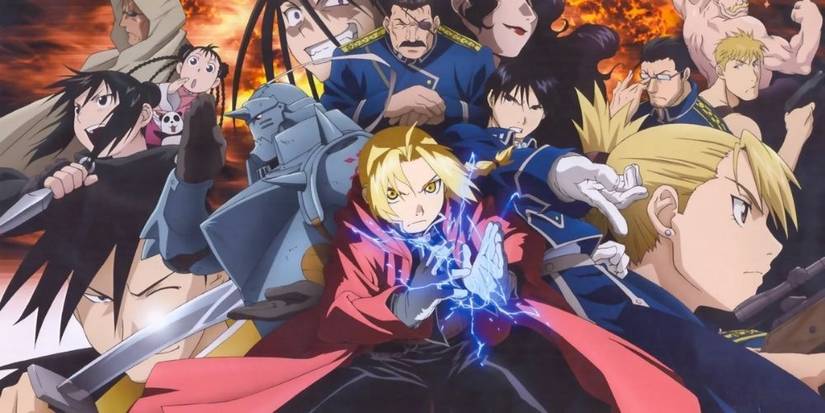
After a failed attempt to resurrect their dead mother with alchemy, Edward loses limbs and Alphonse his entire body. The brothers leave home to hunt for the Philosopher’s Stone, hoping it can undo the damage. Along the way, they uncover ugly truths about the military, their world, and the real price of ambition.
The plot keeps moving at a good clip, even as it grows massive. The characterization gets eerily uncomfortable; soldiers haunted by orders they followed, kids forced into war, even villains with twisted motives. Not simply realistic, the world feels lived-in also, with politics, religion, and old grudges shaping every choice.
Just sixty-four episodes and the story cleanly wraps up into one of anime’s most satisfying conclusions, staying true to the source material. Due to the way it handles themes like loss, forgiveness, and the essence of life and living, it is hardly surprising that the series is hailed as a piece of legacy media.
Death Note
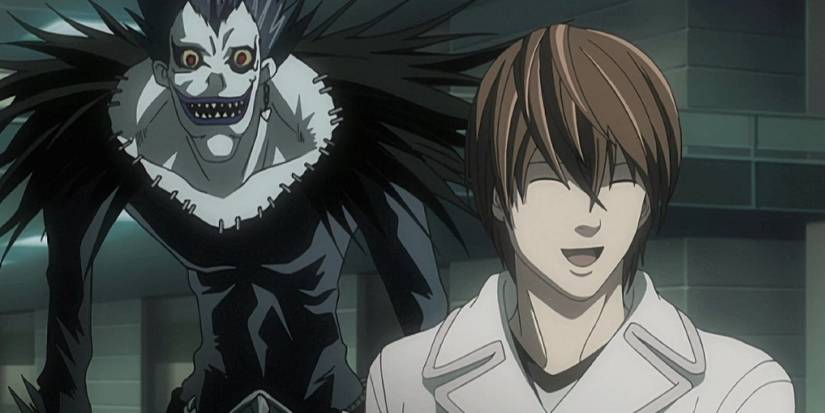
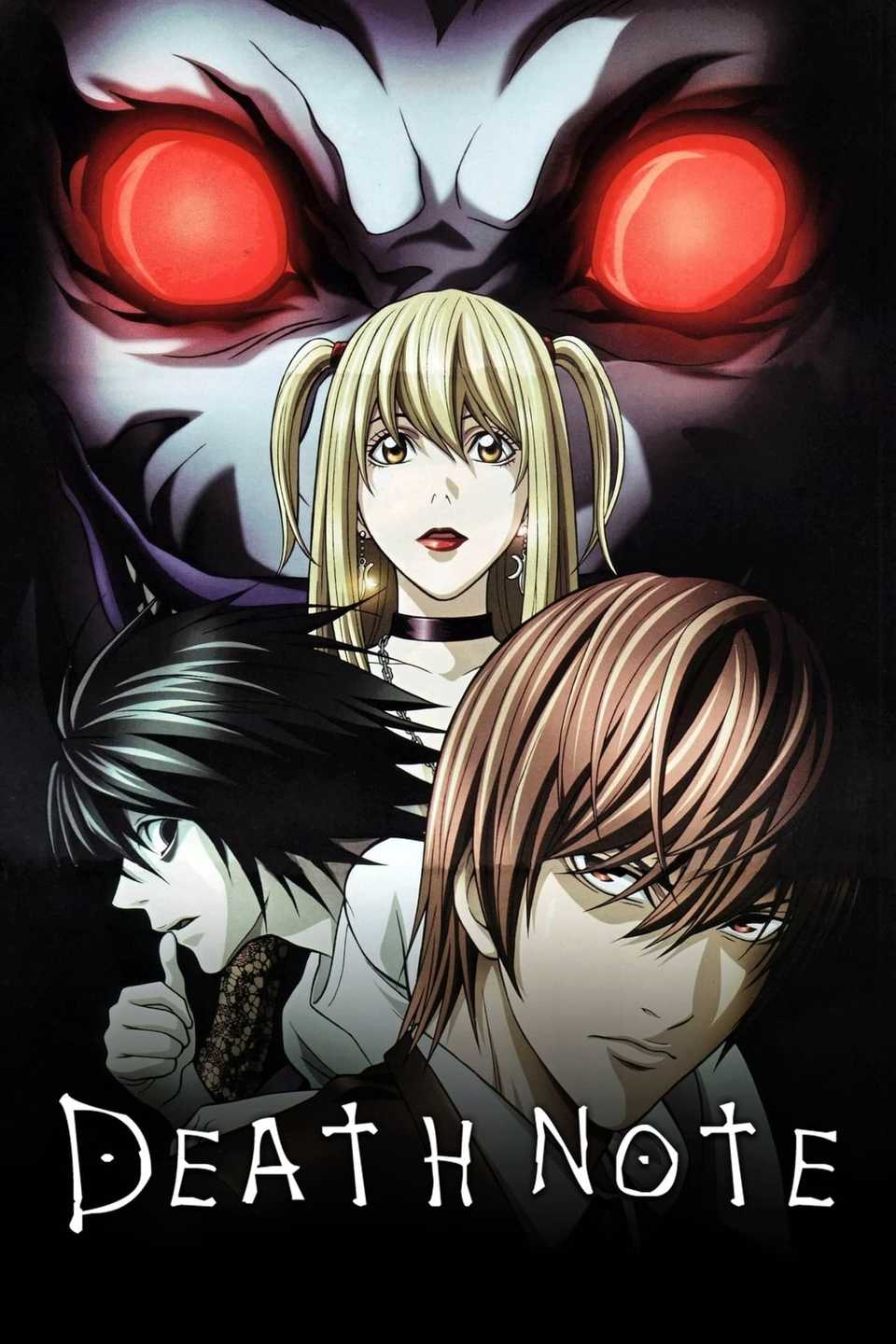
Light Yagami, a bored genius, gets hold of a notebook that kills people just by writing their names. From that moment, He starts targeting criminals to build what he calls the ‘perfect world,’ but the thrill of judging others quickly changes him, and what ensues is a brilliant battle of wits between himself and the teenage detective, L, of similar acumen.
The show turns simple talks into high-stakes mind games, with both sides reading every word and gesture for clues. Animation uses shadows, tight shots, and slow builds to build tension. Light’s slide into arrogance and L’s odd habits bounce off each other perfectly, creating an almost rhythmic wave of suspense.
Its thirty-seven episodes redefined the thriller genre, keeping the pressure steady right to the end. The story’s core idea: what happens when one person gains godlike power, raising tough questions about justice and morality that everyone secretly ponders. More than anything, Death Note introduced a new approach to psychological confrontation and intelligence, making it an immortal reference for greatness.
- Release Date
-
October 4, 2006
Cast