

Since 1999, Best Original Score has been unified, and it probably won’t be split again anytime soon. Film scores have evolved from a novelty into a bona fide art form, with some composers gaining household name status. A perfect score can elevate a film to another level, and that’s where the indisputable Oscar winners come into the picture.
It’s important to distinguish between musical scores and scores composed for non-musical films. The Oscars have traditionally always had a category dedicated to original scores for dramatic films, with musicals having their own award. Now that musicals are less common, they’re lumped together. With that said, the indisputable Best Original Score winners are their own timeless works of art.
The Lord Of The Rings: The Fellowship Of The Ring (2001) – Howard Shore
Howard Shore faced a nearly impossible task when he was tapped to create the musical soundscape for The Lord of the Rings. However, the accomplished composer not only succeeded, but won an Oscar for his work. Shore’s score for The Fellowship of the Ring is both broad and focused, with fantastical motifs that capture each corner of Middle-earth.
Howard Shore also won Best Original Score for The Lord of the Rings: The Return of the King.
Shore locked up his first Academy Award over some stiff competition. Even though he beat the likes of John Williams and Randy Newman, Shore was the most deserving by far. In a way, the score for The Fellowship of the Rings isn’t just a sound for one movie, but for an entire franchise that still continues today.
Titanic (1997) – James Horner
The late great James Horner cut his teeth composing scores for genre films, and he wasn’t the most obvious choice for James Cameron’s Titanic. The epic romance tragedy was a mixed bag of emotions on screen, and Horner understood the assignment perfectly when crafting the music. Simultaneously exhilarating and sweet, the score for Titanic matches the film’s tone.
Horner won for Best Original Dramatic Score (there was a separate category for musicals and comedies) and beat other legends in the process. However, Titanic‘s score is the only one from the 1997 nominees that is still fondly remembered. Though it’s overshadowed by “My Heart Will Go On”, James Horner’s score does a lot of heavy lifting in the movie.
The Lion King (1994) – Hans Zimmer
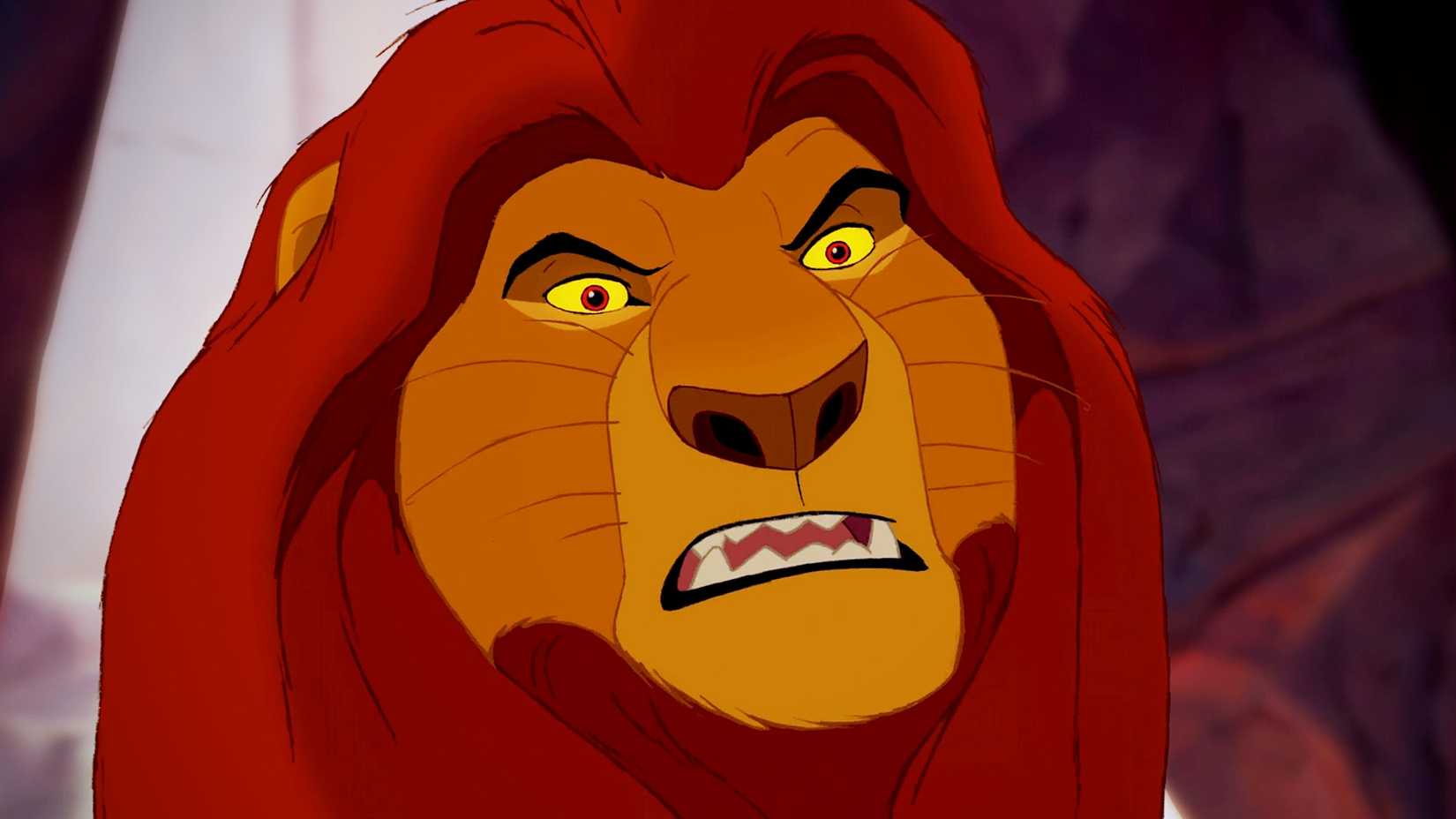
Disney films usually have the Best Animated Feature Oscar locked down, and the studio also fares pretty well in the score category. The Lion King is one of Disney’s indisputable classics, and Hans Zimmer’s Best Original Score win is just as unquestionable. Sandwiched between amazing songs from Elton John and Tim Rice, Zimmer’s score is the heartbeat of the film.
Using conventional scoring methods as well as world music motifs, Zimmer’s take on The Lion King accentuates the grandeur of the story. Zimmer went up against other noteworthy movies, but the score itself was totally untouchable. The next year, the Oscars divided the score category up between dramatic and musical scores.
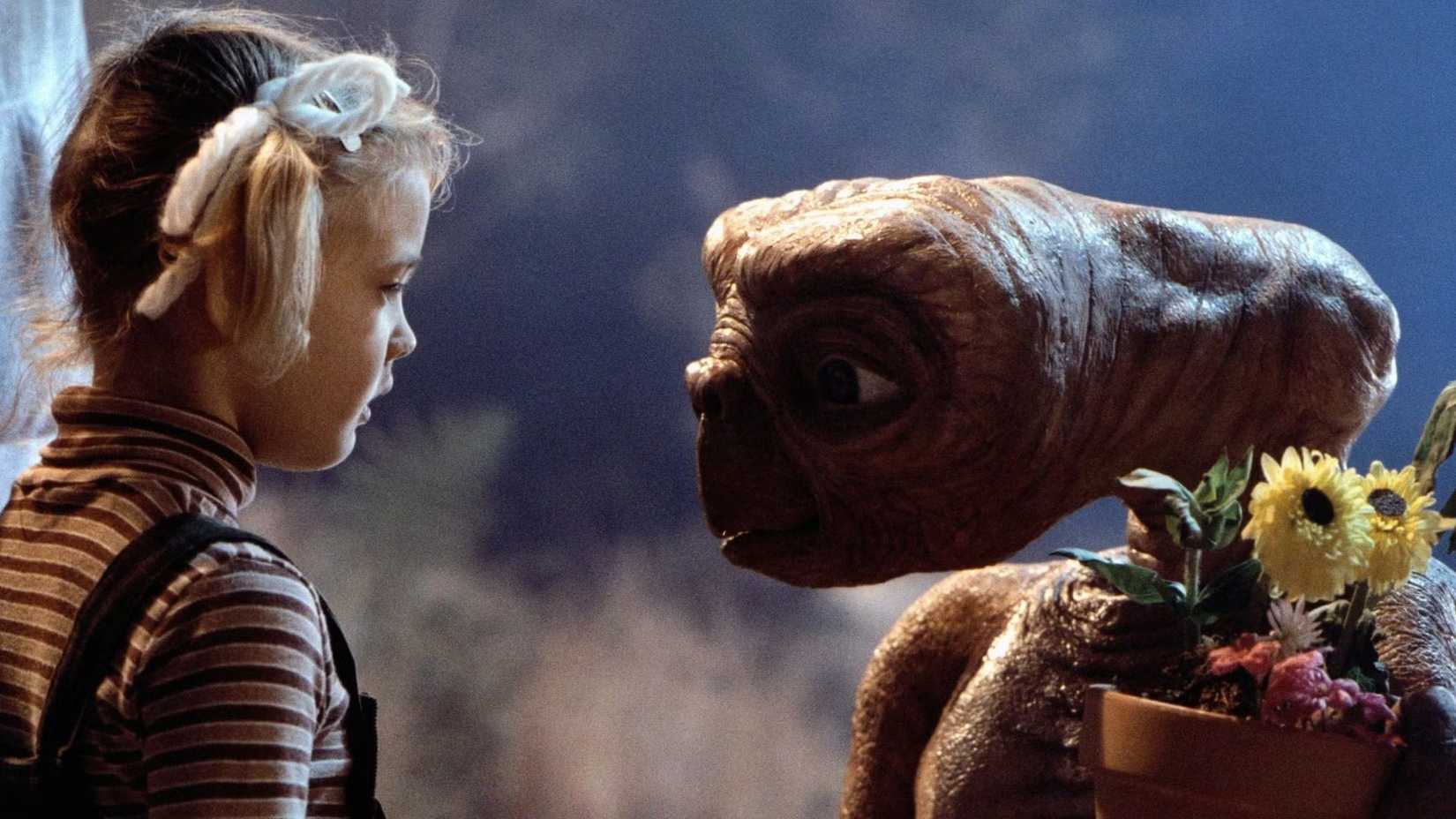
John Williams’ score for E.T. the Extra-Terrestrial was the only truly indisputable Best Original Score win of the 1980s, and it’s a legendary piece of musical arrangement. Working yet again with Steven Spielberg, Williams’ music is the ideal accompaniment to the magic, suspense, and mystery of the beloved family sci-fi classic.
The main title theme has been etched onto the pop culture landscape, and E.T. would not have been the same without the music of John Williams. There were some excellent scores also nominated from 1982, but Williams blew them all out of the water. His 1983 win continued his dominance of the category that began more than a decade earlier.
Star Wars (1977) – John Williams

Nearly every memorable score from the ’70s was composed by John Williams. His work on Star Wars is one of the reasons the franchise got off on the right foot, and his themes are still being recycled today. From the opening blast of sound under the title crawl, Williams’ music is Star Wars in a nutshell.
Star Wars was renamed Star Wars: Episode IV – A New Hope in 1981.
Naturally, he walked to an easy victory at the 1978 Academy Awards, taking home his third Oscar. Interestingly, the only competition that Williams faced at that year’s ceremony was from himself, because he was also nominated for his work on Close Encounters of the Third Kind. In retrospect, the win for Star Wars is still indisputable.
Jaws (1975) – John Williams
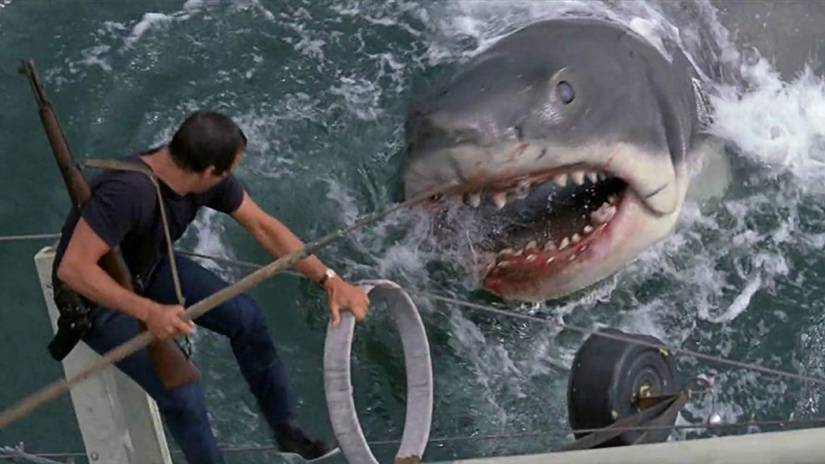
With a record 49 nominations across his career, John Williams dominated the Best Original Score category for decades. His win for Jaws was only his second, and it represented an important turning point for the category and for film music in general. With its hair-raising lurking motif, Williams melded conventional horror music techniques with his opulent style.
Jaws shaped the summer blockbuster, and Williams’ score set the tone for what those blockbusters should sound like. It was the first time that horror was ever taken seriously in the category, and it took Williams’ universally popular sound to change perceptions. Besides being a classic score, Jaws‘ Oscar win is indisputable.
Butch Cassidy And The Sundance Kid (1969) – Burt Bacharach
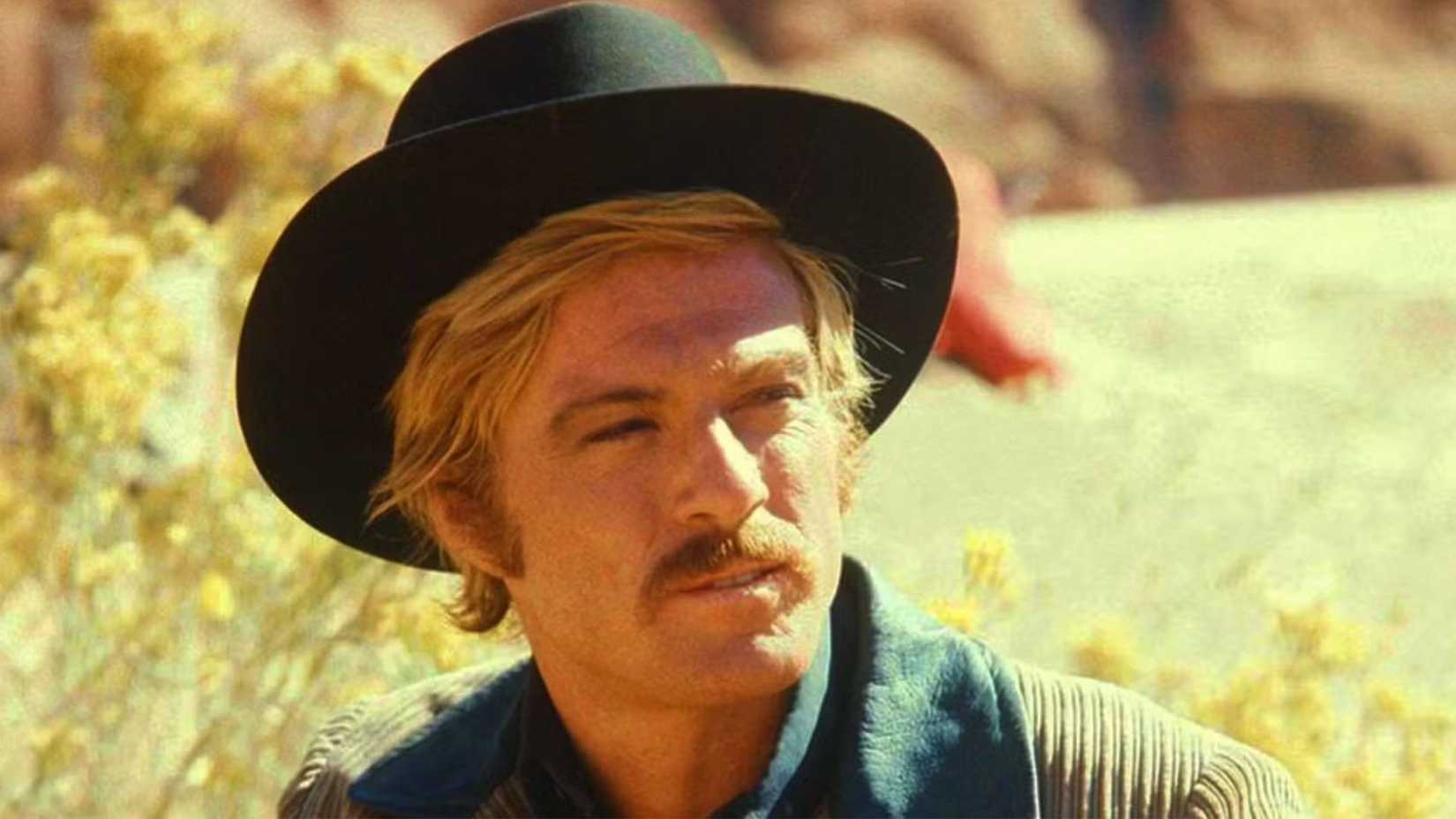
Butch Cassidy and the Sundance Kid was an unorthodox western, so naturally it had an unorthodox score. Burt Bacharach’s poppy music for the 1969 counterculture classic helps to accentuate the movie’s somewhat anachronistic tone. Most people only remember “Raindrops Keep Falling on My Head”, but the rest of the music is brilliant.
Instead of relying on classical instrumentation, the score is filled with modern instruments and a contemporary sensibility. It’s an endlessly listenable work because it straddles the line between an actual pop record and a movie score. It was Burt Bacharach’s only Oscar for Best Original Score, and it was indisputable because of its transformative qualities.
Doctor Zhivago (1965) – Maurice Jarre
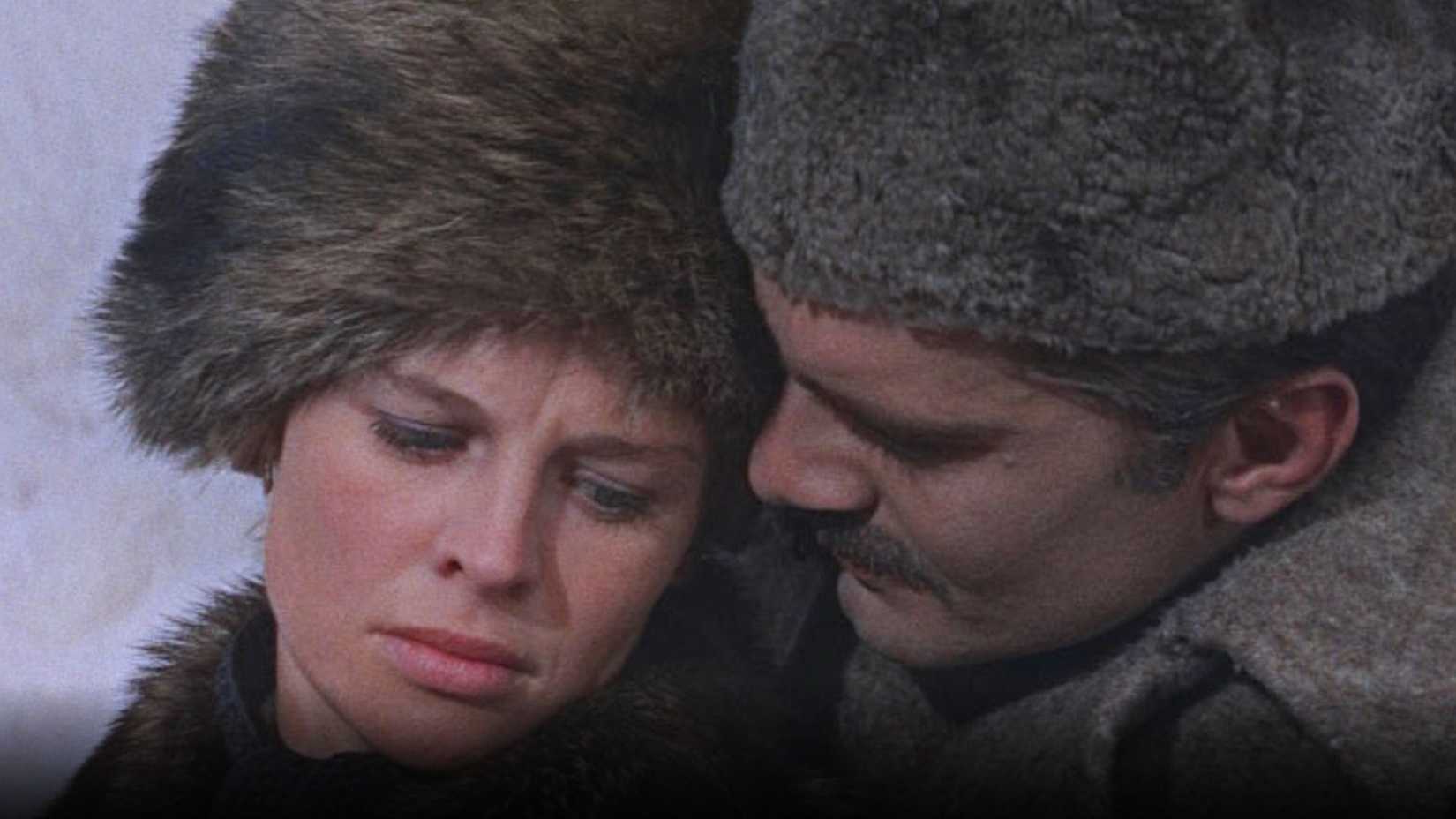
In terms of album sales, Maurice Jarre’s score for Doctor Zhivago is one of the greatest of all time. Putting its other accolades aside, it remains one of the most deserving Best Original Score winners in the history of the Oscars. As befitting its epic tale of romance, Jarre’s work is gigantic in its scope and rich in its composition.
It borrows concepts from Russian composers like Tchaikovsky, and Jarre crafts a huge soundscape that utilizes voices and unusual instruments. It heightens the mood of what’s onscreen, but also draws attention to itself in all the best ways. Like the classical music it was inspired by, many of the indisputable Oscar winner’s songs have become standards.
Ben-Hur (1959) – Miklós Rózsa
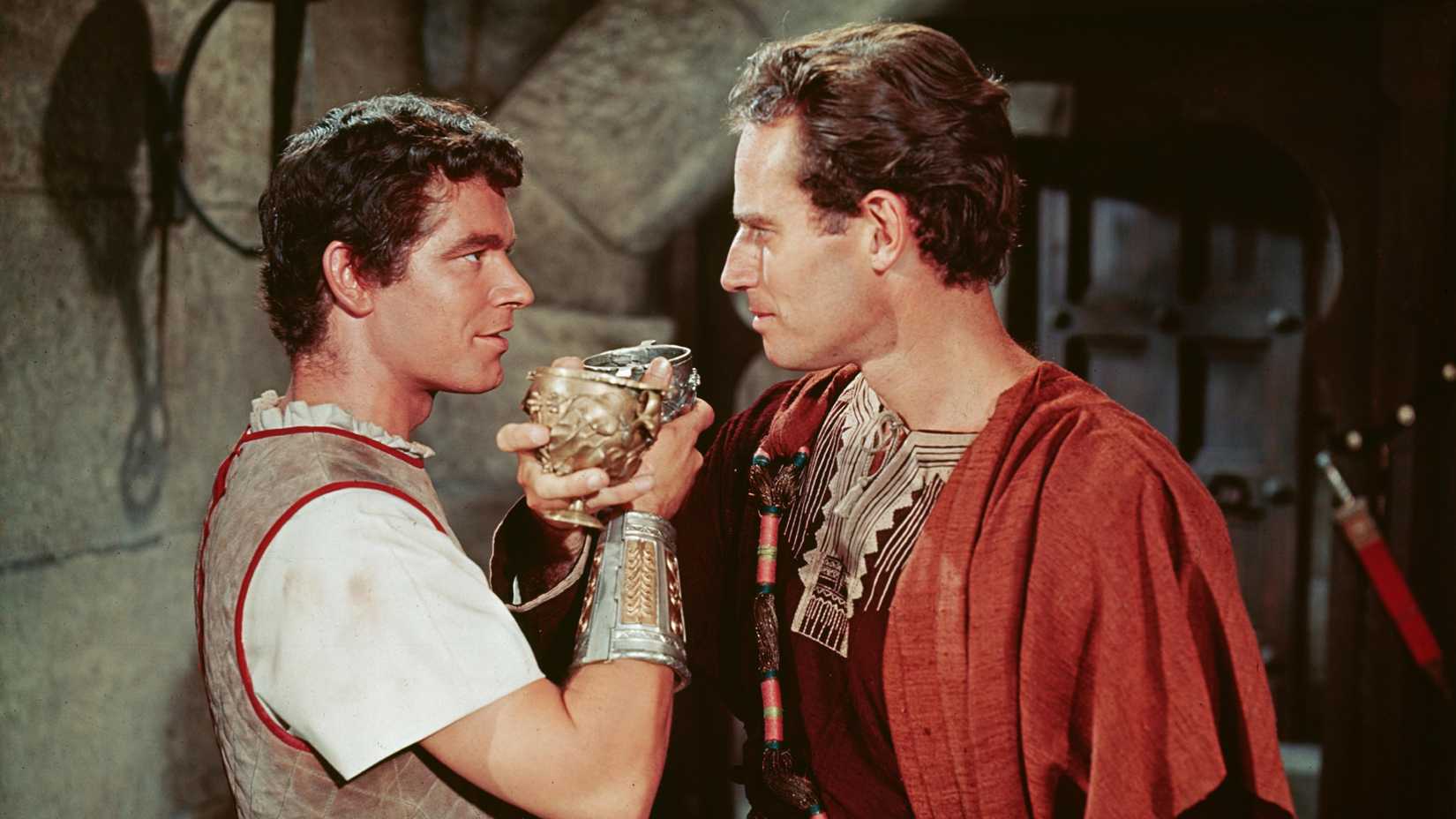
Ben-Hur is the quintessential historical epic, and it masters all aspects of the grand cinematic experience. Miklós Rózsa’s score is just as grand as the movie’s visuals, and it’s arguably the most important part of Ben-Hur‘s blockbuster formula. Bombastic from the word go, the score eschews subtlety and goes for the gusto.
While most scores from the 1950s don’t hold up, Ben-Hur‘s music is just as epic as it was back then. Rózsa had a pretty easy path to victory at the Academy Awards, and his third Oscar was the most deserving of the bunch. Many other works from the time serve their purpose, but the Ben-Hur score looks forward and stands on its own as excellent music first and foremost.
Sunset Boulevard (1950) – Franz Waxman

Franz Waxman was one of the first composers ever nominated for Best Original Score, but it took until 1950’s Sunset Boulevard for him to be properly recognized. Billy Wilder’s noir classic is a dark love-letter to Hollywood’s early period, and Franz Waxman’s score captures every creepy nuance. Each note drips with suspense, but it’s also pleasant listening.
The floating woodwind instruments dance over the soaring strings, and the score is all the Old Hollywood clichés magnified a thousand times. Indisputable Academy Award winners must stand the test of time, and they must also fit within their period. Waxman’s score not only dominated 1950, but influenced generations of composers who followed.

8/10
- Location
-
Los Angeles, CA
- Dates
-
March 15, 2026
- Website
-
https://www.oscars.org/