

In fact, it’s arguably more impressive for a short series to maintain its place in the cultural conversation when it could easily be drowned out by the prominence of decades-long TV beasts like Grey’s Anatomy or The X-Files. Yet that’s exactly what these brief but mighty shows did, growing in relevance over the years thanks to timeless writing, resonant visuals, and casts that aged with grace.
Freaks And Geeks (1999-2000)
The jaw-droppingly successful Stranger Things could, in a nutshell, be described as Freaks and Geeks with monsters. Yet NBC canceled Freaks and Geeks after just one season. In fact, it pulled the plug before the show could even air all 18 of its episodes. The final three were released later and elsewhere.
In a mere handful of episodes, though, Freaks and Geeks delivered heart, humor, and genuine emotion, all focused on the types of high schoolers that rarely get to be main characters in their own right. To top it off, those high schoolers were played by the likes of Seth Rogen, Jason Segel, Linda Cardellini, Busy Philipps, and even more familiar faces.
Freaks and Geeks is a quick watch and is perhaps the quintessential depiction of retro high school angst and heart.
Band Of Brothers (2001)
To this day, Band of Brothers is largely considered one of the greatest TV shows of all time, not to mention one of the best war epics ever made for the small screen. A sprawling narrative with just as massive a cast, Band of Brothers managed to pull off a detailed feat of historical realism with the tension, drama, and emotion of a carefully designed fictional story.
The show was a key part of HBO’s “quality TV” movement, offering a new image of what the brand could look like alongside the network’s more raunchy, graphic, and sensational hits. Band of Brothers cost over $125 million to make, a shocking number for a television series of that time, yet its enduring streaming popularity cements the consensus that it was money well spent.
Studio 60 On The Sunset Strip (2006-2007)
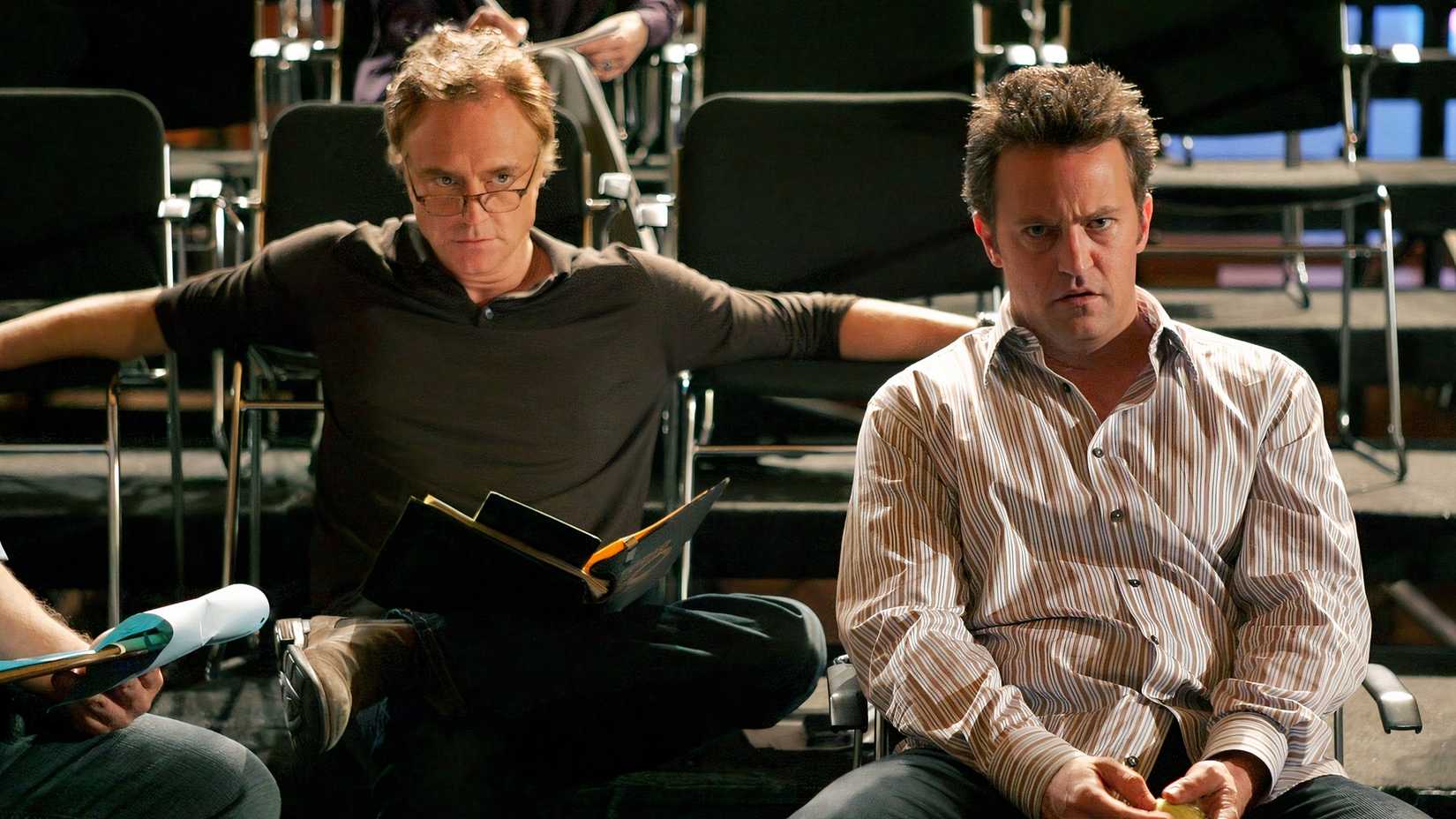
Studio 60 on the Sunset Strip might be Matthew Perry’s best TV show; it’s also one of his very few dramatic roles, which has taken on a new significance after his passing in 2023. Studio 60 was Aaron Sorkin’s follow-up to The West Wing, and in many ways, it felt like the beloved political drama simply relocated to the back rooms of an SNL-esque late-night show.
Studio 60 embodied Sorkin’s famed aesthetic, right down to the fast-paced “walk and talk” and casting of West Wing alum Bradley Whitford, yet the show petered out after a mere 22 episodes. Nonetheless, the show remains essential viewing for Sorkin fans, especially amid the career renaissance that Whitford is currently experiencing in the wake of The Handmaid’s Tale and The Diplomat.
Vinyl (2016)
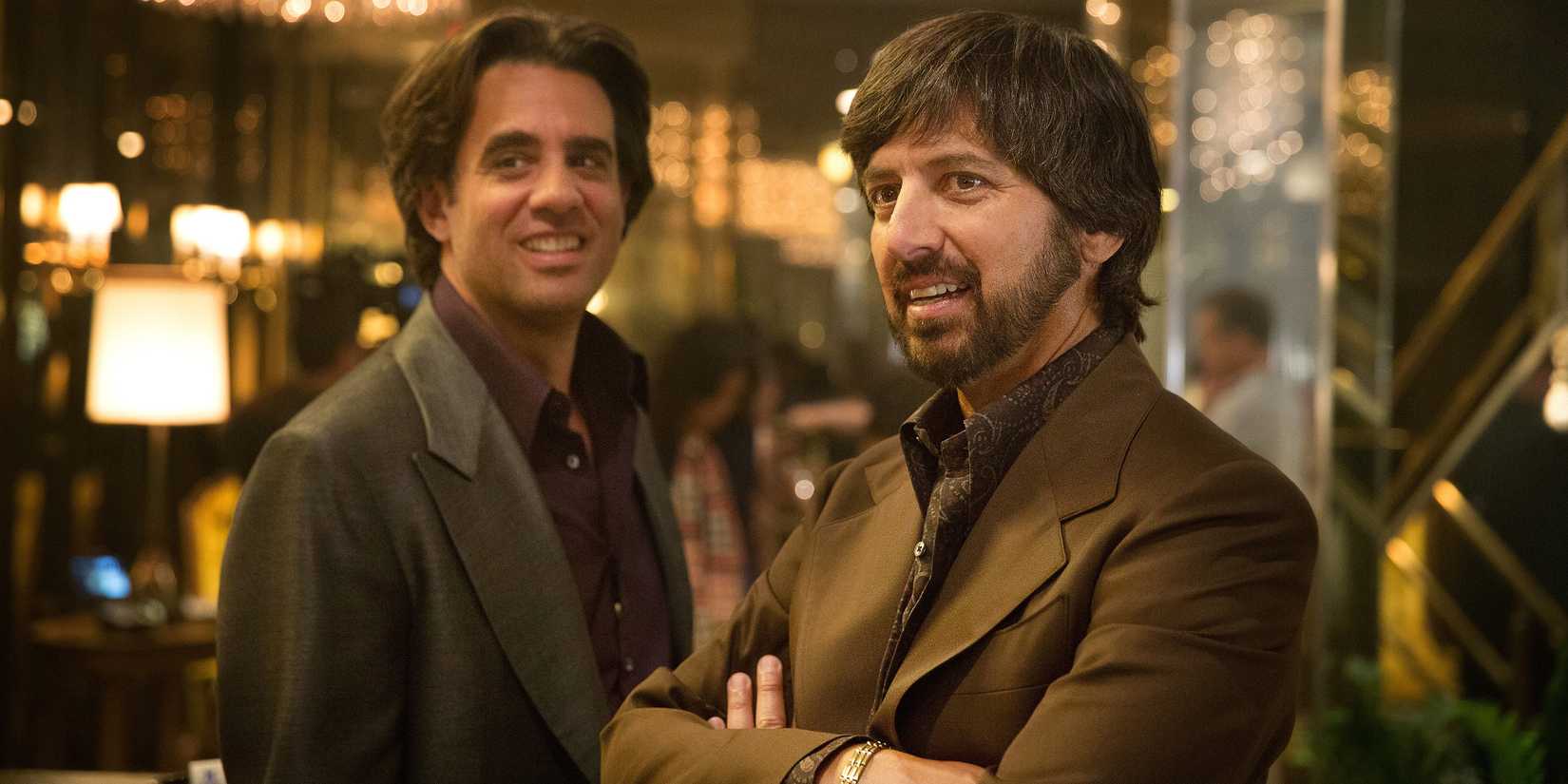
All signs pointed to Vinyl becoming the next big thing. It was created by Mick Jagger, Martin Scorsese, and Terence Winter (creator of Boardwalk Empire and executive producer of The Sopranos). It starred Bobby Cannavale, Olivia Wilde, Ray Romano, Jack Quaid, and a pre-Ted Lasso Juno Temple. Vinyl then walked the walk with an impressive, frenetic first season. It was Mad Men meets rock ‘n’ roll.
HBO initially renewed Vinyl for a second season, but later reversed the decision and canceled the show a few months later. Even so, Vinyl‘s ten episodes only grow more compelling as the distance between us and the ’70s grows, an era that has become increasingly elusive outsidethe TV shows that tap into its distinct brand of nostalgia.
The Haunting Of Hill House (2018)
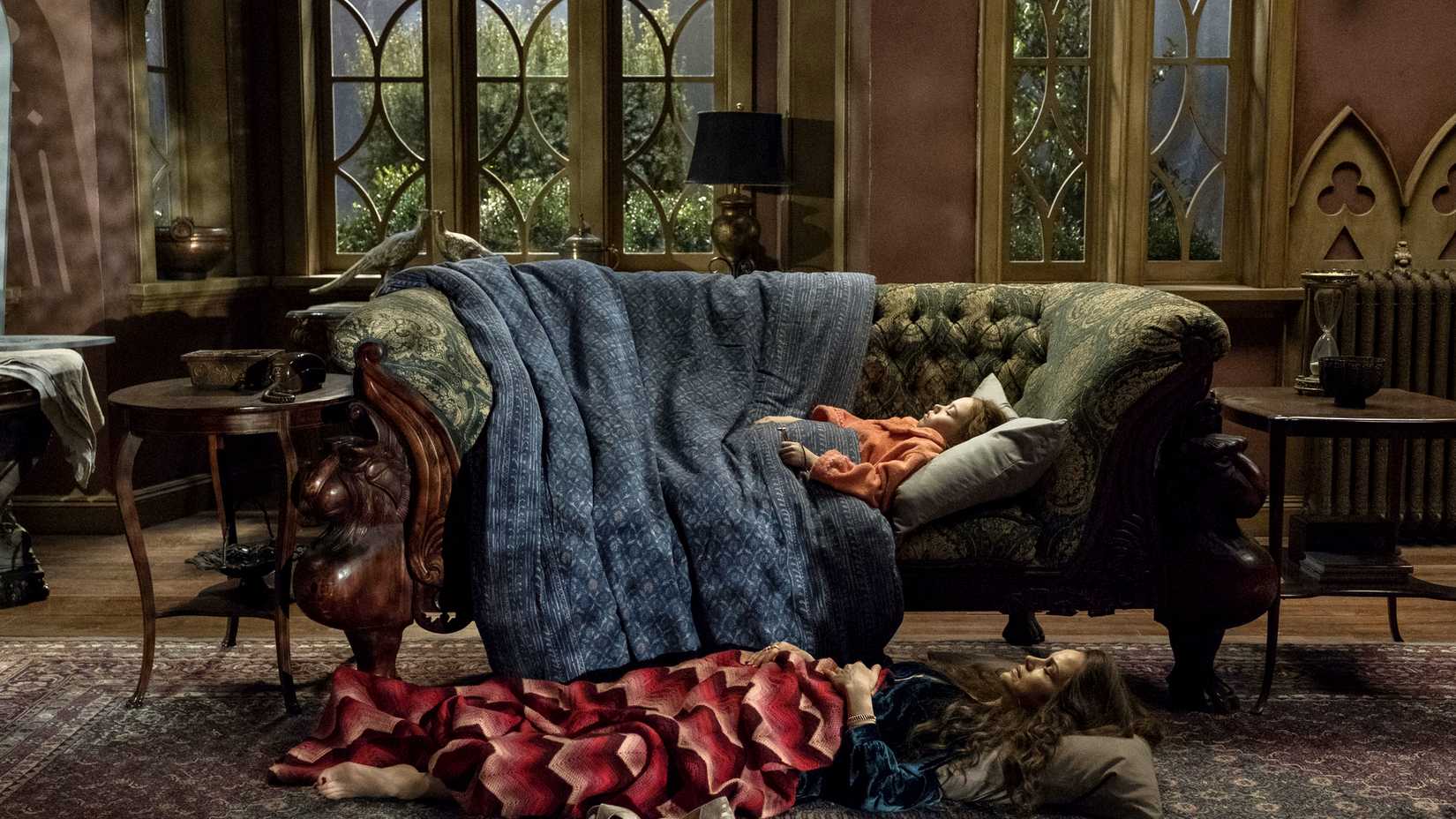
Just when American Horror Story began to falter on its promise of quality, The Haunting of Hill House delivered what may be the best horror show to date. The series reaffirmed that TV horror can embody rich characters and prestige drama without sacrificing scares.
A huge departure from Shirley Jackson’s novel, Hill House also proved that the key to a strong adaptation isn’t necessarily creating a carbon copy of its source material, but simply telling a great story.
Indeed, Mike Flanagan’s limited series has propelled the careers of the core cast members who continue to appear in his projects while Flanagan himself grows a reputation that could rival even TV giant Ryan Murphy. It’s all for good reason; Hill House comes perfectly full circle, with a climax that is just as heartbreaking as it is horrifying.
Chernobyl (2019)
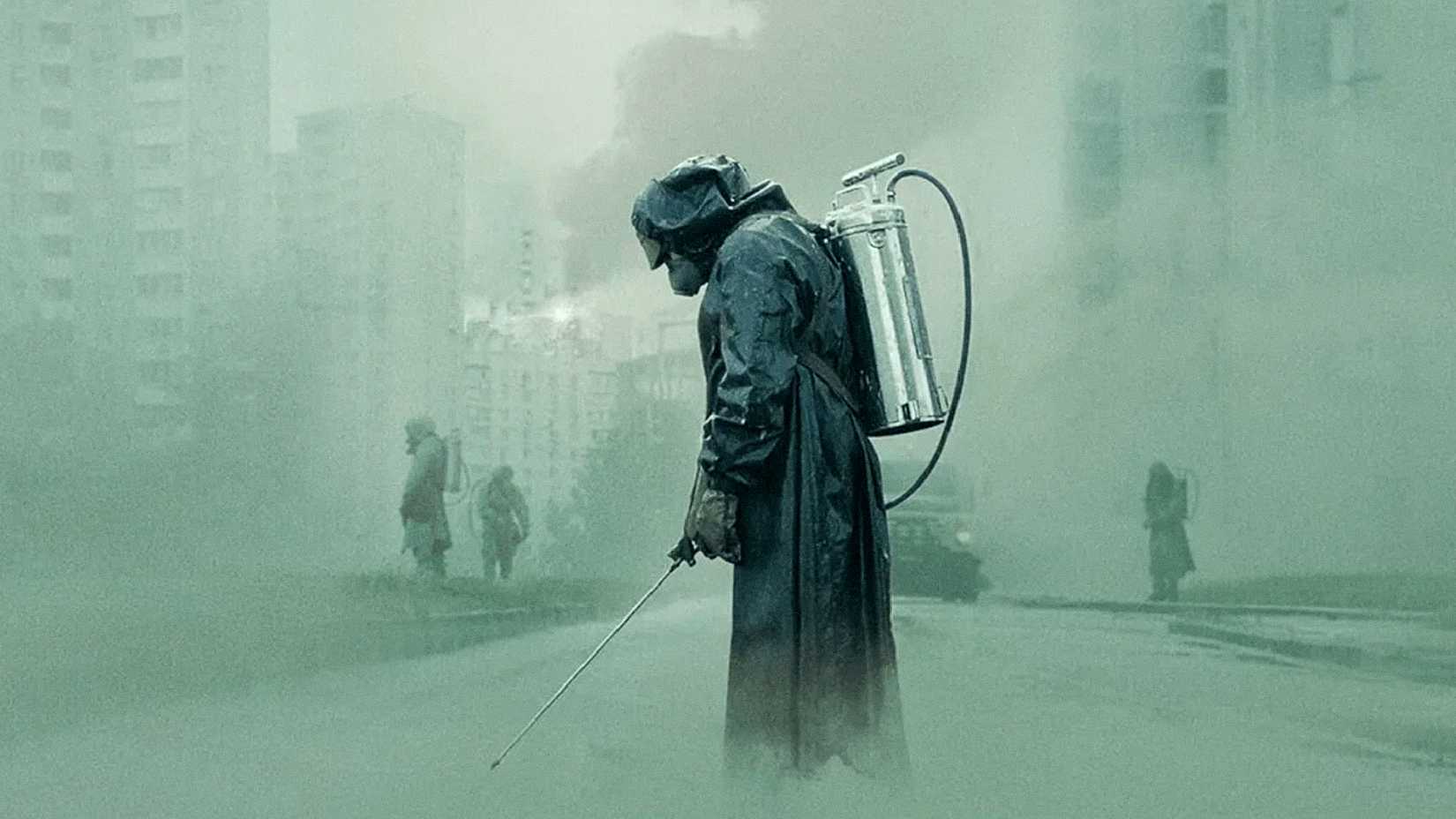
Chernobyl is a hard watch despite its masterpiece status. In fact, that difficulty is exactly what took the show to the next level, as its pervasive, haunting sadness felt respectful to the real-life tragedy. Widely praised for its commitment to truth and attention to detail, Chernobyl explored both the personal and systemic fallout of the event, painting a clear picture of its scope without losing sight of the emotional human impact.
The performances deserve acclaim as well, with Stellan Skarsgård, Emily Watson, and Jared Harris all earning Emmy nominations for their work in the limited series. Yet the cast also featured Jessie Buckley and Barry Keoghan, whose fame has skyrocketed in recent years.
Created and written by Craig Mazin, the near-perfect Chernobyl is now especially refreshing for fans who were left disappointed by his recent work on The Last of Us season 2.
The Queen’s Gambit (2020)
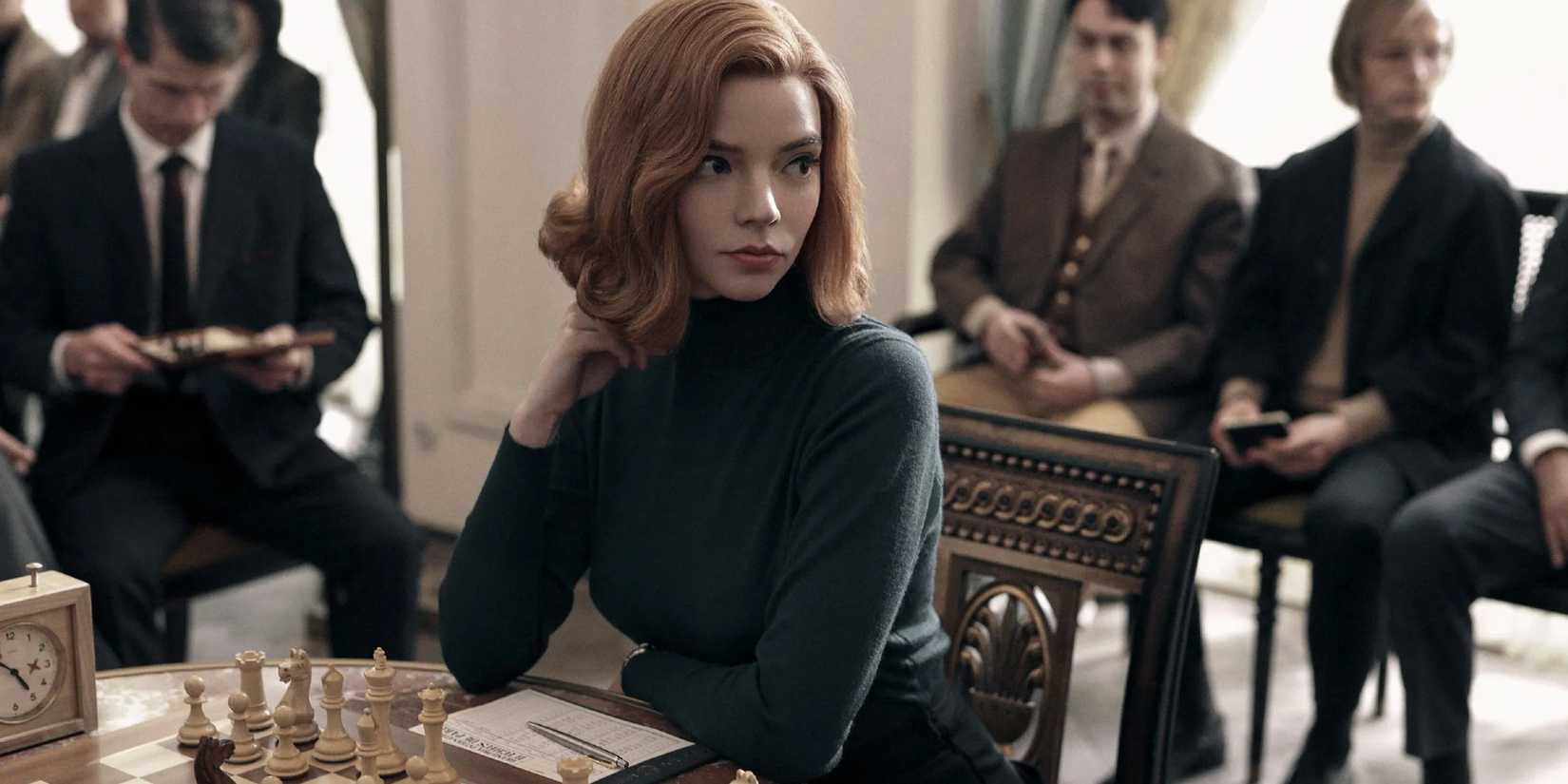
The hype may have died down, but The Queen’s Gambit is far from forgotten, cementing that the show will forever be a part of the quality limited series conversation. Anya Taylor-Joy has been in other acclaimed titles, like The Menu and Peaky Blinders, but the actress remains most closely associated with The Queen’s Gambit‘s Beth Harmon, the poised, troubled chess prodigy.
10 Netflix Miniseries That Are Absolute Masterpieces (#1 Has No Bad Episodes)
There are plenty of excellent original TV shows on Netflix, but not as many miniseries as you may think; however, these are the best of them.
Taylor-Joy brought a mysterious, ethereal quality to the role that made chess both sexy and somewhat ominous, but The Queen’s Gambit also stood out for its unique visuals and unpredictable story. The show’s source material, the 1983 novel of the same name, was also excellent, but anyone familiar with both would be hard-pressed to choose one over the other.
Dopesick (2021)
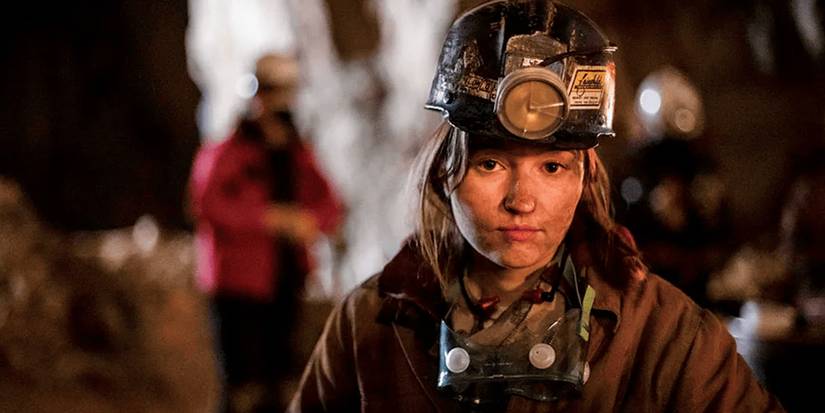
As time passes, Dopesick‘s immortalization of the heart-wrenching impact of the opioid epidemic only grows more important. It’s evident how seriously the show took its task of adapting Beth Macy’s non-fiction book, but it didn’t rely on these events’ shock value alone, nor did it sacrifice the story for facts and hyperrealism.
Michael Keaton and Kaitlyn Dever both delivered career performances as characters who, while semi-fictionalized, wholeheartedly embodied the emotional reality of people in rural mining communities at this time. Every facet of the story, from Purdue Pharma’s Sackler family to the people who fell victim to their drug, was riveting, making Dopesick the TV version of a page-turner.
Station Eleven (2021-2022)
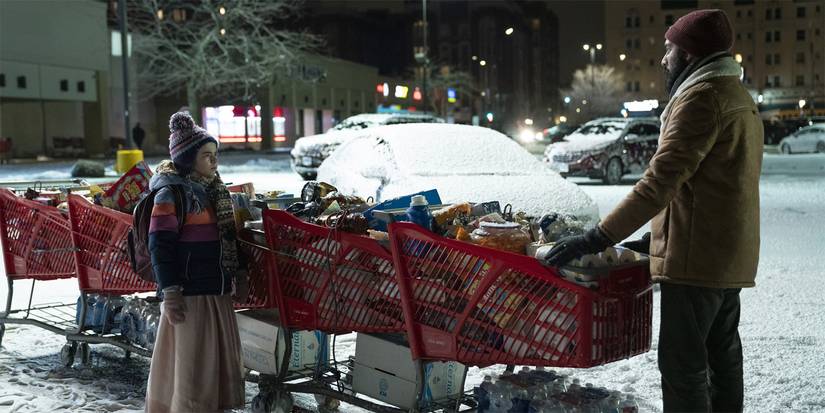
Station Eleven hit close to home when it arrived on the heels of the COVID-19 pandemic. The limited series primarily followed a traveling Shakespeare troupe in the aftermath of a deadly flu that wiped out most of the population. The show certainly embraced this unsettling premise, but Station Eleven was just as much a work of art, observing the beauty of human nature, as it was a survival story.
The series had a lyrical way of moving through time and space and is best enjoyed savored, though this may have been hard to do at a time when viewers were anxious to see how the characters — and we ourselves — would survive a pandemic. Station Eleven‘s eerily prophetic timing contributed to its generally ominous vibe, but it’s a show that only gets better with time.
Boots (2025)

After the Pentagon referred to Boots as “woke garbage,“ there was an increase in attention surrounding Netflix’s show about U.S. Marines. This feeling intensified when Netflix swiftly canceled Boots, despite it being a top performer for the streamer at the time. The show wasn’t only popular for its buzz, though.
Boots took on a lighthearted tone akin to a young adult rom-com while exploring a gay teen’s journey through ’90s-era boot camp. The juxtaposition of whimsy and levity in a military setting was refreshing and wholly original, while the complex reality of Cameron Cope’s future boiled just beneath the surface.
With no season 2 on the way, all that’s left to do is re-watch season 1 to remind Netflix just how wrong they were in making Boots a single-season show.