What makes Naruto stand out is that the series doesn’t rush past the difficult truths – grief, being left behind, betrayal, and wondering if any of it matters. The writers let the characters carry those burdens for years, allowing their inner fights to build naturally. No one’s turnaround feels fake or quick; instead, the series shows the ugly work required to heal.
Even with Naruto’s sizable cast, these characters offer the most impact, contributing to the story’s development. Their journeys touch on things most people know: the sharp hurt of rejection, the hollow feeling after loss, and the bleak element of life. Through them, the series reaches beyond fiction and touches something real.
10
Obito Uchiha
Obito Uchiha starts as this cheerful, good-natured kid of the Uchiha clan, always running late, tripping over his own feet, but full of big ideas about becoming Hokage. Eerily similar to Naruto, he was also raised as an orphan, so he clings hard to his teammates Rin and Kakashi, treating them like family.
When Obito watches Rin get killed by Kakashi’s hand, set up by others, the shock and grief break him completely. He decides the real world is the problem, that the only kindness left is to trap everyone in an illusion where no one ever hurts again. A decision that leads to the man behind the mask, that is, Tobi of the Akatsuki.
In the end, standing across from Naruto on the battlefield, Naruto’s words resonate with him, and the mask finally cracks. His journey, from the naively wide-eyed kid to the man who nearly burned down the world, perfectly defines what the series conveys: pain and betrayal can twist anyone beyond recognition, but real connection can save.
9
Nagato
Nagato, who later calls himself Pain, watches his parents get killed and then loses Yahiko. Growing up in a village destroyed by endless war, he once believed that he could build real peace, but Yahiko’s death shatters that hope. Nagato decides the only way to stop the hatred is to make the whole world suffer the same despair he has.
He rules the Akatsuki through six different bodies, all moved by his Rinnegan, turning himself into a tool for his grim plan. He levels the Hidden Leaf to show the world his proof: leaders preach peace while allowing places like Amegakure to bleed. His thinking is harsh, but it comes straight from the horrors he lived through.
When he finally clashes with Naruto, who carries scars but refuses to spread more pain, Nagato hesitates. Hearing Naruto speak, in his last moments, he uses his power to bring back the dead villagers and admits Naruto’s way might work. That choice, and the heavy beliefs behind it, ground the story’s imaginative intent in reality’s dark depths.
8
Hinata Hyūga
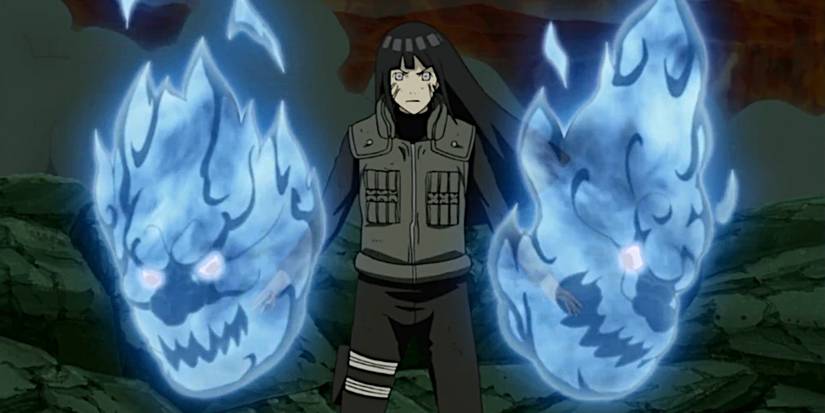
Hinata Hyūga is brought up in the Hyūga clan’s strict household, where her gentle nature is treated as a flaw. Her father strips her of her position, openly calling her useless, and puts all his hopes on her little sister. The constant criticism eats away at her. She speaks with a stutter, keeps her gaze down, and feels worthless.
Deep down, though, she won’t accept it. She trains alone for hours, determined to become someone she can respect, even if the clan never does. Naruto’s endless fight to keep going catches her eye when she’s still young. She notices how he gets crushed, laughed at, and ignored, yet he bounces back every time without turning bitter.
In the end, Hinata stands for a kind of strength that isn’t loud. She feels other people’s pain deeply, Naruto’s most of all, and she quietly steps outside her clan’s old rules to follow what matters to her. Her patient, honest path forward brings real heart to the ideas of accepting yourself and of finding bravery.
7
Gaara

Gaara starts as the most terrifying kid in the Sand Village, a jinchuriki sealed with the One-Tailed Shukaku. His father turned him into a weapon, and the villagers feared and hated him from the moment he could walk. No one showed him kindness; even his mother’s dying words were twisted into something that made him feel like a curse.
So he shut down completely. Sleep meant death because Shukaku would take over, so he stayed awake until he broke, and killing became the only thing that made him feel alive. He was lonely, angry, and convinced the world was nothing but pain and enemies. Then Naruto fights him during the Chunin Exams invasion. Naruto gets through to him.
His defeat made him stop thinking that he exists to kill. He starts reaching out again, rebuilding those broken ties, learning to care about other people. In the end, he becomes what the Kazakage of the Hidden Sand village had always needed. Through Gaara, the series delivers a masterpiece on redemption and genuine change.
6
Shikamaru Nara
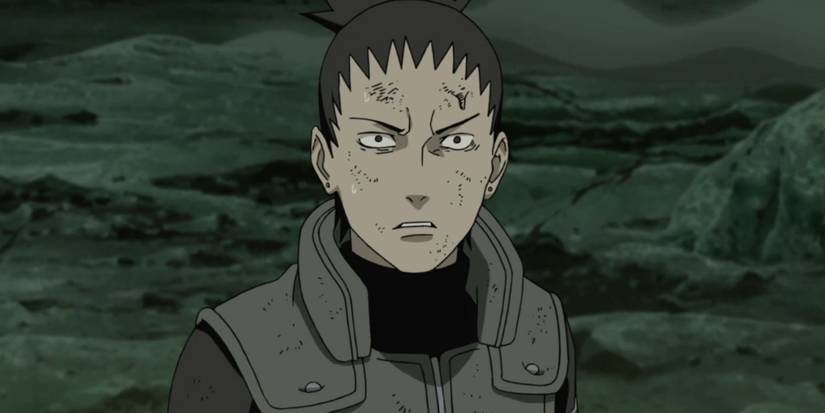
Shikamaru Nara seems like the ultimate slacker, always sprawled out on a rooftop, staring at clouds, grumbling that everything is “troublesome”. He dodges work. But put him in a real situation, and that lazy exterior vanishes. The series uses this to show how someone brilliant can still see most of life as more trouble than it’s worth.
Then Asuma dies by Hidan’s hand in front of him, and everything shifts. Shikamaru, who once avoided anything heavy, takes charge of the revenge mission, leads his team, and carries out the plan with cold focus. The grief forces him to grow up overnight, and he realises that the village, his friends, and the future matter enough to fight for.
He becomes one of the Hidden Leaf’s most trusted advisors. He moves from someone who watched life pass by to someone who steps in to protect it. Through Shikamaru, the story traces loyalty that runs deeper than complaints, the strength of a clear mind, and how real loss can turn even the most reluctant person into a duty-bound loyalist.
5
Jiraiya
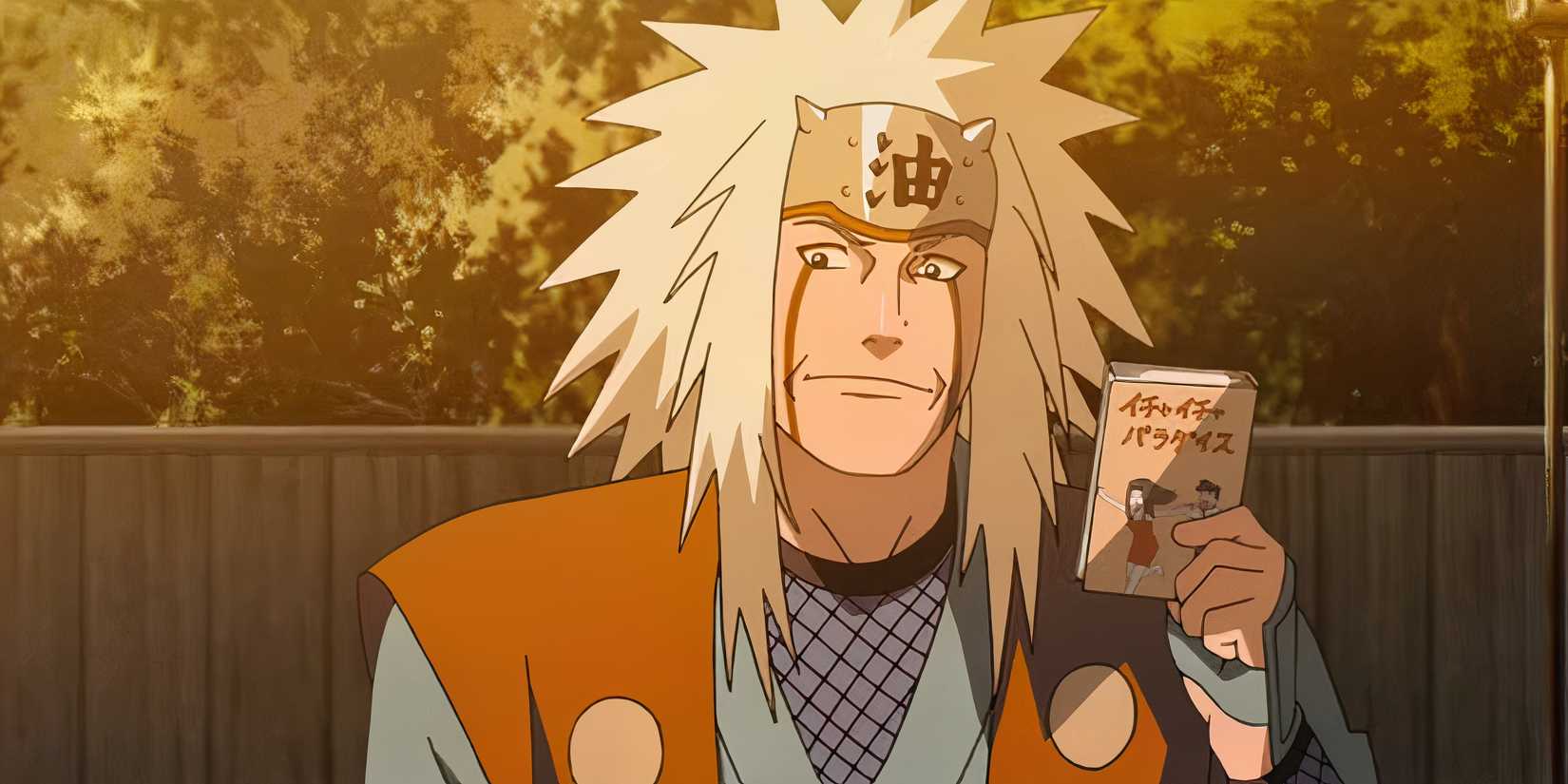
Jiraiya gives his whole life to hunting for a real answer to stop the wars that never end in the shinobi world. He hides behind loud laughs, endless flirting, and the cheesy novels he writes. However, inside, he carries sharp regret over students he could not reach, the ones who fell to darkness or died young because he failed them.
From the start, he sees Naruto as different. Jiraiya bets everything on him, believing this student might finally snap the chain of revenge that has cursed so many. He wanders as a spy, slipping through villages, collecting secrets, studying why leaders and fighters keep choosing blood over peace.
Jiraiya ranks among the most nuanced mentors in shonen. His death devastates, yet his words, writings, and faith in Naruto propel the story onward. Flawed, lonely, mistaken, and often foolish, Jiraiya persisted, placing hope in Naruto. This blend of humour, regret, and quiet sacrifice lends genuine heart, portraying a real man who bears his failures yet believes in brighter days.
4
Kakashi Hatake
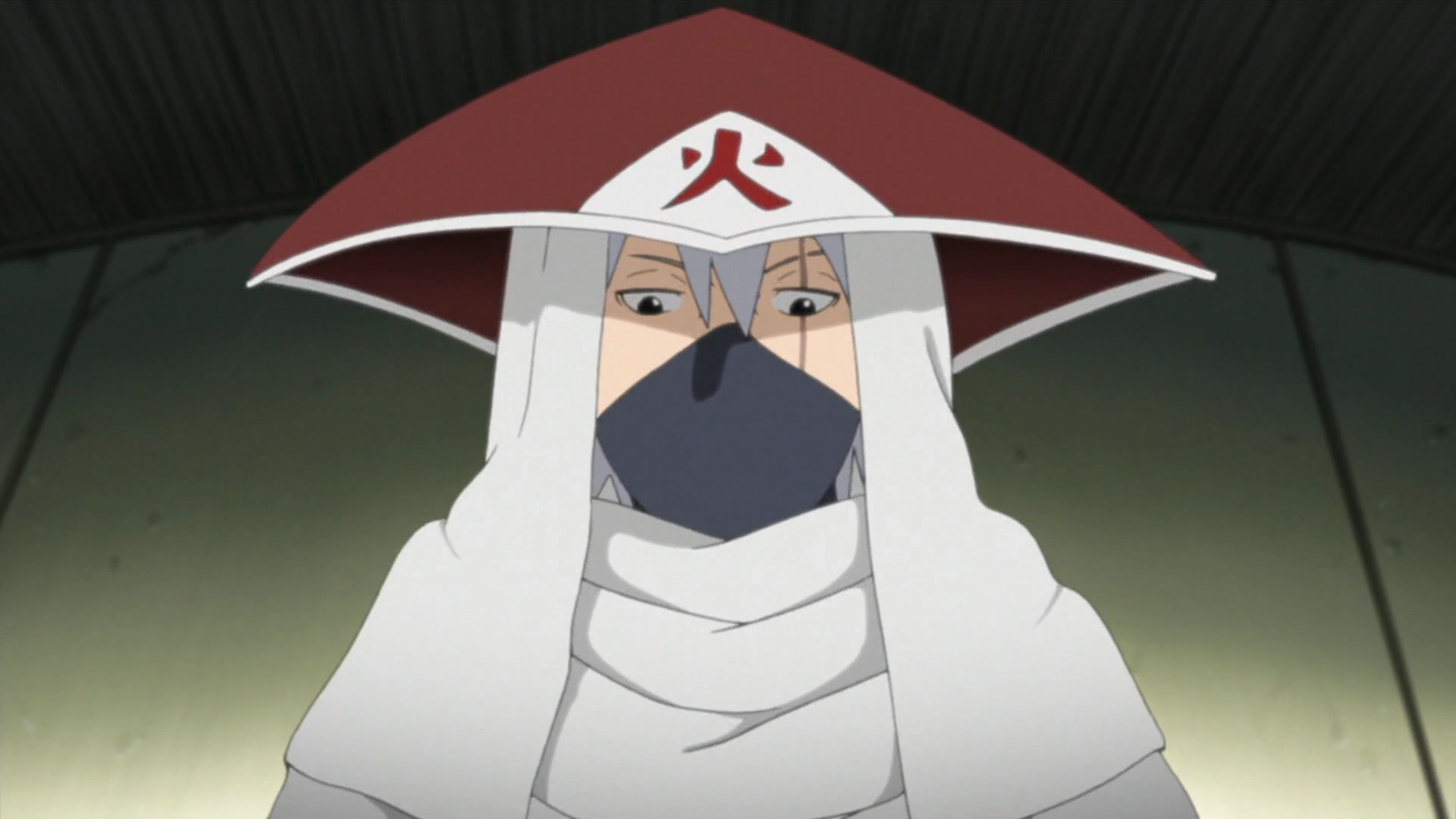
Kakashi Hatake carries the grief of losing nearly every person who ever mattered to him; his father, Obito, Rin was killed right in front of his eyes, and even his sensei, Minato. He covers grief with a tired half-smile and constant tardiness. Still, instead of letting it break him completely, he channels it all into ensuring the future of the next generation, particularly Team 7.
Watching his students fight, fail, grow, and sometimes almost destroy themselves slowly chips away at the walls he built. He starts letting himself care again, starts believing that looking out for others is a way to fix what’s been broken inside for years. By the time he steps into the Hokage’s office, he’s not the same guarded jonin anymore.
He becomes the steady link between what the village used to be and what it could still become. Through his whole arc, the series shows how loss can hollow a person out, how duty sometimes feels like punishment, and how quietly, stubbornly, new responsibilities and real connections can begin to pull a person back toward meaning and purpose.
3
Itachi Uchiha
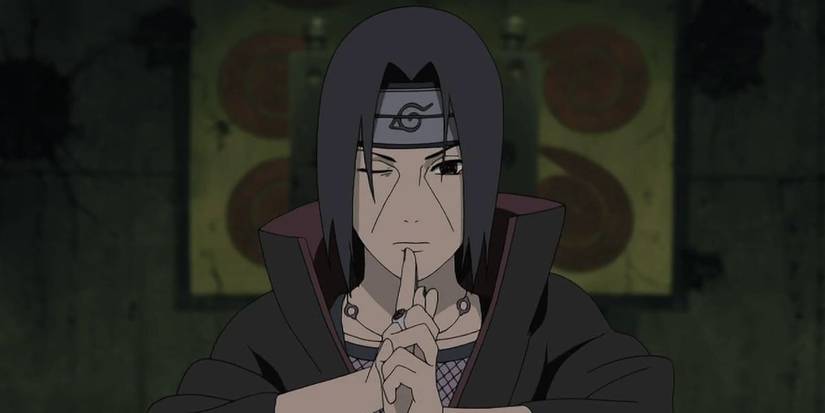
Itachi Uchiha is introduced as the man who slaughtered his entire clan, sparing only his younger brother Sasuke. To the village, he becomes a symbol of treachery, cruelty, ruthlessness, and beyond redemption. The truth that emerges much later is far heavier. He chose the path that preserved the greater peace, knowing he would be branded a monster forever.
Already dying from a wasting illness, Itachi hid his pain and purpose from everyone. He turned Sasuke’s love into hatred deliberately, pushing him to grow strong, to surpass him, to one day break the cycle of revenge that had destroyed their clan. He lived despised and alone, guarding the village from the shadows without ever asking for forgiveness or understanding.
His shadow reaches far beyond his grave, quietly steering Sasuke’s fate and forcing the story to reckon with what peace truly demands. Itachi becomes the example of hidden sacrifice: a man who carried unbearable guilt in silence, who chose the loneliest duty over personal redemption, and whose quiet courage showed the deepest acts of protection.
2
Sasuke Uchiha
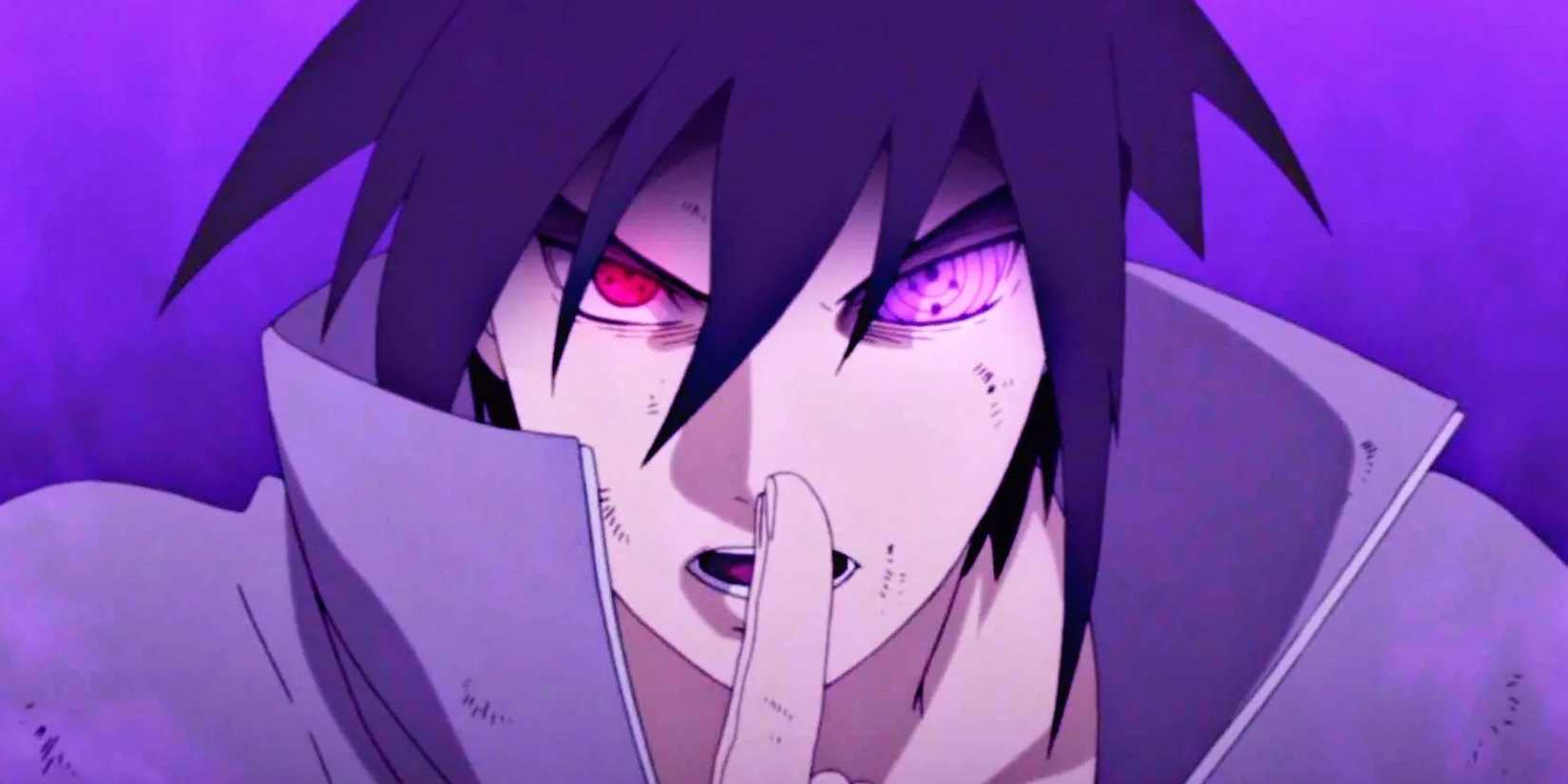
Sasuke Uchiha grows up carrying the crushing weight of his clan’s massacre, carried out by his own brother, Itachi, when he was only a child. That single night leaves him hollowed out, consumed by grief that quickly turns into a burning need for revenge and the power to achieve his plans. From then on, what the story shows is a radicalized teen with a burning obsession.
The story follows him closely as he wrestles with that inner war: a part of him that mourns his family clashes with his determination to grow strong enough to kill their murderer. Every step he takes down that dark road, leaving the village, joining dangerous allies, chasing forbidden strength forces him to face the real price of what he’s doing.
Eventually, the full truth about Itachi’s sacrifice hits him like a blow, and he questions everything he knew about vengeance, loyalty, and what real strength actually looks like. Through Sasuke’s arc, the writing fully depicts the depths to which rage can twist someone and how forgiveness is one of the hardest things a person can do.
1
Naruto Uzumaki
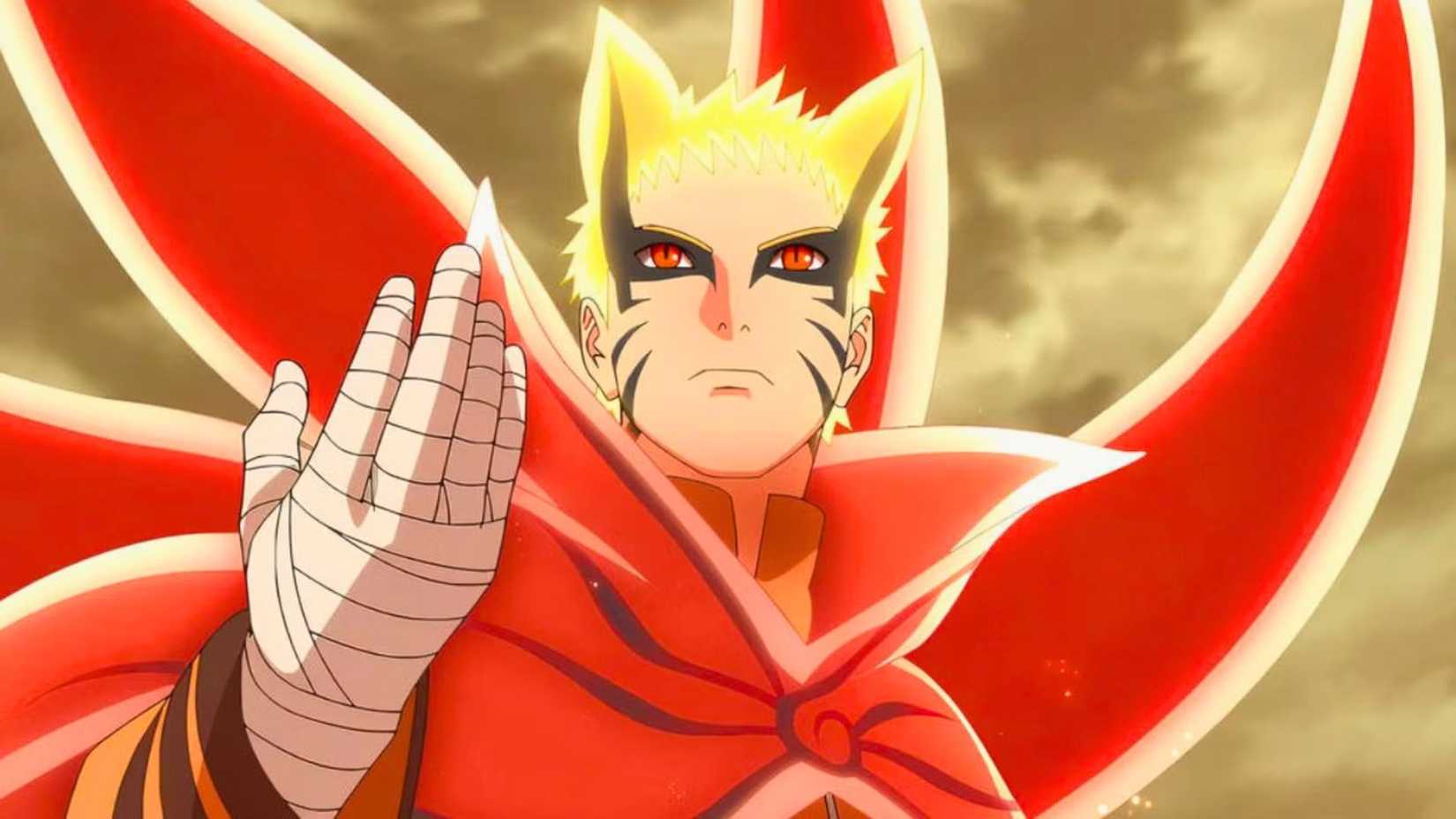
Naruto Uzumaki starts as an orphan whom everyone in the village fears because of the Nine-Tails fox sealed inside him. That one thing turns him into an outcast. People avoid him, whisper about him, and reject him. Despite this, he never gives up on his dream of becoming Hokage one day.
Over time, through brutal training sessions, slowly building real friendships, that loneliness hardens into something unbreakable inside him. He starts to understand people and feel what they’re going through, and that empathy lets him reach even the ones who used to be his enemies. Step by step, he breaks the cyclical chain of hate and revenge.
In the end, Naruto is living proof of what the whole story is really about. He embodies stubborn determination, never-losing hope, and the crazy idea that an unrelenting conviction will actually bend reality to one’s will.
Naruto
- Release Date
-
2002 – 2007-00-00
- Showrunner
-
Masashi Kishimoto
- Directors
-
Hayato Date
- Writers
-
Masashi Kishimoto