

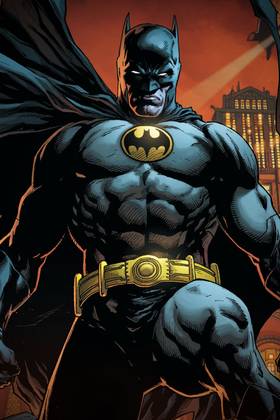
Batman’s unparalleled fame makes him a template for the urban vigilante archetype that creators across all media have felt compelled to parody and deconstruct. Hence, dozens of characters who resemble the Caped Crusader either willingly or accidentally have popped up throughout the decades.
These copycats are a testament to Batman’s influence. Their Dark Knight traits can be rearranged, color-swapped, or stripped down, and still resonate as a powerful narrative force in their own right.
10
The Knight Watchman
The Tick #7 (1988)
Reid Randall, better known as the Knight Watchman, fights crime in Midway City with his sidekick Kid Galahad. Like Batman, he’s a wealthy man motivated by a family tragedy who uses a gadget-filled belt to maintain order. The Knight Watchman is designed to be a living retrospective, with his stories shifting in tone from the whimsical, gadget-heavy Silver Age to the grim, deconstructed Dark Age seen in his retirement and eventual return.
The Knight Watchman allows creators to tell stories that feel like lost issues from the 1940s without the baggage of DC’s continuity. Though he lacks the mainstream fame and the iconic villains of the real Batman, the Knight Watchman provides a pure taste of what made different eras of comic books special. He acts as a bridge between the innocent optimism of the Golden Age and the cynical grit of the modern era.
9
Nighthawk
The Avengers #69 (1969)
Kyle Richmond is perhaps the most literal Batman of the Marvel Universe, specifically designed as a member of the Squadron Sinister and later Squadron Supreme to mirror the Justice League. Like Bruce Wayne, Kyle Richmond is a multi-billionaire playboy who uses his vast inheritance to fund a high-tech arsenal, including a specialized jet and bird-themed gadgets. His physical training is peak-human, and his cowl even features the familiar pointed ears, though his color palette leans into dark blues and silvers.
What makes Nighthawk unique is his journey from a privileged, somewhat arrogant criminal to a genuinely principled hero. While he lacks the rogues’ gallery that have cemented Batman’s influence for nearly a century, Nighthawk often tackles political and racial themes more overtly than Bruce Wayne. In various iterations, Richmond is portrayed as a Black man navigating a corrupt American system, a distinct perspective Bruce Wayne can’t access.
8
Black Noir
The Boys #3 (2006)
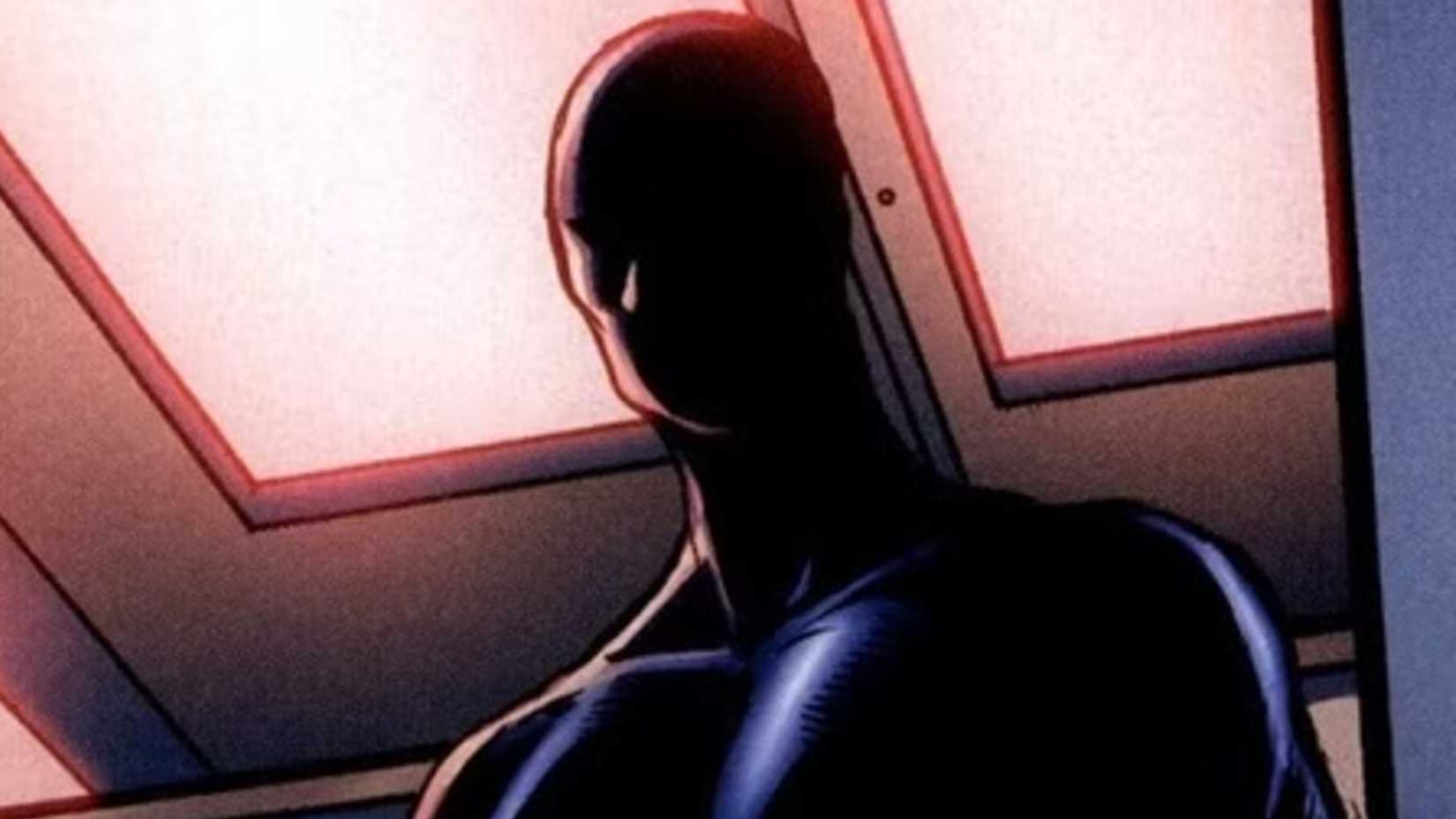
In the world of The Boys, Black Noir is the silent knight of the Seven. Visually, he’s the most direct homage, clad in all-black tactical armor with a full face mask and a reliance on stealth and martial arts. Like Batman, Black Noir is the team’s specialist in infiltration, often as the only member of the Seven who’s actually competent and disciplined. However, the similarities end at the surface; while Batman is a man of code and compassion, the original comic version of Black Noir is a nihilistic, depraved clone of Homelander.
Black Noir represents the Batman archetype stripped of all humanity and turned into a corporate weapon. He lacks the tragic but noble origin that makes Batman a hero people root for. What Black Noir arguably does better than Batman is the element of pure terror. Since he never speaks, his mere presence unsettles both his enemies and the readers. Still, while Bruce Wayne built his own empire to fight crime, Black Noir is tied to Vought International’s PR machine.
7
Catman
Detective Comics #311 (1963)
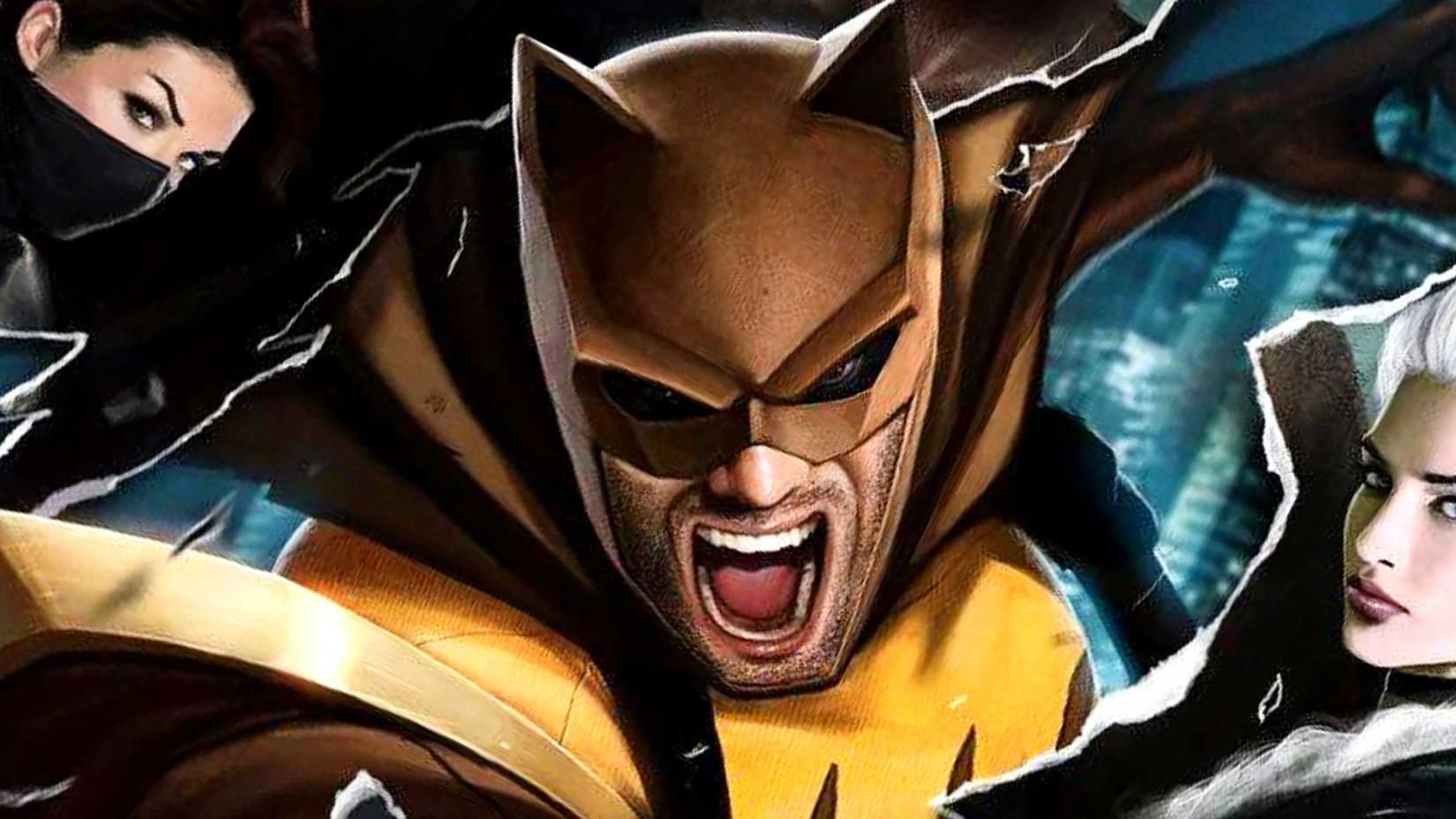
Originally a gimmick villain, Thomas Blake gradually evolved into a serious Batman mirror in the DC Universe. Catman is a world-class tracker and combatant who uses a Cat-mobile, Catarangs, and a utility belt. Blake lived among lions in Africa instead of training with ninjas in the Himalayas, but he also possesses a physical prowess that allows him to stand toe-to-toe with meta-humans. During his time with the Secret Six, Catman was even visually redesigned to look like a tan-and-brown version of the Caped Crusader.
Catman made his comic debut only one year after Spider-Man, Hulk, Thor, Ant-Man, and Doctor Doom.
Thomas Blake knows he started as a joke and spent years trying to earn his own respect. This makes him an especially relatable and vulnerable character, as he lacks the plot armor that often makes Batman feel invincible. While he lacks Batman’s massive supporting cast and countless appearances, Catman’s journey from a D-list knockoff to a respected anti-hero is a feat that would impress Batman himself.
6
Nemesis
Nemesis #1 (2010)
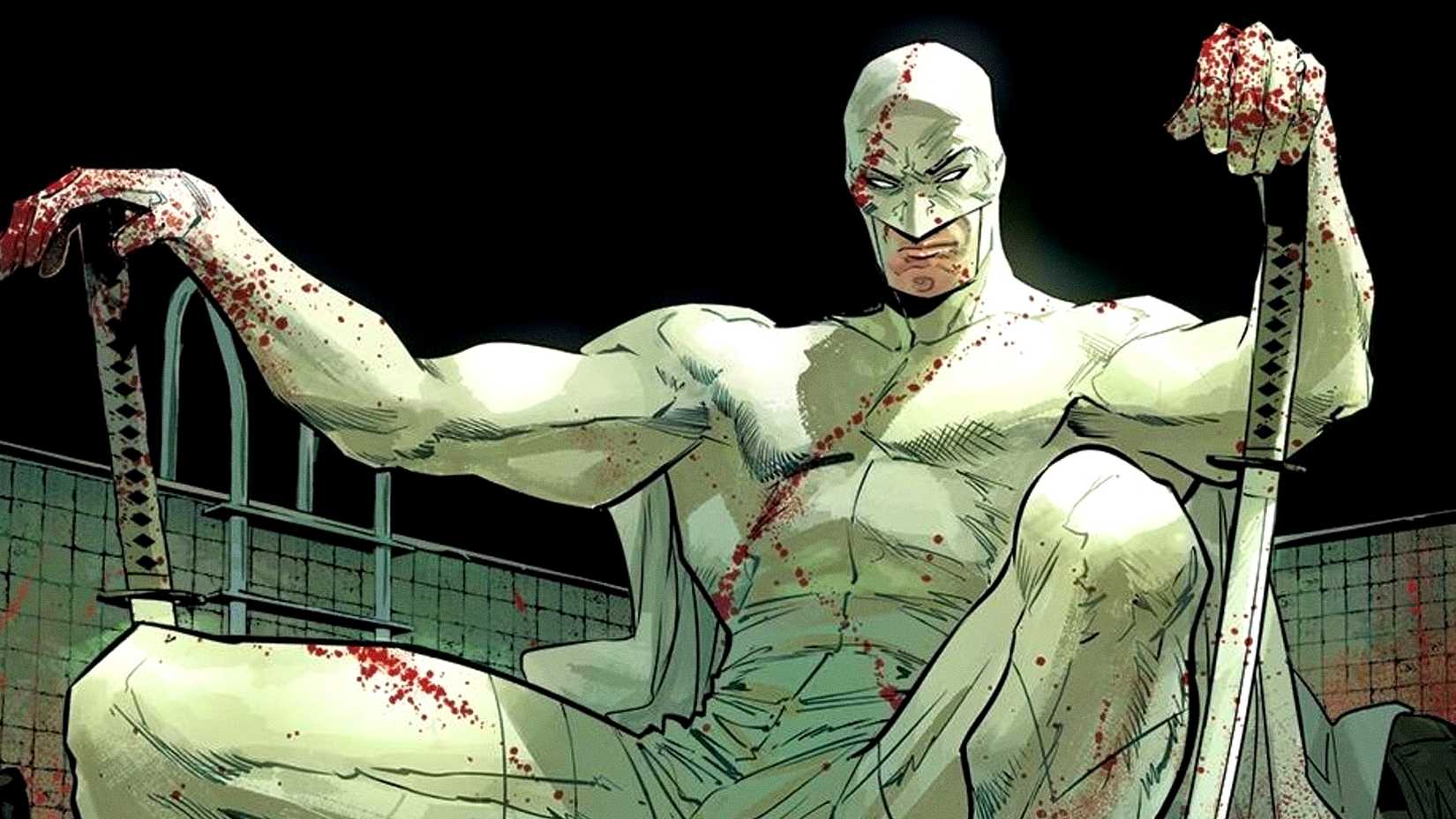
Created by Mark Millar at Icon Comics, Nemesis is essentially a what-if scenario for Batman that asks: “What if Batman was a total psychopath?” Visually, Nemesis is the Dark Knight’s photographic negative, clad in a sleek, all-white suit. He shares Bruce Wayne’s genius-level intellect, vast inherited wealth, and the ability to master any discipline through sheer force of will. But while Batman uses prep time to save lives, Nemesis uses it to orchestrate mass casualty events and psychological torture.
What’s more, Nemesis admits he commits his atrocities simply because he’s rich and bored. While Batman is the ultimate expression of order, Nemesis is a creature of pure organized chaos, similar to the Joker. He lacks the heroic spirit that allows Batman to inspire a city, and as a result, he remains a niche figure compared to the global icon he parodies. Notably, Nemesis showcases terrifying danger of an unregulated billionaire with an obsession in its full glory.
5
Nite Owl II
Watchmen #1 (1986)
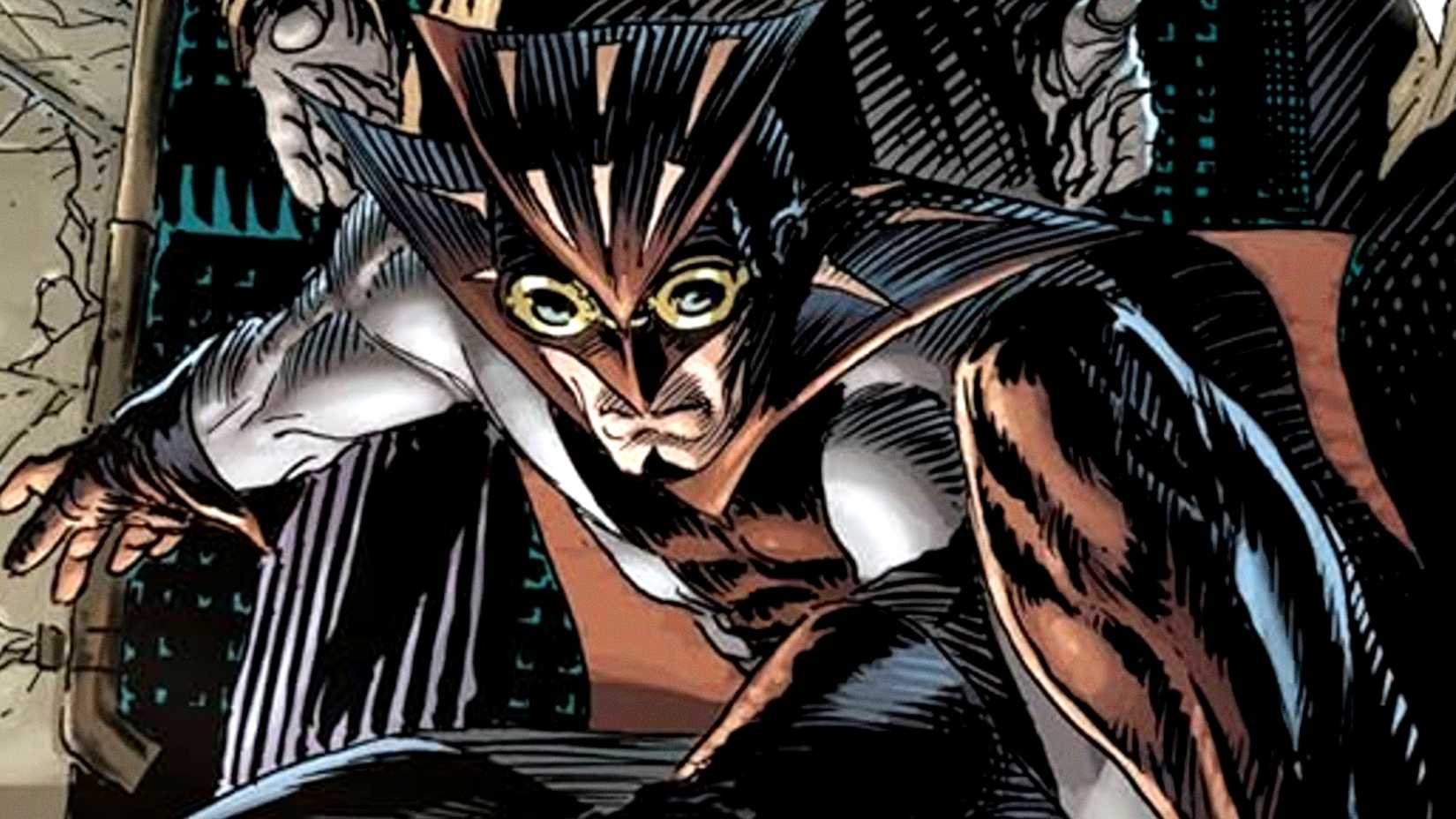
Daniel Dreiberg, the second Nite Owl, is a deconstruction of the Batman archetype through the lens of a mid-life crisis. Like Batman, Watchmen’s Nite Owl II is a tech-focused hero with a massive personal fortune, a secret underground lair, and an owl-themed airship. Both heroes rely on gadgets and martial arts rather than superpowers, but where Batman is an engine of vengeance, Dan is a hobbyist. Nite Owl II grew up idolizing the Golden Age heroes, and his costume is intentionally clunkier and more utilitarian than Batman’s.
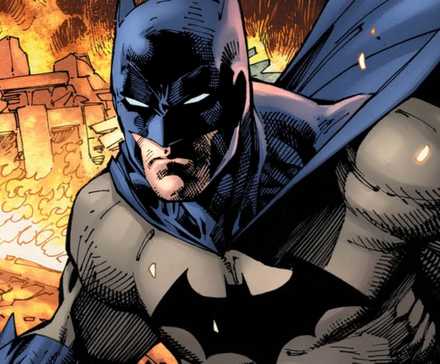
Batman Is Now Officially the Richest He’s Ever Been
Bruce Wayne is famously one of the richest characters in pop culture, but now Batman’s personal wealth is more extreme than ever before.
Nite Owl is painfully human in a way Bruce Wayne is rarely allowed to be. He struggles with impotence, weight gain, and the social awkwardness of a man who only feels alive when he’s wearing a mask. He lacks Batman’s indomitable willpower, and he often seeks validation from stronger personalities like Rorschach or Silk Spectre. Watchmen’s Nite Owl eventually realizes that his heroism is a coping mechanism, which makes him an especially relatable Batman.
4
The Confessor
Astro City #1 (1995)
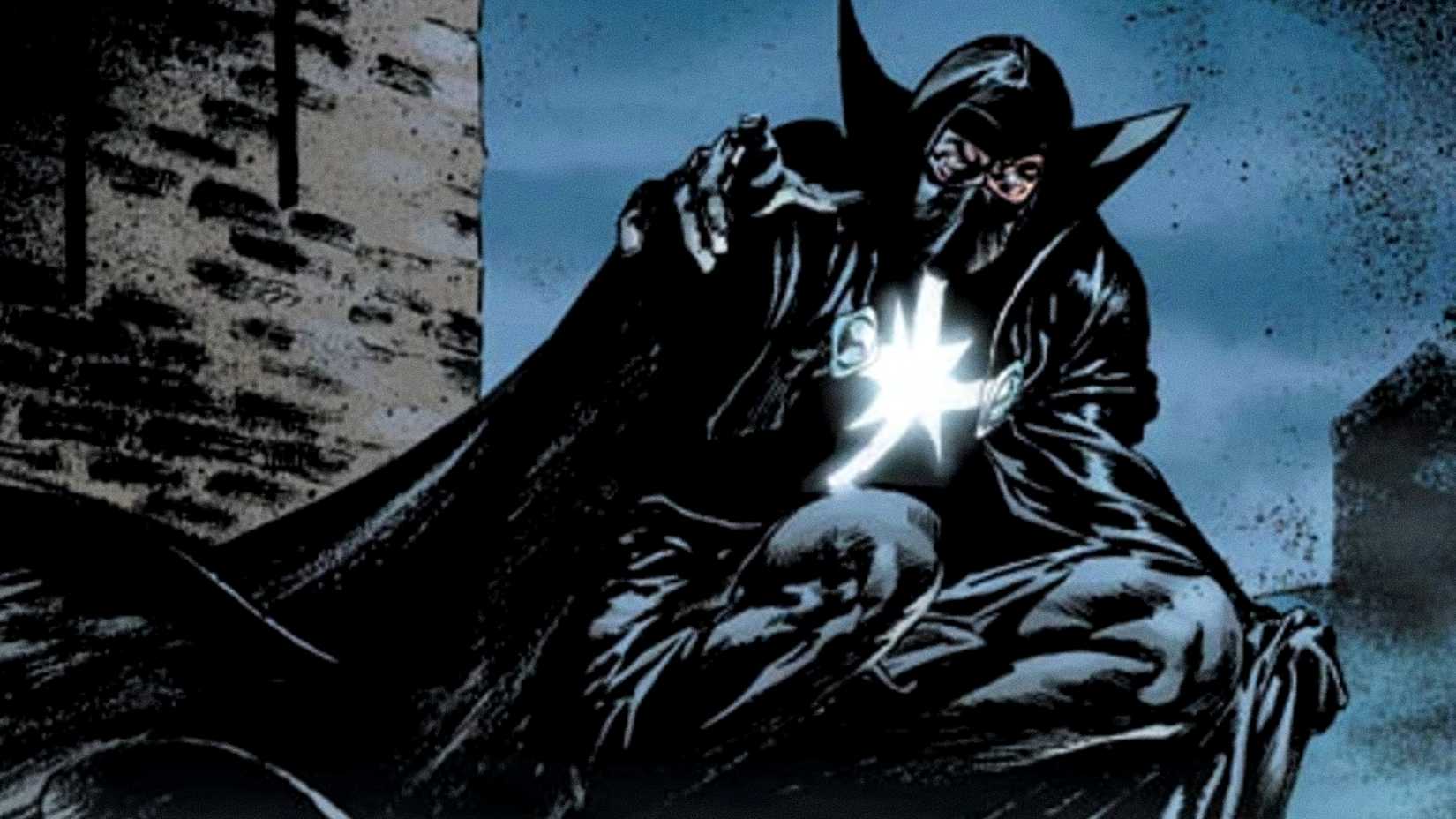
The Confessor is Kurt Busiek’s gothic answer to the Dark Knight, fighting crime in the shadowed peaks of Astro City’s Grandenetti Cathedral. Jeremiah Parrish shares the classic Batman hallmarks, including a terrifying nocturnal silhouette, a sidekick, and a reputation for being a cold, analytical detective who stays one step ahead of the law. Like Batman, the Confessor is a figure of myth who uses fear as a weapon, lurking in the architecture of his city to strike at the heart of the criminal underworld.
The twist that makes the Confessor unique is that he’s a nineteenth-century priest turned vampire. This secret adds a layer of literal darkness to the Batman trope, as he’s truly a creature of the night. The Confessor lacks Batman’s status as a public pillar of justice, as the city eventually turns on him once his vampiric nature is revealed. However, the Confessor explores the concept of penance not through a vow to his parents, but from a religious struggle for his own soul.
3
Midnighter
Stormwatch #4 (1997)
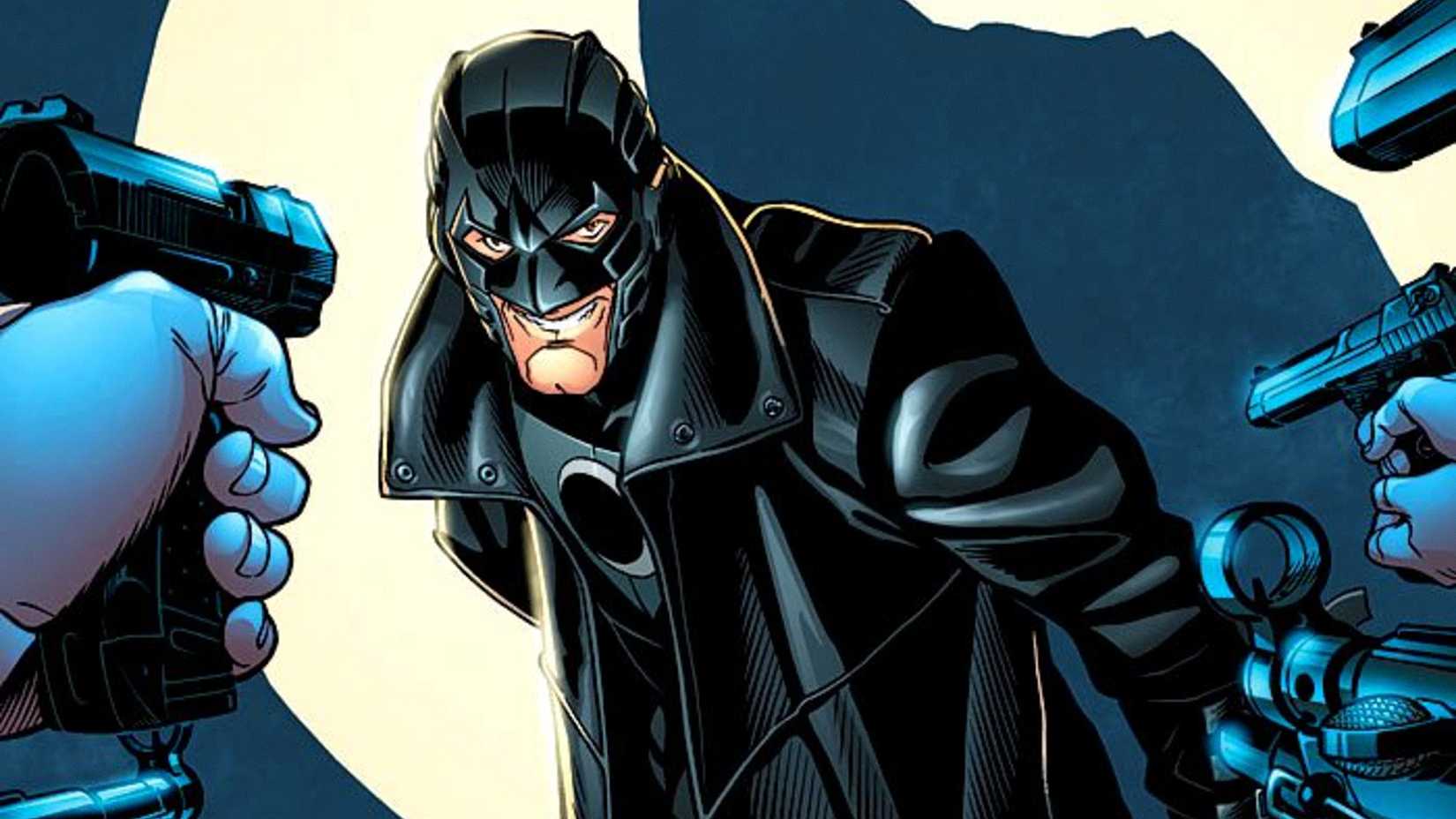
Midnighter is often colloquially dubbed “the Batman who kills,” and for good reason, as his entire existence is a hyper-violent escalation of the Dark Knight’s crusade. Originally a member of the Authority, Midnighter shares Batman’s brooding demeanor and all-black aesthetic. However, the difference lies in their biology. While Bruce Wayne is a self-made peak human, Midnighter is a product of clandestine genetic engineering. He possesses a combat computer in his brain that allows him to play out a fight millions of times in his head before it even begins.
Unlike Bruce Wayne, Midnighter views his war on crime as a vocation he genuinely enjoys. Lucas Trent lacks Batman’s no-kill rule and oftens wisecracks while murdering his enemies. On the other hand, Midnighter is one of DC’s most prominent gay icons, and his stable, loving marriage to the Superman-analogue Apollo offers a level of personal fulfillment that the perpetually lonely and paranoid Bruce Wayne has never quite mastered.
2
Moon Knight
Werewolf by Night #32 (1975)
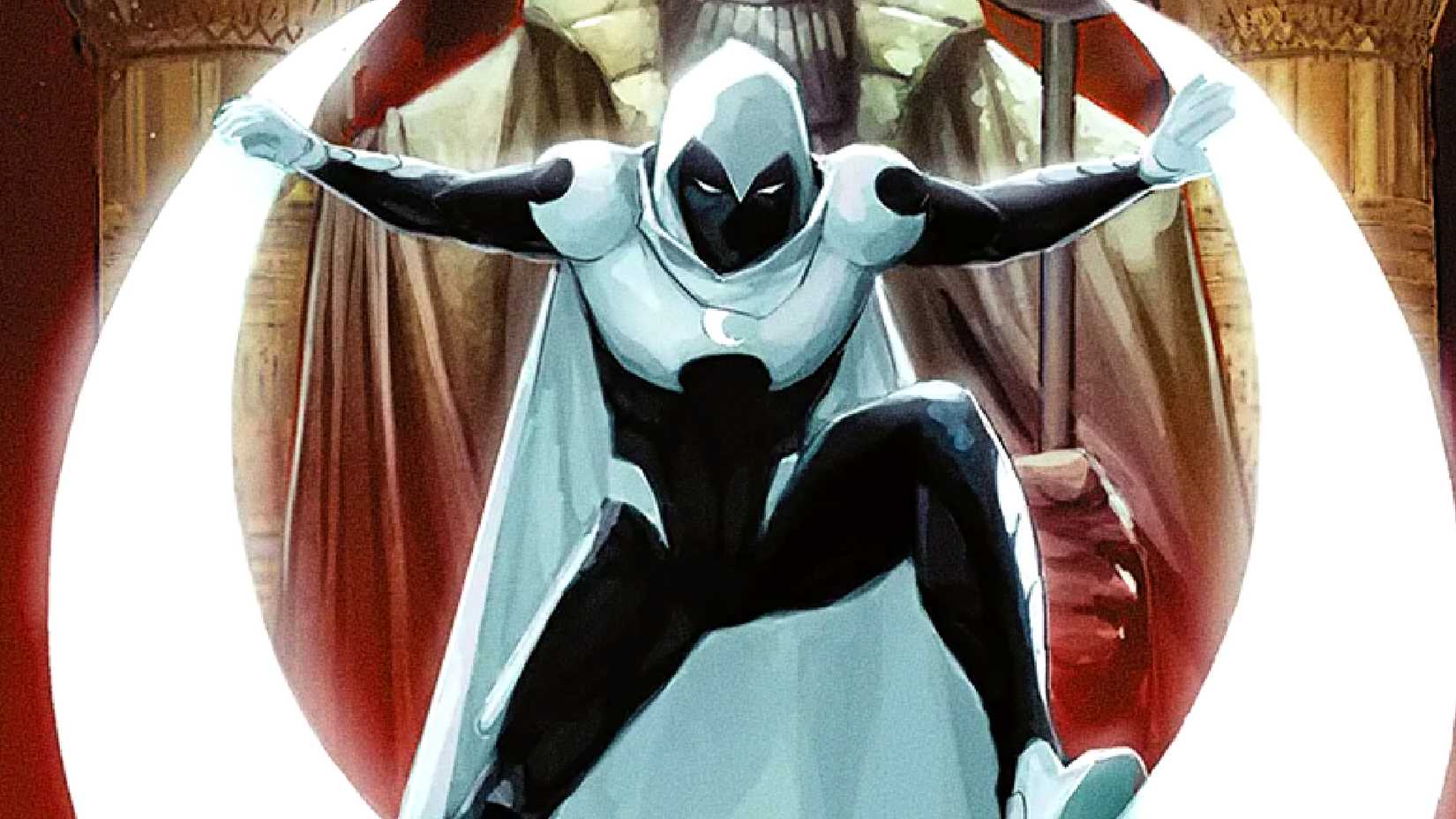
Moon Knight is arguably Marvel’s most famous Batman parallel. The wealthy Steven Grant owns a moon-shaped jet, a themed costume, and a vast array of high-tech gadgets like crescent-shaped boomerangs. Both characters are nocturnal vigilantes who use fear as their primary weapon and rely on a cape to create a terrifying silhouette. In his early years, the comparison was so direct that artists like Bill Sienkiewicz intentionally drew Marc Spector in a style reminiscent of Neal Adams’ iconic Batman.
Where Batman is a man of logic and science, Moon Knight is the avatar of an ancient Egyptian god, Khonshu. For Moon Knight, his playboy persona isn’t just a mask, but a distinct personality vying for control of his body. Batman’s mental health is usually depicted as a superpower, whereas Moon Knight’s struggles are depicted with messy realism. And curiously, Moon Knight wears white not to hide, but so his enemies see him coming.
1
Daredevil
Daredevil #1 (1964)
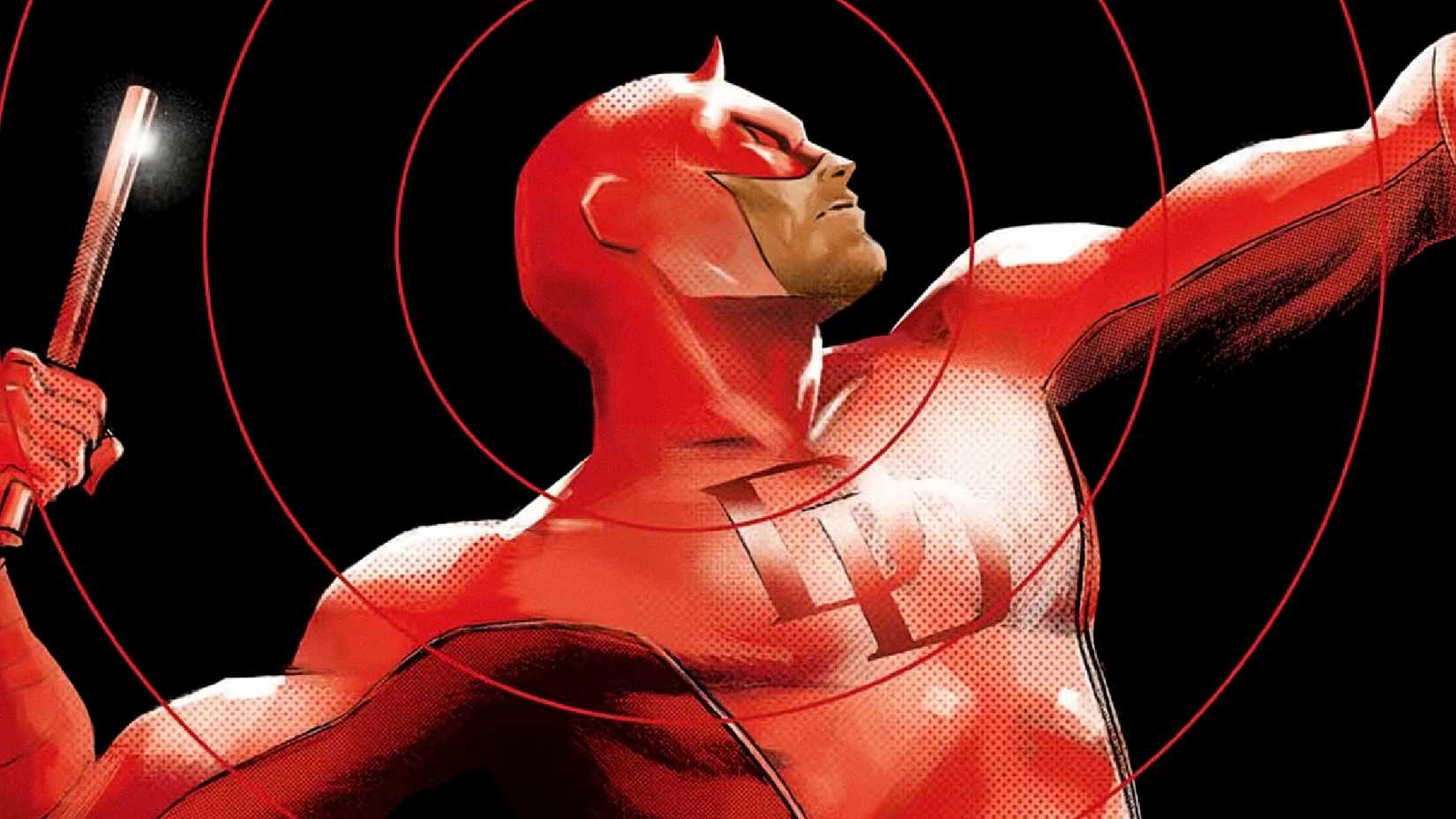
Though he lacks the wealth and the gadgets, Daredevil is often considered Batman’s true thematic rival in the Marvel Universe. Both are driven by the loss of a father figure to street crime and work in the grittiest, most corrupt corners of their respective cities. They share a strict no-kill moral code and are defined by their mastery of martial arts. Visually, Daredevil’s horns and cowl mirror Batman’s ears, and both heroes spend their nights haunting rooftops to deal out justice with their bare hands.
Frank Miller’s influence on both characters in the 1980s further cemented Batman and Daredevil’s shared guilt and their cities’ decay. However, Daredevil possesses a distinct working-class perspective as a lawyer who struggles to pay rent and frequently gets battered within an inch of his life. Matt Murdock lacks the plot armor of Bruce Wayne’s infinite resources, which makes his victories feel significantly more desperate and earned.
Who’s your favorite Batman mirror?
- Created By
-
Bob Kane, Bill Finger
- FIRST APP
-
Detective Comics #27 (1939)
- Alias
-
Bruce Wayne
- Alliance
-
Justice League, Outsiders, Batman Family
- Race
-
Human
- Franchise
-
D.C.