

Isekai is a landscape of extremes, anchored by global juggernauts like Sword Art Online and Re:Zero, which lead a genre that has gradually pivoted into pure absurdity. The reincarnation trope has been pushed to its absolute breaking point with series like Reborn as a Vending Machine and Reincarnated as a Sword. As long as there’s another world to travel to, there’s a weird, high-concept way to get there.
While modern isekai hits dominate the conversation, there’s a treasure trove of older and not-so-older titles that offer sophisticated world-building and genuine emotional stakes that put current overpowered-hero phenomena to shame.
3
Demon Lord Retry!
(2019)
Demon Lord, Retry! centers on Akira Ōno, a game developer who’s transported into his own creation as his avatar, the Demon Lord Hakuto Kunai. Kunai treats his new world like a complex management sim, eventually focusing on building a high-end hot spring resort to fund his operations. Its unique twist lies in its Manager system, where Kunai can summon other high-level characters to act as subordinates. The dialogue is sharp and the character chemistry is top-tier, though the series is hampered by a low-budget animation style.Upon release, many viewers dismissed Demon Lord, Retry! as a low-quality Overlord clone, missing the dry wit and corporate management subversions that make it unique. In a 2019 market that was being redefined by the high-budget spectacle of Demon Slayer, a show with static animation and a cigar-chomping protagonist had a difficult time finding an audience. Demon Lord, Retry! remains a victim of its own production values, which hide one of the genre’s most interesting scripts behind a dated visual shell.Kemono Michi: Rise Up(2019)
From the creator of Konosuba comes the absurdist comedy Kemono Michi, which suplexes the typical summoned hero trope into the dirt. Pro-wrestler and obsessive animal lover Genzo Shibata is summoned to a fantasy world to slay magical beasts. Instead of following orders, Genzo gives the princess a German Suplex and opens a monster-themed pet shop. Kemono Michi‘s relentless commitment to its bizarre premise makes it unique, though its repetitive gag structure can be a minor flaw.Kemono Michi hasn’t achieved the legendary status of its sibling series Konosuba mostly because of its highly specific brand of humor. While Konosuba parodies RPG mechanics, Kemono Michi parodies the very concept of heroism through the lens of niche pro-wrestling. This weirdness factor creates a high barrier to entry for many who may not appreciate the gags.
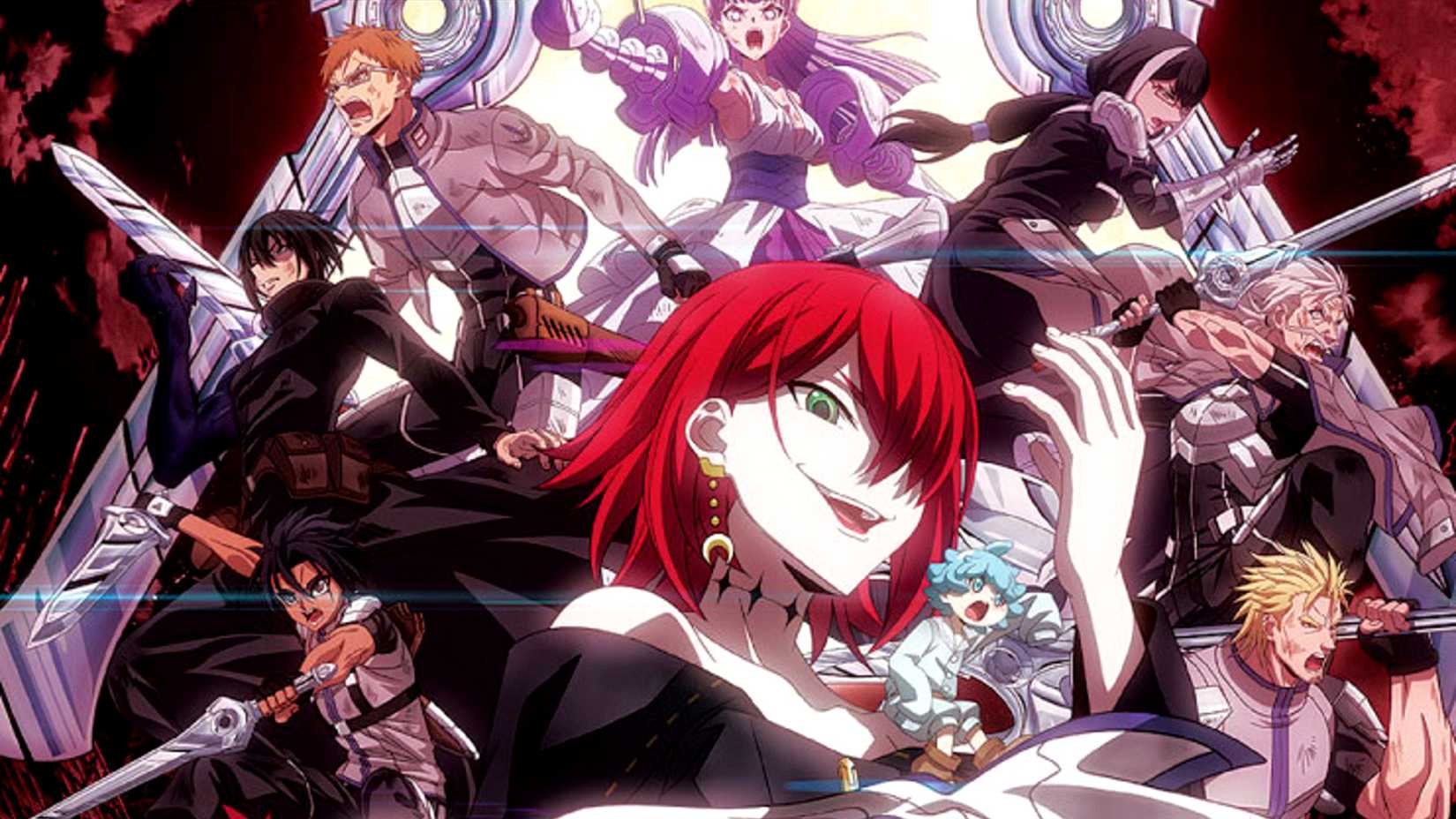
Ragna Crimson reimagines the temporal isekai trope with a focus on high-octane destruction and apocalyptic stakes. The lower-tier dragon hunter Ragna is suddenly granted the memories and overwhelming power of his future self, who has lived through a dragon-led extinction event. This self-merge acts as an alternate-timeline power-up that turns Ragna into a force of nature. While the animation occasionally struggles to keep up with the manga’s hyper-detailed art, Ragna Crimson‘s choreography and sheer energy of the battles make it a standout for fans of high-stakes fantasy.Despite its recent release, Ragna Crimson is struggling to maintain a foothold in the mainstream conversation due to a crowded 2023-2024 release window. Debuting alongside juggernauts like Frieren: Beyond Journey’s End and Solo Leveling, Ragna Crimson‘s gritty appeal was somewhat buried by bigger names that dominated the season. Its unique time travel hook is often misclassified as standard dark fantasy, which causes it to miss the general isekai audience.
2
1
Shakugan No Shana
(2005)
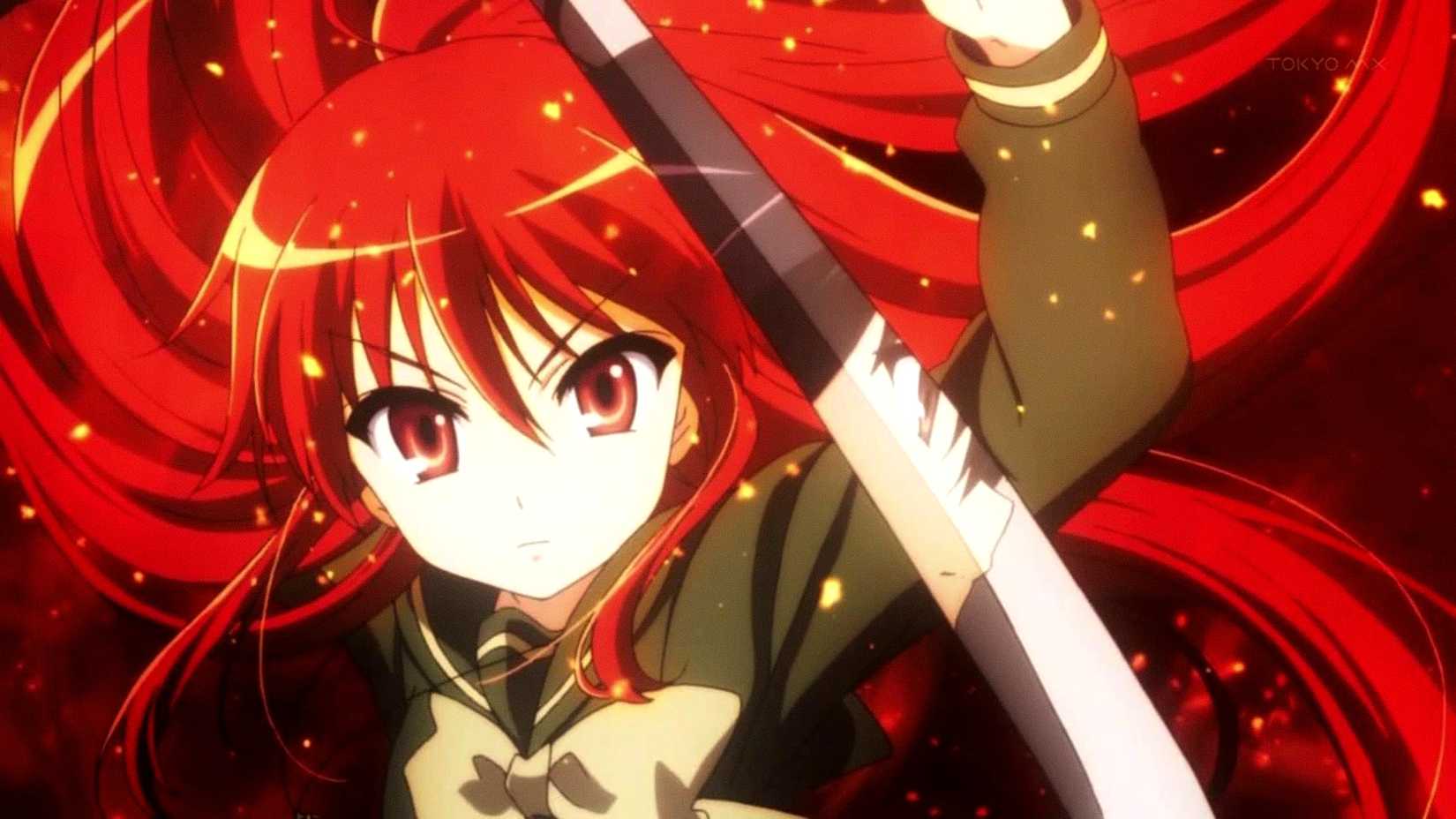
Long before truck-kun became a meme, Shakugan no Shana set the gold standard for the urban isekai subgenre when it merged the mundane world with the terrifying Crimson Realm. Shakugan no Shana centers on Yuji Sakai, a high schooler who discovers he’s a Torch, carrying a fragment of existence that will eventually fade; and the titular Shana, a Flame Haze who hunts soul-consuming Denizens. The execution is masterful, with a tragic romance that complements a complex magic system and a meticulous world-building.
The Greatest Isekai Anime Of All Time Is An Underrated Series That Deconstructs The Entire Genre
Isekai is a diverse genre, but the greatest isekai ever is a subversive gem that has a lot to say about youth and the issues facing young people.
Shakugan no Shana focuses on the intersection of worlds rather than a permanent move to a fantasy kingdom, so it’s often associated more with supernatural battle shonen than with other isekai titles. Its sheer length, spanning three seasons and seventy-two episodes, also acts as a barrier to entry for modern viewers who may be accustomed to 12-episode seasonal bites. Still, it’s among the most notable, long-running isekai series of the 2000s.
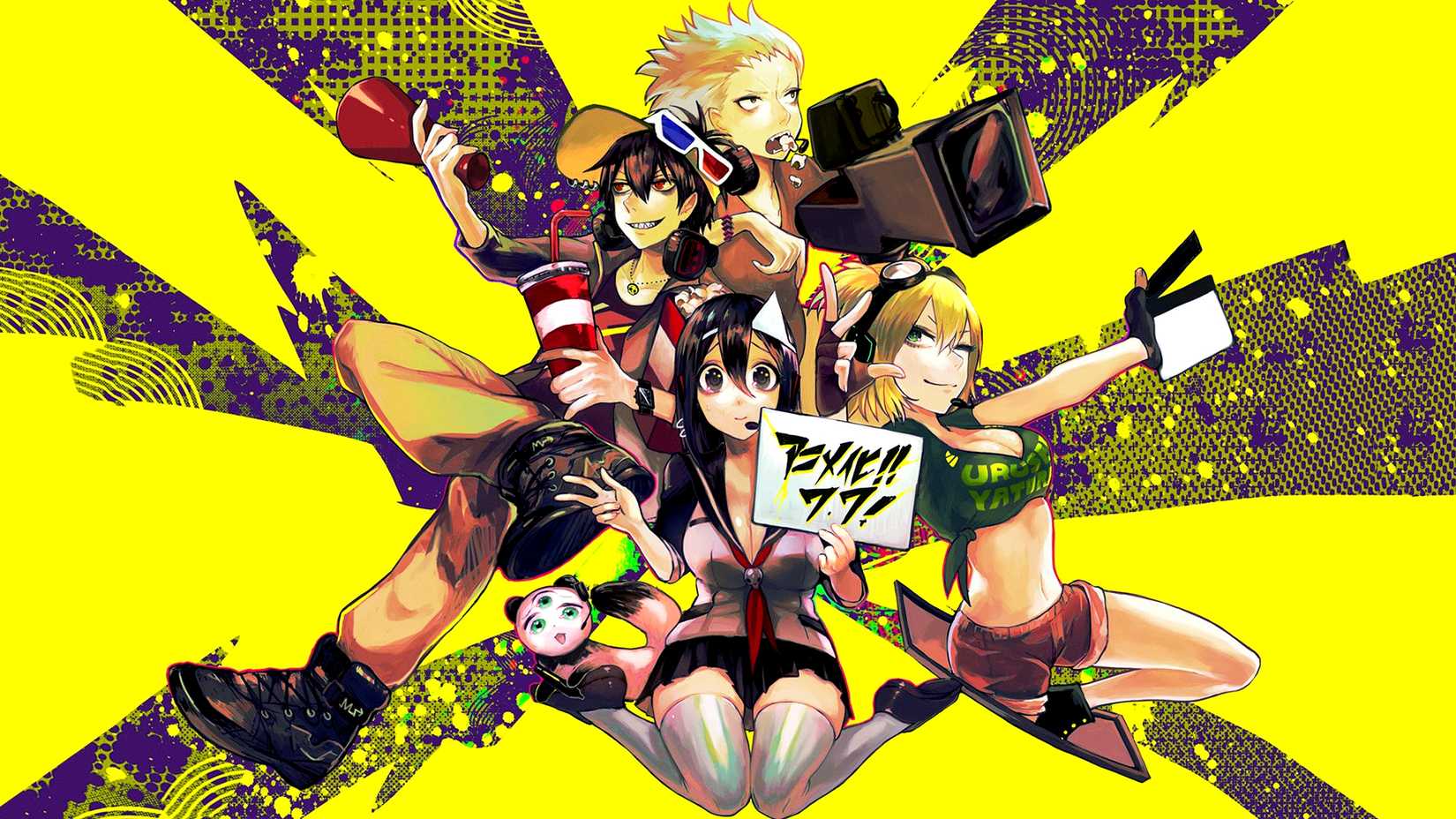
Blood Lad is a neon-soaked, high-energy subversion of the isekai genre that trades traditional fantasy landscapes for a gritty, punk-rock Demon World. The story follows Staz Charlie Blood, a powerful vampire territory boss who’s secretly a massive human otaku. When a Japanese girl named Fuyumi accidentally wanders into his realm and is promptly eaten by a carnivorous plant, Staz vows to find a way to resurrect her so he can finally visit the Human World he idolizes. The series excels due to its vibrant art style and its refusal to take itself too seriously. Despite its critical acclaim and unique aesthetic, Blood Lad remains a one-season wonder that has largely faded from the public consciousness. Its struggle for longevity stems primarily from its truncated ten-episode run and an abrupt ending. Released just as the modern isekai boom was beginning to take shape, its punk-inflected sensibilities were eventually overshadowed by more standard medieval fantasies. Still, Blood Lad’s short, chaotic, and highly-stylized run is something every isekai fan should try.
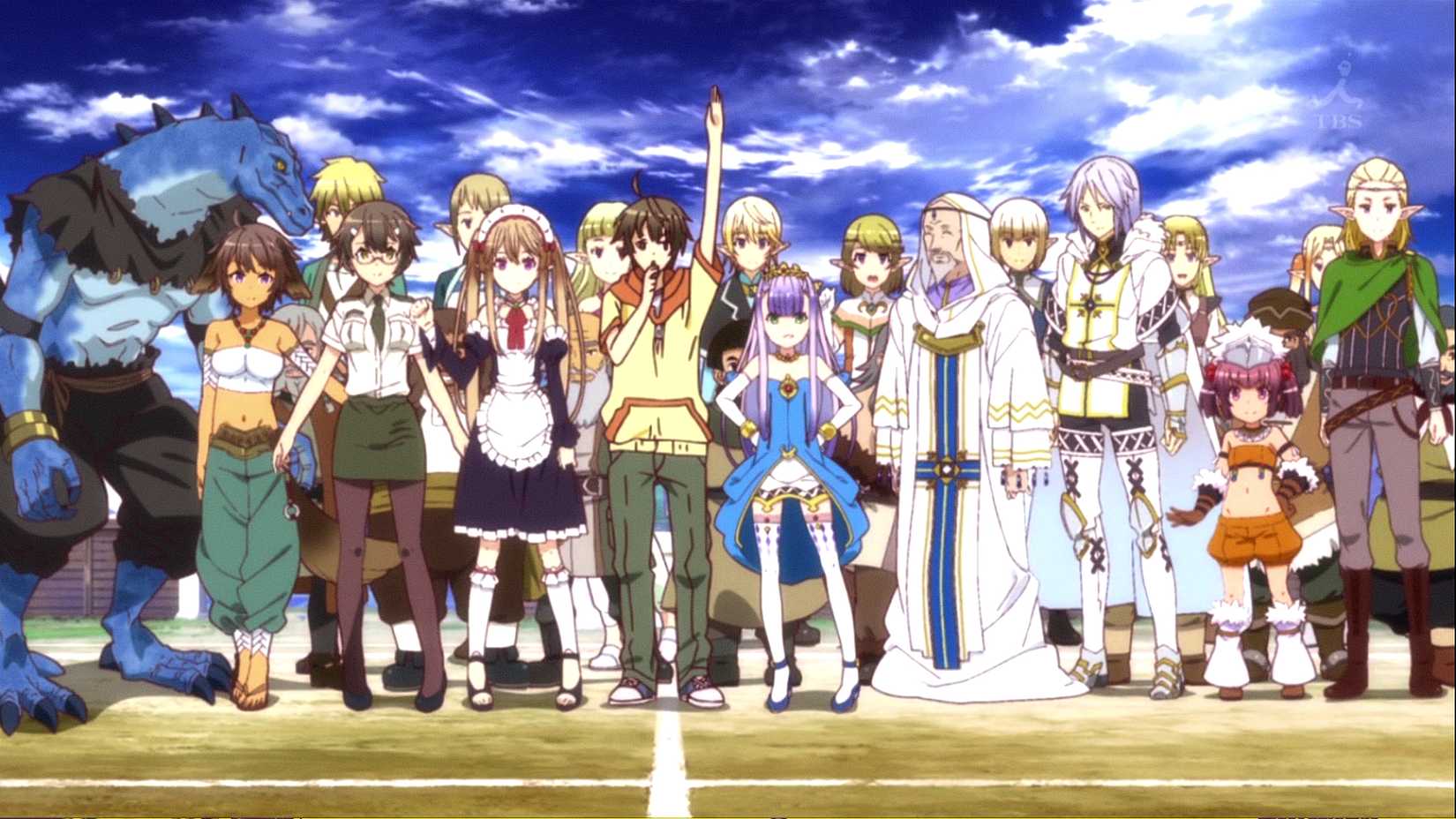
Outbreak Company is a brilliant satirical take on the isekai genre. The story follows anime and manga expert Shinichi Kanou, who’s isekai’d by the Japanese government to the Eldant Empire to act as an otaku missionary. Unlike typical isekai, Outbreak Company focuses on the social and political ramifications of introducing modern entertainment to a feudal society. The execution is surprisingly nuanced, as it balances hilarious gags with poignant moments of social commentary, though the occasional fan-service can sometimes distract from its main themes.On the surface, Outbreak Company looks like a generic harem isekai, which likely led many serious viewers to skip it. However, it actually requires an understanding of Japanese societal pressures. As the genre shifted toward much more out-there concepts, the nuanced political satire of Eldant was pushed to the periphery, leaving this clever critique of the medium to become a forgotten relic of the early 2010s.
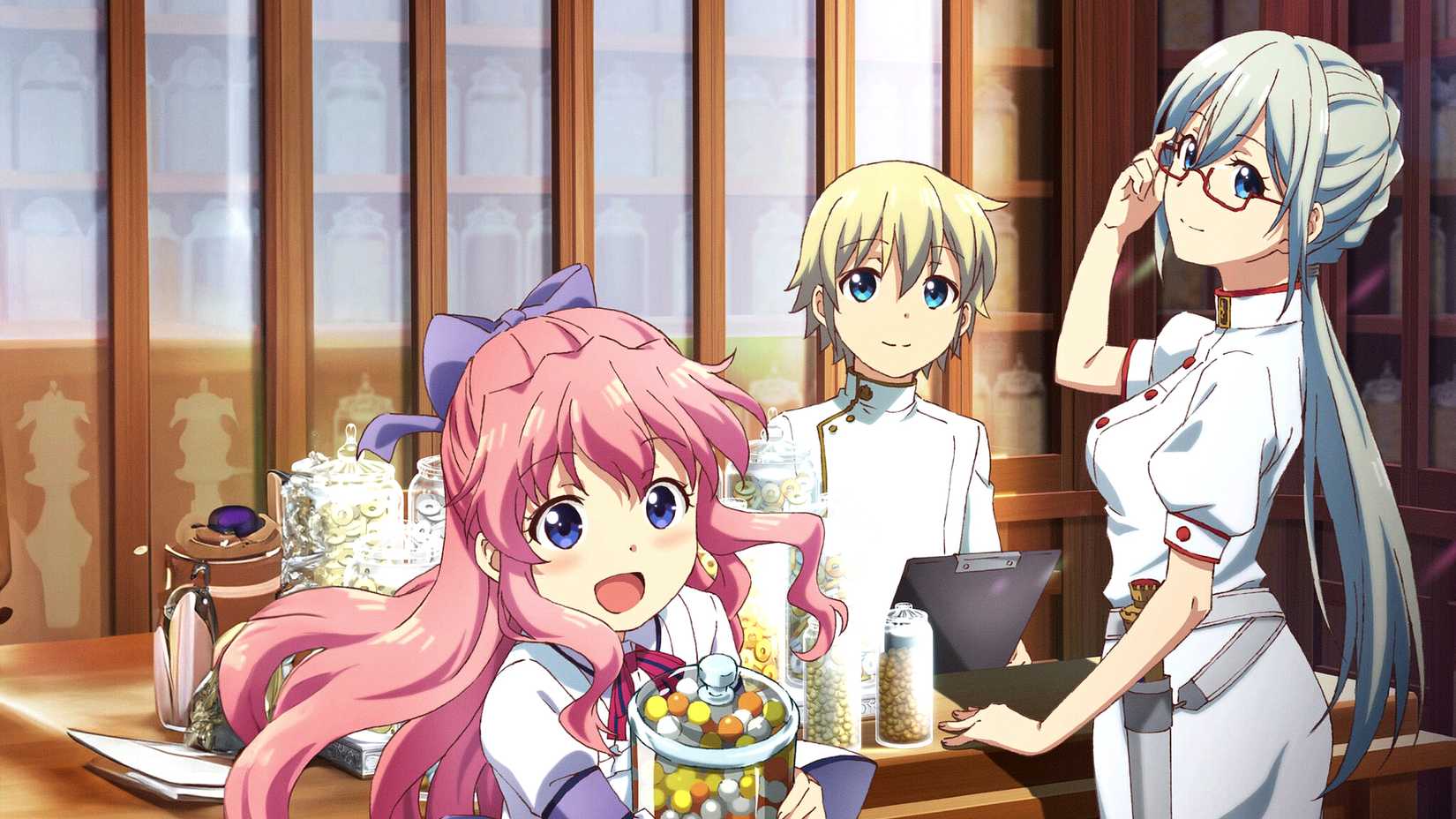
In Parallel World Pharmacy, a world-class pharmacologist dies from overwork and awakens in the body of Falma de Médicis, a young apprentice in a world where healing is largely restricted to the nobility and based on superstitious divine arts. Falma uses his modern knowledge of molecular chemistry and his unique ability to create and delete elements to revolutionize public health, fighting everything from the Black Death to corrupt medical guilds. This show is at its best when it treats medicine as a mystery to be solved, though its pacing occasionally rushes.Despite its high quality, Parallel World Pharmacy is often overlooked because it lacks the power-up adrenaline that fuels most isekai success stories. Because the stakes are centered on public health and pharmaceutical logistics instead of world-ending battles, Parallel World Pharmacy struggles to be as eye-catching as most isekai titles. Its Summer 2022 release placed it directly against heavy-hitters like Made in Abyss and Overlord, which caused its intellectual brilliance to be overshadowed by the loud, high-fantasy dramas of the season.
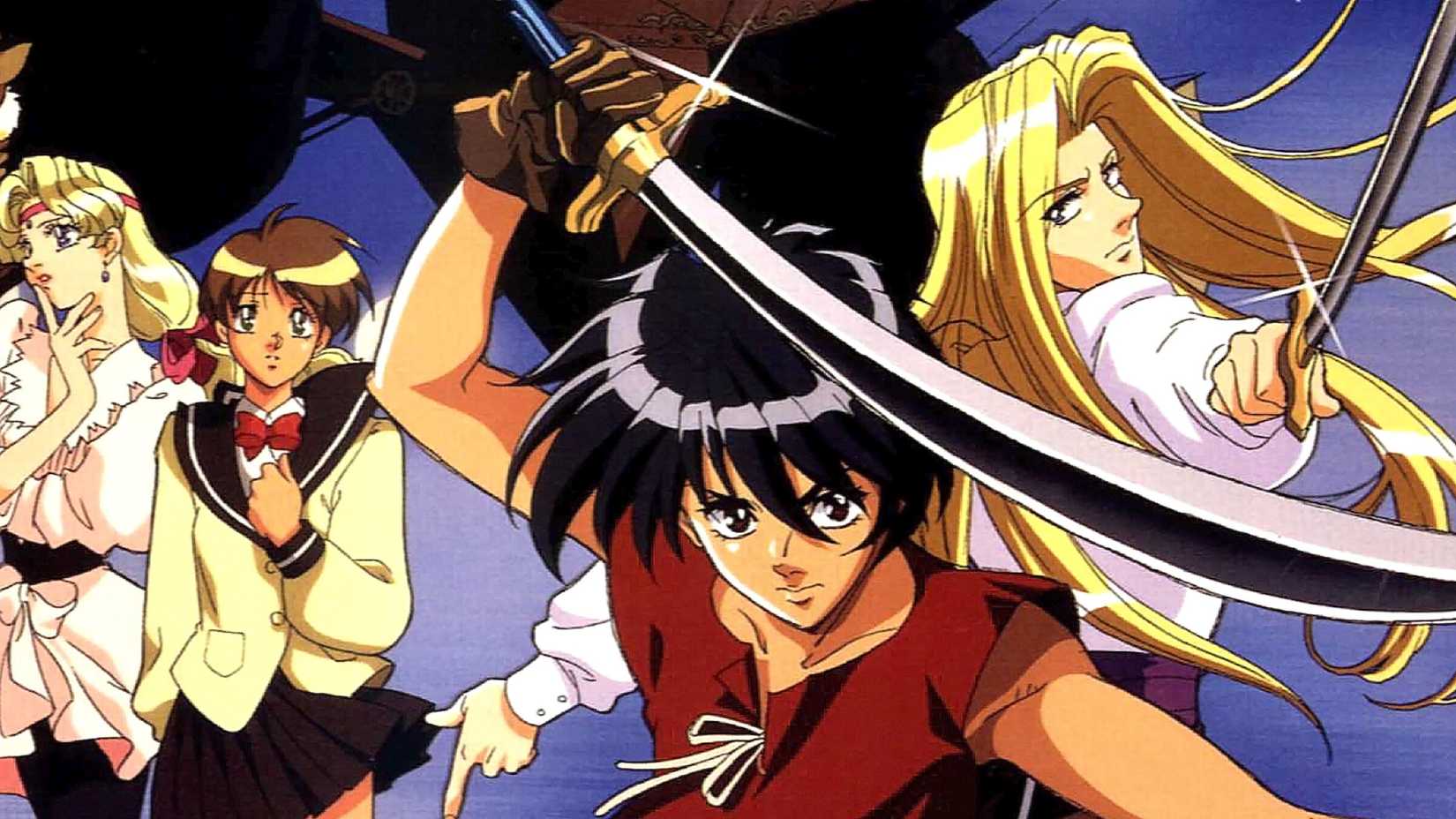
The Vision of Escaflowne is the pinnacle of ’90s hand-drawn animation. Tarot-reading high school girl Hitomi Kanzaki is transported to the world of Gaea, where the Earth hangs in the sky as a Mystic Moon. Fusing mecha combat with Greek mythological influences and a grand, apocalyptic narrative, The Vision of Escaflowne is an unmissable sensory experience, further elevated by Yoko Kanno’s legendary score. Its unique twist involves the Escaflowne itself, a dragon-transforming mecha that requires a blood pact with its pilot. While it was a massive hit in the late ’90s, the current isekai audience is largely composed of younger fans who equate the genre with the light novel adaptations of the 2010s. The Vision of Escaflowne‘s heavy focus on romance and tarot-driven fate is also too distant from the video game logic of modern isekai. It’s a lost classic that suffers from a lack of streaming availability and the shadow of more accessible mecha hits.
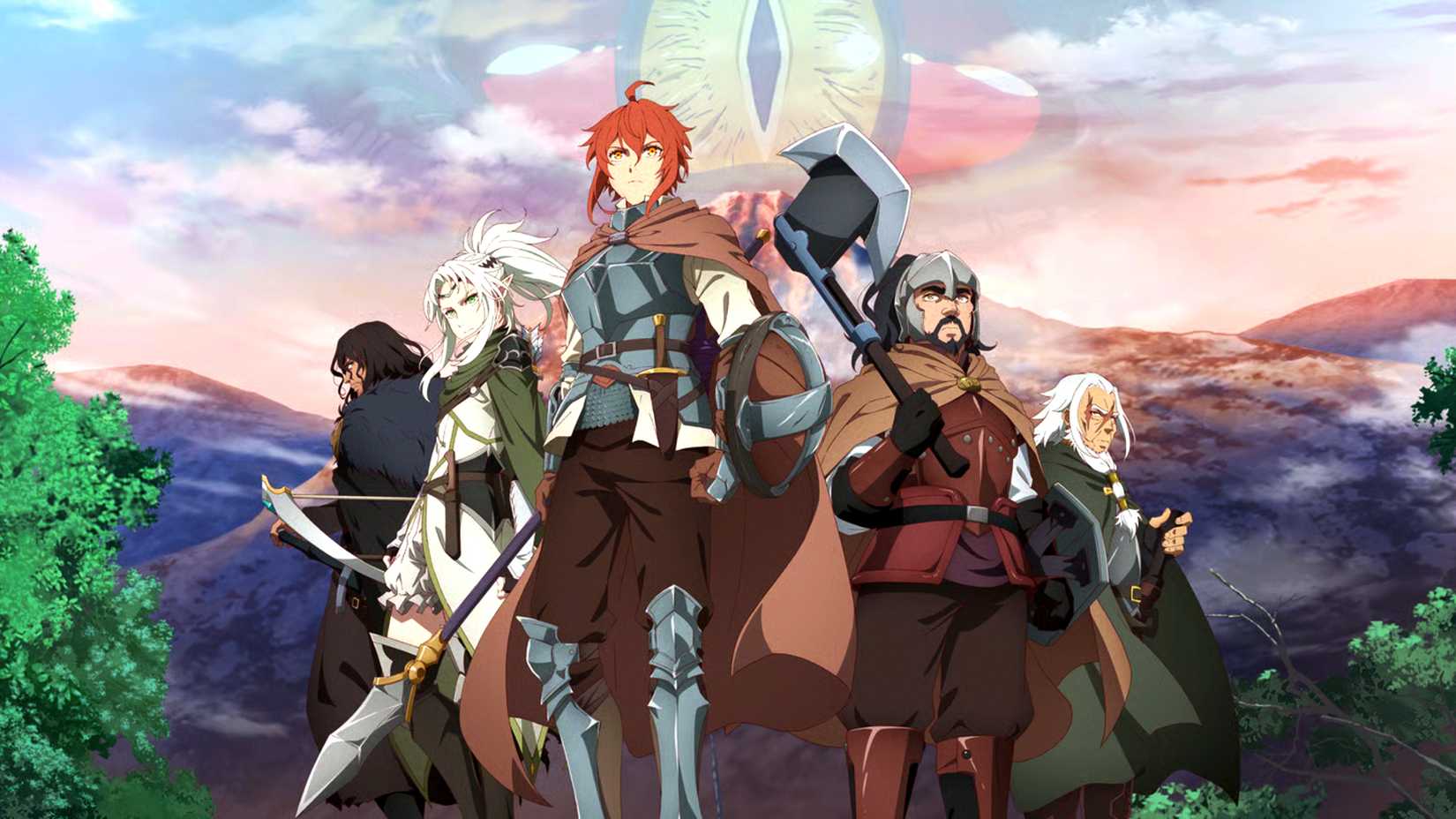
The Faraway Paladin follows Will, a boy reincarnated into a ruined city of the dead and raised by three undead guardians: a skeleton warrior, a mummy priestess, and a ghost sorcerer. The series focuses on Will’s education in faith and combat as a “paladin” in a world where gods are real and very active. Though slow-paced, The Faraway Paladin‘s best quality is its earnestness, given that it avoids the cheeky humor common in isekai.The primary barrier to The Faraway Paladin‘s success is its refusal to use genre-specific gimmicks. Isekai is known for its increasingly bizarre hooks. The Faraway Paladin‘s classical approach is its greatest strength, but also its commercial downfall. Since it lacks the elevator pitch needed to stand out in a saturated streaming market, The Faraway Paladin‘s beautiful exploration of faith and family has been relegated to hidden-gem status, while noisier, less nuanced series dominate the rankings.
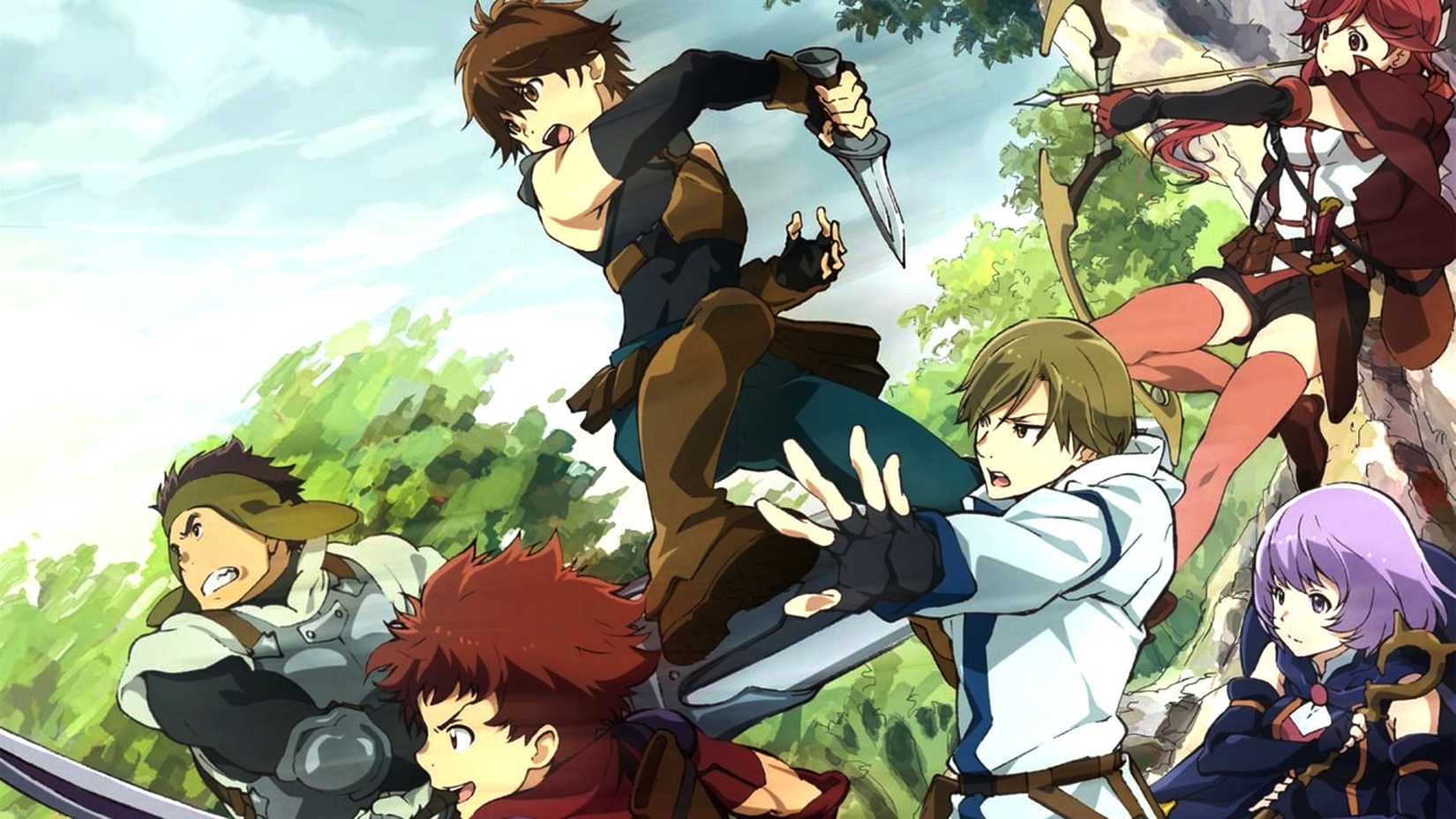
Hai to Gensou no Grimgar, translated to English as Grimgar of Fantasy and Ash, is the definitive anti-power fantasy isekai. It follows a group of teenagers who wake up in a fantasy world with no memories and no special abilities. They’re far from being chosen ones; they’re the bottom of the barrel, forced to join the Volunteer Soldiers just to afford food and a place to sleep. Hai to Gensou no Grimgar is better known for its visceral depiction of combat: killing a single goblin is a traumatic, desperate struggle for survival that leaves the characters physically and emotionally scarred.
Grimgar‘s stunning watercolor art style and haunting soundtrack should make it a much more iconic isekai than it is. However, its brutal honesty can be difficult for some viewers to stomach. It arrived during the mid-2010s boom when Re:Zero and Konosuba were redefining the genre through parody, leaving Grimgar’s quiet, melancholic realism in the cold. Sadly, Grimgar never received a second season.
What’s your favorite underrated isekai?