

Ranking these albums feels like grading ancient cave paintings: one neanderthal paved the way for the escape route, but their neighbor figured out how to make fire. While our previous deep-dive into the 15 Most Important Classic Rock Albums of All Time covered the absolute titans, the 1960s produced so much foundational brilliance that a single list couldn’t contain it. We’re looking for the records that topped the charts, but also, shifted the tectonic plates of the recording studio. From the surf-drenched harmonies of California to the muddy blues of London, these are the albums that ensured the 1960s would live forever. We are kicking off our two-part special with the architects of the electric dream, counting down from #20 to #11.
Before diving into the list, find out how well you know your classic rock trivia:
20. The Piper at the Gates of Dawn — Pink Floyd (1967)
Before they were building walls and exploring the dark side of the moon, Pink Floyd was a whimsical, terrifying psychedelic engine led by Syd Barrett. This debut is the eptiome of British psychedelia, trading traditional blues structures for space-age textures and childlike wonder. It’s an album that feels like a kaleidoscope in its shifting color schemes and haunting-addictive nature. Barrett proved that changing the recording studio into a playground of infinite sonic possibilities is the best way to do music.
The record’s legacy lies in its fearless experimentation. By using unconventional instruments and avant-garde editing techniques, the band pushed the boundaries of what a pop album could represent. It’s the starting point for every experimental art-rock band that followed, from David Bowie to Radiohead. While Barrett’s tenure was brief, his vision on this record established Pink Floyd as a cosmic force, ensuring their place in the pantheon of rock’s most daring innovators and shifting the tectonic plates of the underground.
19. Cheap Thrills — Big Brother & The Holding Company (1968)
If the 1960s had a physical voice, it belonged to Janis Joplin. Cheap Thrills is a live studio masterpiece; a raw, bleeding transmission of soul-infused rock that tore the roof off the San Francisco scene. It feels as if Janis exorcised her demons through every note of “Piece of My Heart.” This album shattered the glass ceiling for women in rock, proving that a frontwoman could be grittier, louder, and more emotionally exposed than any man on the circuit.
Beyond Joplin’s legendary vocals, the band provided a distorted, bluesy weight that grounded the psychedelic movement in something visceral. The album captured the chaotic energy of the Haight-Ashbury era better than almost any other recording of the time. It remains a landmark of the counterculture, a testament to the power of raw emotion over technical perfection.
18. Surrealistic Pillow — Jefferson Airplane (1967)
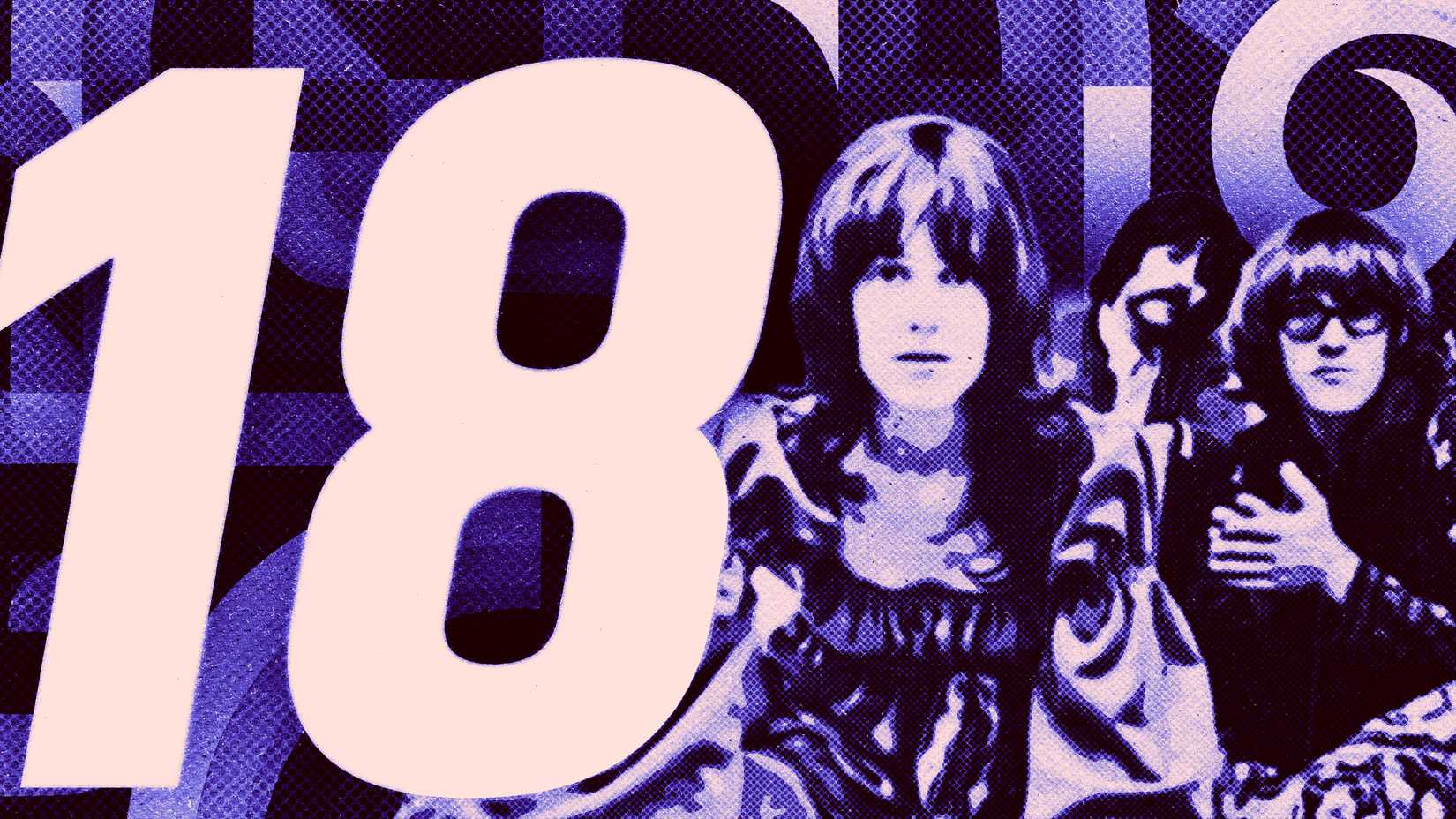
This is the sound of the Summer of Love crystallizing into a mainstream force. Grace Slick’s arrival turned Jefferson Airplane into a powerhouse, blending folk-rock sensibilities with a dark, drug-fueled urgency that felt perfectly in step with the era’s counterculture. With “White Rabbit” and “Somebody to Love,” the album provided the decade with its most potent anthems. It’s a hazy, essential document of the San Francisco sound that managed to capture lightning in a bottle before the scene became commercialized.
The interplay between Slick’s commanding vocals and Marty Balin’s softer harmonies created a unique sonic tension that defined the Acid Rock genre. Looking beyond the lyric, it was about the atmosphere of exploration and the breaking of traditional social barriers. Surrealistic Pillow remains the definitive soundtrack to a specific moment in time when music, politics, and lifestyle collided. It proved that psychedelic music could be both high art and a massive commercial success on a global scale.
17. Music from Big Pink — The Band (1968)
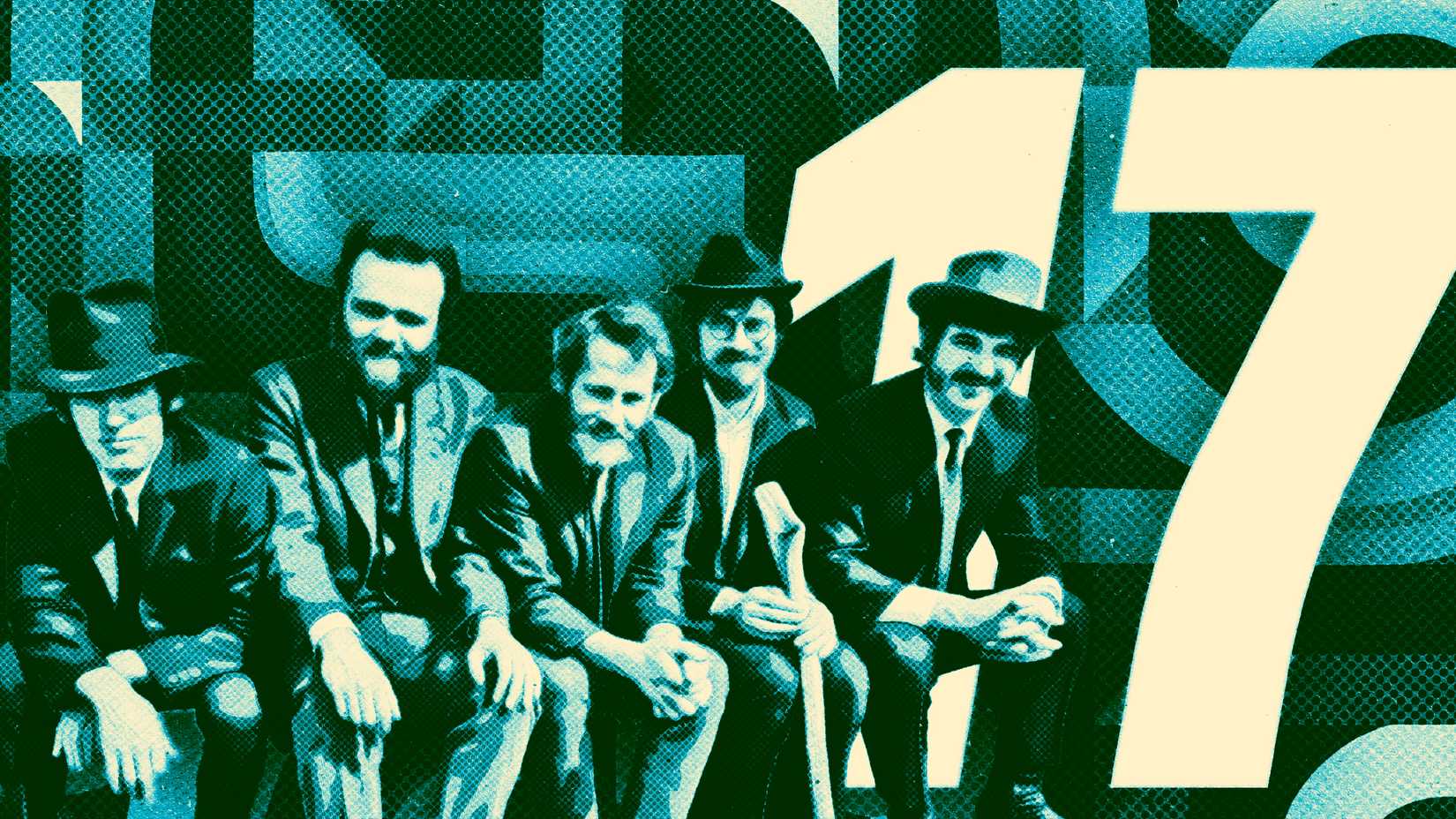
While the rest of the world was getting louder and more distorted, The Band retreated to a house in Woodstock to invent roots rock. It was a deliberate, quiet pivot away from the psychedelic madness, focusing instead on the timeless “Old, Weird America.” The chemistry here is effortless, anchored by the spiritual weight, almost literally by “The Weight.” It’s a record that feels like it has existed for a hundred years, reminding the rock world that sometimes the most radical thing is simplicity.
It brought humanity and humility back to rock…proving three-part harmonies and a mandolin could be just as revolutionary as feedback.
The album’s influence was instantaneous, famously prompting Eric Clapton to quit Cream and seek a more grounded musical direction. By blending country, soul, and rhythm and blues, The Band created a rustic tapestry that stood in stark contrast to the studio wizardry of the era. Music from Big Pink brought humanity and humility back to rock music. It remains a cornerstone of the Americana genre, proving that three-part harmonies and a mandolin could be just as revolutionary as feedback.
16. The Doors — The Doors (1967)
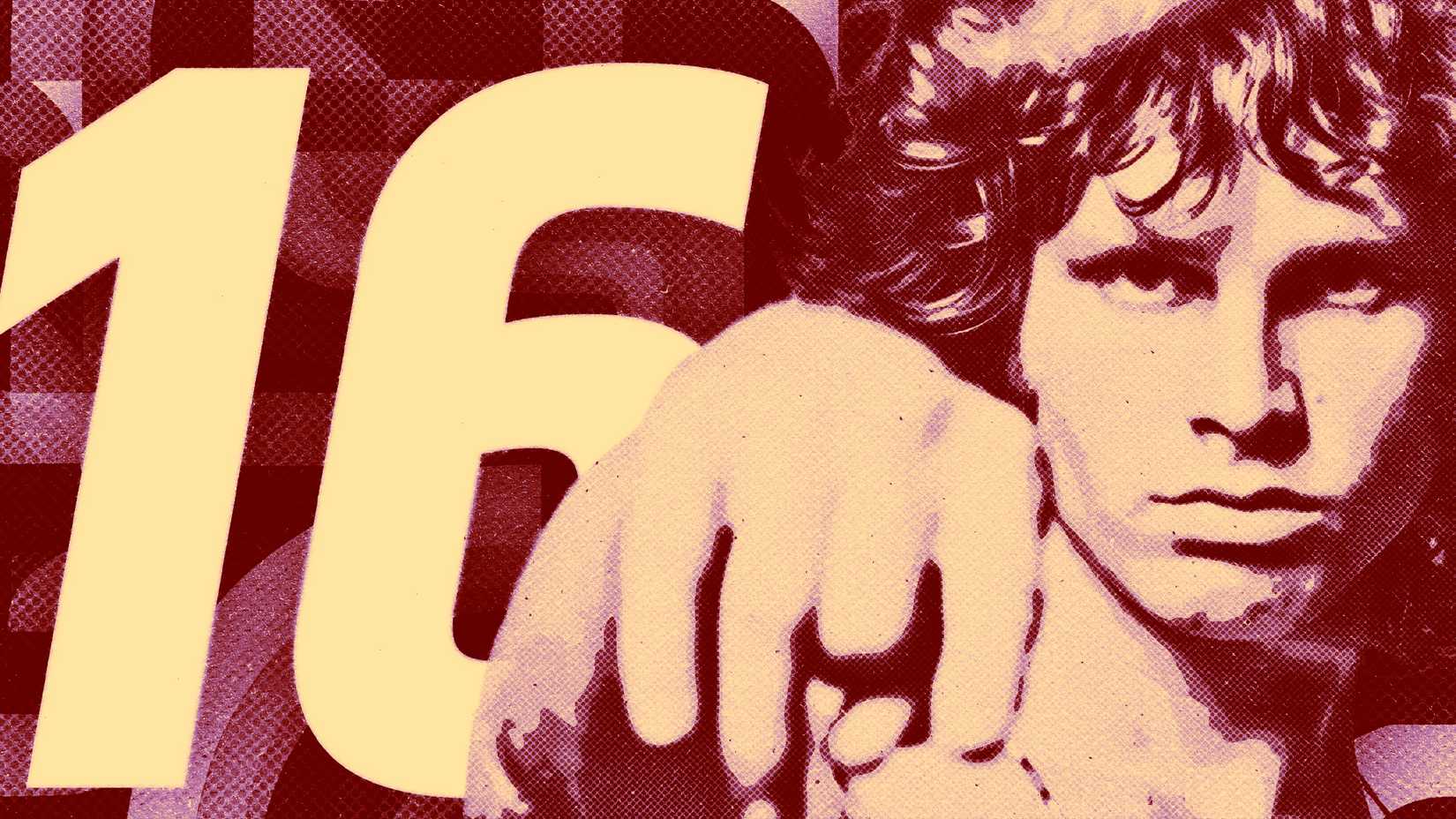
Jim Morrison is the penultimate rock star, but he wanted to be a cinematic shaman. The Doors’ debut is a dark, theatrical journey through blues and poetry, anchored by Ray Manzarek’s haunting organ and Morrison’s baritone growl. The eleven-minute “The End” signaled that rock was moving into a more dangerous, Oedipal territory. It’s an album that feels like a midnight drive through a desert—atmospheric, slightly menacing, and completely unforgettable to anyone who has ever heard it.
The band’s lack of a traditional bass player gave them a unique, bottom-heavy sound led by the keyboards, separating them from the guitar-heavy acts of the Sunset Strip. This record introduced a sense of dread and drama to the psychedelic movement that was entirely new. By blending high-brow literature with low-down blues, The Doorscreated a mystical persona that still fascinates fans today. Their debut remains one of the most cohesive and atmospheric statements in the history of rock music.
15. Disraeli Gears — Cream (1967)
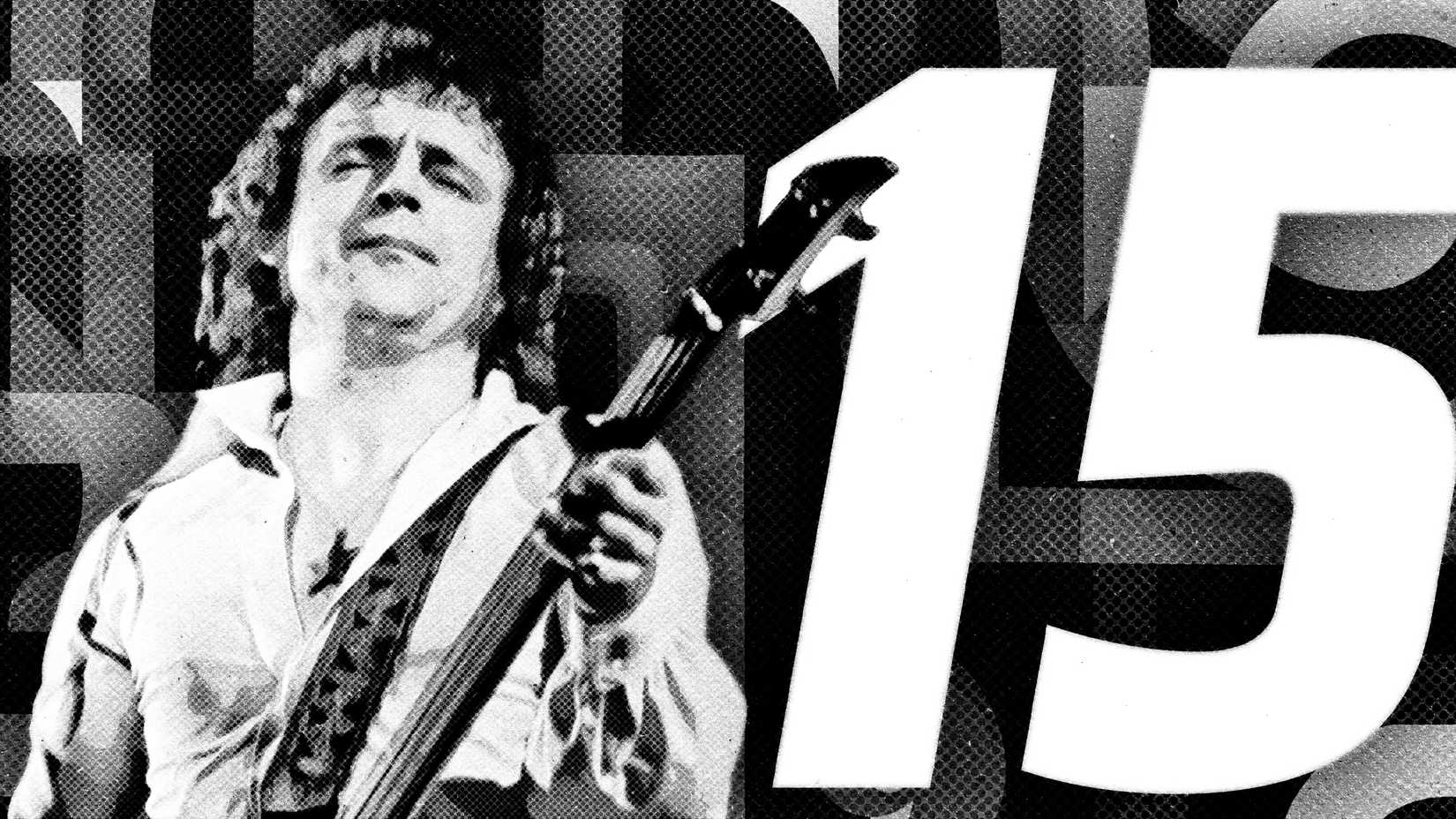
This is the moment hard rock truly crystallized. Eric Clapton, Jack Bruce, and Ginger Baker were a “supergroup” in the truest sense, turning the heavy riff into a piece of architectural art. From the wah-wah drenched “White Room” to the iconic “Sunshine of Your Love,” the album proved that three virtuosos could create a sound as massive as an orchestra. It set the stage for every heavy Metal and hard rock band that would eventually dominate the coming decade.
Despite the heavy volume, the album is surprisingly melodic, drenched in the vivid, surrealist imagery of the London psychedelic scene. It was a perfect marriage of blues-rock power and lysergic pop sensibility. The band’s improvisational chemistry during these sessions raised the bar for technical proficiency in rock, proving that musicianship could be just as exciting as the songs themselves. Disraeli Gears remains the high-water mark for the power trio format and a foundational pillar of the heavy rock movement.
14. Mr. Tambourine Man — The Byrds (1965)
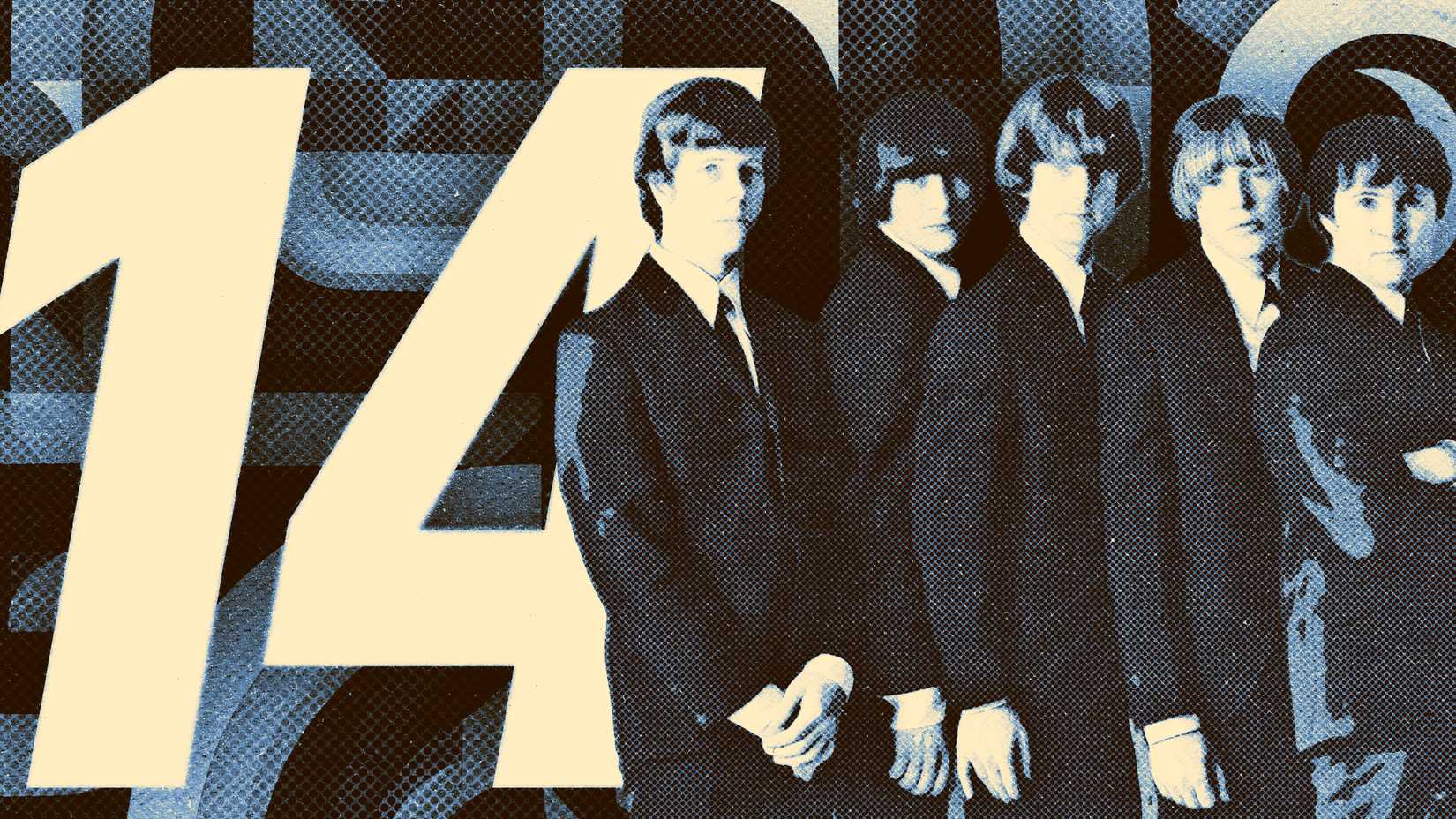
Folk-rock was born the second Roger McGuinn’s 12-string Rickenbacker chimed on the opening of the title track. By electrifying Bob Dylan’s poetry, The Byrds bridged the gap between the intellectualism of Greenwich Village and the teenage energy of the British Invasion. The album’s signature “jangle” sound became the DNA for everything from Tom Petty to R.E.M. It’s a shimmering, hopeful record that captured the exact moment rock music finally grew a conscience and a sophisticated brain.
The album’s signature “jangle” sound became the DNA for everything.
Beyond the hits, the album showcased the band’s incredible ability to harmonize, creating a lush, ethereal wall of sound that felt both modern and ancient. It was a pivotal cultural bridge that allowed folk music to enter the electric age without losing its soul. The Byrds proved that rock could be thoughtful, poetic, and radio-friendly all at once. This debut remains a masterclass in arrangement and a vital document of the mid-sixties transition into more mature musical themes.
13. Tommy — The Who (1969)
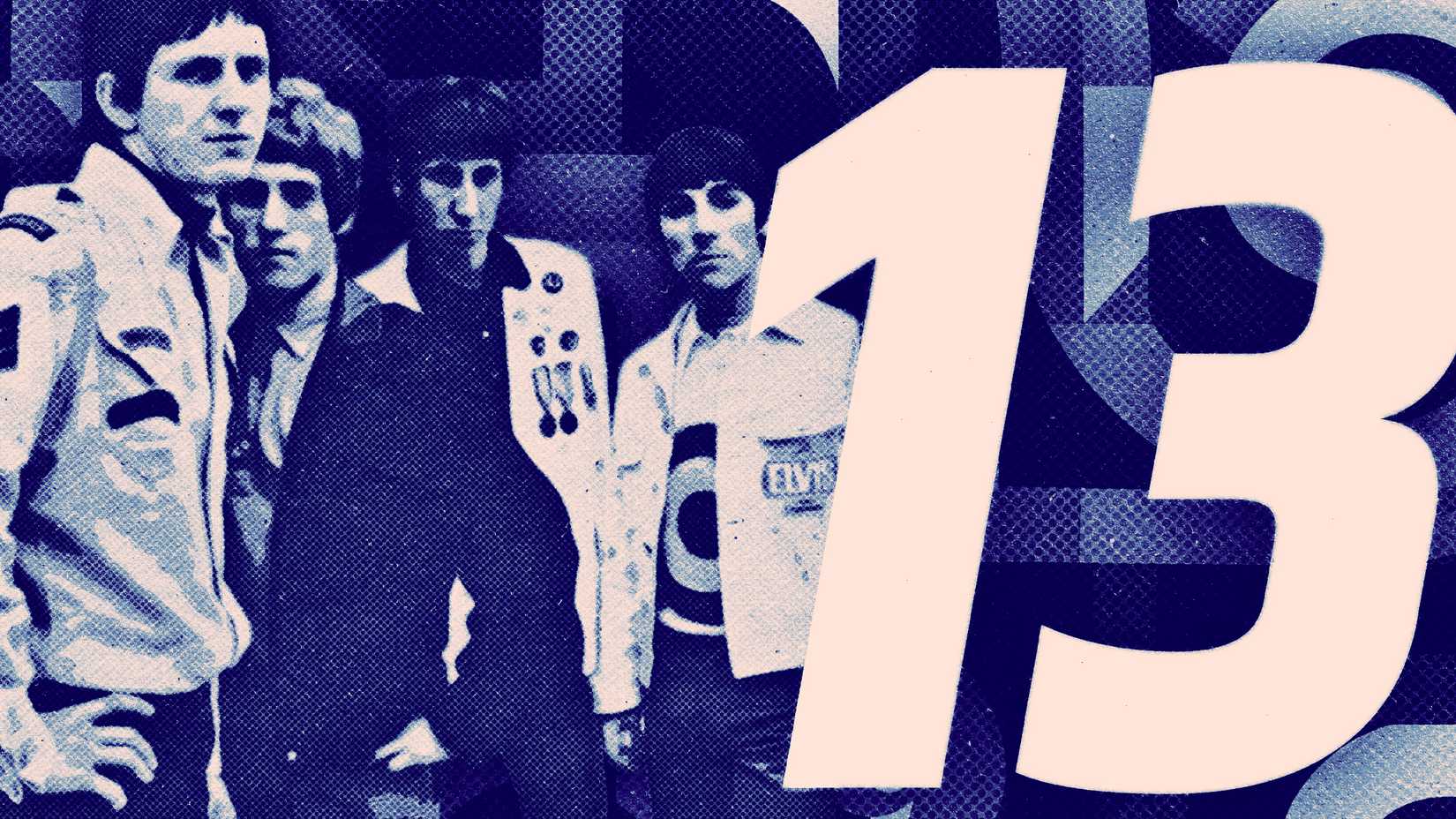
I have quite literally claimed that Tommy was the metaverse pioneer before Marvel or DC. It turned the “rock opera” into a commercially viable, high-art concept, following the journey of a “deaf, dumb, and blind boy” to spiritual enlightenment. It’s a bombastic, ambitious achievement that allowed The Who to stretch their musical muscles further than ever before. Between Keith Moon’s frantic drumming and the stadium-sized “Pinball Wizard,” the album proved rock could handle a narrative as complex as Broadway.
The record’s success changed the trajectory of the band, transforming them from mod-rockers into global icons of the stadium era. It challenged the limits of the LP format, demanding that the listener engage with a singular, sprawling story across four sides of vinyl. Tommy remains a towering achievement of ambition and ego, proving that rock music was capable of the same thematic weight as classical opera. It is a loud, proud, and profoundly influential cornerstone of conceptual rock history.
12. The Velvet Underground & Nico (1967)
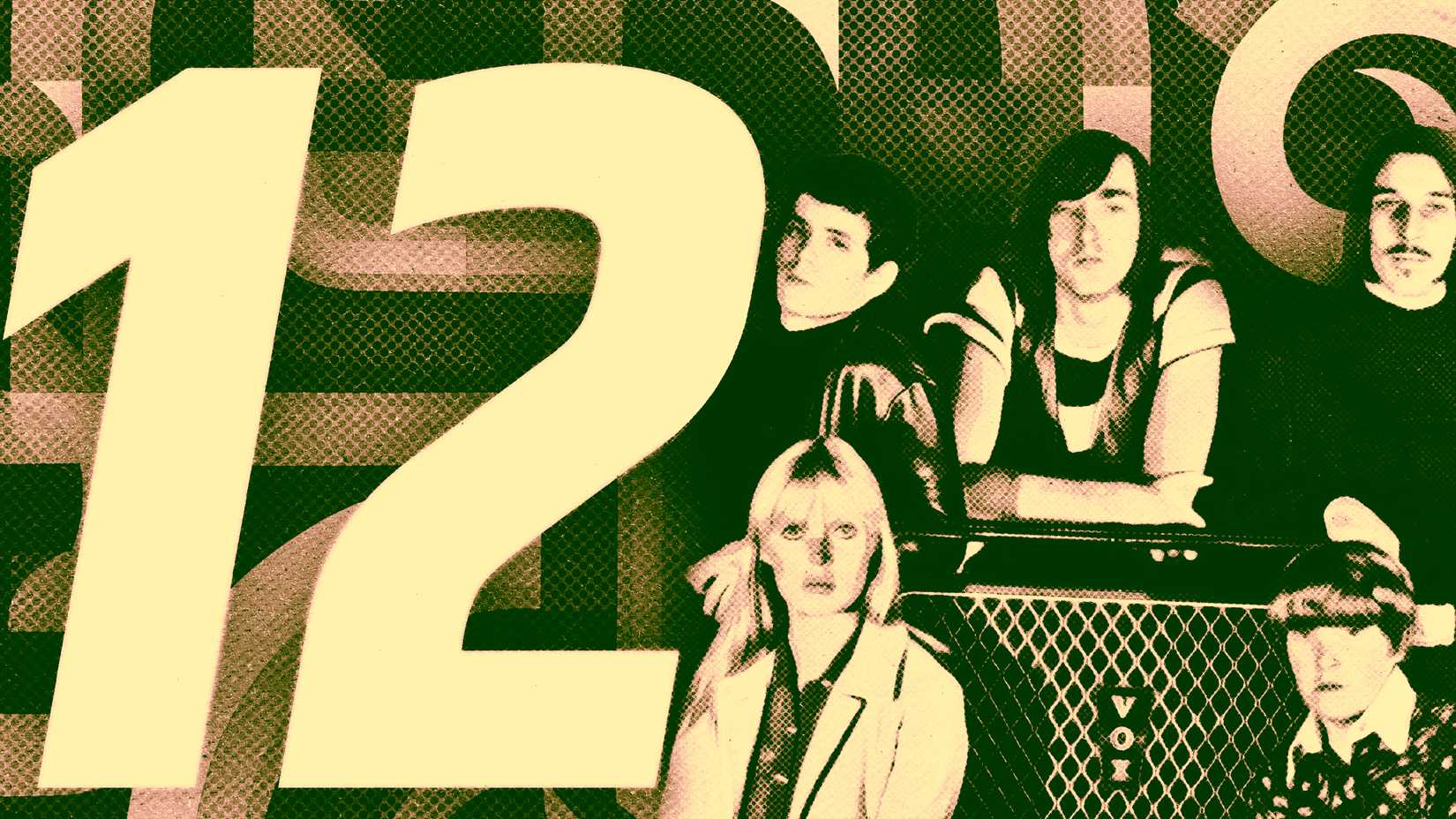
This album didn’t sell many copies initially, but as the legend goes, everyone who bought one started a band. It is arguably the most influential cult album ever made, blending Lou Reed’s street-level poetry with avant-garde noise and John Cale’s screeching viola. With the iconic “banana” cover designed by Andy Warhol, the record explored themes of addiction and deviance that were light-years ahead of the mainstream. It’s the primary “Big Bang” for punk, new wave, and indie rock.
The contrast between Nico’s icy, detached vocals and Reed’s gritty delivery created a chilling, urban atmosphere that stood in opposition to the “Peace and Love” vibe of San Francisco. It was music for the dark alleys and the art galleries of New York City, unapologetically transgressive and sonically daring. Its influence is felt in every band that ever prioritized attitude and experimentation over commercial appeal. It remains a haunting, beautiful, and fundamentally dangerous piece of art.
11. Rubber Soul — The Beatles (1965)
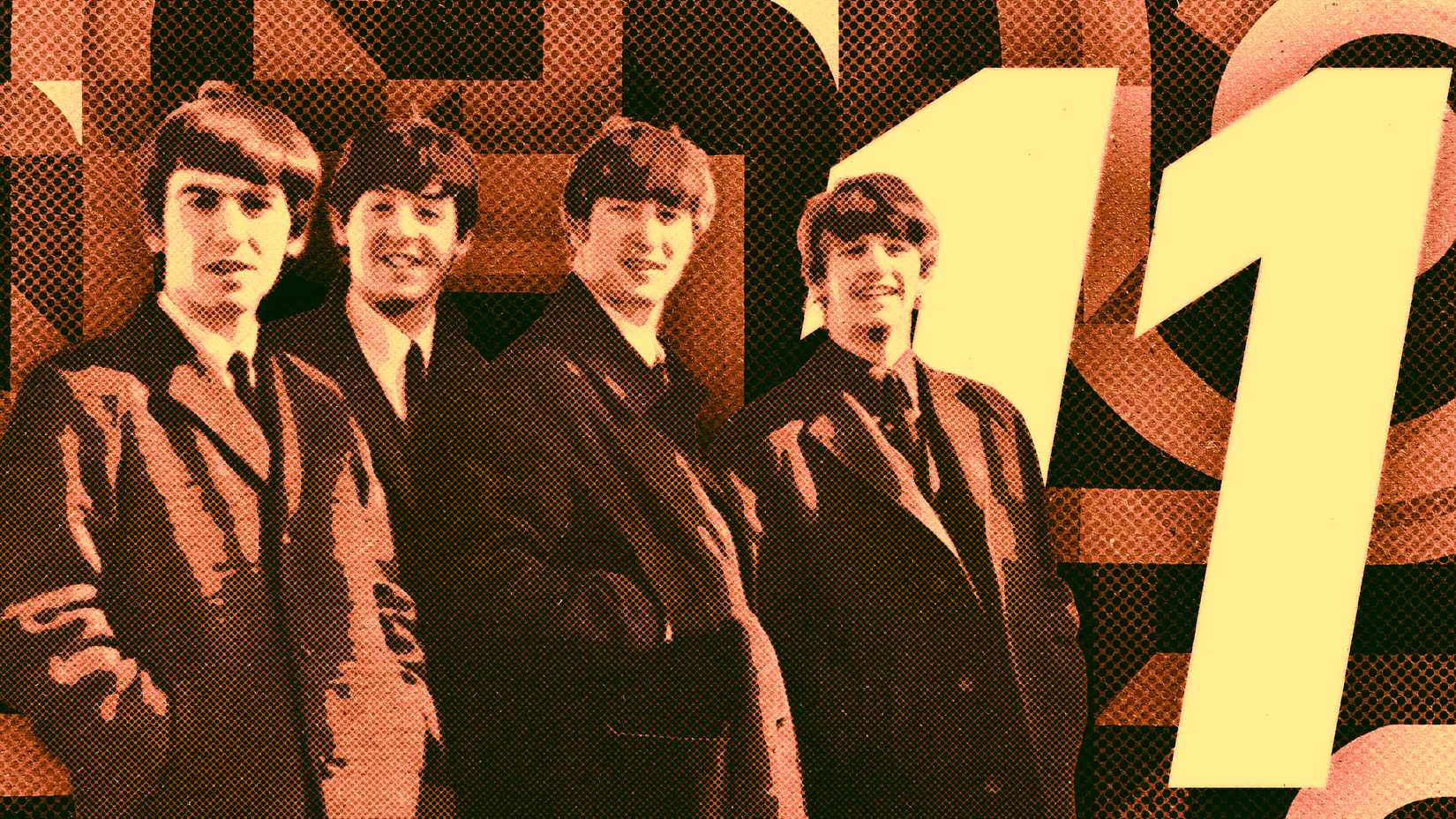
This is the moment The Beatles stopped being “mop-tops” and started being serious artists. Rubber Soul saw the band turning inward, trading boy-meets-girl lyrics for introspection, sitars, and sophisticated arrangements. It’s the first album where the album itself mattered more than the individual singles. By the time “In My Life” fades out, you realize you aren’t just listening to a pop band anymore—you’re listening to the primary architects of the modern musical world finding their true voice.
The album’s production marked a massive leap forward in studio technology and creative ambition. George Harrison’s introduction of the sitar on “Norwegian Wood” opened the door for Eastern influences in Western rock, while the band’s vocal harmonies reached a new level of complexity. Rubber Soul acted as the bridge between early Beatlemania and the total psychedelic reinvention of Revolver. Every rock album you love from the ’90s was in some way influenced by this one. How do I know? After 20 years of interviewing musicians, I’ve asked.
The countdown has just begun. Check back this Friday for the Top 10, where we dive into the heavy hitters—from the swamp rock of CCR and the poetic brilliance of Simon & Garfunkel to the world-shaking sounds of Led Zeppelin and The Beatles. The “Big Bang” is only getting louder.
FAQ
Q: What is the best-selling rock album of the 1960s?
While many of the albums on this list were critically massive, Abbey Road by The Beatles (1969) remains the best-selling studio album of the decade, shifting over 19 million units worldwide.
Q: Why isn’t Sgt. Pepper on this list?
Sgt. Pepper’s Lonely Hearts Club Band was featured in our ranking of the 15 Most Important Classic Rock Albums of All Time. For this specific 1960s deep-dive, we wanted to highlight other essential blueprints like Rubber Soul and Pet Sounds.