

TV shows can deal with taboo subjects in a way that’s accessible. They can radically revolutionize their own stale tropes and open the door for other creators to follow suit. These TV episodes changed everything.
Plato’s Stepchildren
Star Trek Season 3, Episode 10
In general, the third and final season of Star Trek: The Original Series is considered to be the show’s weakest installment, and the episode “Plato’s Stepchildren” isn’t particularly memorable on its own. But it does have a rightful place in TV history for breaking new ground.
The kiss between Kirk and Uhura was one of the first interracial kisses ever put on film. Star Trek was easily one of the most progressive shows of the ‘60s — it put a Russian on an American space crew at the height of the Space Race — and “Plato’s Stepchildren” is one of its most progressive episodes by far.
Maude’s Dilemma
Maude Season 1, Episodes 9/10
In one of Maude’s earliest episodes, the title character faces an unwanted pregnancy and has to decide whether to carry it to term or have it terminated. This was before the landmark Roe v. Wade decision, when abortion was about as taboo as a subject could get. The episode looks at the pro-life vs. pro-choice debate from all different angles, and plays them all for comedy.
Maude brought that timely topic into people’s living rooms and facilitated a conversation. The airing of this episode led to outrage and protests — and some affiliates refused to air the episode altogether — but it helped to move the needle and open up a dialogue about the fight for bodily autonomy.
The Judgment
The Fugitive Season 4, Episodes 29/30
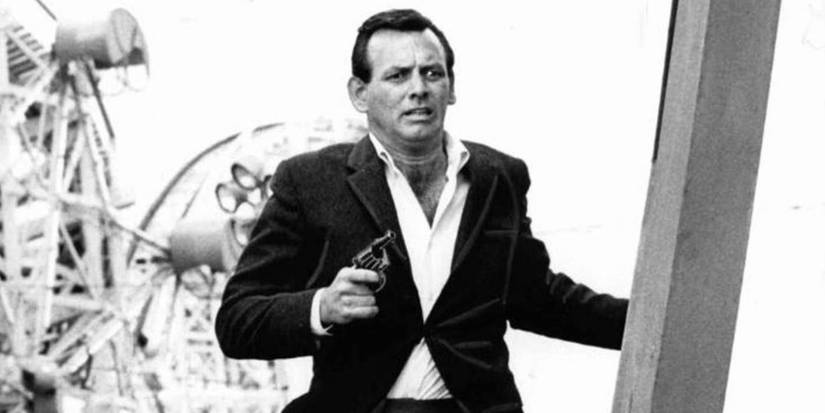
The last episode of The Fugitive was the first proper series finale in television history. Back in the day, shows used to just end when they stopped being profitable. Their final episode wasn’t a special event; it was just the last one that came out before its cancelation. Since The Fugitive had set up a mystery from the beginning, its final episode had a lot to answer for.
The Fugitive’s final episode is a real ending in which Richard Kimble finally catches up with the one-armed man he’s been chasing through the whole series, and solves his wife’s murder once and for all. This finale paved the way for momentous TV endings like the bittersweet farewell in M*A*S*H, the explosive climactic showdown in Breaking Bad, and the coronation of Bran the Broken in Game of Thrones.
O.R.
M*A*S*H Season 3, Episode 5
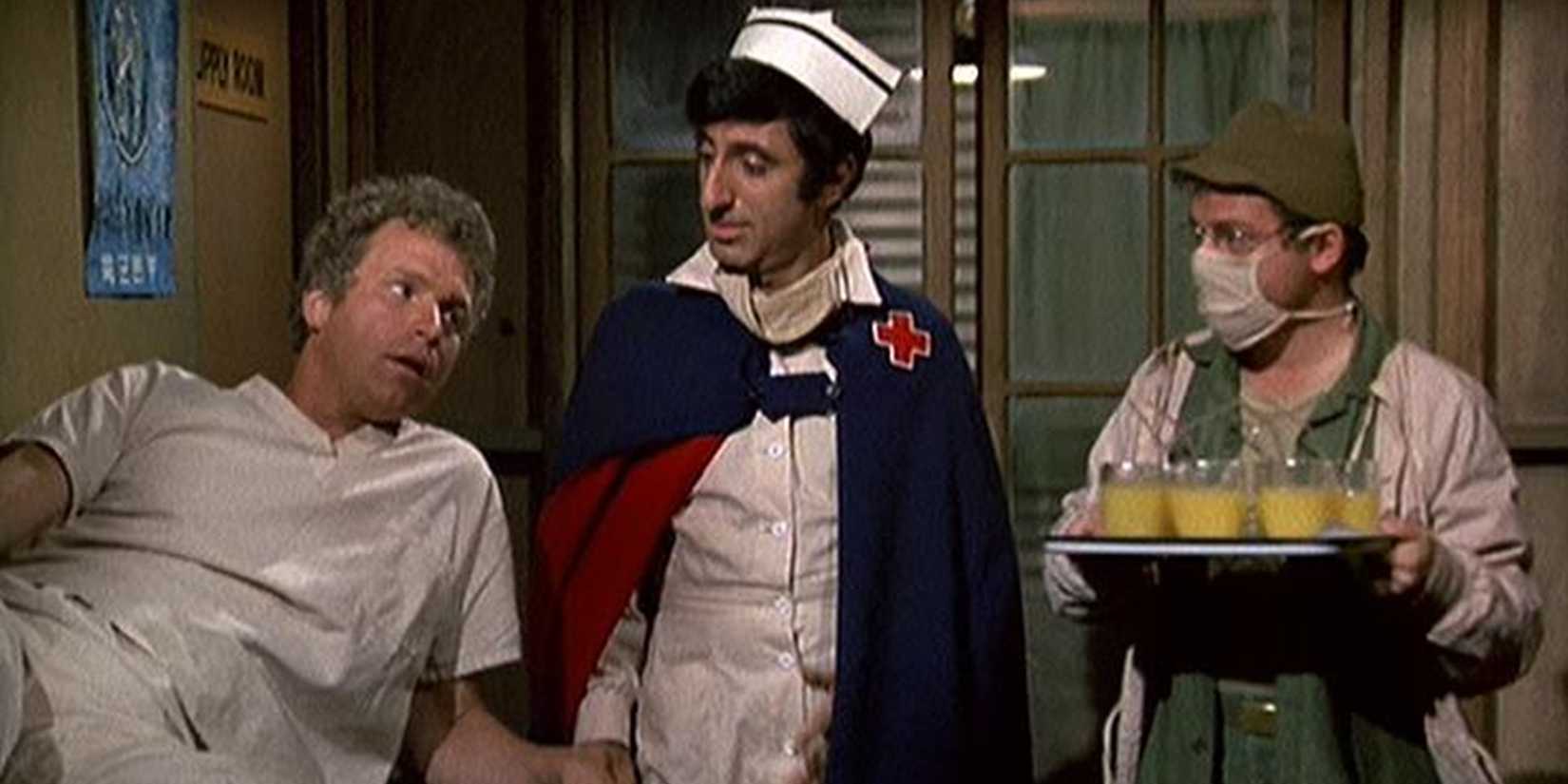
Season 3’s “O.R.” was the first of several M*A*S*H episodes to do away with the show’s signature laugh track. And it wasn’t just the first M*A*S*H episode to forgo a laugh track; it was the first sitcom to do so. It was a bold stylistic choice that allowed the drama and pathos to shine through. There is humor, but it arises more naturally than in a typical episode.
Now, it’s commonplace for sitcoms to forgo a laugh track. In fact, it’s become more common not to have a laugh track than to have one. Frankly, M*A*S*H worked a lot better without one. It wasn’t a traditional sitcom by any means; it was darker and more dramatic than your average sitcom, but the laugh track always undermined that.
The Puppy Episode
Ellen Season 4, Episodes 22/23
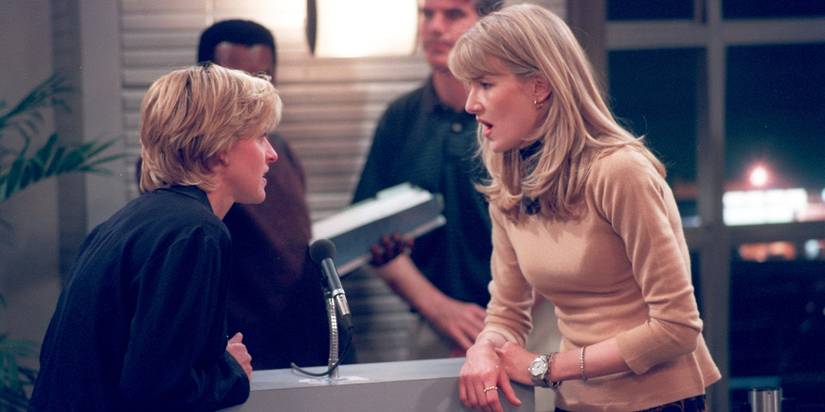
Both Ellen DeGeneres and her eponymous character publicly came out as a lesbian in the landmark Ellen season 4 episode “The Puppy Episode.” The show had included a couple of subtle nods to Ellen’s sexual orientation (including having her literally come out of a closet), but “The Puppy Episode” — so called to preserve the surprise of this groundbreaking TV event — was the first one to address it directly.
The episode was met with widespread backlash, including threats from advertisers and religious organizations, but it was also met with widespread praise. It was lauded by critics, it won a few awards, and it became a cultural phenomenon. Ellen was canceled just one season later, but “The Puppy Episode” secured its place in television history.
The Unknown People
Adventures Of Superman Season 1, Episodes 25/26
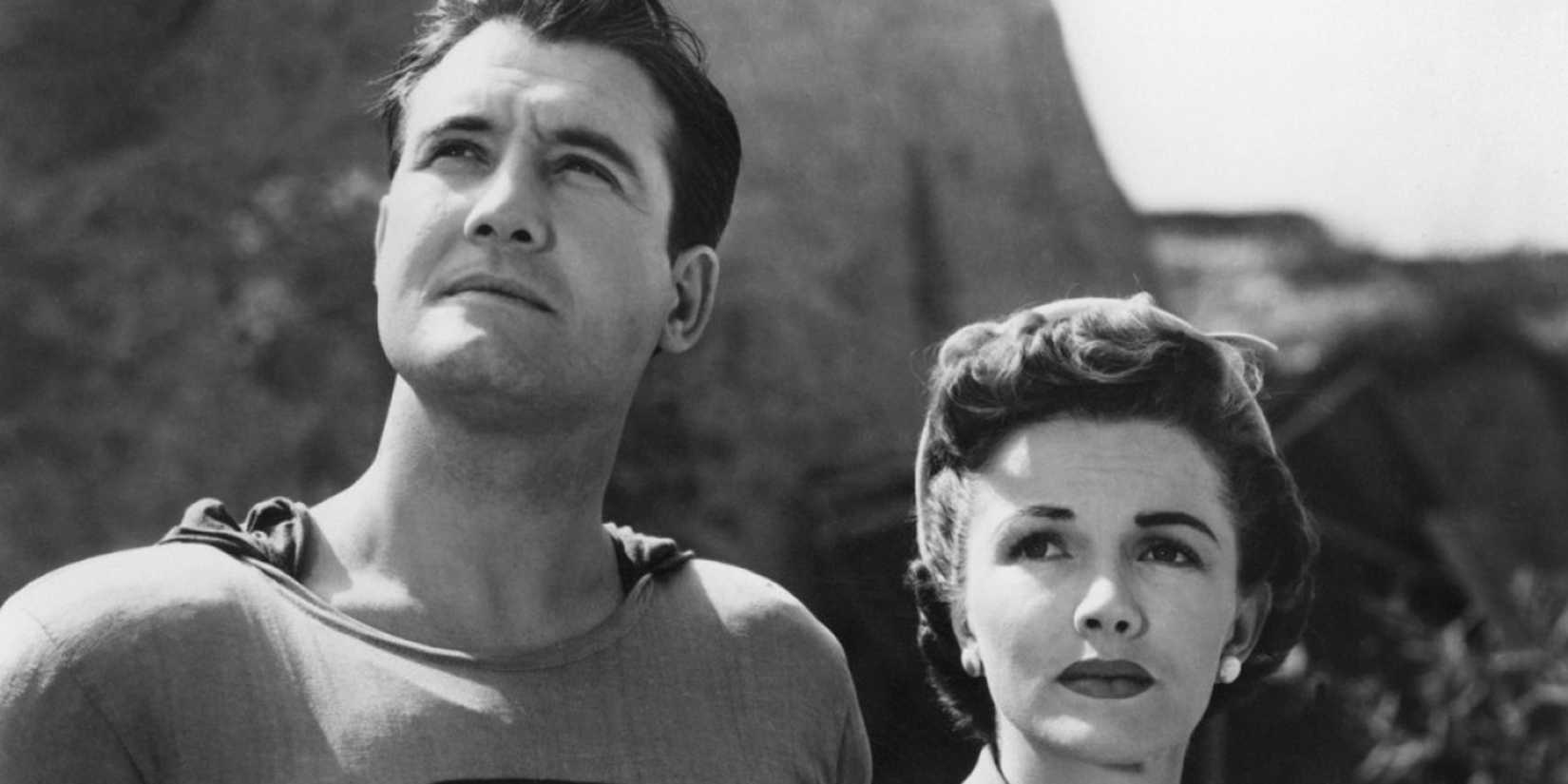
Remember Jerry Seinfeld’s classic standup routine about the frustration of to-be-continueds on TV? That joke wouldn’t have been possible if Adventures of Superman hadn’t given us the first two-part episode of television with its season 1 finale, “The Unknown People.”
“The Unknown People” originated as a movie called Superman and the Mole Men, in which Clark Kent and Lois Lane travel to a small town to cover a story on oil drilling and unwittingly awaken a couple of subterranean mutants that Supes has to defeat. The film was re-edited as a TV episode and invented the two-parter.
Sammy’s Visit
All In The Family Season 2, Episode 21
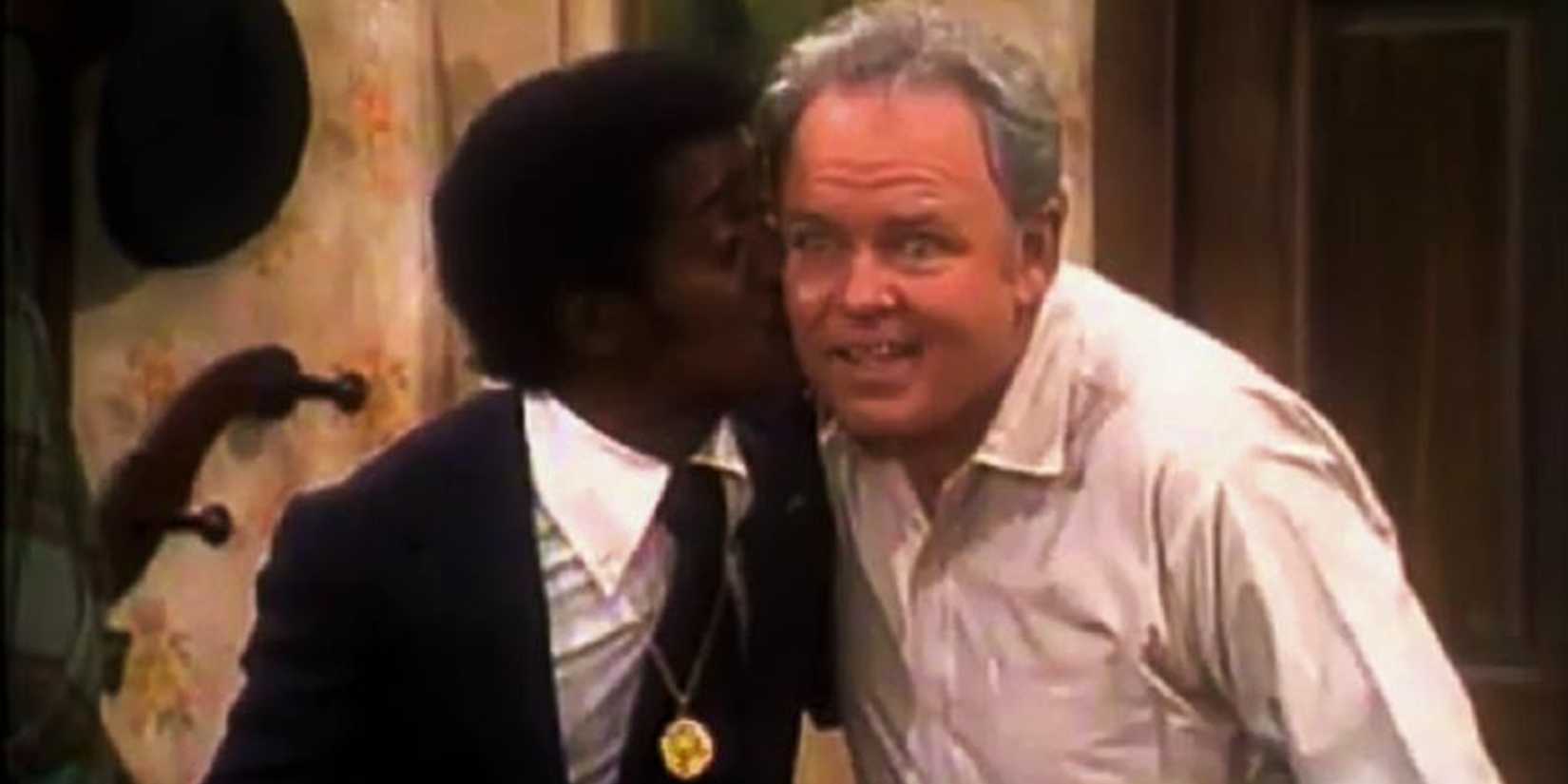
Despite being set up as a traditional sitcom, All in the Family ended up being one of the most progressive political commentaries of the 1970s. The premise forces ultra-conservative bigot Archie Bunker to live under the same roof as his bleeding-heart liberal son-in-law Mike. Every episode, Archie and Mike engaged in the same frank political debates that were happening across the country (and still are today).
In one of All in the Family’s most iconic episodes, season 2’s “Sammy’s Visit,” Archie is forced to confront his racial prejudices when Sammy Davis Jr. stops by the house. This episode broke down racial barriers, as Archie and Sammy had a frank discussion about race relations that ended with Sammy planting a kiss on Archie.
College
The Sopranos Season 1, Episode 5
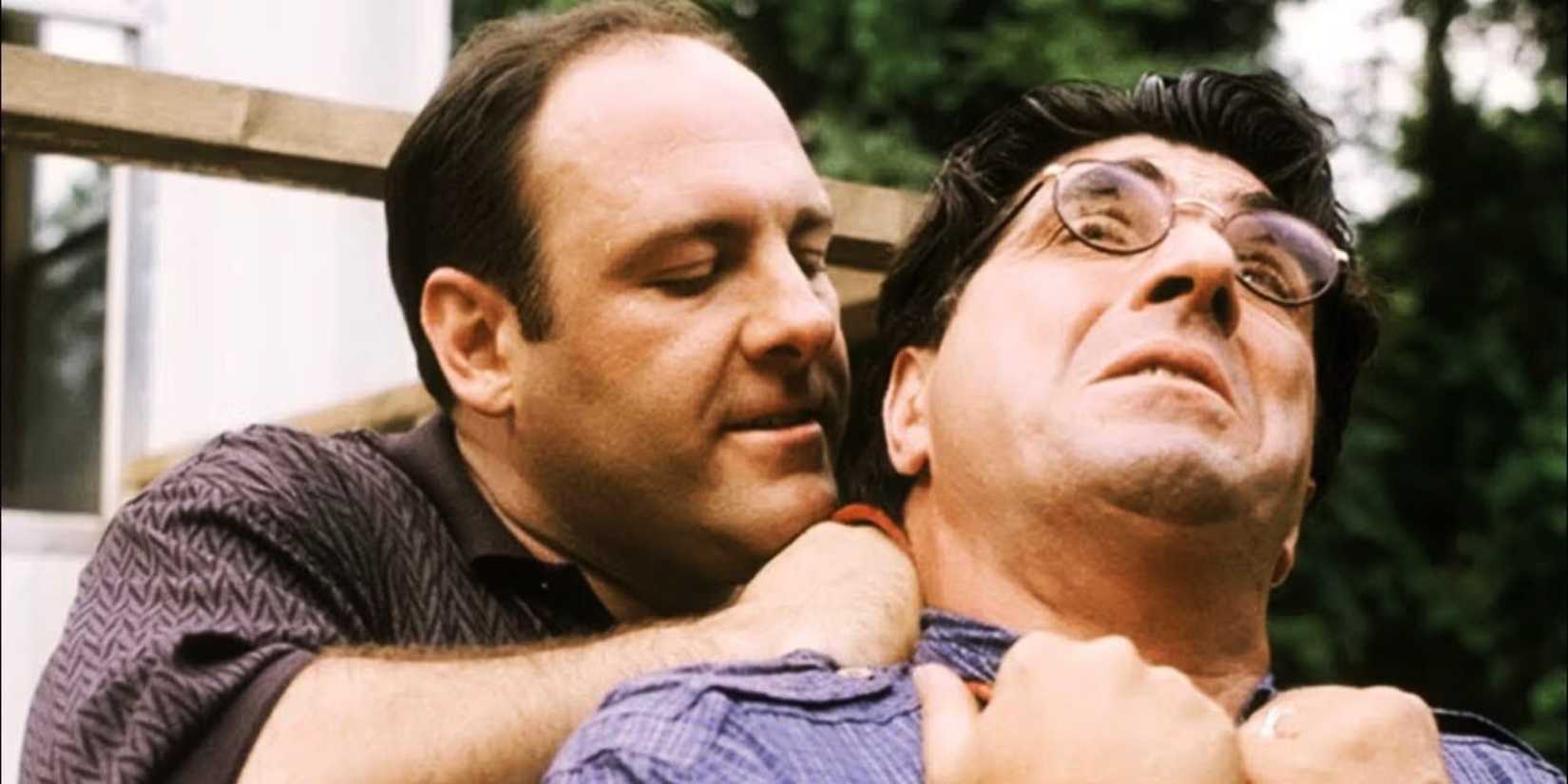
David Chase revolutionized television with his creation of The Sopranos. Up until then, TV networks had made the protagonists of their shows as likable as possible, so audiences would want to keep tuning in and rooting for them. But Chase recognized that a protagonist didn’t have to be a particularly good person as long as they were interesting.
In just the fifth episode of the show, we saw Tony Soprano — our supposed hero — murder a man in cold blood on-screen. It was a huge gamble for HBO, but that gamble paid off. Audiences kept tuning in to see where Tony’s story would go, and the airwaves suddenly became flooded with morally gray antiheroes like Walter White and Tommy Shelby and Omar Little.
Lucy Is Enceinte
I Love Lucy Season 2, Episode 10
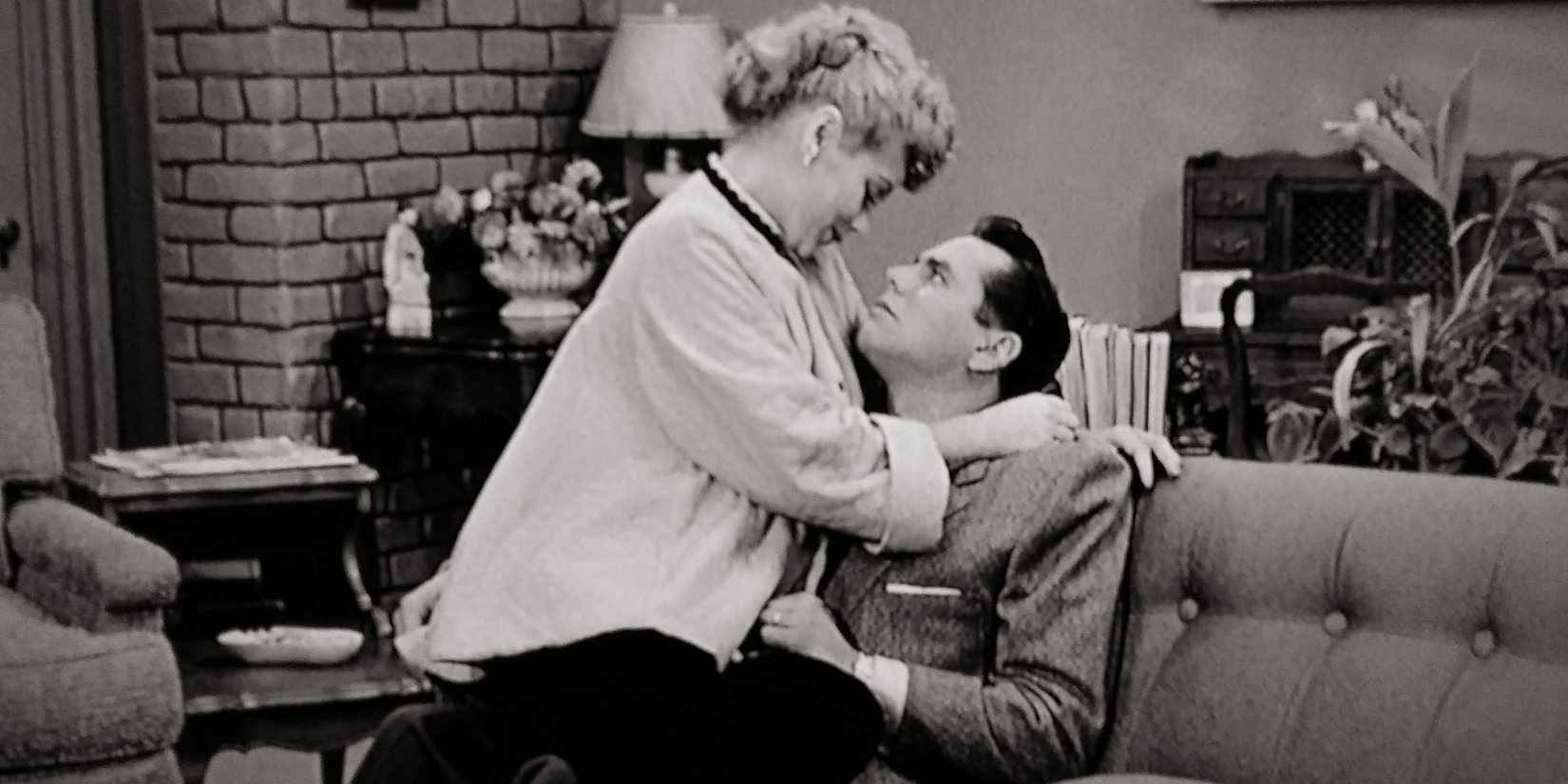
I Love Lucy, as a whole, changed the face of comedy. It proved that women could be just as funny as their male counterparts, and it flipped the usual dynamic to make the wife the wacky comic personality and the husband the voice of reason. But you can also point to one episode in particular that made the biggest cultural impact.
In I Love Lucy’s second-season episode “Lucy is Enceinte,” Lucy finds out she’s pregnant and struggles to find the best way to tell Desi. There was a stigma around sex and pregnancy at the time. They couldn’t even use the word “pregnant” on the air, so they had to use euphemisms like “with child” and “expecting.” The title uses the French word for “pregnant.”
Forever
Bonanza Season 14, Episodes 1/2
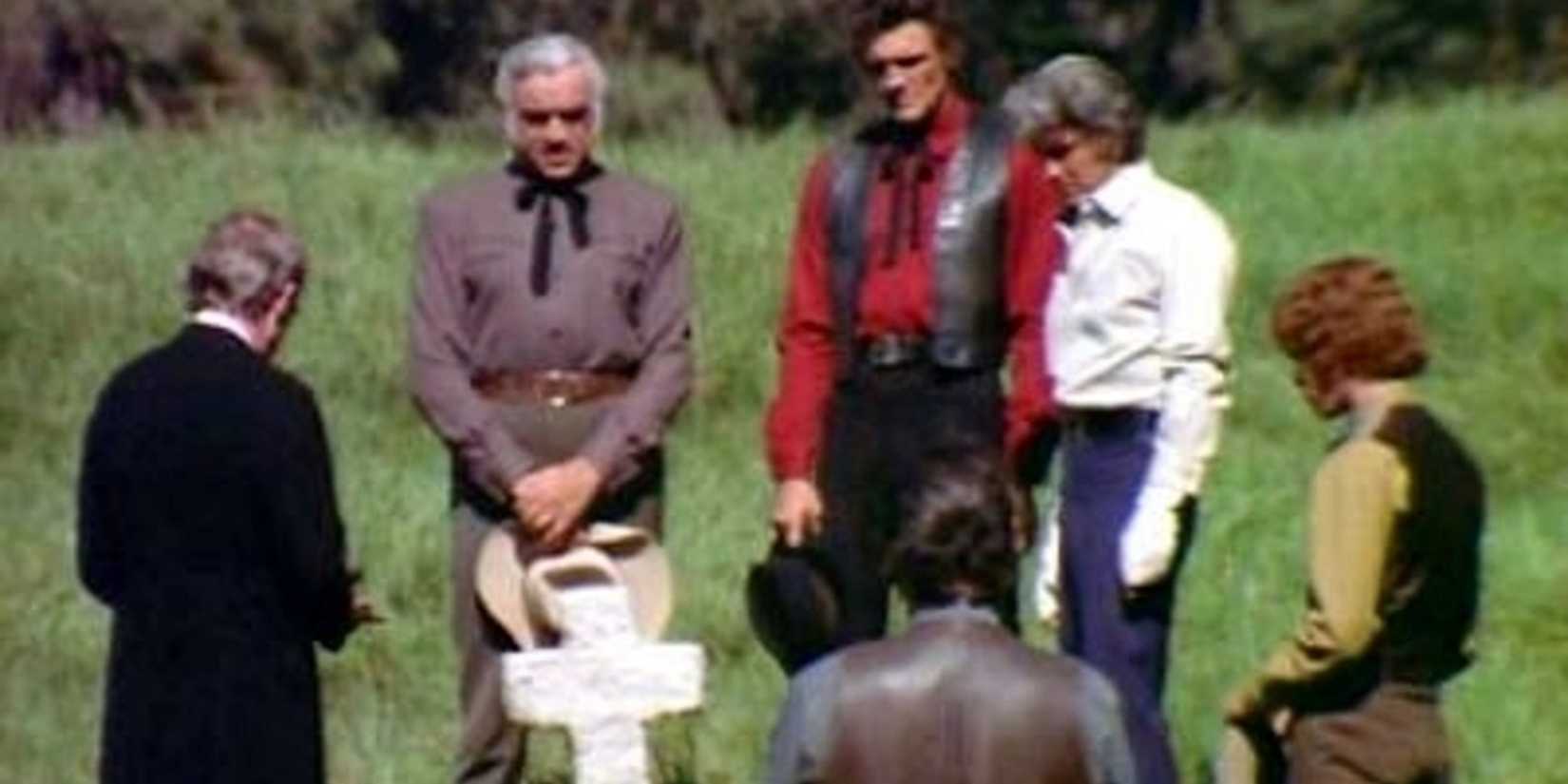
The long-running TV western Bonanza was the first show to kill off a major character. Up to that point, the main characters of TV shows all had plot armor, but Bonanza was forced to change that when Dan Blocker, who’d played Hoss on the beloved western serial, passed away in real life.
Rather than canceling the hit show, the creators opted to continue without him, and wrote his death into the series. This paved the way for Ned Stark to be beheaded in the first season of Game of Thrones, Gus Fring to get his face blown off in Breaking Bad, and half the cast of The Walking Dead to get ripped apart by flesh-eating zombies.