

Despite decades of noteworthy snubs, horror films not only draw in large audiences but also push the boundaries of what’s possible on the big screen. Technical achievements have necessitated new categories at the Oscars, with pioneering works like An American Werewolf in London receiving the inaugural Best Makeup award. However, times are rapidly changing.
Thankfully, attitudes toward horror are beginning to change. The 2020s have ushered in a new era of high-quality horror films, many of which have been getting Oscar buzz. In 2026, three horror movies were up for major categories at the Academy Awards, a rarity in its nearly 100-year history. Horror is always the underdog, but these winners are undisputed champions.
Michael B. Jordan – Sinners (2025) – Best Actor
In only the third time since the creation of the Academy Awards, the award for Best Actor went to a performance in a horror film. Michael B. Jordan snagged the coveted prize for playing both “Smoke” and “Stack” in Ryan Coogler’s Sinners, a vampire horror film set in 1930s Mississippi. Jordan was the fan-favorite, but his win wasn’t guaranteed.
Though he beat out stalwarts like Leonardo DiCaprio, Jordan’s win was deserving. He turned in a stellar pair of performances in a film noted for its larger-than-life tone and richer themes. Jordan perfectly captured the aforementioned tone, creating two very distinct characters in the same movie. Sinners only snagged four of its record 16 categories, but Jordan’s win was special.
Amy Madigan – Weapons (2025) – Best Supporting Actress
The Oscars have been kinder to the ladies of horror, but Amy Madigan’s Best Supporting Actress win is still historic. She got the award for playing Aunt Gladys in Weapons, a supernatural mystery tale in which she is the central antagonist. It’s so far removed from her usual performances that the Academy had to sit up and take notice.
Monsters almost never take home the gold, but Madigan’s transformative turn as the creepy suburban witch melded traditional acting with the heightened creepiness of cinema’s greatest terrors. It came four decades after her first nomination, and is the perfect culmination of her career. Audiences will be talking about Aunt Gladys for generations, making her Oscar win even more indisputable.
Godzilla Minus One (2023) – Best Visual Effects
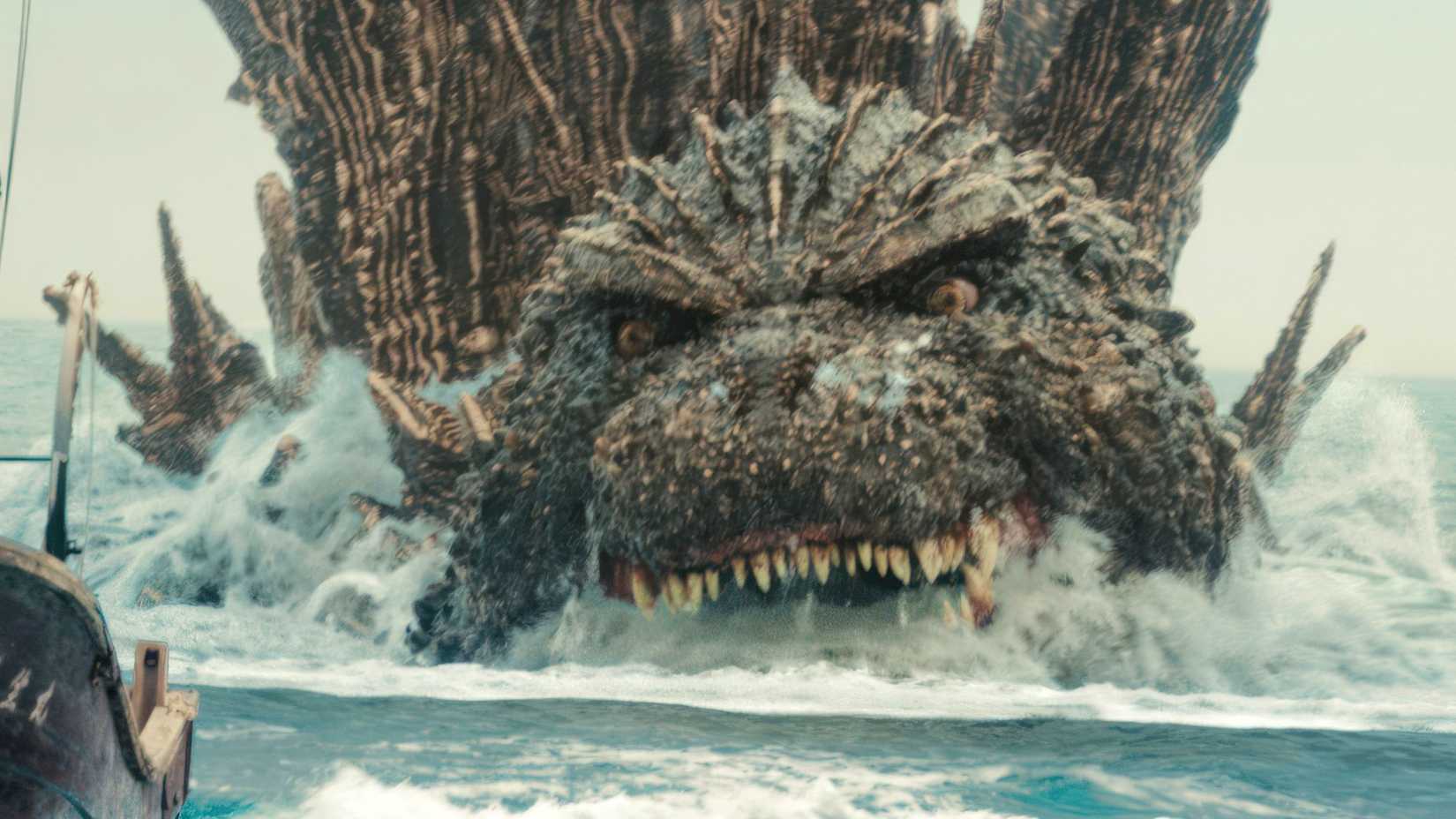
Though the Godzilla franchise is mostly remembered for its action and sci-fi, Godzilla Minus One brought it back to its horror roots. The Earth-stomping lizard is not the savior of humanity, but is instead a destructive manifestation of the terror of the atomic bombs dropped on Japan. Godzilla Minus One took home the Best Visual Effects Oscar in 2024.
The film’s Best Visual Effects win is indisputable for several reasons. First, it looks fantastic, and is arguably the best example of modern CGI in years. Second, Minus One was made on a tiny budget, but was still able to achieve such amazing effects. The Japanese production put most big-budget Hollywood blockbusters to shame.
Pan’s Labyrinth (2006) – Best Art Direction
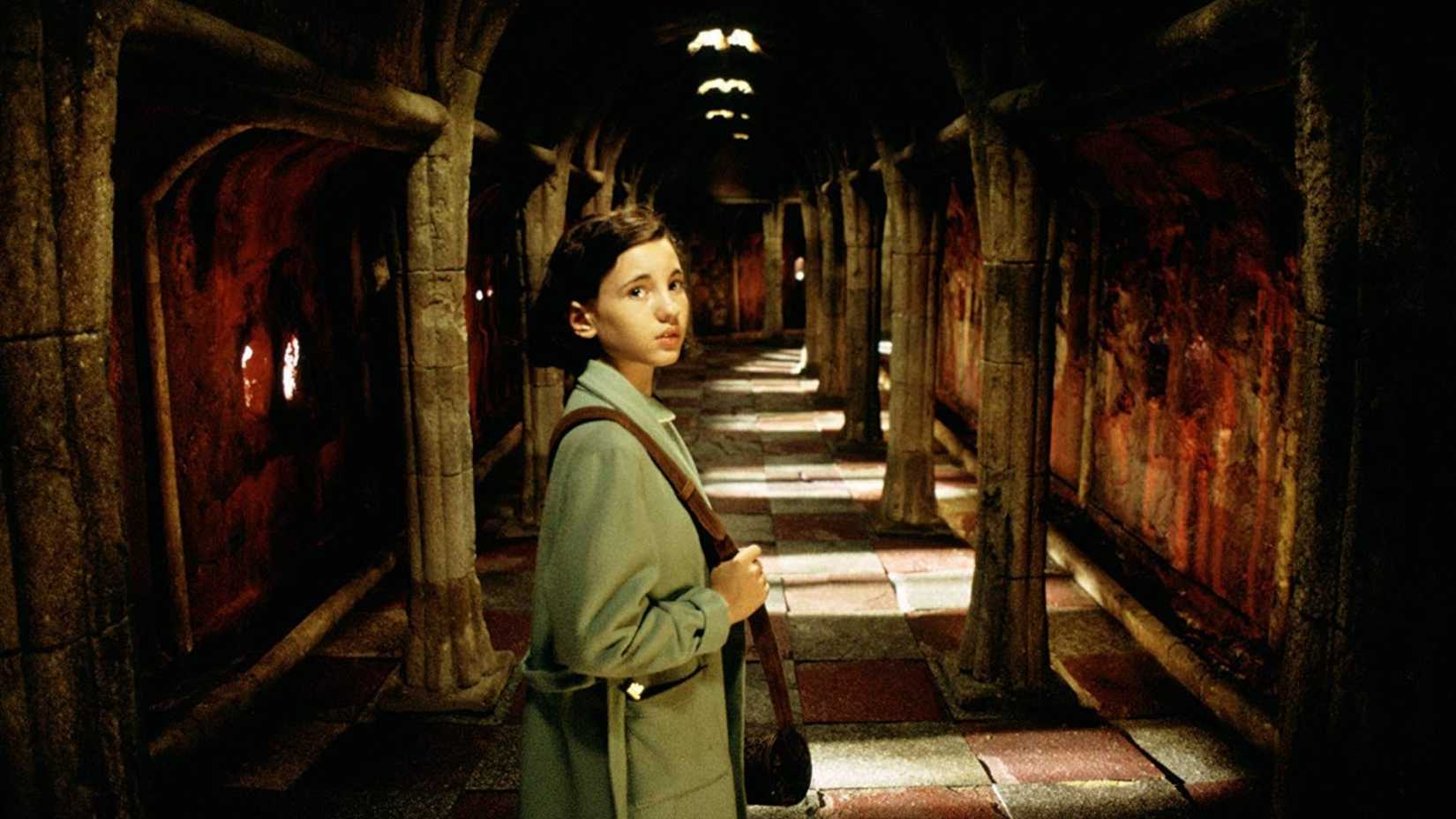
A category like Best Art Direction is usually overlooked in favor of the more flashy awards, but Pan’s Labyrinth is an example of the category at its finest. Guillermo del Toro’s wartime fairy tale took a lot of work to bring to life, and the art department crafted an imaginative and terrifying world. It also won Best Cinematography and Makeup.
The Best Art Direction win is the most indisputable success for Pan’s Labyrinth because there would be no movie without the talented team. Every frame is drenched in clever choices by the art department, and the sets perfectly capture the fantastical and nightmarish mood of the story. They set the stage for the rest of the movie to play out.
Anthony Hopkins – The Silence Of The Lambs (1991) – Best Actor
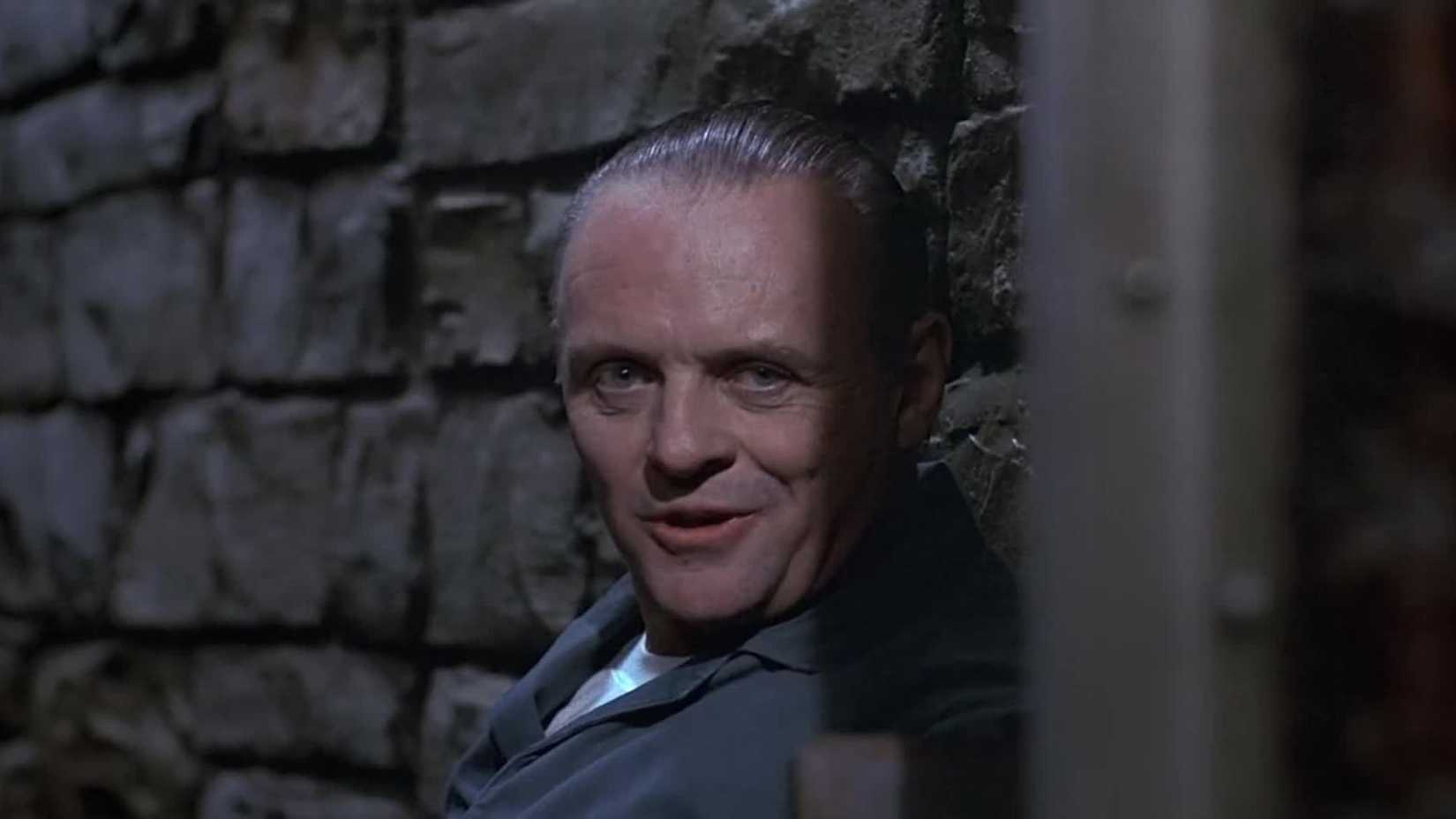
Anthony Hopkins was only the second person to win Best Actor for playing a horror movie role, and he’s arguably the most deserving. The Silence of the Lambs was draped in Oscar gold in the early 1990s, including a Best Picture win. However, Hopkins’ turn as the evil Hannibal Lecter was an important shift in the Academy’s attitude toward horror.
The Silence of the Lambs was the first, and so far, only horror film to win Best Picture.
Hopkins makes the movie with his suave and sinister performance, and it’s made doubly impressive because he spends most of his time locked behind bars. Overt and monstrous characters rarely get accolades, but Hopkins was so good that he couldn’t be denied. Every win for The Silence of the Lambs was deserving, but Hopkins’ was indisputable.
Kathy Bates – Misery (1990) – Best Actress
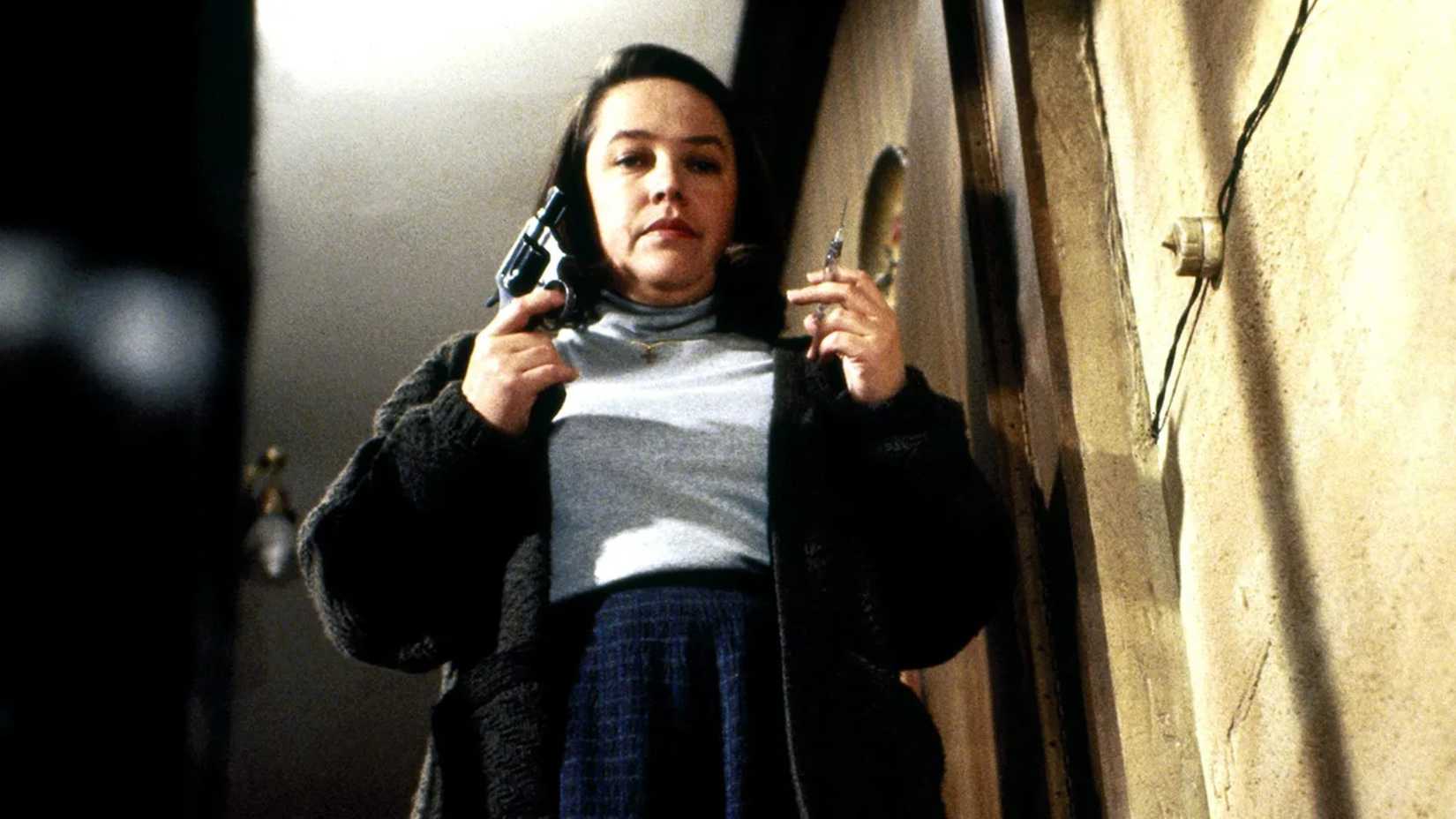
There have been a lot of indisputable Best Actress Oscar winners over the years, but Kathy Bates’ win for Misery is usually overlooked. The Stephen King adaptation taps her to play obsessed book fan Annie Wilkes, and she goes above and beyond what even the “King of Horror” could dream up in his worst nightmares.
Kathy Bates makes Annie Wilkes feel like a human being, which gives her an even scarier aspect than any one-dimensional novel villain. Bates treats the performance like a drama, a rarity in the realm of horror. Rob Reiner’s classic only got one Oscar nomination, and Kathy Bates deservedly took home the little gold statue.
An American Werewolf In London (1981) – Best Makeup
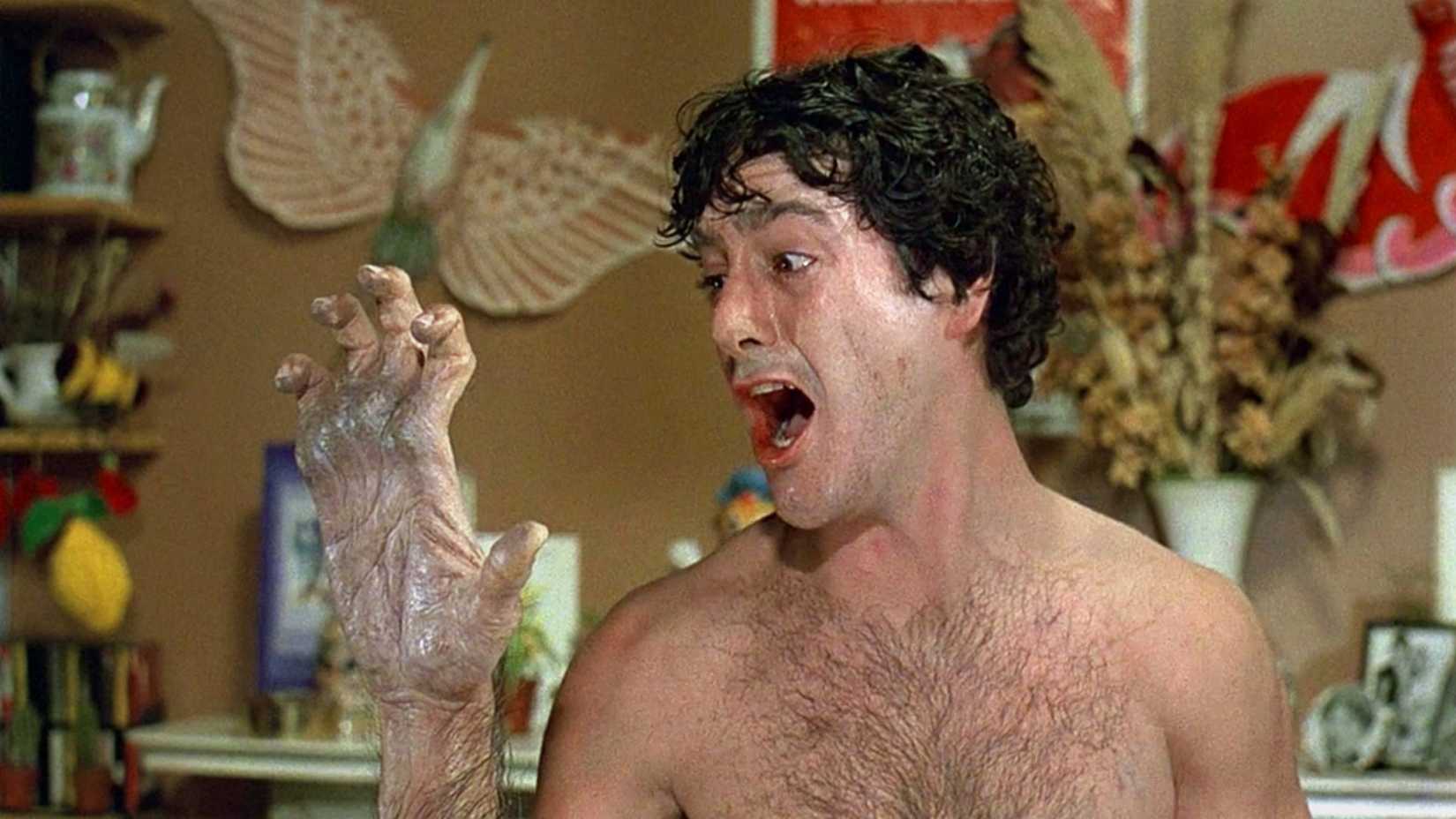
Following outrage that no such category existed the year prior, An American Werewolf in London received the first ever Best Makeup Oscar at the 1982 ceremony. Effects wizard Rick Baker created all the terrifying makeup moments in the John Landis horror comedy, but cemented the win with the eye-popping transformation scene. 45 years later, it hasn’t been topped.
Baker combined mechanical effects with traditional makeup know-how, to craft one of the best sequences in all of horror history. He won the Oscar easily, because there was only one other film even nominated (Heartbleeps). However, his work is so legendary that he could have snagged the award in any year.
Jaws (1975) – Best Original Score
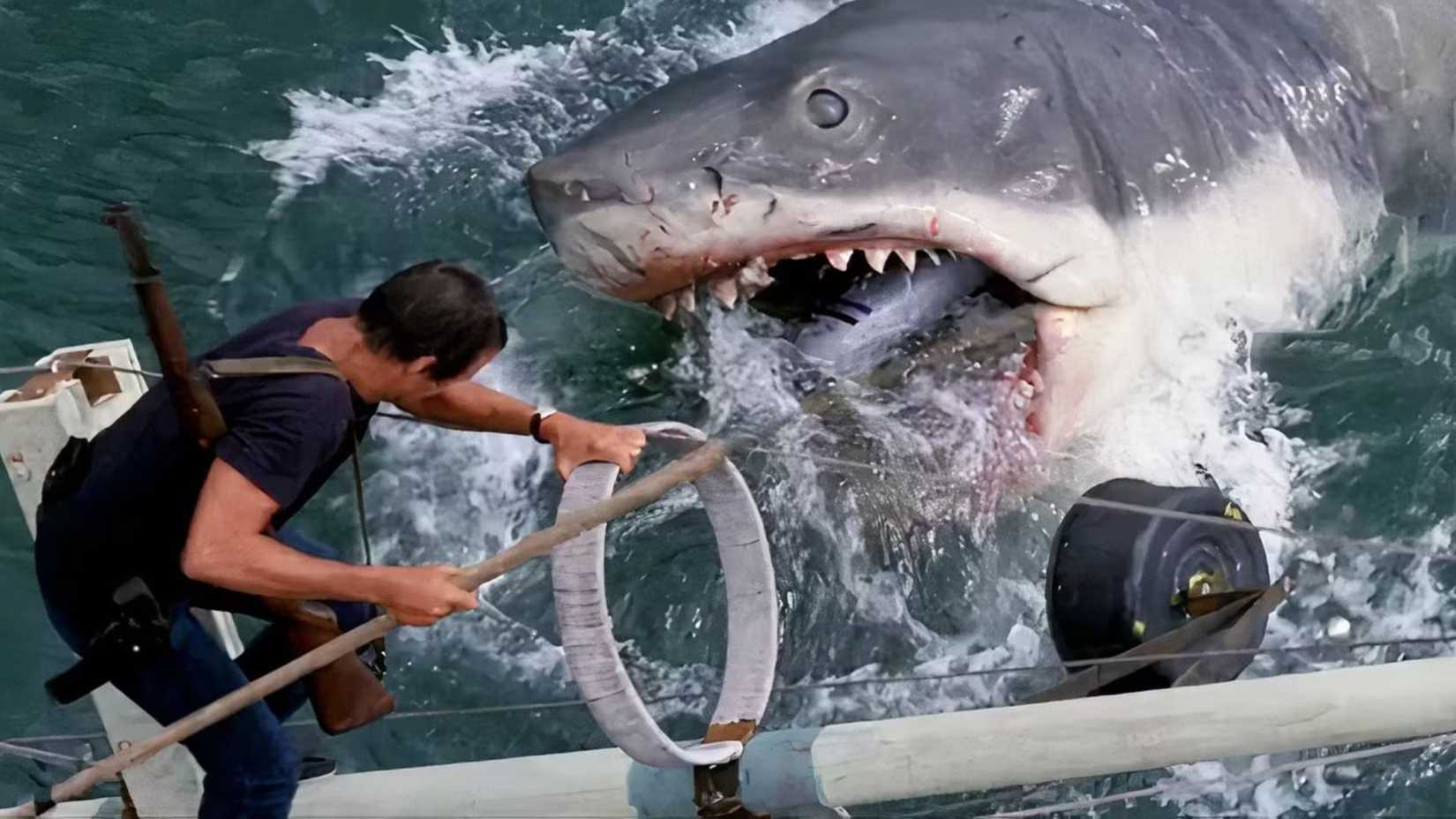
Back when the Academy split its category in two, Jaws took home the Best Original Score Oscar as a drama. Music is integral to the horror movie experience, and John Williams’ epic score is the driving heartbeat of the shark attack classic. Steven Spielberg made viewers afraid to go into the water, and Williams underscored every frightening moment.
The simple-yet-effective main theme creates a sense of lurking fear, and it has taken its place among the all-time greats of movie music. Williams has had a lot of Oscar success throughout his career, and all of his wins are indisputable. However, Jaws is so important to the horror genre that it exists in a category all its own.
The Exorcist (1973) – Best Adapted Screenplay
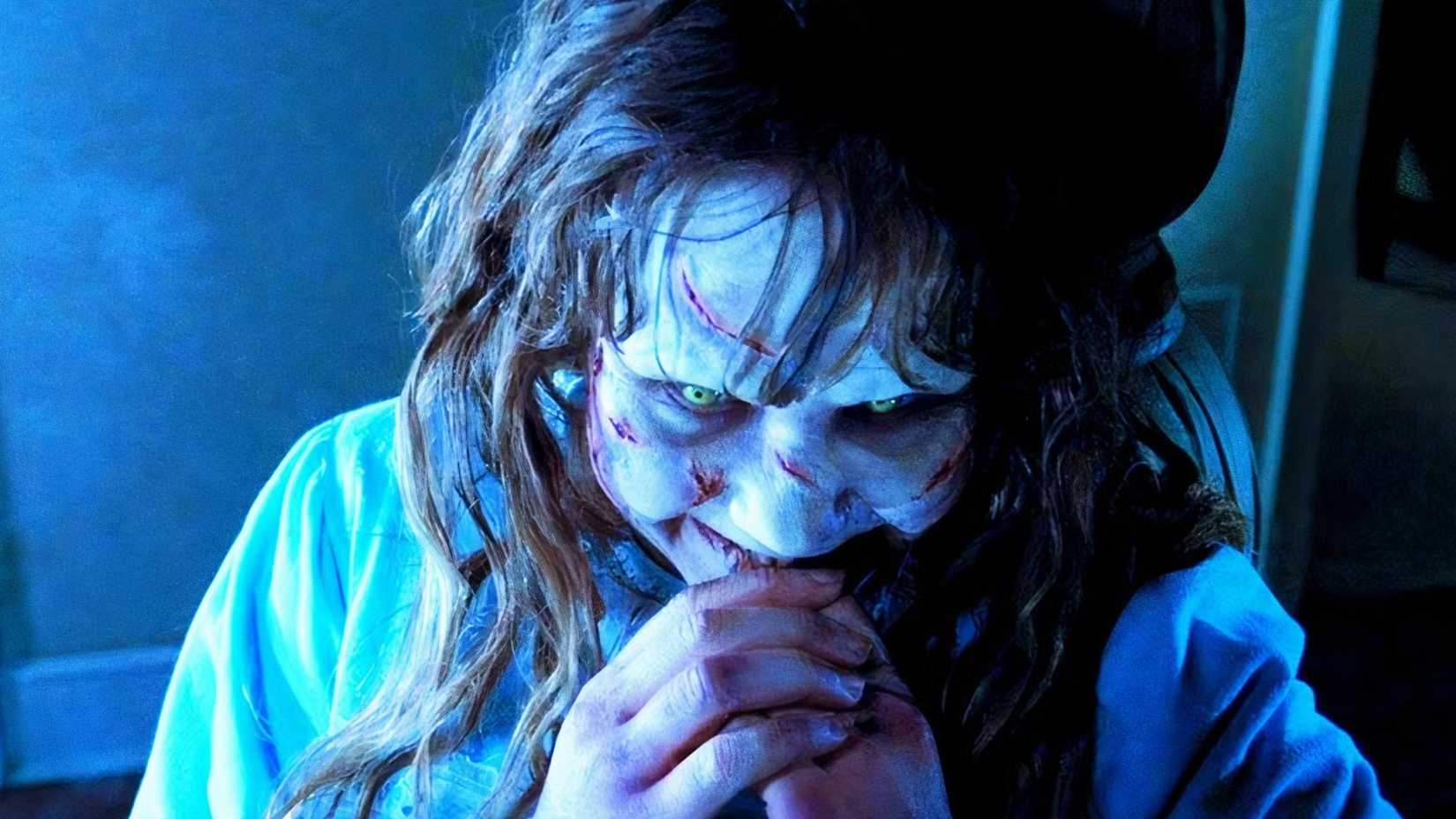
Author William Peter Blatty was tapped to adapt his own novel into the screenplay for The Exorcist, and he struck Oscar gold. Though the troubled production caused the bestselling wordsmith a lot of pain and suffering, his translation is arguably what makes The Exorcist such an effective film. Underneath all the horror are deeper themes of faith and disillusionment.
The Exorcist was the first horror film ever nominated for Best Picture.
Adapted Screenplay is often overshadowed by its Original counterpart, but Blatty’s indisputable win shows how important the category can be. The author’s novel is quite different from the movie, and every painful change made the film better. It’s easy for a screenwriter to dissect someone else’s work, but it takes a deft hand to do it to one’s own book.
Fredric March – Dr. Jekyll And Mr. Hyde (1931) – Best Actor
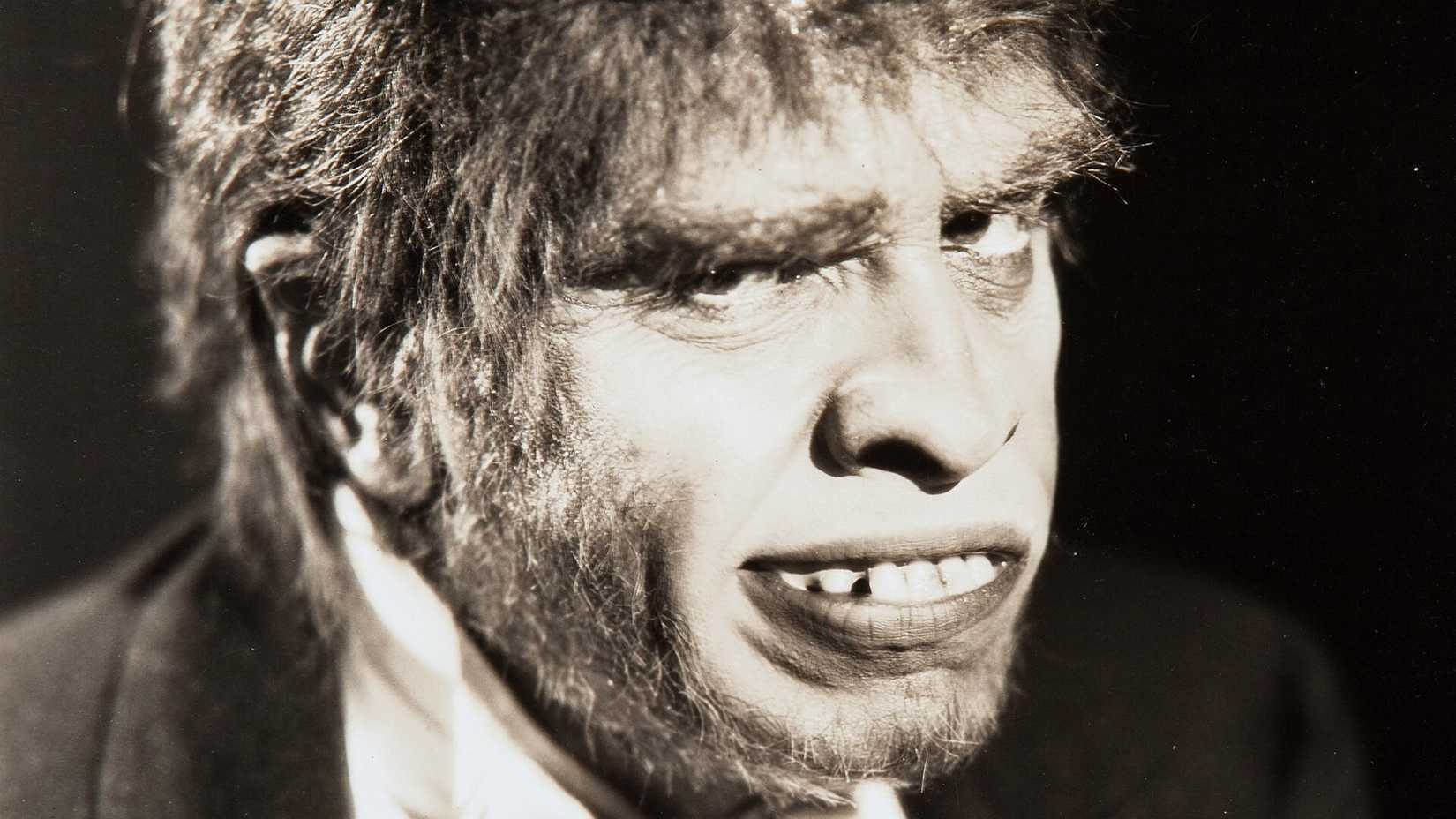
The 1931 adaptation of Dr. Jekyll and Mr. Hyde was the first horror film to win an Oscar. Fredric March won the Best Actor award for his dual performance as the two title characters, though it was his bombastic turn as Mr. Hyde that likely got him the gold. He stepped way out of his comfort zone and was handsomely rewarded.
Mr. Hyde is one of the most sinister monsters of early cinema, and the film is shocking for the time. Acting through a lot of makeup, March is electric as the misanthropic alter-ego. It’s especially impressive when compared to his performance as Dr. Jekyll. The Academy Awards ignored horror throughout the Golden Age, but March couldn’t be denied.
- Location
-
Los Angeles, CA
- Dates
-
March 15, 2026
- Website
-
https://www.oscars.org/