

The history of the movie musical is often treated as the safest genre in Hollywood—all jazz hands, Technicolor smiles, and predictable emotional beats. But if you dig beneath the surface of the mainstream hits, you’ll find a treasure trove of cinematic fever dreams. These are the films where directors were given massive budgets and zero oversight, resulting in near-perfect experiments that were either too weird, too cynical, or too visionary for their own time.
To be a forgotten masterpiece in this genre usually means the film arrived 10 years too early or from a completely different dimension. Whether it’s deconstructing the Great Depression through unsettling lip-syncing or reimagining the Book of Genesis as a disco-themed dystopian nightmare, these movies offer a raw creativity that sanitized studio hits can’t touch. They are the high-stakes gambles of cinema—singular visions that defy the traditional rules of choreography and composition.
We’ve rounded up 10 of the most stylistically bizarre, critically underrated, and flat-out unhinged musical movies that time forgot. From hand-built practical sets to post-apocalyptic rock operas, these are the cult classics that deserve a spot on your “must-watch” list.
10
The Apple (1980)
A Dystopian Disco Fever Dream
- Release Date
-
November 21, 1980
- Runtime
-
86 minutes
- Writers
-
Menahem Golan
- Producers
-
Yoram Globus
-
Catherine Mary Stewart
Bibi
-

-
-

This film is the ultimate “so-bad-it’s-transcendent” masterpiece. Produced by the legendary action-movie studio Cannon Films, it attempts to tell a biblical allegory through the lens of a 1994 dystopian future (as imagined in 1980) where the world is ruled by a corporate music mogul. It features glitter-covered vampires, a song about “Speed” that is genuinely catchy, and a finale involving a literal flying car and God.
While it is arguably the most “broken” movie on this list, its commitment to its own insanity is flawless. It represents a specific moment in time where disco, sci-fi, and religious fervor collided into a spectacular, neon-lit pileup that remains one of the most visually distinctive things ever put to celluloid.
9
Pete’s Dragon (1977)
Disney’s Gritty Folk-Horror Experiment
- Release Date
-
November 3, 1977
- Runtime
-
128 Minutes
- Director
-
Don Chaffey, Don Bluth
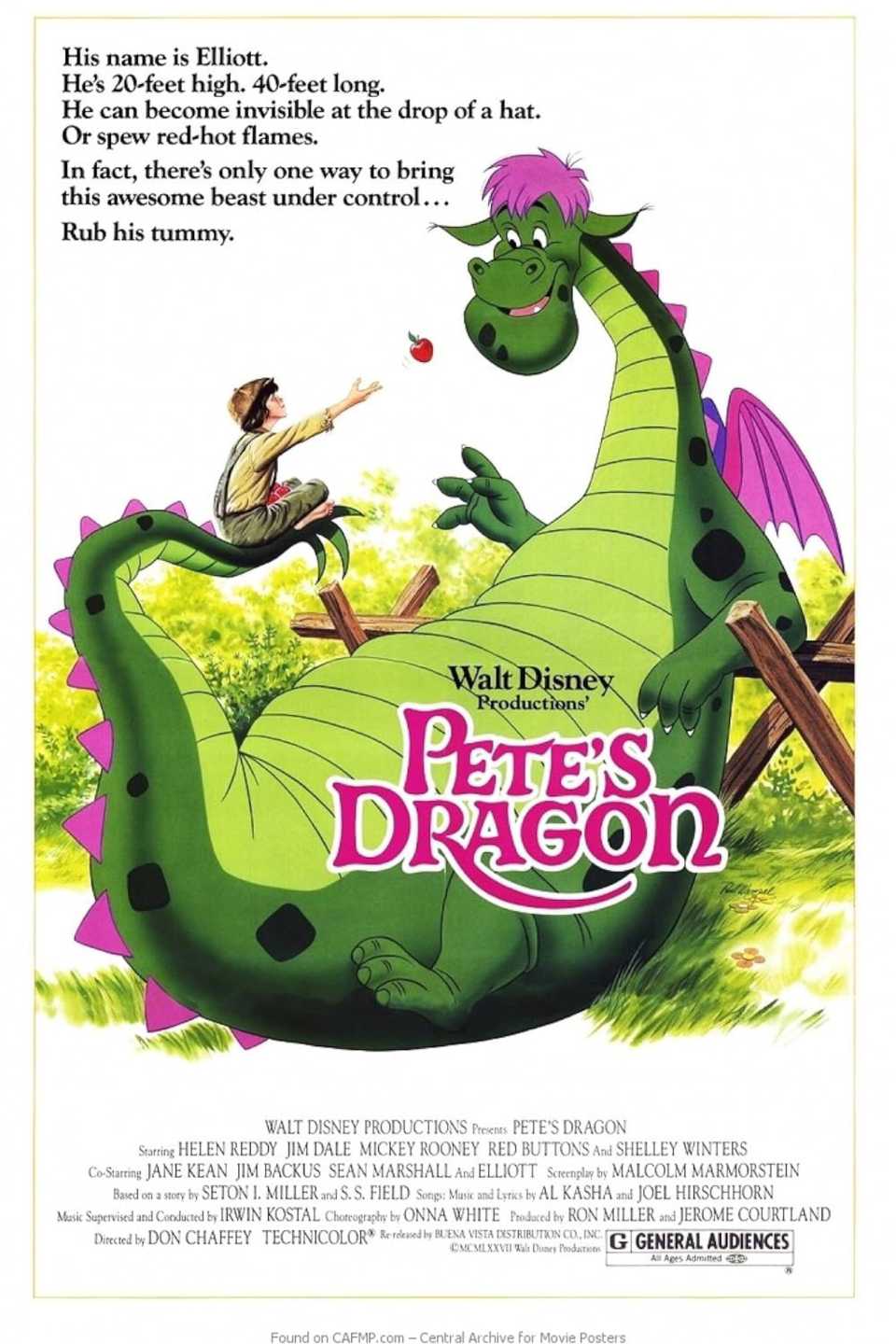
Unlike the sanitized 2016 remake, the original 1977 film is a gritty, folk-horror-adjacent musical masquerading as a Disney kids’ flick. It features a genuinely menacing family of hillbillies (The Gogans) who sing about “buying” a child and a quack doctor who wants to harvest a dragon’s organs for medicinal profit.
The film’s strength lies in its tonal whiplash. The songs are earnestly beautiful, traditional Disney-style ballads, but they are juxtaposed against a world of mud, drunk lighthouse keepers, and child endangerment. It is a perfect example of a studio-era musical that leaned into a dark, rustic aesthetic that modern studios would never attempt today.
8
Earth Girls Are Easy (1989)
The Ultimate Neon-Drenched ’80s Time Capsule
- Release Date
-
May 12, 1989
- Runtime
-
100 Minutes
- Director
-
Julien Temple
- Writers
-
Julie Brown, Charlie Coffey, Terrence E. McNally
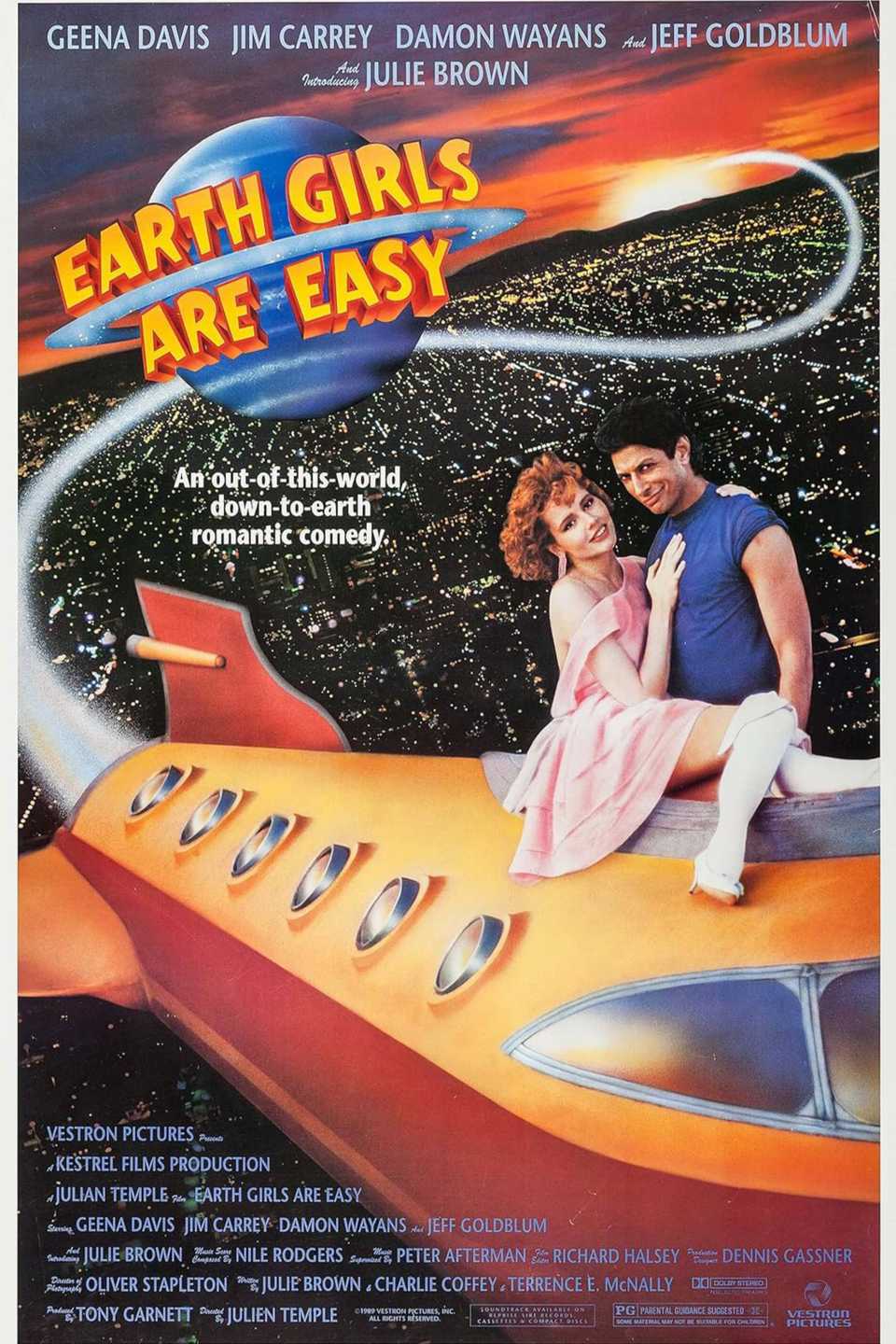
This is a candy-colored, Valley Girl fever dream that manages to be both a legitimate rom-com and a surreal sci-fi satire. Jeff Goldblum, Jim Carrey, and Damon Wayans starring as three furry, brightly colored aliens who get “made over” into hunky ’80s heartthrobs is a premise that only Julie Brown and Geena Davis could have pulled off with this much charm.
It perfectly captures the high-gloss, neon-pastel aesthetic of the late ’80s. It’s “near perfect” as a time capsule; the musical numbers (especially “‘Cause I’m a Blonde”) are sharp, satirical, and technically impressive, yet the film is often unfairly dismissed as a mere “zany” comedy rather than the visionary pop-art musical it is.
7
Shock Treatment (1981)
The Prophetic Sequel To Rocky Horror
- Release Date
-
August 21, 1981
- Runtime
-
94 minutes
- Writers
-
Jim Sharman
- Producers
-
John Goldstone, Lou Adler
Cast
-
Cliff DeYoung
Brad Majors / Farley Flavors
-
Jessica Harper
Janet Majors
-
Richard O’Brien
Dr. Cosmo McKinley / Kitchenware Announcer (voice)
-
Patricia Quinn
Dr. Nation McKinley

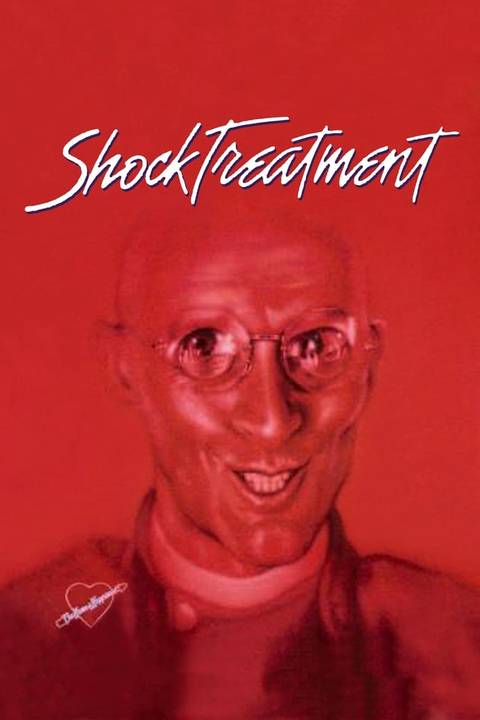
As the “equal, not sequel” to The Rocky Horror Picture Show, this film was a massive commercial failure that turned out to be eerily prophetic. It replaces the haunted house with a giant TV studio town where everyone is either a performer or an audience member, predicting the rise of reality television, influencer culture, and the “surveillance state as entertainment” decades before they became reality.
It is stylistically more cohesive than its predecessor. The songs by Richard O’Brien are arguably tighter and more “new wave” than Rocky Horror, and the production design creates a sterile, claustrophobic atmosphere that is both deeply unsettling and undeniably cool.
While Shock Treatment is often called a sequel to The Rocky Horror Picture Show, it was originally intended to be a direct follow-up titled Revenge of the Old Queen. When Tim Curry declined to return as Dr. Frank-N-Furter, the script was completely overhauled into the reality-TV satire we see today.
6
Forbidden Zone (1980)
A DIY Punk-Rock Cabaret
- Release Date
-
March 15, 1980
- Runtime
-
74 minutes
- Director
-
Richard Elfman
- Writers
-
Matthew Bright, Nicholas James
-
Hervé Villechaize
King Fausto of the Sixth Dimension
-
Susan Tyrrell
Queen Doris of the Sixth Dimension
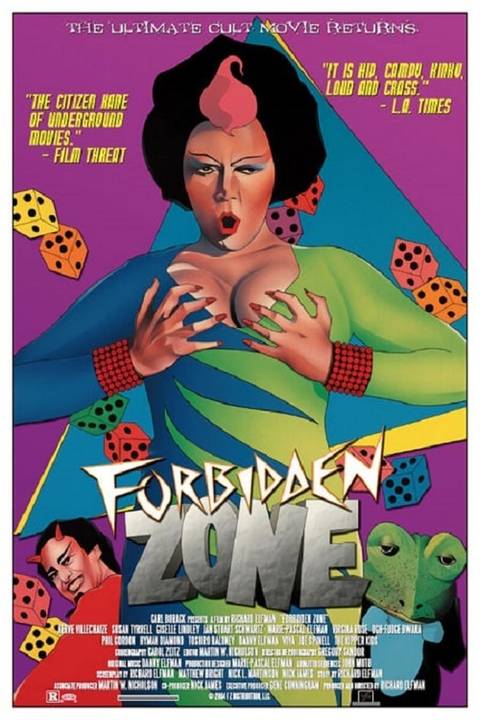
There is nothing else that looks or sounds like Forbidden Zone. It is a 1930s Max Fleischer cartoon brought to life by the manic energy of a Los Angeles punk-cabaret troupe. With Danny Elfman’s early, chaotic scoring and a set made of cardboard and paint, it’s a DIY masterpiece that feels like it’s being performed in your living room by people who haven’t slept in a week.
The film earns its spot for its total lack of restraint. It is offensive, absurd, and brilliantly creative, representing a “perfect” version of underground, zero-budget filmmaking where imagination compensates for a lack of resources. It’s the definition of an obscure classic that has to be seen to be believed.
Forbidden Zone was filmed on a shoestring budget of roughly $30,000. Most of the expressionist, black-and-white sets were made out of cardboard and cheap house paint, which actually helped achieve the film’s unique living comic strip aesthetic.
5
Rock & Rule (1983)
The Adult Animation Masterpiece
- Release Date
-
April 15, 1983
- Runtime
-
77 minutes
- Director
-
Clive A. Smith
- Writers
-
John Halfpenny
-
-
Lou Reed
Mok (singing voice)
-
Susan Roman
Angel (voice)
-
Debbie Harry
Angel (singing voice)

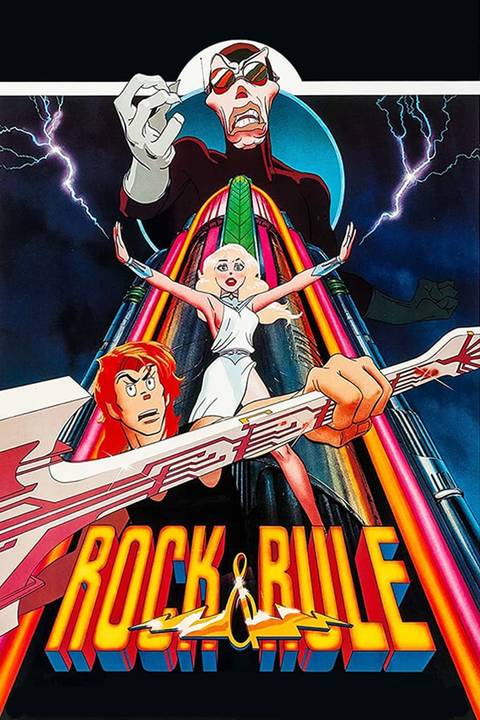
This is the “mature” animated musical that Hollywood was too afraid to make. Featuring a post-apocalyptic world of animal mutants and a soundtrack featuring Debbie Harry and Lou Reed, it’s a dark, atmospheric rock opera that feels like a moving painting. The villain, Mok, is a terrifying, Bowie-esque egoist who remains one of the most memorable antagonists in animation history.
The technical brilliance here is staggering. The animation is lush and experimental, and the way it integrates its rock soundtrack into the narrative is much more sophisticated than the typical musical. It is a “near perfect” marriage of adult animation and 1980s rock culture.
4
Ladies and Gentlemen, The Fabulous Stains (1982)
The Blueprint For Feminist Punk
- Release Date
-
October 1, 1982
- Runtime
-
87 minutes
- Director
-
Lou Adler
- Writers
-
Nancy Dowd
- Producers
-
Joe Roth
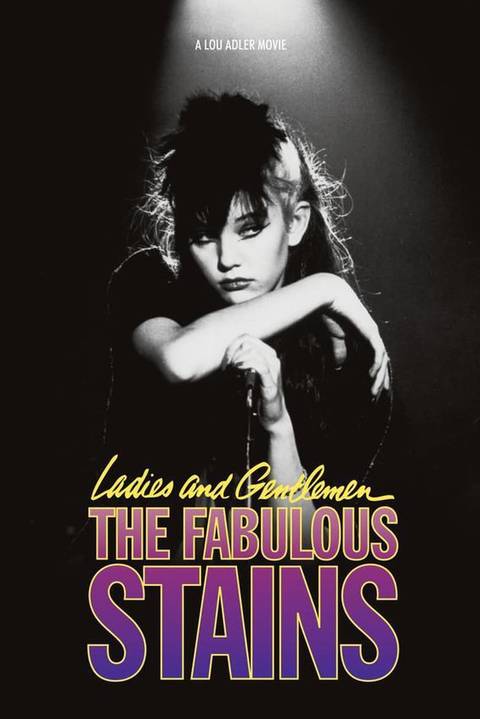
Before the Riot Grrrl movement of the ’90s, there was The Fabulous Stains. This film is a raw, cynical look at the music industry through the eyes of three teenage girls who start a punk band as a way to escape their dead-end town. It stars a teenage Diane Lane and features real members of The Sex Pistols and The Clash.
It earns this spot because it was a massive commercial failure that became a foundational text for feminist punk. It captures the transition from the polished rock of the ’70s to the jagged, DIY energy of the ’80s with a level of authenticity that big-budget studio films could never replicate. It is a “near-perfect” time capsule of teenage rebellion that remains criminally under-watched.
For maximum punk authenticity, look for the band members in Ladies and Gentlemen, The Fabulous Stains. The movie features Steve Jones and Paul Cook of The Sex Pistols, as well as Paul Simonon from The Clash, playing the fictional band “The Looters.”
3
Popeye (1980)
A Live-Action Cartoon Miracle
- Release Date
-
December 12, 1980
- Runtime
-
114 Minutes
- Director
-
Robert Altman
- Writers
-
Jules Feiffer
- Producers
-
C.O. Erickson
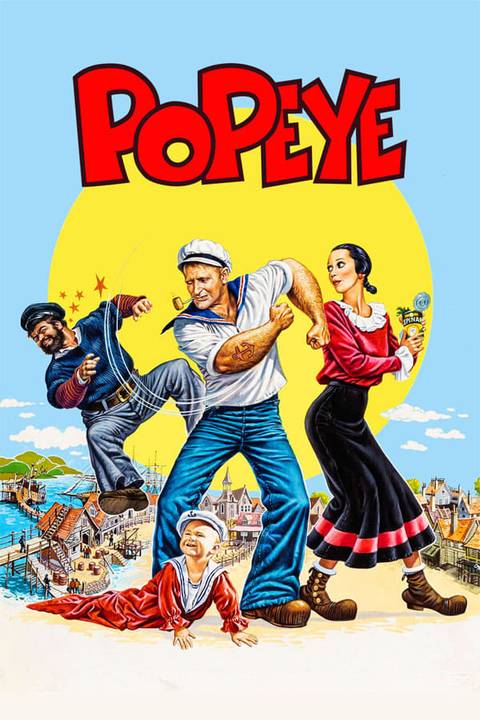
Robert Altman’s Popeye is a miracle of production design. The entire town of Sweethaven was built as a real, practical set on the coast of Malta, and the film feels like a “live-action cartoon” in the most literal sense. Robin Williams’ performance is a masterpiece of physical comedy, and Harry Nilsson’s eccentric, slightly-out-of-tune soundtrack is the perfect sonic accompaniment.
It was hated upon release for not being a “standard” Disney-style adventure, but viewed today, it is a staggering achievement in world-building. It is “near perfect” because it feels like a fever dream of a comic strip come to life.
The massive set for Popeye was so well-built that it was never torn down. Located in Anchor Bay, Malta, the “Sweethaven Village” set was preserved and turned into a major tourist attraction called Popeye Village, which still operates as an open-air museum today.
2
Pennies from Heaven (1981)
A Brutal Deconstruction Of The American Dream
- Release Date
-
December 11, 1981
- Runtime
-
108 Minutes
- Director
-
Herbert Ross
-
-
-
-
Vernel Bagneris
The Accordion Man


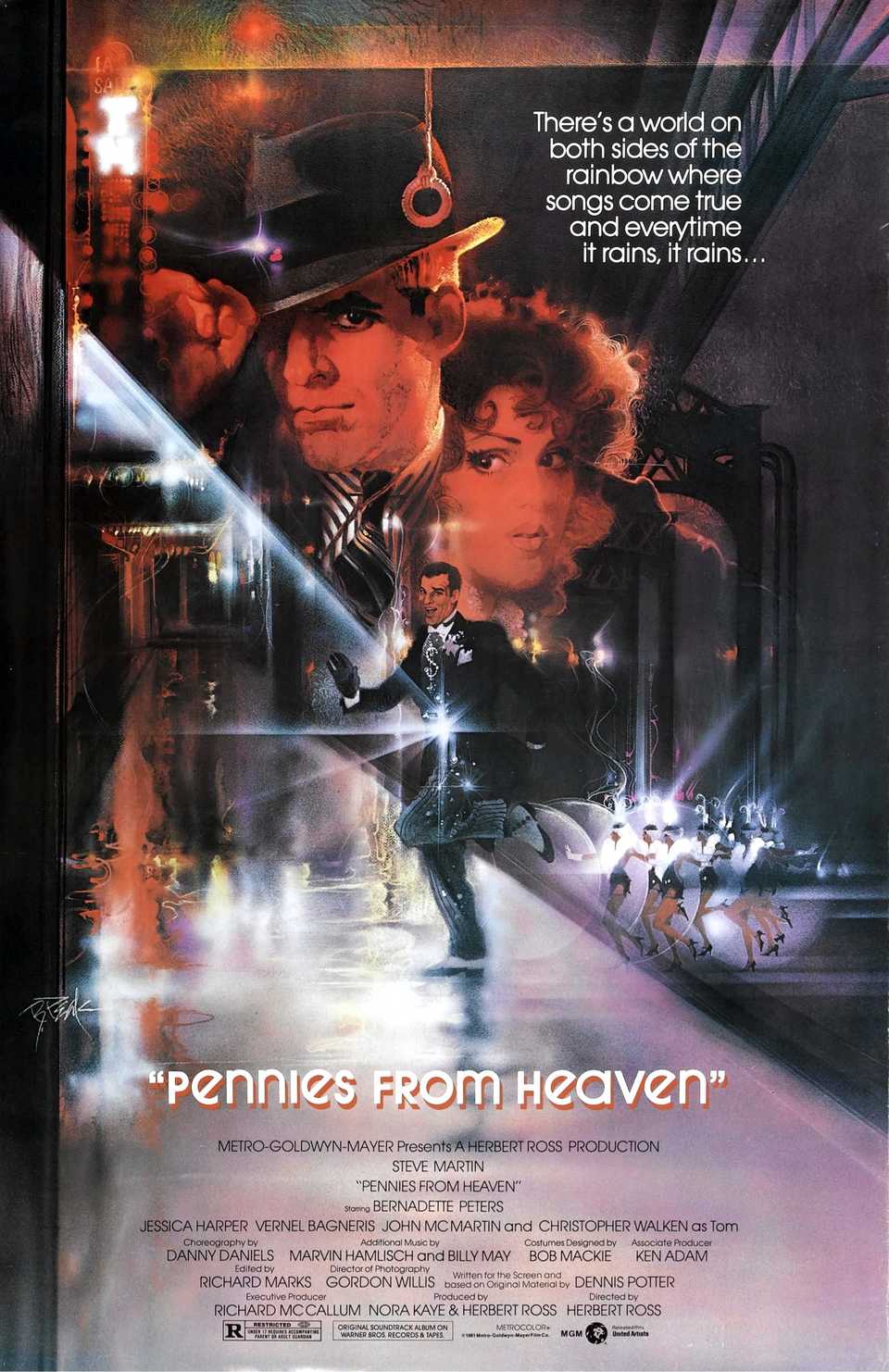
This film is a gut-punch. Steve Martin stars as a sheet-music salesman in the Great Depression who retreats into hyper-idealized musical fantasies to escape his miserable life. The trick? The actors don’t sing; they lip-sync to original 1930s recordings, creating a jarring, eerie gap between the shiny music and the bleak reality.
It is a profound piece of art that uses the musical genre to comment on the “lie” of the American Dream. Christopher Walken’s tap-dancing striptease is one of the single greatest sequences in film history, and the movie’s unrelenting cynicism makes its moments of beauty feel earned.
Keep in mind while watching Pennies from Heaven, the fact that the actors lip-sync to original 1930s recordings rather than singing themselves wasn’t a cost-cutting measure. Director Herbert Ross used this to create a Brechtian alienation effect, highlighting the painful gap between the characters’ grim reality and their Hollywood-fueled fantasies.
1
Phantom of the Paradise (1974)
The King Of Cult Rock Operas
- Release Date
-
October 31, 1974
- Runtime
-
91 Minutes
- Director
-
Brian De Palma
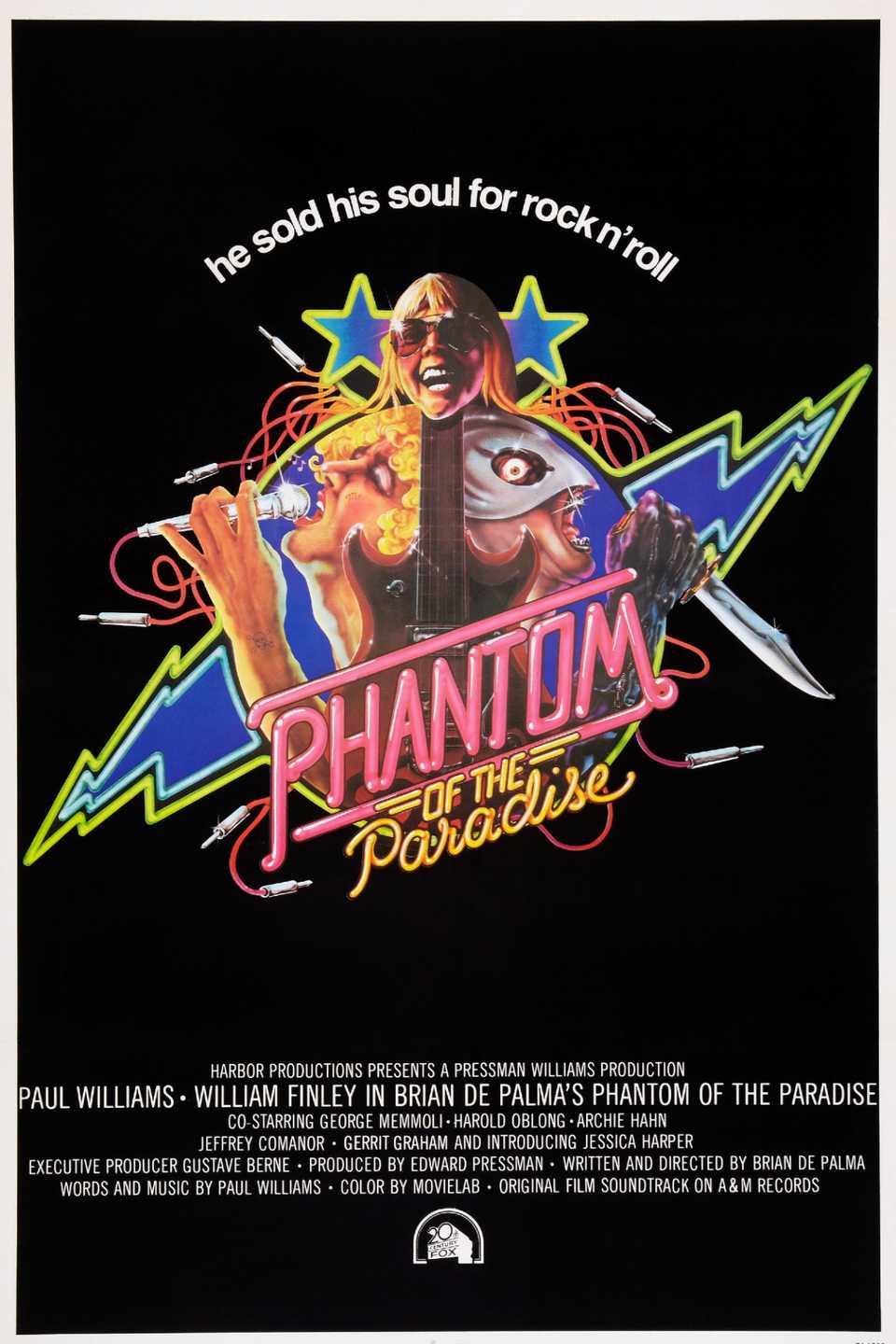
Brian De Palma’s rock-opera mashup is the king of the forgotten musicals. It is a visually explosive, narratively chaotic blend of Faust, The Phantom of the Opera, and The Picture of Dorian Gray, all set to the incredible, genre-hopping music of Paul Williams. It predicted the glitz of disco, the grit of punk, and the spectacle of the modern music industry with terrifying accuracy.
It succeeds on every level: it is a hilarious satire, a genuine tragedy, a visual marvel, and a brilliant record all at once. Its influence—on everyone from Daft Punk to Edgar Wright—is immense, yet it remains a cult secret. It is the definitive example of a movie that was too bold for its own time, but is perfect for ours.
When watching Phantom of the Paradise, pay close attention to the character Swan. His iconic silver helmet and leather aesthetic were a primary visual inspiration for the legendary electronic duo Daft Punk, who reportedly saw the film over 20 times in theaters.