

These early Western movies featured some of Hollywood’s biggest names, including John Wayne, Gary Cooper, Ward Bond, James Stewart, and many more. While names like Clint Eastwood and Kevin Costner rose up in later years, the early Westerns remain classics for a reason. Many older Westerns hold up masterfully today.
Butch Cassidy and the Sundance Kid (1969)
William Goldman wrote some of the best movies in Hollywood history, and it is almost shocking that his first screenplay remains one of the Western genre’s greatest films. In 1969, George Roy Hill released his Western, Butch Cassidy and the Sundance Kid, which won William Goldman a Best Original Screenplay Oscar.
The movie remains memorable today, with two of Hollywood’s greatest actors in the lead roles. Paul Newman stars as Butch Cassidy, and Robert Redford is the Sundance Kid, two outlaws trying to escape to Bolivia, where they believe a paradise awaits them. However, their fate is much worse.
This movie has a brilliant script, incredible acting, and a finale that has been copied by countless movies since. The idea of following two beloved outlaws, rather than the law enforcement officers trying to bring them down, is also something that has become more popular, and this movie did it masterfully.
The Magnificent Seven (1960)
The Magnificent Seven is a movie that remade the classic Akira Kurosawa samurai classic, Seven Samurai, transplanting the story from medieval Japan to the American West. What is amazing is that it worked just as well here as it did in Kurosawa’s masterpiece. Seven men are asked to save a town from evil bandits.
The movie is a perfect look at fighting against overwhelming odds, and The Magnificent Seven has such a great legacy that people talk about it as much as they do the movie it was based on. The idea of bad men doing good things to help people in need is one of cinema’s best tropes, and it was done so well here.
The movie was also remade decades later, and without many changes, it was again a success. This is a story that works as well in 2026 as it did when it was released 66 years ago.
High Noon (1952)
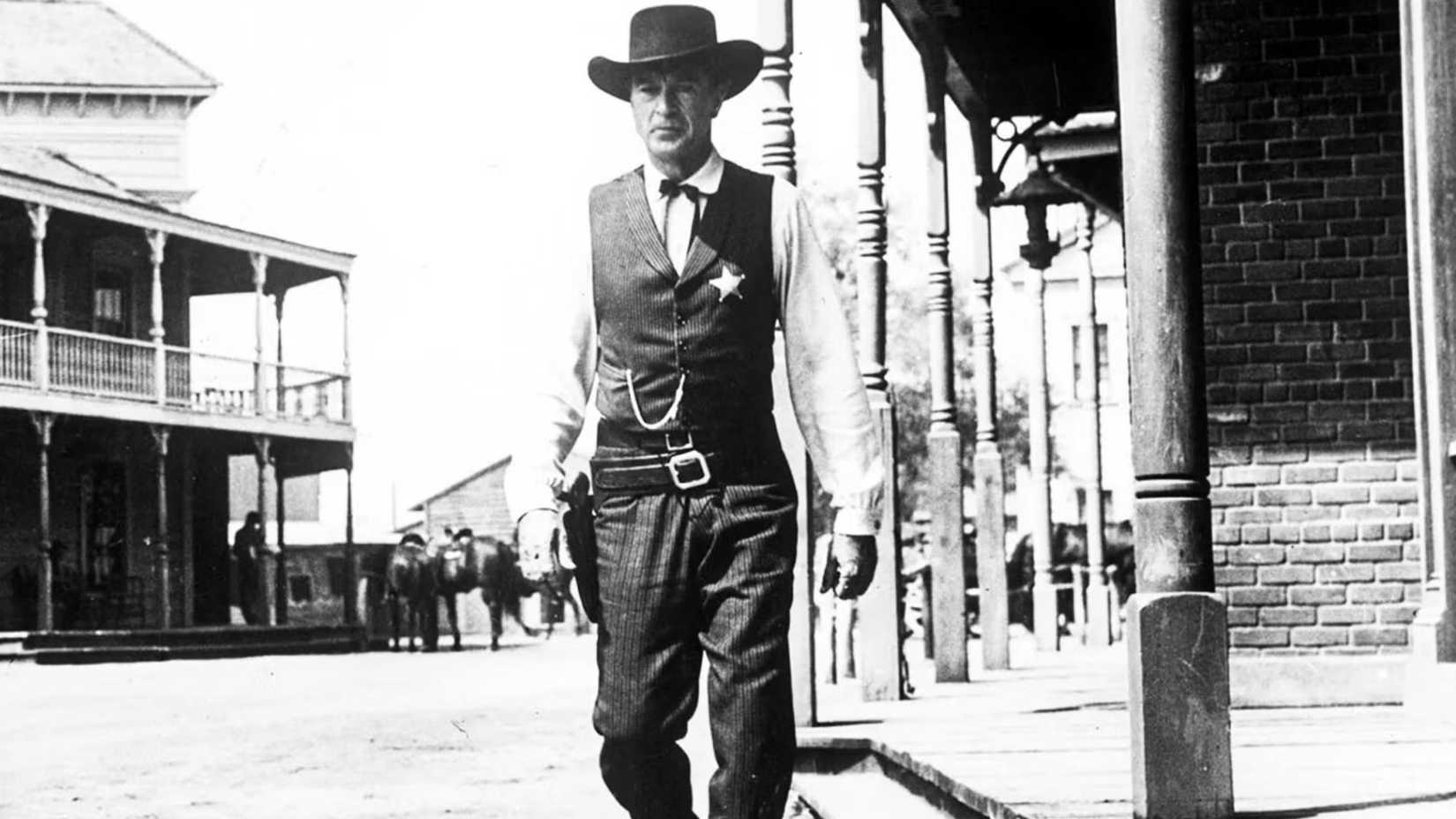
John Wayne refused to star in High Noon because he considered it a Communist movie, but it ended up as a genuine and honest look at America. Instead of John Wayne, Gary Cooper took on the lead role as Marshal Will Kane, a man preparing to retire after getting married. However, he has one last mission.
A man he put in prison before has escaped and is coming to the small town for revenge. Kane asks the townspeople for help, and they all reject him out of fear. No matter how much he helped protect them in the past, they wouldn’t put their lives on the line for him. That is what Wayne hated, but it is real life.
This plays so well today, as so many people will ignore cries for help if it means protecting themselves, and that is what Kane had to deal with in High Noon. When he won in the end and then turned his back on the town and left, it was a perfect moment and one that resonates well 70 years later.
The Man Who Shot Liberty Valance (1962)
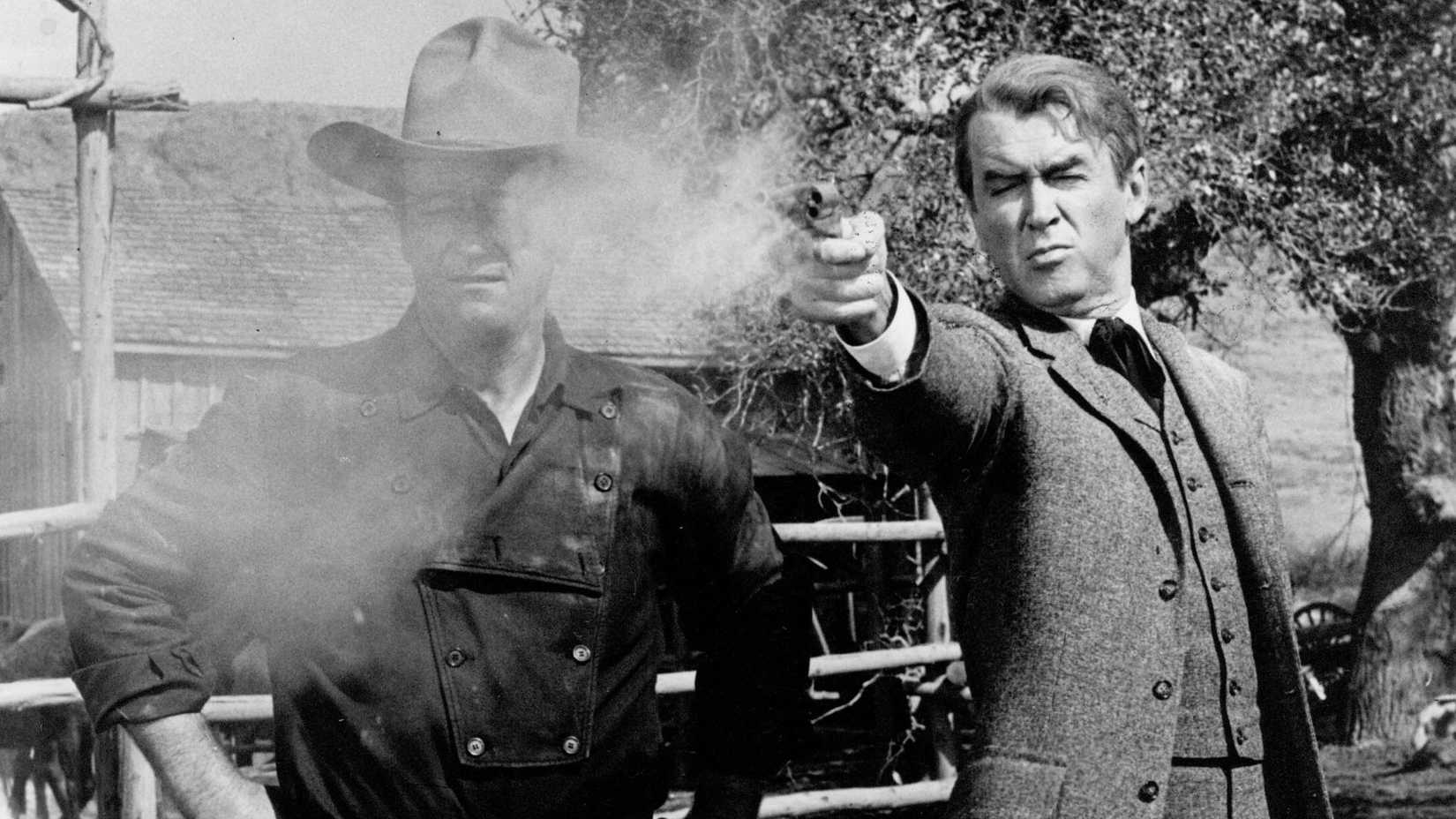
The Man Who Shot Liberty Valance has such a nuanced message that it has only gotten more important as the years have gone on. The story itself is simple, as a politician arrives in town and has big ideas for improving society, but he soon makes enemies with a bandit named Liberty Valance, who wants to kill him.
Jimmy Stewart plays the politician, Ranse Stoddard, and he is perfectly cast in the role. John Wayne stars as Tom Doniphon, the rancher whom Ranse asks to help teach him how to shoot a gun and defend himself. By the end, Liberty Valance is dead, and Ranse wins his political seat thanks to the notoriety of killing the villain.
The twist is that Ranse didn’t kill Liberty, even though the world thinks he did. Tom knew Ranse would miss, and killed Liberty from across the street. The world then printed the “myth” because it was more important than the truth. This is what the Western genre has always been about, and the idea of mythology here is still relevant in storytelling today.
Rio Bravo (1959)
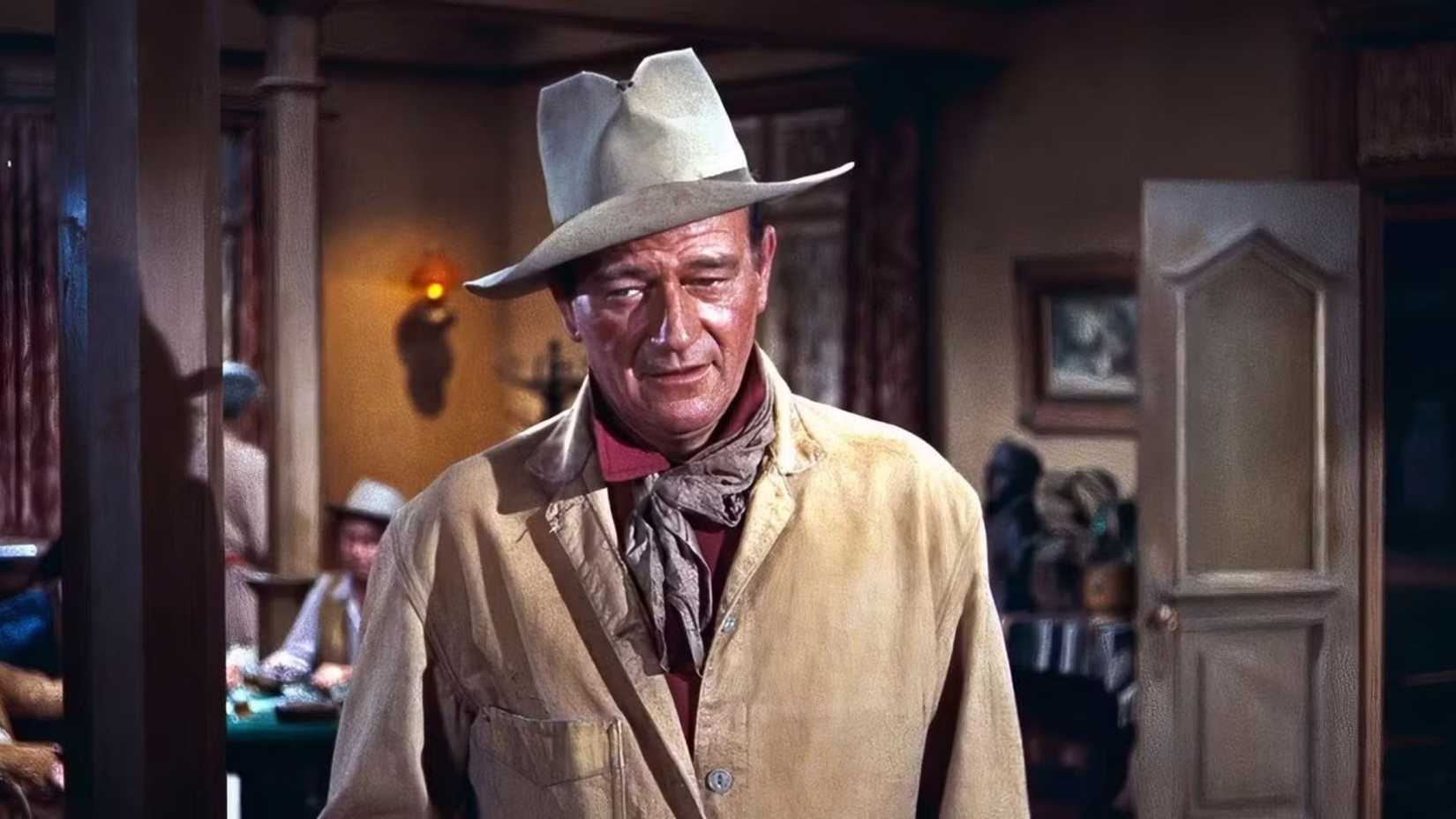
While High Noon is a brilliant look at America, John Wayne hated the film so much that he made Rio Bravo in response to it. However, while High Noon was a masterpiece, no matter what Wayne thought of it, Rio Bravo was also a masterpiece for other reasons.
This was another Wayne movie about the mythologized American West, where people came together to help a hero fight to protect his town. However, its story is one that holds up so well today because it has been done by so many other genres. This is a siege story with heroes locked in and defending their position.
In fact, John Carpenter remade this movie twice, once in the action movie Assault on Precinct 13 and again years later in the sci-fi action movie Ghosts of Mars. It’s also easy to see the influence on directors like Quentin Tarantino.
Shane (1953)
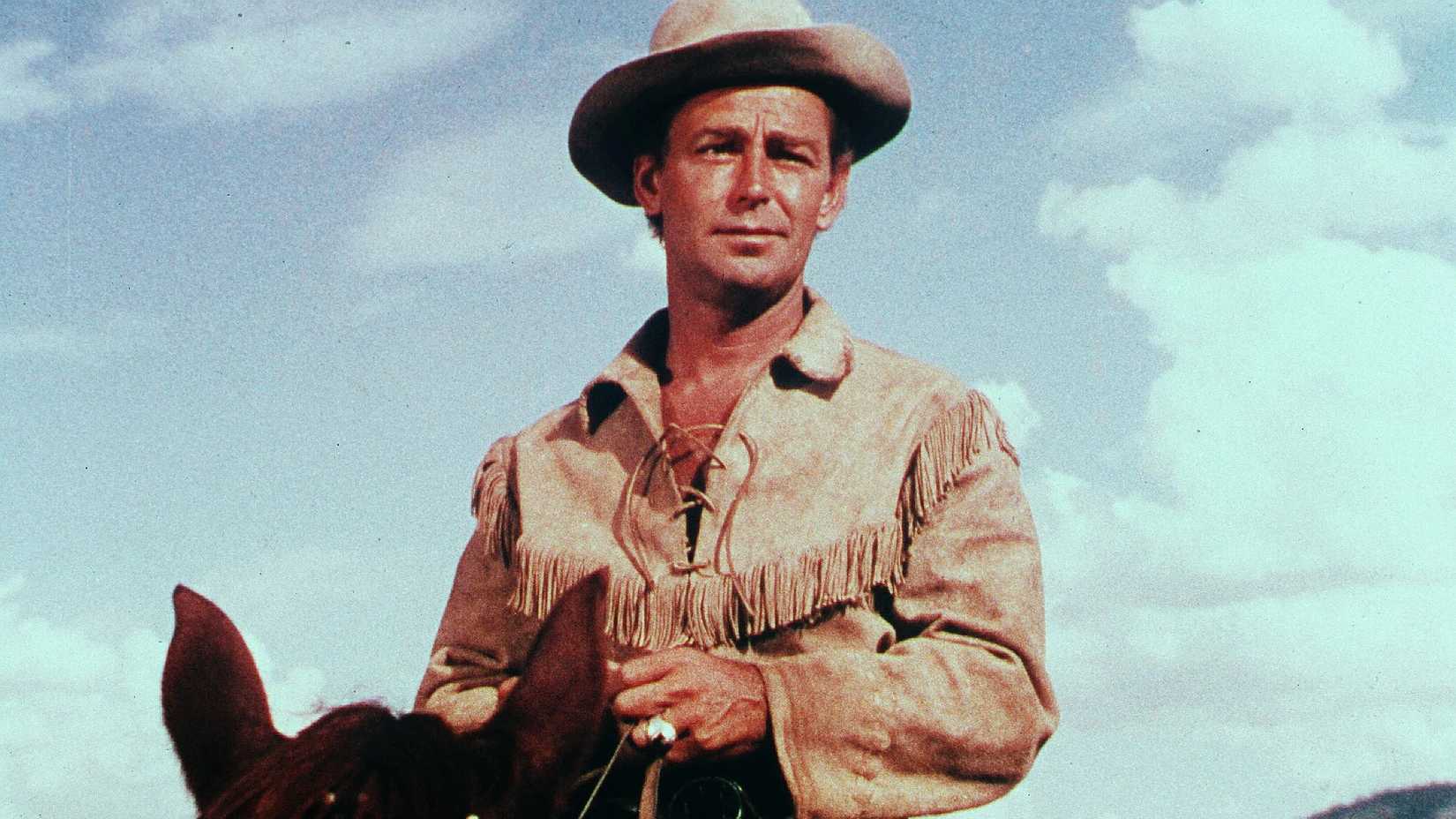
Shane is a little different. It is a Western movie that holds up so well today because of the idea of one man, no matter how conflicted, helping people in need. It is a lot quieter and easier going, and it doesn’t go as violently or explosively as other Westerns. However, its story is what makes it so endearing.
Alan Ladd is Shane, a skilled gunfighter with a mysterious past who dies in town and is hired as a farmhand. He becomes friends with his boss and his family, including their young son Joey. When a strong-armed man attempts to push people out of the territory to claim it for himself, Shane defends them.
The last scene in the movie is one that has become ingrained in Western history. Shane, with a gunshot wound, rides his horse out of town as young Joey begs him to come back. Shane, at its heart, is a superhero movie where the hero is a real man who will do anything to help those in need.
True Grit (1969)
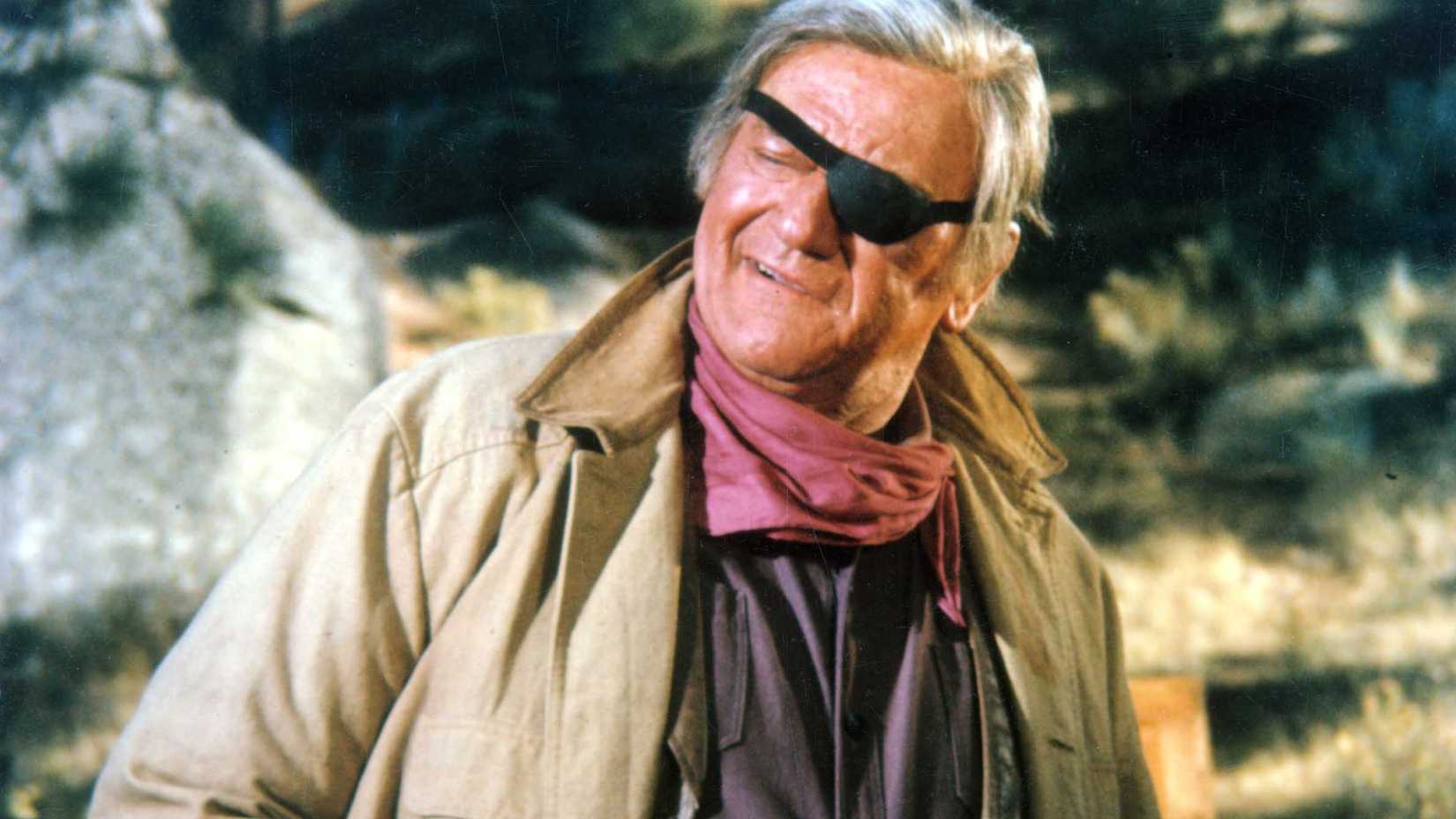
True Grit isn’t John Wayne’s best movie (that would be The Searchers), but it was the only movie where he won an Oscar for his acting. It is also one of the best Wayne movies that holds up as well today as it did when it was released. Wayne plays an old one-eyed marshal named Rooster Cogburn.
A little girl hires Rooster to find the man who killed her father and bring him to justice. He agrees, but ends up traveling with the little girl and a Texas Ranger who is also hunting for this outlaw. The film is then a journey to find the killer and bring him in or take him down, and it plays out perfectly.
This gives Wayne a chance to play a broken-down older Western hero, which is likely why he won an Oscar after his more generic Western cowboy and military roles. It was also remade by the Coen Brothers, which shows how the story holds up as well today as it did when it was released.
The Good, The Bad And The Ugly (1966)
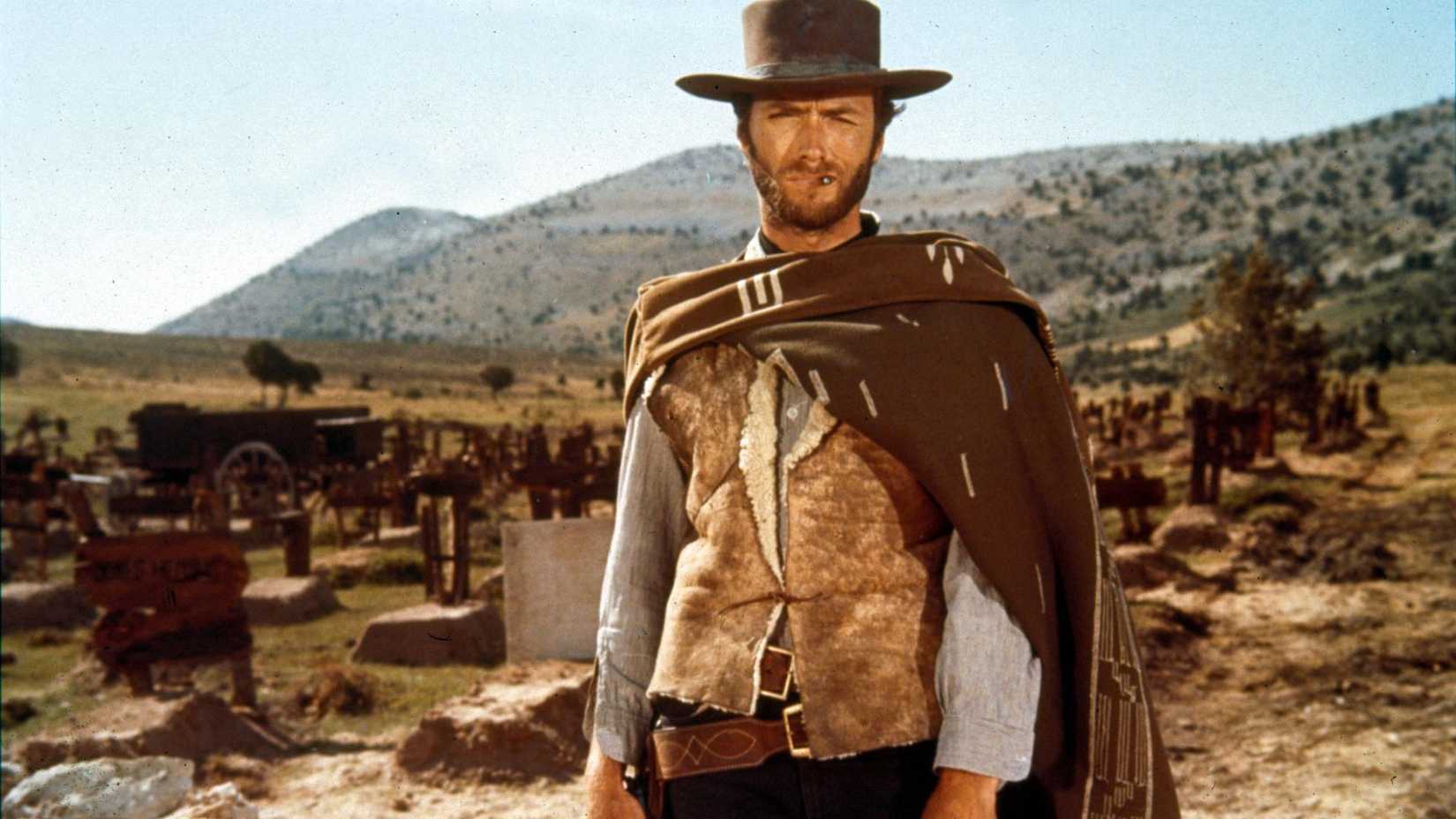
The Good, the Bad and the Ugly is a spaghetti Western, and while those are often a product of their time, this was an exception. This movie had Eastwood as The Man with No Name, and it also teamed him with Lee Van Cleef (The Bad) and Eli Wallach (The Ugly) as they hunted for Confederate gold.
The movie is very violent and has some of the best Western quotes in history. However, it is easy to see this movie’s influence on several others today, from crime dramas from names like Quentin Tarantino to other Westerns that have taken the outlaw Western and turned it into the main form of the genre.
Eastwood was also at his best here, and he transformed what cowboys looked like for the next generation of Western films.
3:10 To Yuma (1957)
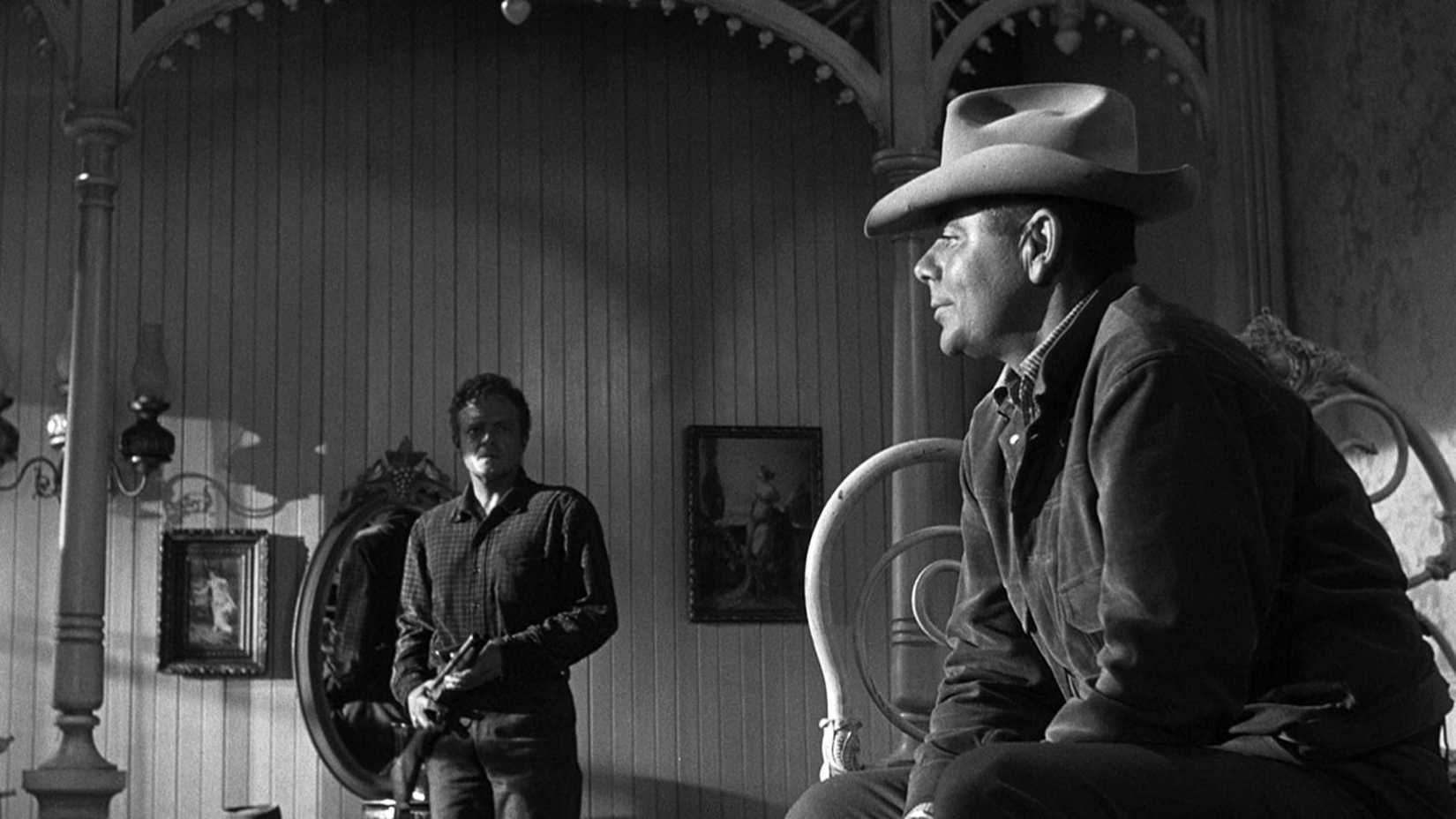
3:10 to Yuma is a movie that has a singular focus and one that works better today than it did when released in 1957. The movie follows a bandit who is arrested and is awaiting the train to Yuma to stand trial for his crimes. One man is hired to help transport this outlaw to the train, but danger lurks along the way.
The outlaw’s gang wants his freedom, and they will kill anyone who gets in their way. This movie does something few other Westerns did in that era. The outlaw (Glenn Ford) and the rancher (Van Heflin) develop a respect for each other and, in the end, the outlaw is a changed man who does the right thing.
This was unusual in 1957, but today it is a refreshing story decision, and it helps 3:10 to Yuma stand the test of time as one of the Western genre’s best films.
Unforgiven (1992)
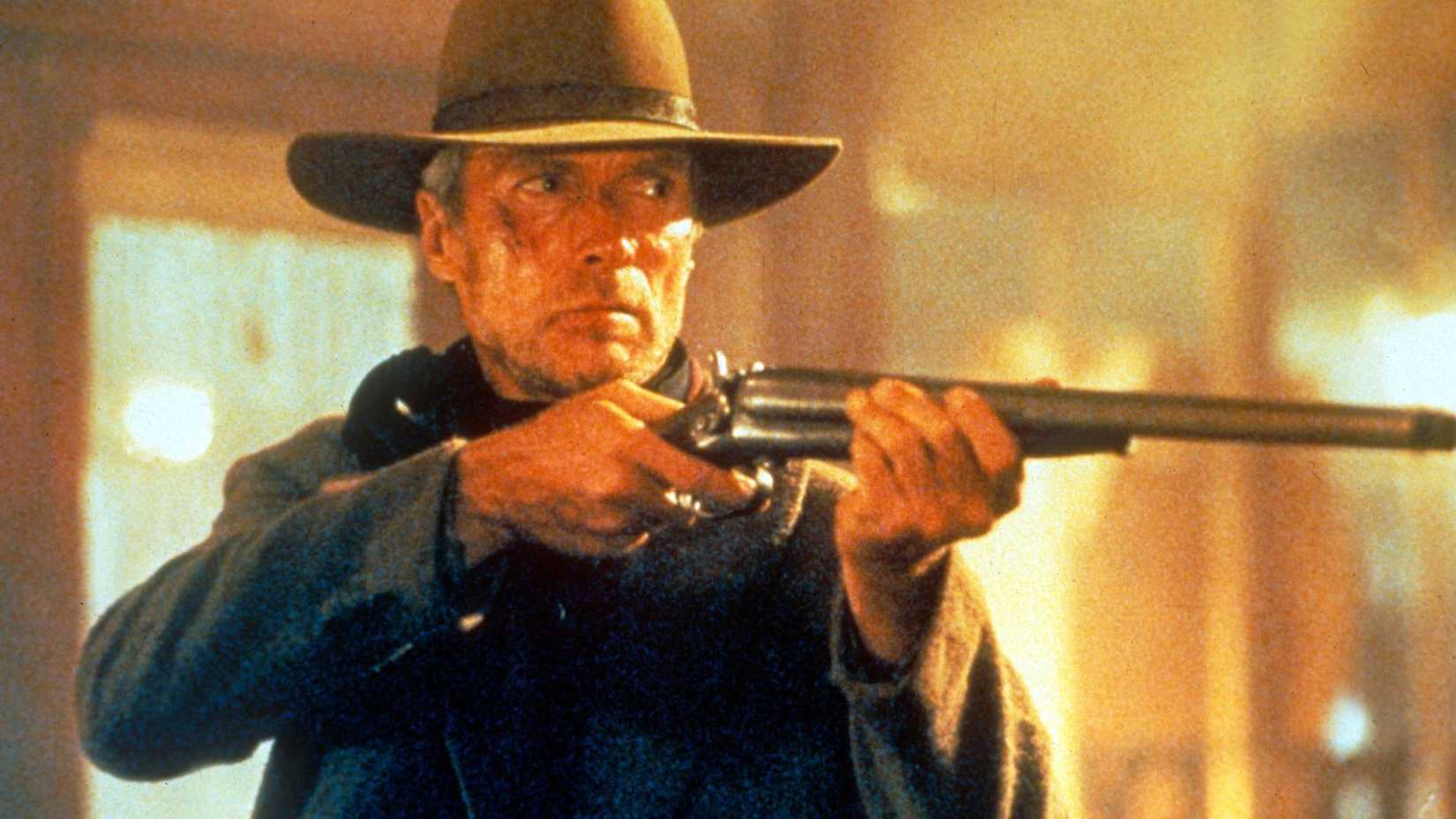
While newer than any other movie here, the Western Unforgiven has a strong reputation in Hollywood. This is a movie directed by and starring Clint Eastwood that almost marked the end of the genre. Eastwood played an older, retired version of his classic outlaw gunslinger.
However, this was also one of the “last mission” movies popular in the 1980s and 1990s, with Will Munny, a retired gunslinger living out his last days after his wife’s death. However, when a sheriff humiliates his friend after he is gunned down, Munny seeks revenge.
This Western movie stands up as well today as it did in 1992, when it earned nine Oscar nominations and won Best Picture and Best Director. It is the best modern-day Western of the last four decades.