Whether built on psychological mind games, shocking twists, or relentless suspense, these movies keep audiences completely locked in for the entire runtime. What separates them isn’t clever plotting or iconic moments – it’s consistency. There are no slow stretches, no wasted scenes, and no dips in quality. They’re gripping, unforgettable experiences from beginning to end.
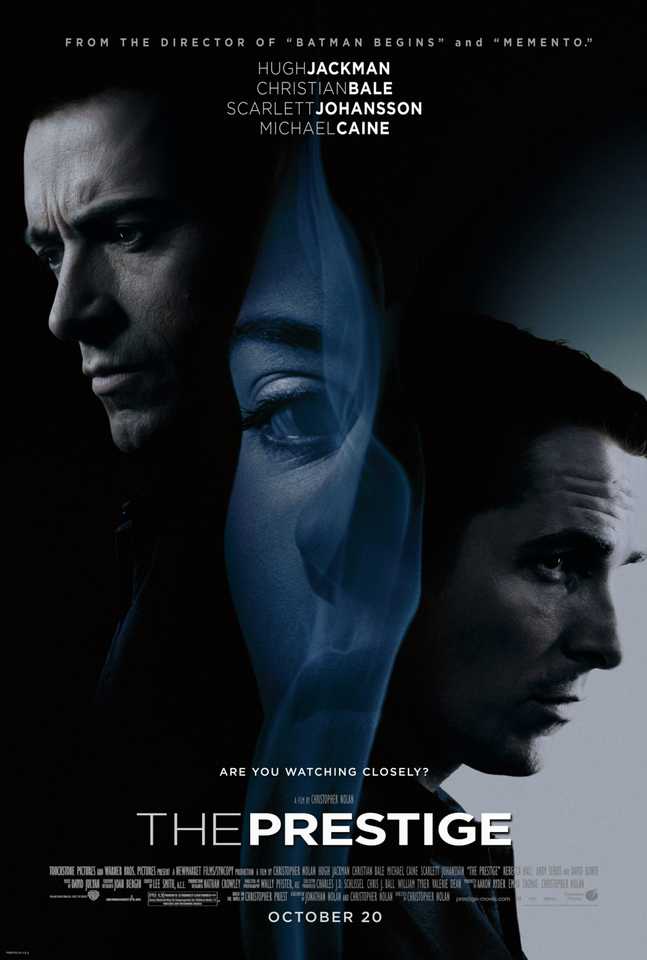
The Prestige (2006)
The Prestige is a masterclass in narrative structure, delivering a thriller that constantly evolves while maintaining tight control over its story. Directed by Christopher Nolan, the film follows two rival magicians whose obsession with outdoing each other spirals into something far darker.
What makes The Prestige so compelling is how it mirrors the structure of a magic trick: setting up expectations, misdirecting the audience, and ultimately delivering a shocking payoff. Every scene feels purposeful, layering clues that only fully click into place upon reflection.
The performances, particularly from Hugh Jackman and Christian Bale, elevate the tension, grounding the story’s increasingly complex twists in raw emotion. From its gripping opening to its devastating final reveal, The Prestige never loses focus, making it one of the rare thrillers that rewards both first-time viewers and repeat watches equally.
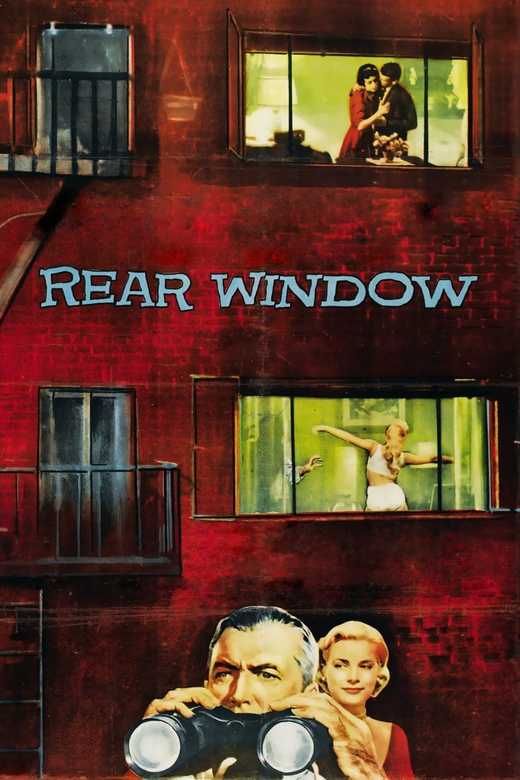
Rear Window (1954)
Rear Window proves that a thriller doesn’t need constant movement to be utterly gripping. Directed by Alfred Hitchcock, the film confines most of its action to a single apartment, yet somehow builds unbearable tension through observation alone. The story centers on a photographer, played by James Stewart, who becomes convinced he has witnessed a murder while spying on his neighbors.
What follows is a slow-burn escalation of paranoia and suspicion that never lets up. Hitchcock expertly manipulates perspective, placing the audience in the same limited viewpoint as the protagonist. Every glance out the window feels loaded with meaning, turning ordinary moments into potential clues.
Despite its minimalist setup, Rear Window is completely absorbing from start to finish. It’s a perfect example of how careful direction and smart storytelling can sustain tension without relying on constant action or spectacle.
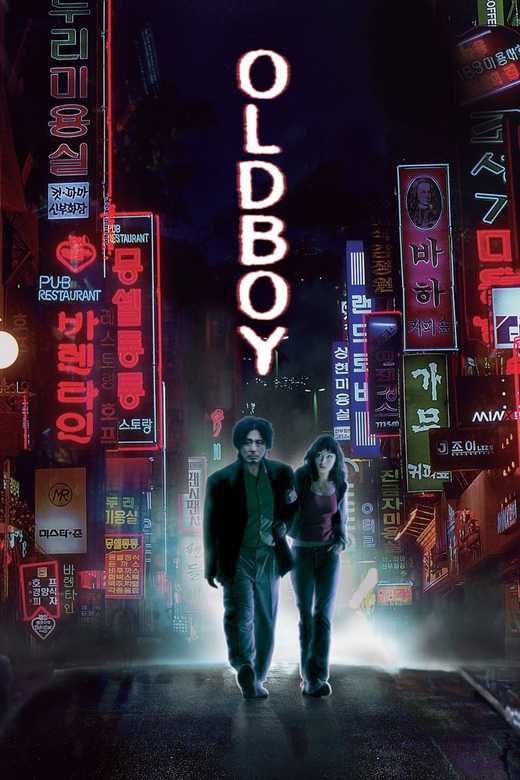
Oldboy (2003)
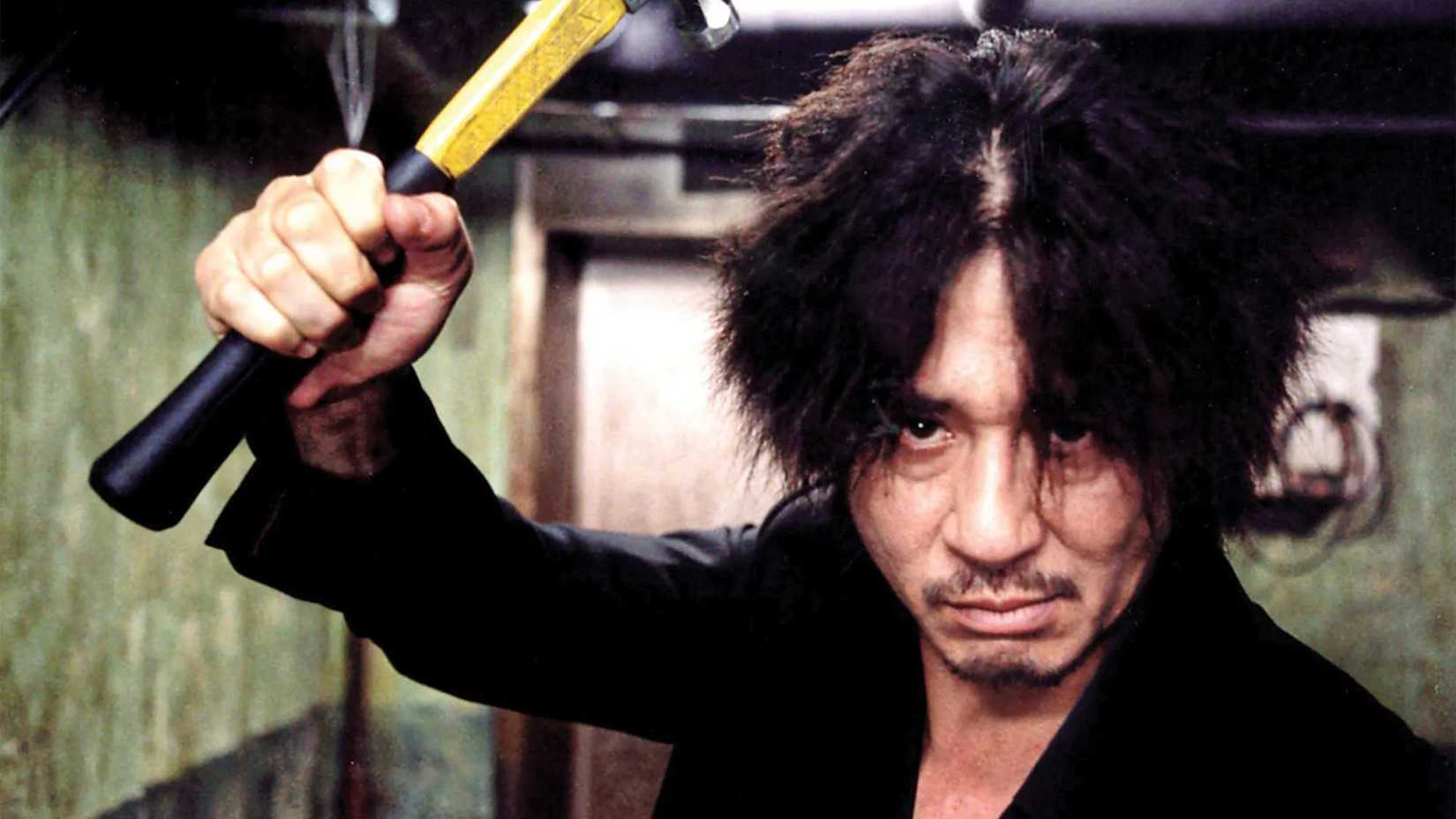
Oldboy is a relentless psychological thriller that refuses to let its audience get comfortable. Directed by Park Chan-wook, the film follows a man mysteriously imprisoned for years before being suddenly released and given a chance to uncover the truth behind his captivity. From its haunting premise to its shocking revelations, the film maintains an intense, almost suffocating atmosphere.
Each new discovery deepens the mystery while pushing the protagonist (and the audience) further into morally complex territory. Oldboy’s pacing is key to its success, balancing moments of quiet reflection with bursts of brutal, unforgettable action. Its famous corridor fight scene is just one example of how it keeps viewers engaged on multiple levels.
Carter Wong’s 10 Best Martial Arts Movies, Ranked
From Shaolin epics to cult classics like Big Trouble in Little China, Carter Wong’s best martial arts movies showcase his power and presence.
By the time Oldboy reaches its devastating conclusion, every piece of the puzzle falls into place. It’s a thriller that never loses its grip, delivering a complete and deeply unsettling experience.
Se7en (1995)
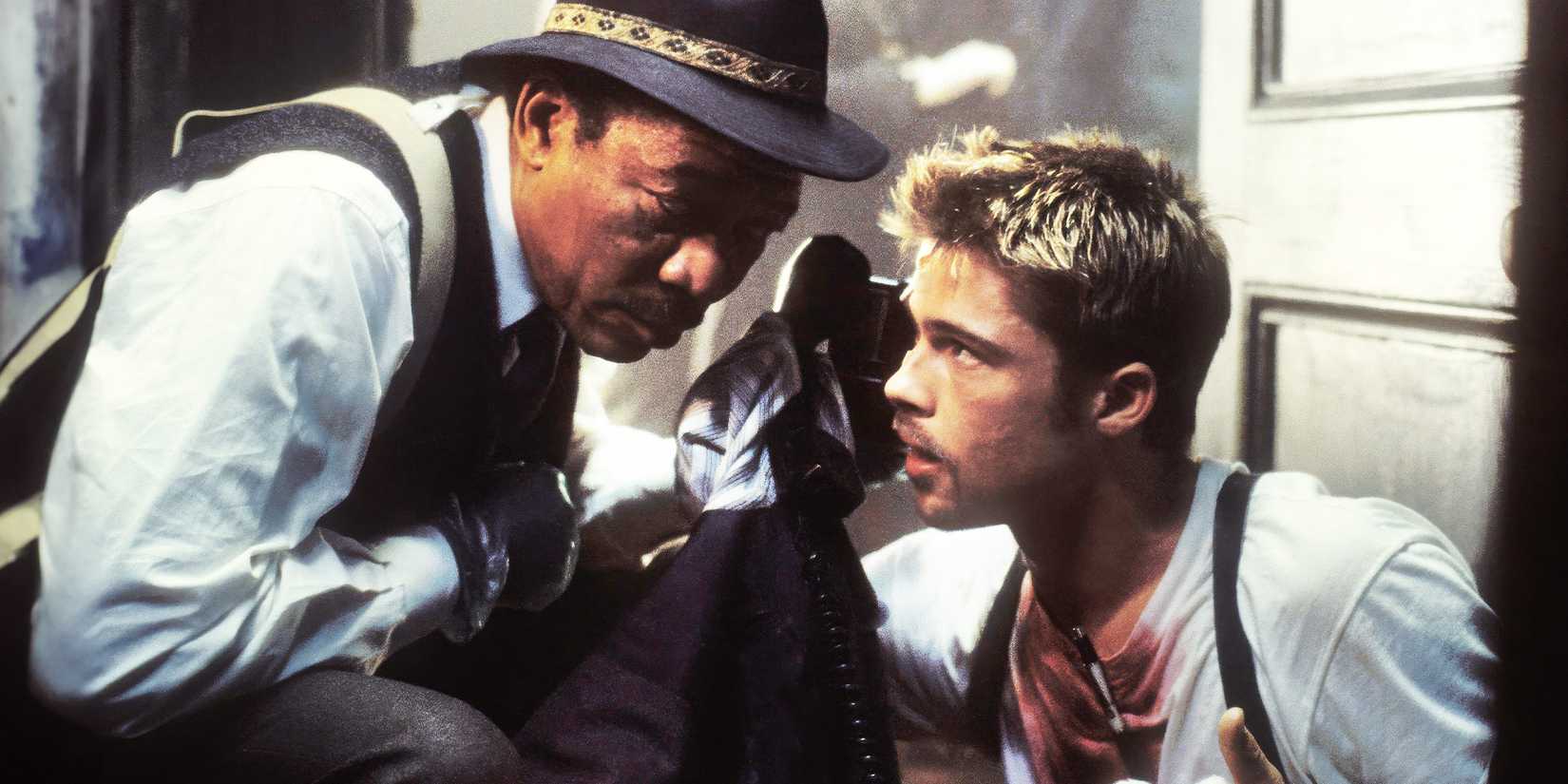
Se7en stands as one of the darkest and most gripping thrillers ever made, maintaining a sense of dread that never fades. Directed by David Fincher, the film follows two detectives tracking a serial killer whose crimes are based on the seven deadly sins. From the opening moments, the film establishes a bleak, rain-soaked world that feels inescapable.
6 Hit Movies From The ’90s That Have Aged Like Milk
These hit ’90s movies were once beloved, but outdated themes, troubling storylines, and dated effects make them far harder to watch today.
The investigation unfolds methodically, with each discovery raising the stakes and deepening the sense of horror. The chemistry between Brad Pitt and Morgan Freeman is especially enthralling, contrasting youthful impulsiveness with weary experience.
What truly makes Se7en unique is its commitment to its tone. It never offers relief or easy answers, culminating in one of the most infamous endings in film history. From beginning to end, it’s a tightly controlled descent into darkness.
The Silence Of The Lambs (1991)
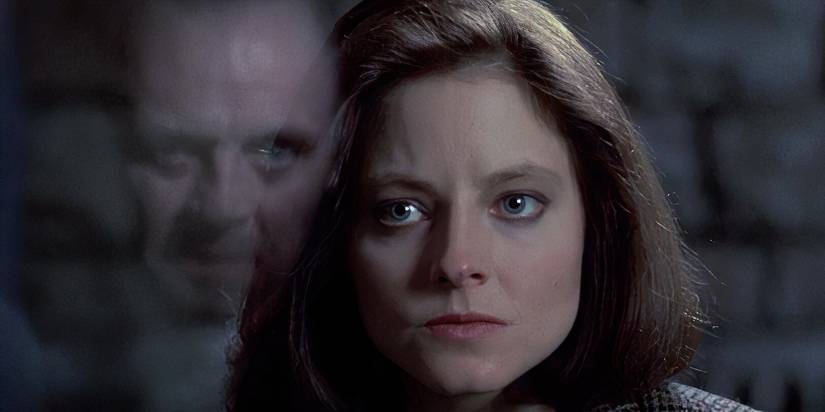
The Silence of the Lambs is a rare thriller that blends psychological tension with character-driven storytelling, resulting in a film that is gripping at every moment. Directed by Jonathan Demme, it follows an FBI trainee seeking the help of a brilliant but dangerous incarcerated killer.
The dynamic between Jodie Foster and Anthony Hopkins is at the heart of the film’s success. Their conversations are loaded with tension, turning simple dialogue into psychological battles. Hopkins’ presence lingers throughout the whole movie, despite only appearing for a fraction of the runtime.
The Silence of the Lambs builds suspense through both the central investigation and the chilling presence of its characters, never relying too heavily on one element. From its eerie opening to its perfectly judged conclusion, The Silence of the Lambs maintains complete control over its pacing and tone, delivering a thriller that never falters.
No Country For Old Men (2007)
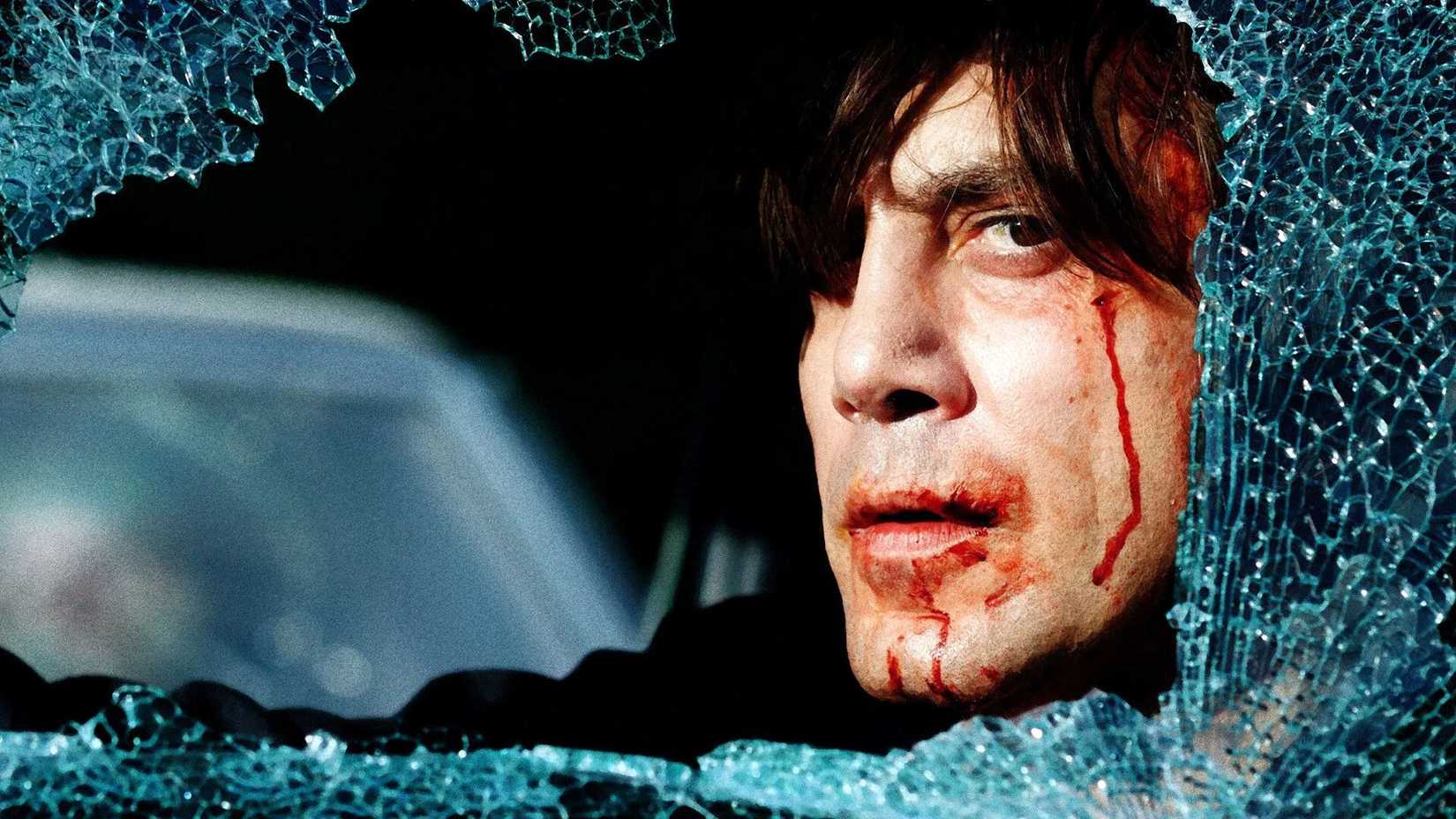
No Country for Old Men is a masterfully restrained thriller that builds tension through silence, inevitability, and moral ambiguity. Directed by Joel Coen and Ethan Coen, the film follows a hunter who stumbles upon a drug deal gone wrong, setting off a deadly chain reaction.
The film is gripping precisely because of its refusal to follow conventional thriller structure. There’s no traditional score guiding the audience, and key moments unfold with unsettling unpredictability. The pacing is deliberately sedate but never dull. Every scene carries a quiet intensity that keeps viewers on edge.
Javier Bardem’s portrayal of Anton Chigurh is central to that tension, creating one of the most chilling antagonists in modern cinema. From start to finish, No Country for Old Men maintains its bleak tone and philosophical depth, delivering a thriller that is as thought-provoking as it is suspenseful.
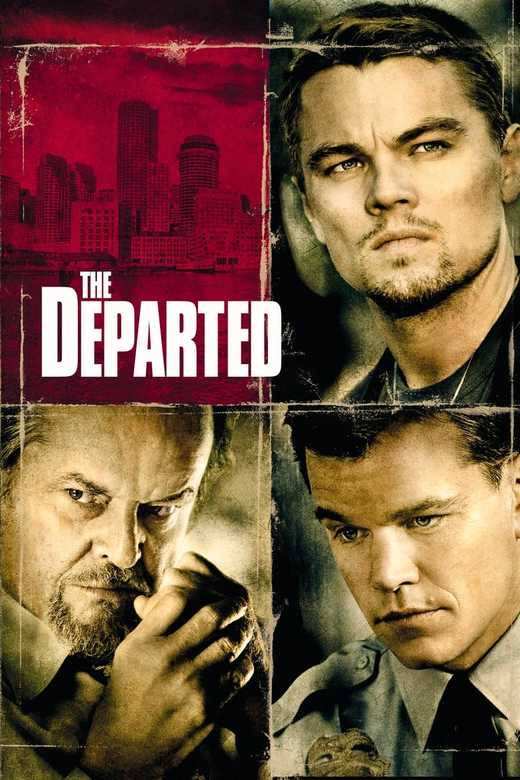
The Departed (2006)
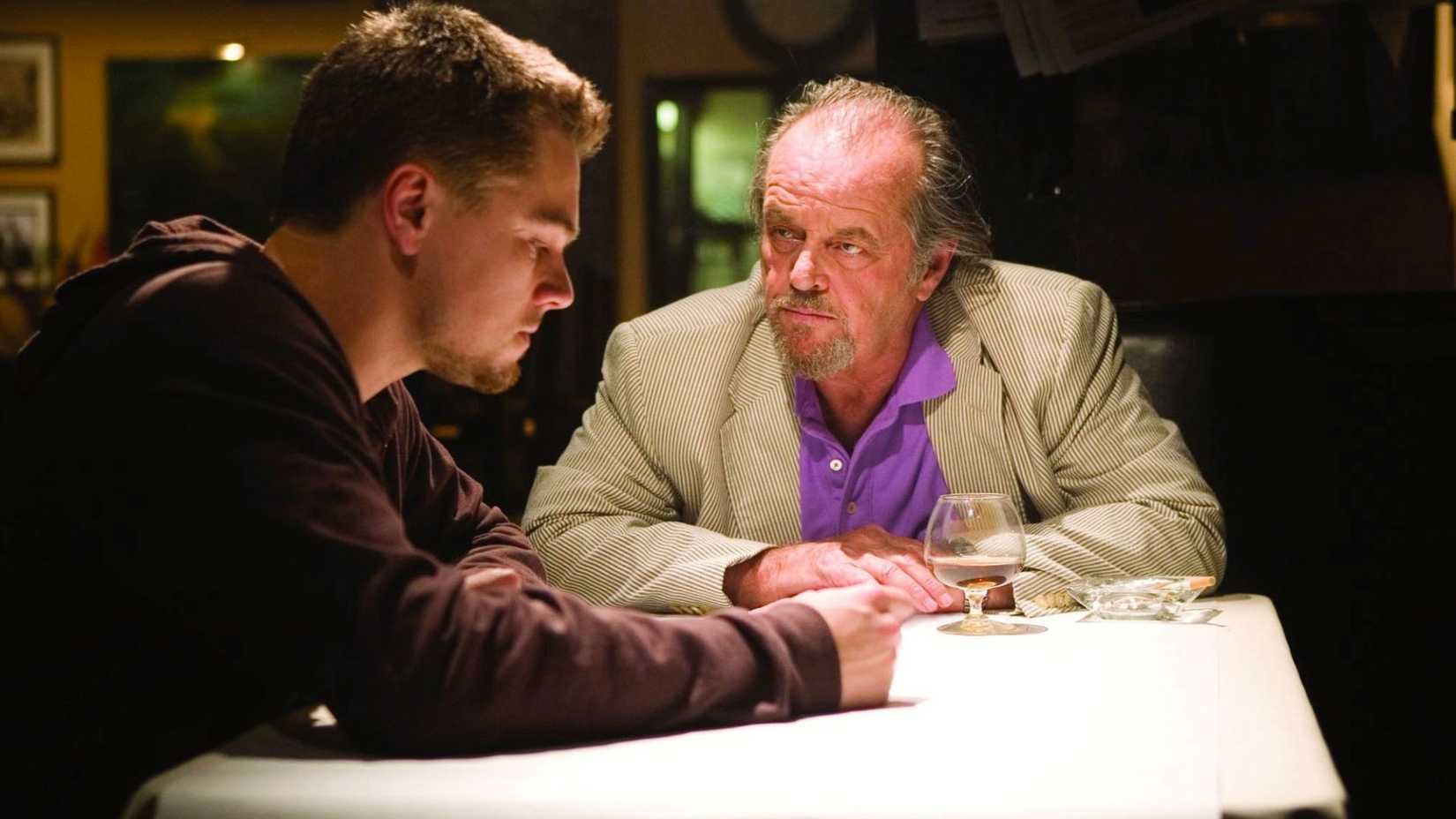
The Departed is a high-stakes crime thriller that never lets up, constantly shifting alliances and raising tension with every scene. Directed by Martin Scorsese, the film centers on an undercover cop and a mole within the police force, both trying to uncover each other’s identity.
The standout element is its relentless momentum. Every conversation feels like a ticking time bomb, as secrets threaten to unravel at any moment. The dual perspectives keep the narrative particularly dynamic, ensuring there’s never a lull in momentum.
The ensemble cast, including Leonardo DiCaprio, Matt Damon, and Jack Nicholson, delivers performances that heighten the film’s intensity and unpredictability. From its explosive opening to its shocking final moments, The Departed is a tightly wound thriller that thrives on tension and never loses control.
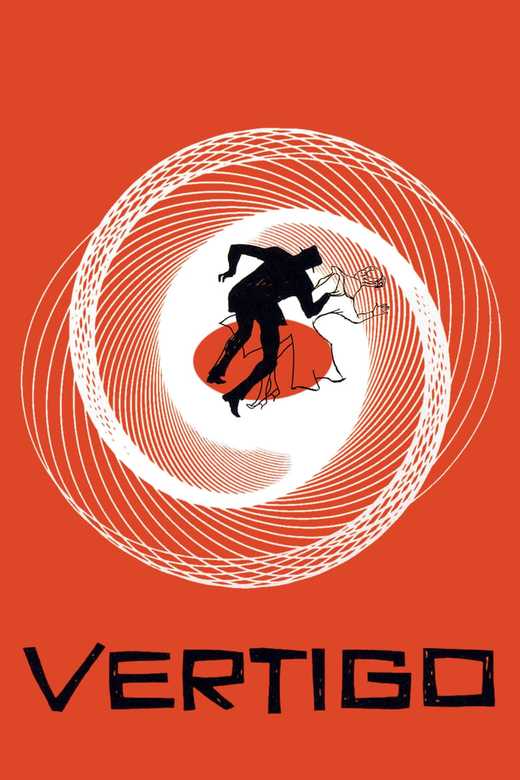
Vertigo (1958)
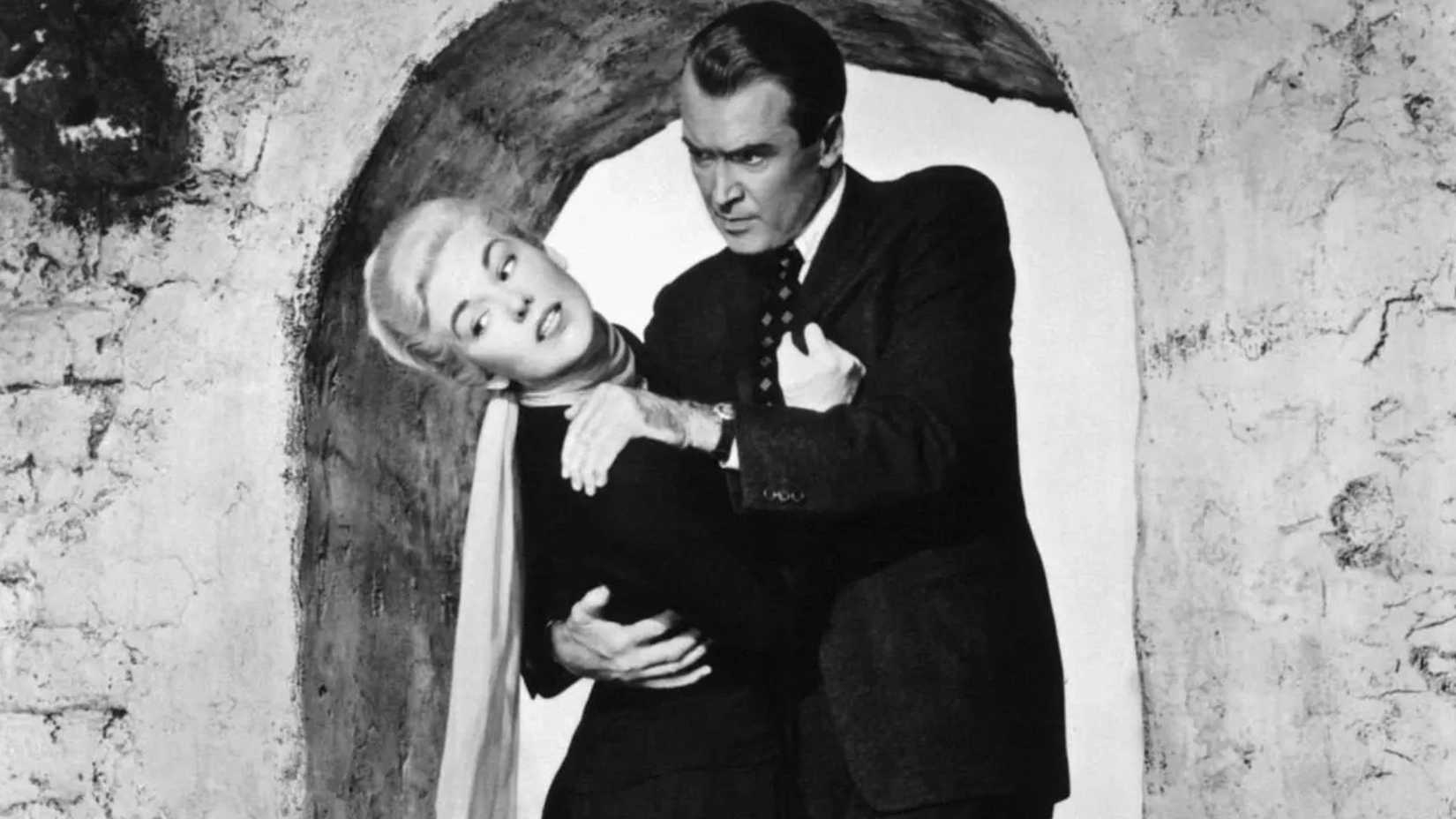
Vertigo is a psychological thriller that draws viewers into a deeply unsettling and obsessive narrative. Directed by Alfred Hitchcock, the film follows a former detective plagued by acrophobia who becomes entangled in a mysterious case. Unlike traditional thrillers, Vertigo builds its tension through atmosphere and character psychology rather than action.
The film’s slow pacing allows its themes of obsession, identity, and control to fully develop naturally, creating a sense of unease that lingers throughout. James Stewart delivers a performance that evolves in increasingly disturbing ways, anchoring the film’s emotional core.
Vertigo is so effective because is its willing to challenge expectations, leading to a haunting and unforgettable conclusion that redefines everything that came before it.
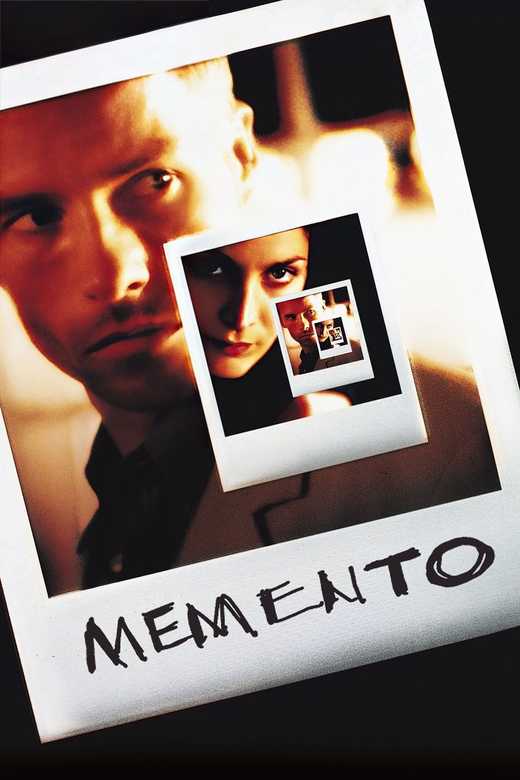
Memento (2000)
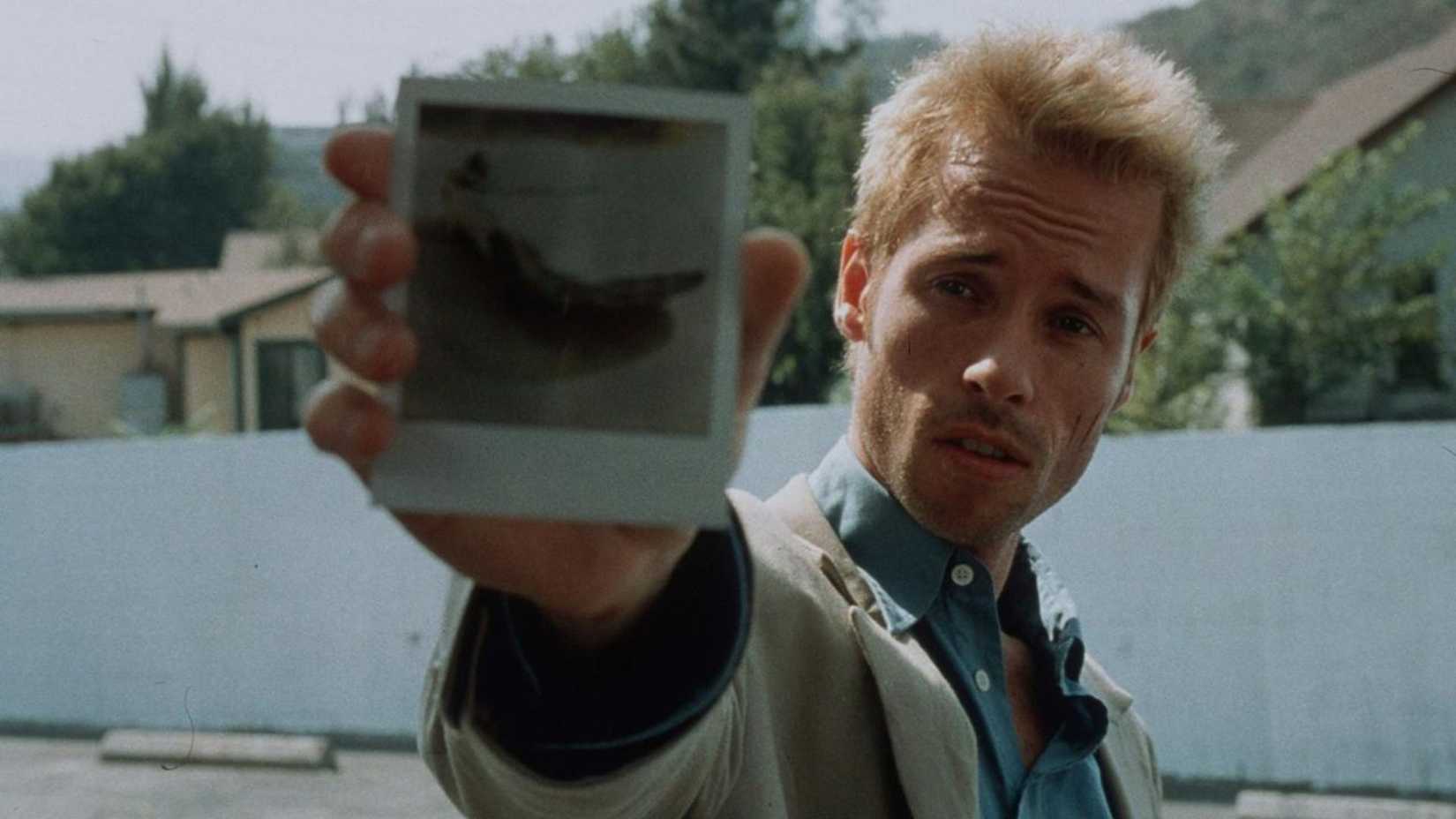
Memento is a brilliantly constructed thriller that keeps audiences engaged by constantly forcing them to piece the story together. Directed by Christopher Nolan, the film follows a man with short-term memory loss as he searches for his wife’s killer. Memento is so compelling because of its reverse narrative structure, which unfolds the story backward.
This approach places viewers in the protagonist’s perspective, creating confusion and tension that never lets up. Each scene recontextualizes what came before it, ensuring that the film remains engaging and unpredictable from start to finish. Importantly, Guy Pearce anchors the film with a performance that balances vulnerability and determination.
By the time the narrative reaches its true beginning, the full picture comes into focus in a way that is both satisfying and unsettling, making Memento a thriller that never loses its grip.
Parasite (2019)

Parasite is a genre-blending masterpiece that seamlessly shifts between dark comedy and thriller without ever losing momentum. Directed by Bong Joon-ho, the film follows a struggling family that gradually infiltrates the lives of a wealthy household. What is so captivating is how effortlessly Parasite builds tension beneath its seemingly lighthearted premise.
Each development raises the stakes, transforming the story into something far more intense and unpredictable. The film’s structure is meticulously crafted, with every detail serving a purpose and contributing to its escalating conflict. As the narrative unfolds, it becomes clear that nothing is accidental.
From its clever setup to its explosive final act, Parasite maintains complete control over its tone and pacing. It’s a rare thriller that evolves constantly while remaining consistently gripping thriller throughout.
-
-

Rear Window
10/10
- Release Date
-
September 1, 1954
- Runtime
-
112 minutes
-
James Stewart
L.B. ‘Jeff’ Jefferies
-
-
-
-
-
Vertigo
10/10
- Release Date
-
May 28, 1958
- Runtime
-
128 minutes
-
James Stewart
Det. John ‘Scottie’ Ferguson
-
Kim Novak
Madeleine Elster / Judy Barton
-
-