

There’s a certain satisfaction that comes from watching a TV episode that blows your mind and exceeds your expectations. While some of these come from series that have been nearly perfect during their run, others come from TV shows that knew their audience and what it was they were trying to relay.
Some TV episodes stand out for several reasons. It could be that they deviated from their normal storytelling structure or that they invented something so great that it remains firmly lodged in our minds. There are, of course, many elements that have to be absolutely right for an episode to be unforgettable, and these extraordinary TV shows understood the assignment.
This Is Us, Season 1, Episode 1
“Pilot”
A pilot episode has the huge responsibility of determining whether someone will stick to a TV show or discard it. Fortunately, This Is Us’s first episode knocked it out of the park. The pilot introduces the characters in the show, with each going through different phases of their lives.
Their stories seem separate, but as the episode concludes, it’s revealed that they are related, and the events that seemed like they were taking place at the same time actually occur in different timelines. What This Is Us’s pilot does so well is that it gets viewers emotionally invested in the characters.
The episode masterfully blends emotional storytelling with humor and warmth. Because the pilot concludes with a twist, it encourages viewers to return for the second episode and each one after that.
The Sopranos, Season 1, Episode 5
“College”
The Sopranos is widely considered one of the best crime dramas in TV history, and deservedly so. Although the series has earned all its accolades, it hasn’t always been perfect. However, its best episode, “College,” is a firm reminder of why The Sopranos is still considered iconic years after it came to an end.
In “College,” Tony and his daughter are touring college campuses when he spots an ex-mafia member who gave the state evidence that incriminated the DiMeo crime family. At this point in the series, Tony has been depicted as a man who had a dark past, but was trying to do better.
“College”, however, changes that by showing who Tony was at his core when he brutally murdered Febby. It might not seem like a big deal that the show’s protagonist committed a violent act, but this episode genuinely altered television because, at the time, most protagonists were portrayed as likable characters who didn’t do wrong, but The Sopranos proved that to be a false narrative.
The Haunting of Hill House, Season 1, Episode 5
“The Bent-Neck Lady”

The master of horror, Mike Fanagan, outdid himself in this chilling episode of The Haunting of Hill House. In “The Bent-Neck Lady”, Nell returns to the haunted house that served as her childhood home in order to face the ghost that had been haunting her since she was young.
The 50 Best TV Characters Of All-Time
Although there have been countless characters across different genres who have made their mark in television history through the years, not all of the
“The Bent-Neck Lady” is terrifying, but the best part about the events that happen is the perfectly created plot twist. While Nell is in her house and approaching death, it’s revealed that the bent-neck lady had been her the whole time, well, her future self. It turned the story from a horror to a tragedy, because the thing Nell had been running from was actually her.
Parks and Recreation, Season 3, Episode 13
“The Fight”
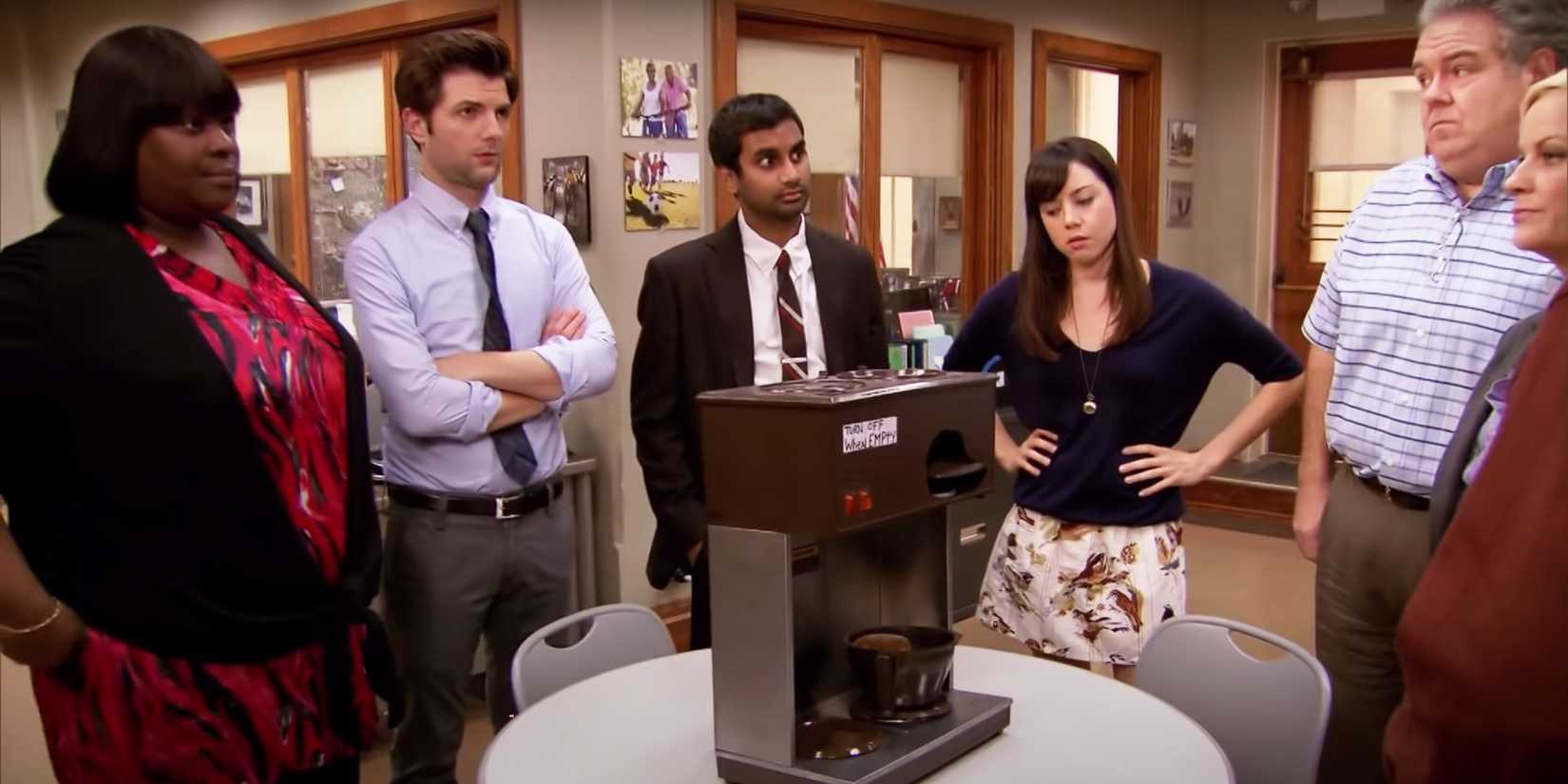
Parks and Recreation is a hilarious show, and the best example of that is the outstanding episode, “The Fight.” When Leslie gets Ann a job at City Hall, her lukewarm reaction to the news causes tension between them. During a night out, the team indulges in a ridiculously alcoholic beverage called snake juice, and it brings out the worst or best in them.
“The Fight” has memorable comedic moments, but it also serves as a pivotal moment for the show because of the argument Leslie and Ann get into. Granted, the episode is as ridiculous as ever, but it highlights the tensions that have been simmering between the women because of Leslie’s control-freak tendencies and Ann’s fear of being overlooked.
Game of Thrones, Season 3, Episode 9
“The Rains of Castamere”
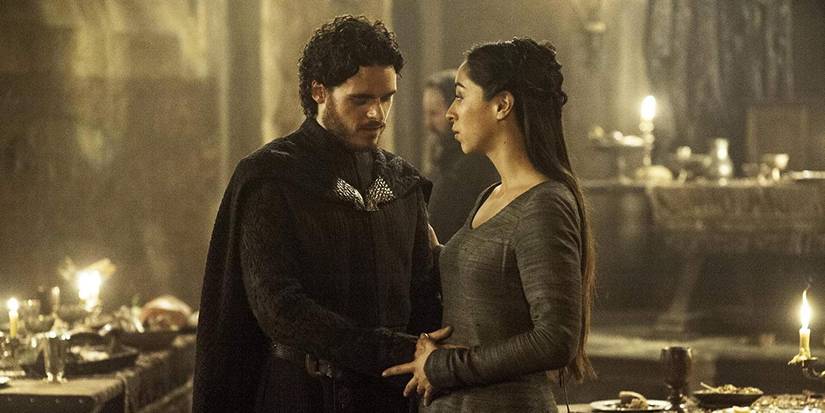
Game of Thrones is infamous for killing characters that everyone thought would be in the show’s finale. Ned Stark’s brutal murder in King’s Landing is the perfect example of that. “The Rains of Castamere,” however, takes it to a whole new level. The episode depicts Robb Stark and Talisa’s wedding at Walder Frey’s intimidating castle.
What starts as a cheerful celebration ends in a bloody mess when Robb, Catherine, and the pregnant Talisa are killed by Frey’s minions. The Red Wedding, as it’s known, was a turning point in Game of Thrones. Sure, Ned Stark’s death showed that no one was safe, but it’s “The Rains of Castamere” that raised that concept to new heights.
The episode is brutal, but it also sets in motion a chain of events that becomes central to Arya’s story. It showed that political alliances in the fantasy series are fragile, and hell may break loose at any moment.
Doctor Who, Season 3, Episode 10
“Blink”
MovieStillsDB
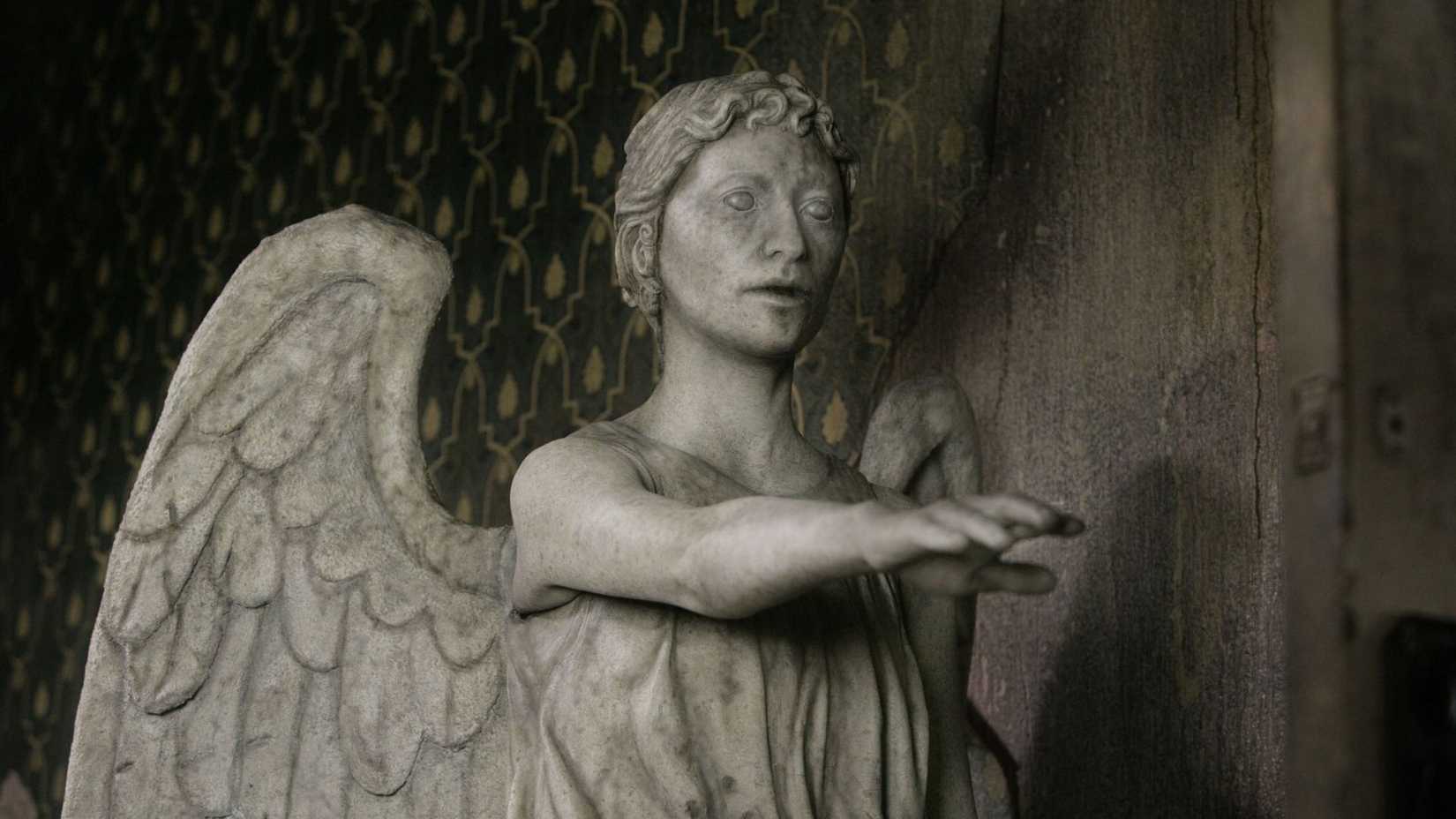
Over the years, Doctor Who has gone through several evolutions: some good, some bad. The show has featured some of the most renowned sci-fi episodes to ever grace the small screen. “Blink” is a reminder about why Doctor Who is a masterpiece. In the episode, the good doctor isn’t at the center of the story.
Instead, Sally Sparrow takes the reins in this terrifying episode that features weeping angels, aliens who can turn into statues and have the nefarious goal of taking over TARDIS. “Blink” has everything we love about Doctor Who: a worthy mission, clever storytelling, and amazing science fiction elements.
Lost, Season 4, Episode 5
“The Constant”
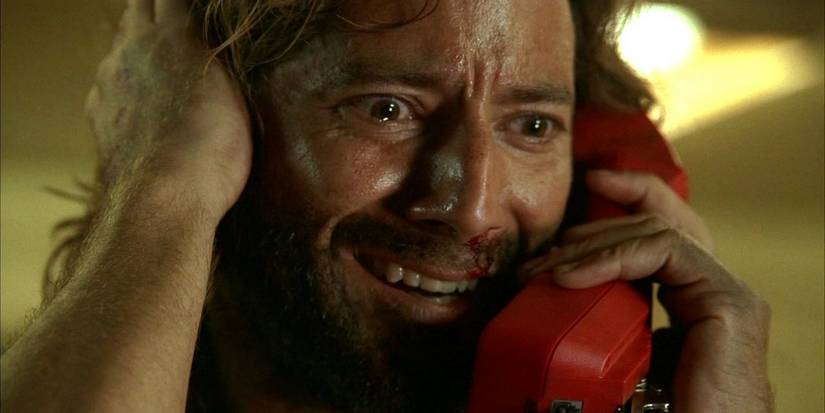
The one thing Lost did brilliantly was invite its viewers to question whether what they were watching was a true representation of what was happening. In the classic episode, “The Constant,” Desmond Hume time travels in a helicopter between 1996, the time he was a soldier, and 2004, his present life.
Lost has cemented itself as one of the greatest sci-fi TV shows of all time, but it’s “The Constant” that proved the series has heart. It’s an emotionally gripping episode with a beautiful love story and a mind-bending sci-fi concept that could never be replicated.
Black Mirror, Season 3, Episode 1
“Nosedive”
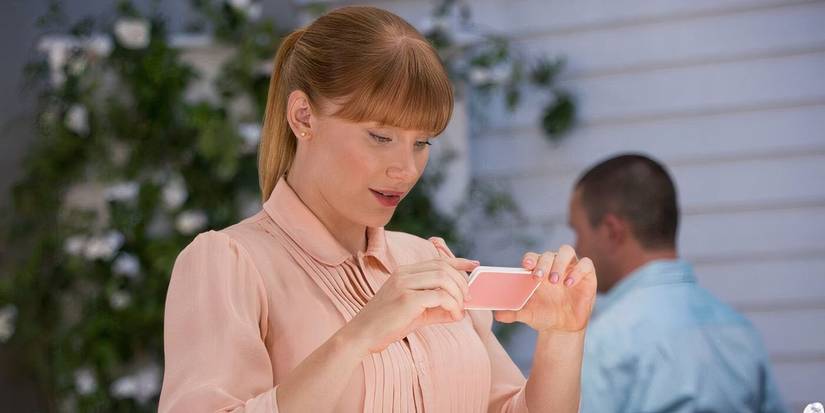
To say that Black Mirror revolutionized how science fiction can be executed would be an understatement. The stellar anthology series has featured episodes that range from absurd to relevant throughout its run. The highlight of the show, as many will agree, is “Nosedive.”
“Nosedive” follows Lacie, a woman played by Bryce Dallas Howard, who is obsessed with having a high social rating in a dystopian society where human interactions are scored on a scale of one to five stars. What makes the episode unforgettable is that it’s so relatable because of how social media has altered how we relate to each other.
Black Mirror’s “Nosedive” gets to the core of Lacie and has her question if all the gymnastics she’s been doing to get people to like her is worth it. The episode is dark, timely, and provokes audiences to take a look at their own motivations and thought processes.
Supernatural Season 6, Episode 5
“The French Mistake”
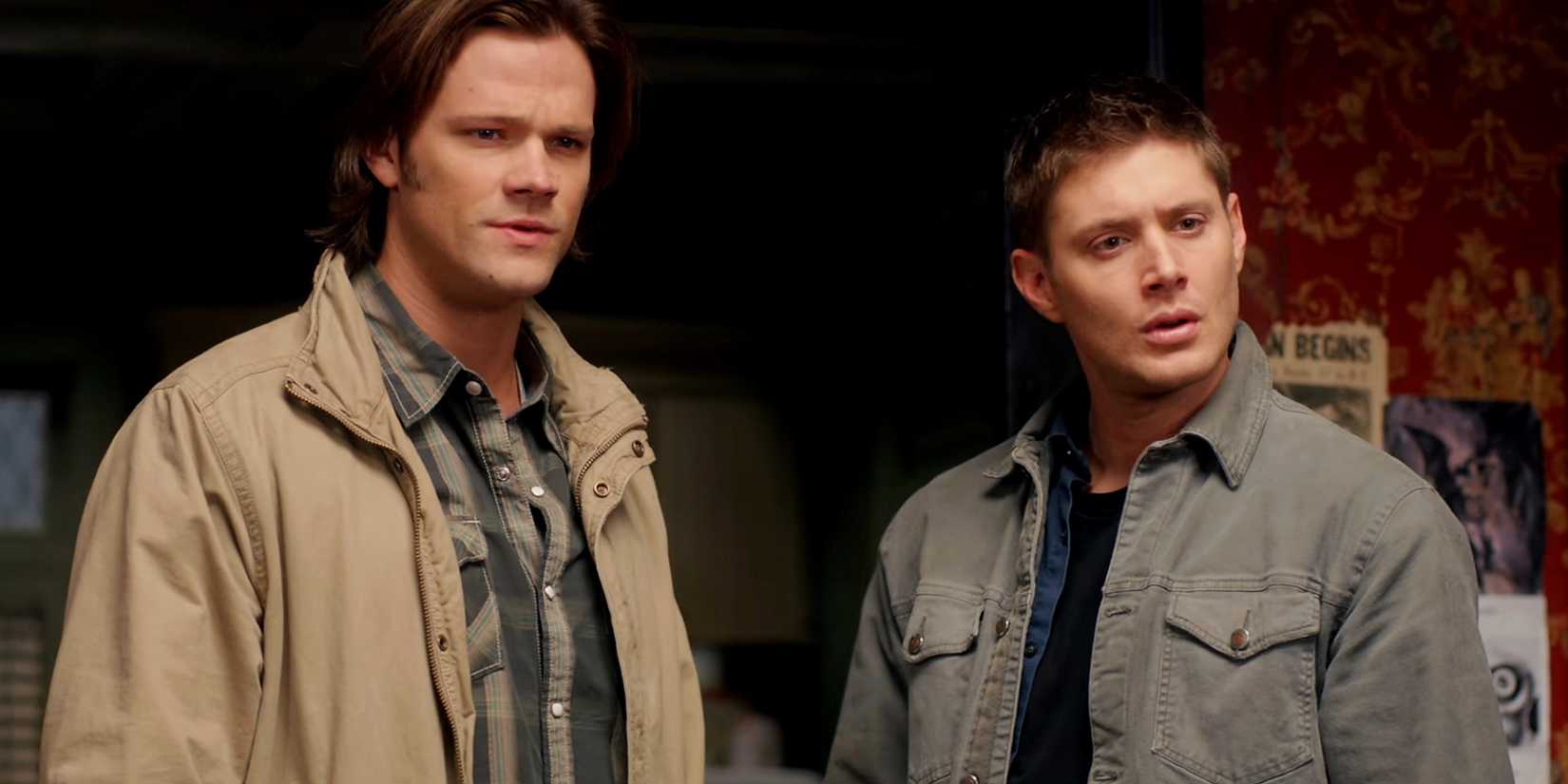
For its entire duration, Supernatural followed a certain formula that fans of the show had come to associate with it. “The French Mistake” turned everything upside down by diverting from the kind of storytelling that Supernatural was known for. In the episode, Sam and Dean are transported to an alternate reality where they are actors on a show called Supernatural.
Several members of the show’s crew, including Bob Singer and Eric Kripke, make an appearance in the episode. Breaking the fourth wall was a brilliant move. It made “The French Mistake” hilarious and showed that Jensen Ackles, Misha Collins, and Jared Padalecki have impeccable comedic timing.
Breaking Bad, Season 5, Episode 14
“Ozymandias”
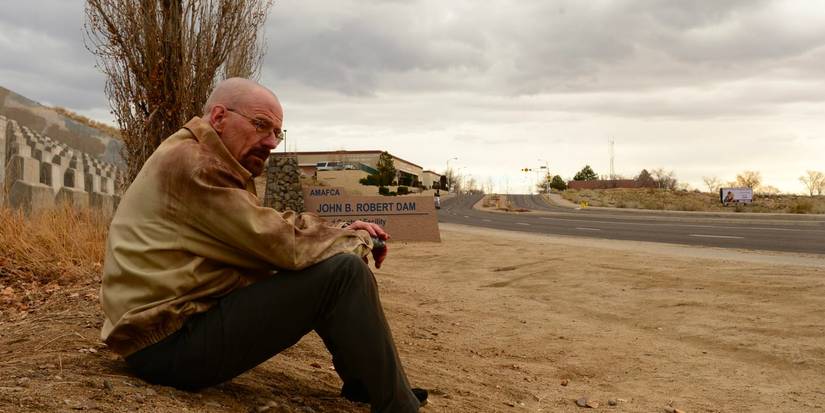
“Ozymandias” is a spectacular episode that puts everything great about Breaking Bad on full display. Directed by Rian Johnson, the episode outlines the downfall of Walter White. For years, Walt had gotten away with every bad thing he had ever done and evaded the consequences of his actions.
For a while, it seemed like the drug lord would never face justice. All that changed in “Ozymandias” as Walter’s secrets were no longer hidden in the dark. The fourteenth episode in the fifth installment of Breaking Bad is incredibly upsetting. Yes, Walt had to finally face the consequences of his actions, but seeing it play out wasn’t easy, particularly because of Hank’s death.
“Ozymandias” pays off everything Breaking Bad had been building up since its inception. Everything is simply perfection. From the way Heisenberg’s empire comes crumbling down to the realization that Walt actually destroyed the family he had claimed to be protecting.