

Some TV shows were constantly having minor retcons, like Friends forgetting how everybody met, siblings, or their own birthdays. However, these 11 TV shows took major controversial swings that upended the status of the series while making zero sense to fans.
Alex Karev’s Exit Letters Undercut His Entire Character
Grey’s Anatomy
Alex Karev’s exit on Grey’s Anatomy felt less like a farewell and more like a reset button on years of character growth. After evolving from an abrasive intern into a loyal partner and dependable doctor, Alex was written out through letters revealing he had left Jo to reunite with Izzie.
The twist leaned on his past, but ignored how much he had changed, making the decision feel inconsistent with the man he had become. While actor Justin Chambers’ departure forced the writers’ hand, the execution only made things worse by happening entirely offscreen.
Instead of giving Alex a grounded, emotionally honest sendoff, the show reduced his final chapter to exposition. For many Grey’s Anatomy fans, it felt like a complete betrayal of who Alex had spent years becoming.
Michael Returns As Jason
Jane The Virgin
Michael’s return as “Jason” was one twist too far for Jane the Virgin fans. While the show had always embraced heightened, telenovela-style storytelling, bringing him back with no memories and an entirely new personality pushed that balance into full-blown absurdity.
It erased the emotional weight of his death and forced Jane to essentially grieve him all over again while facing a stranger who looked like the man she loved. The twist also revived the central love triangle long after it seemed resolved, dragging Jane back to the past instead of letting her move forward.
What was meant to be a genre-savvy homage ended up feeling like emotional whiplash, where the satire finally overwhelmed the sincerity that had grounded Jane the Virgin, making it one of the most annoying TV retcons that ruined their shows.
The Mother Was Dead While Ted Was Telling The Entire Story
How I Met Your Mother
The How I Met Your Mother finale was a slap in the face to many longtime fans — without the parameters of a slapbet. For nine seasons, the show carefully built up the mystery and emotional weight of the mother, presenting her as Ted’s long-awaited soulmate.
Instead, the reveal that she had been dead the entire time made the journey feel hollow rather than meaningful. It shifted the premise from a love story into an extended justification for Ted ending up with Robin.
That pivot might have worked if the show had not spent so much time investing in Robin and Barney’s relationship, only to undo their marriage in a rushed divorce. By the end, How I Met Your Mother abandoned its own emotional groundwork, leaving fans feeling misled rather than rewarded.
XOXO, Dan Is Gossip Girl
Gossip Girl
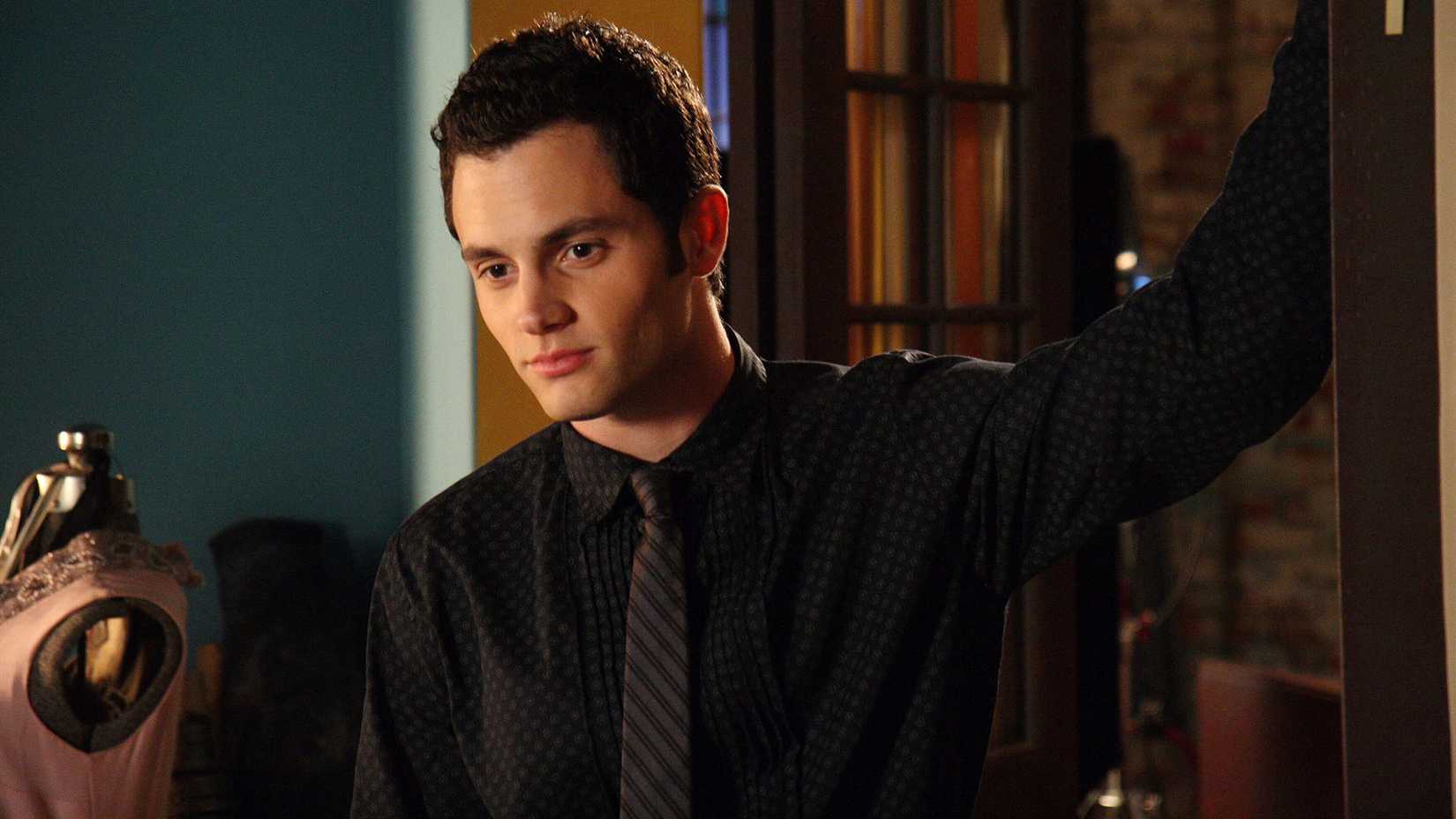
The central mystery of Gossip Girl hinges on the identity of its omniscient narrator, making the reveal that Dan Humphrey was Gossip Girl a baffling retcon. While the twist aimed to reframe Dan as an outsider manipulating the elite world he longed to join, it collapses under the lightest scrutiny.
There’s no believable in-universe reason Dan would publicly expose his own sister’s most private moments, nor does this track with his supposed moral compass. Even more glaring are the numerous scenes of Dan reading Gossip Girl posts alone and reacting with genuine shock, raising the obvious question of who he’s performing for.
Rather than a clever recontextualization, the reveal feels like a last-minute decision that prioritizes shock over substance, ultimately undermining Gossip Girl’s defining premise.
Sara Comes Back To Life
Prison Break

Sara Tancredi’s “death” in Prison Break is one of the show’s most extreme twists, only to be undone in an even more unbelievable way. After being kidnapped and seemingly decapitated, with Michael receiving her head in a box, the series asks viewers to accept that it was all a fake orchestrated by a shadowy organization.
The reversal feels especially hollow because Sara’s death had been used as a major emotional driver for Michael, giving real weight to his actions. Behind the scenes, the decision was tied to a contract dispute with Sarah Wayne Callies, and her return in season 4 forced the writers to scramble for an explanation. The result is a hamfisted retcon that stretches credibility past its breaking point, even for Prison Break.
Walker Blood Alone Will Spread The Infection Starting In Season 8
The Walking Dead
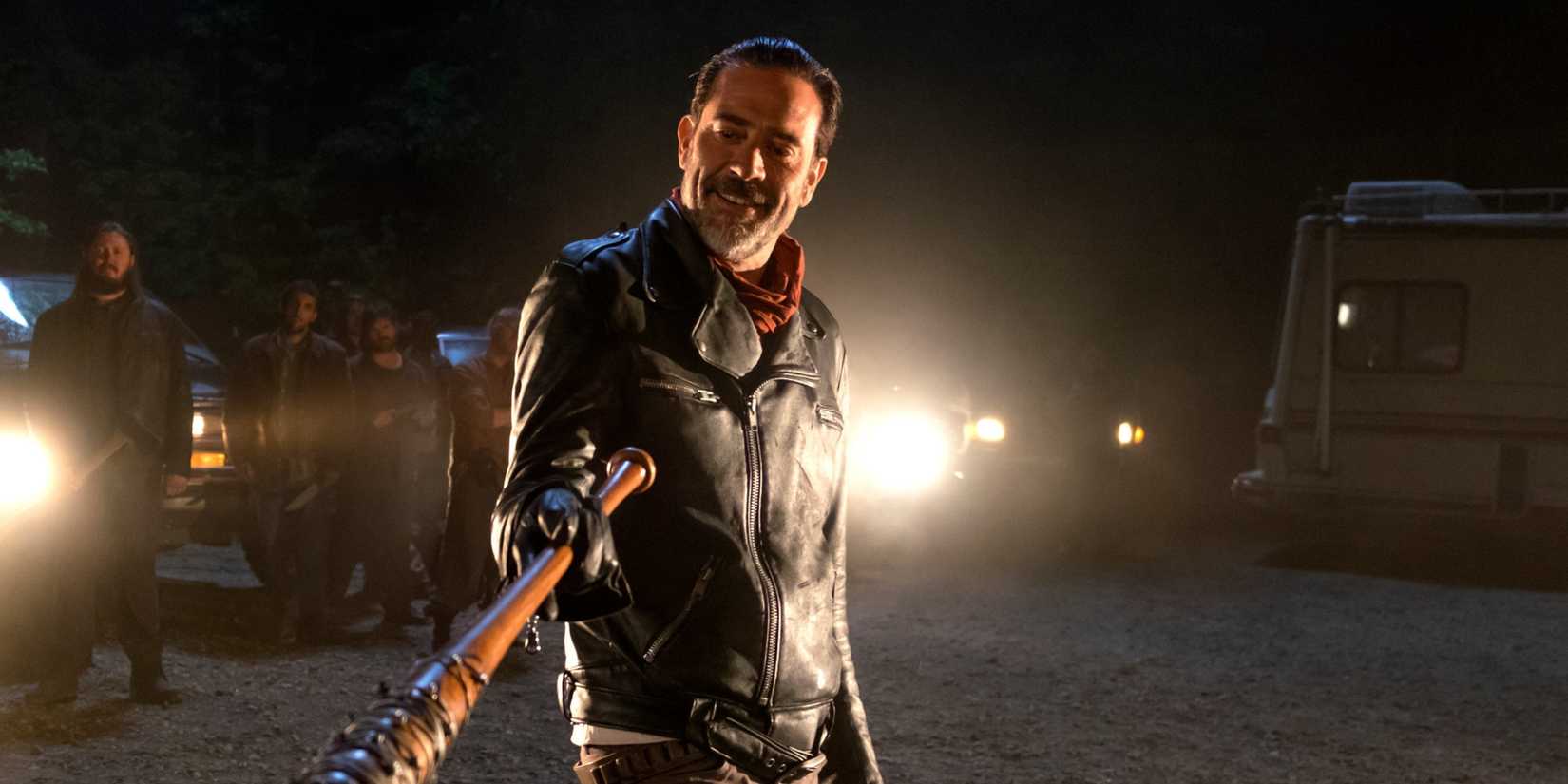
The Walking Dead had a few retcons over its many seasons, but the rules of infection had seemed fairly consistent for years until season 8 suddenly rewrote them. Characters had long been exposed to walker blood and guts without consequence, from Rick slicing his hand on a walker-covered machete to Michonne being drenched in zombie remains.
Yet when Negan instructs the Saviors to coat their weapons in walker blood to infect enemies in season 8, it’s treated like a game-changing discovery. The implication clashes with countless earlier moments where similar exposure didn’t lead to illness.
While Jeffrey Dean Morgan plays the shift with conviction, the show never clarifies why this tactic suddenly works. Instead of raising the stakes, the retcon muddies the internal logic of the TWD world, leaving fans questioning rules they thought they understood.
Dan Was Dead All Along In Season 9
Roseanne
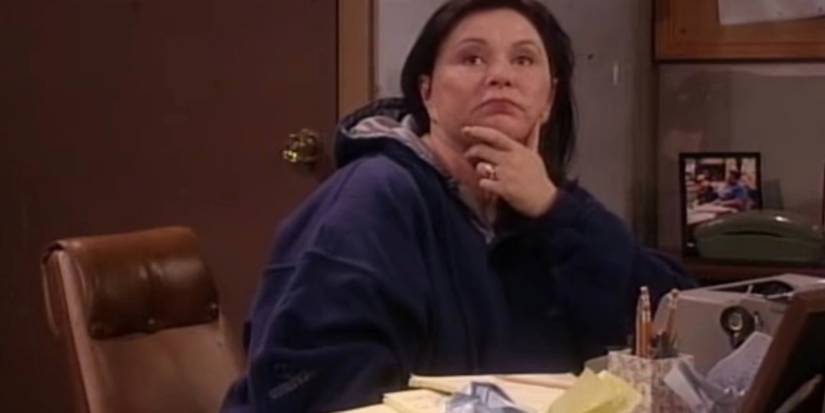
Roseanne season 9 is infamous for abandoning the grounded realism that defined the sitcom. The show veers into absurd territory with storylines like winning the lottery and battling terrorists, only to end with an even more jarring twist: the entire season is revealed to be a fictional manuscript Roseanne wrote to cope with Dan’s death from a heart attack.
While the reveal attempts to add emotional depth, it instead invalidates an entire season of storytelling and radically alters the show’s tone. The backlash was so strong that when Roseanne was revived decades later, the series quietly ignored much of season 9 altogether — although the manuscript appears, making it all the more confusing.
Rather than a clever narrative device, Roseanne’s season 9 retcon became a cautionary example of how far a show can drift from what made audiences care in the first place.
Principal Skinner Is An Imposter
The Simpsons
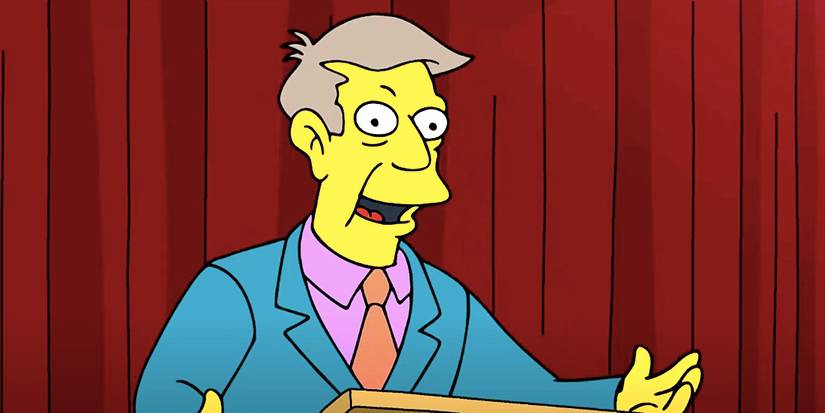
The Simpsons has maintained surprisingly consistent internal logic for decades, which makes season 9’s “The Principal and the Pauper” stand out for all the wrong reasons. The episode reveals that Principal Skinner is actually an imposter named Armin Tamzarian who assumed the real Skinner’s identity after the war, abruptly rewriting a well-established character.
The twist lands with a thud because it adds nothing meaningful while undermining years of characterization. Fans hated “The Principal and the Pauper,” and even voice actor Harry Shearer voiced his dislike.
The backlash was so strong that The Simpsons essentially ignored the twist moving forward, with later episodes depicting Skinner’s past as if the revelation never happened. It’s a rare case where a retcon was so unpopular that the series quietly retconned itself.
Season 9 Was Just A Dream
Dallas
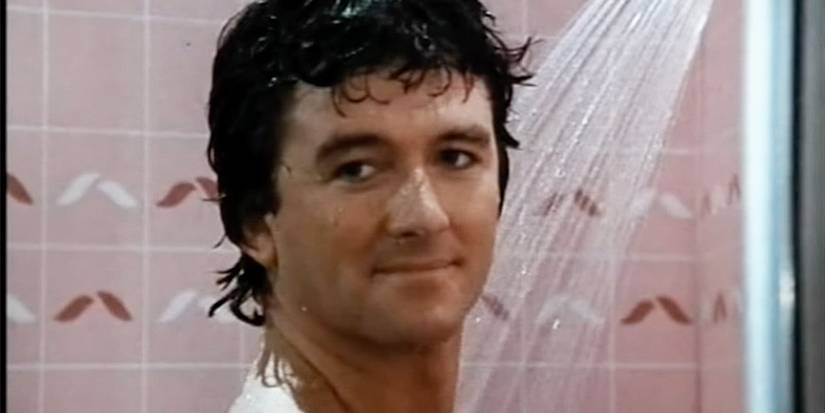
When Patrick Duffy left the CBS primetime soap Dallas, his character, Bobby Ewing, was killed in season 8, getting run over by a car. After the writers persuaded Duffy to return, the season 10 premiere revealed that all of season 9 had been a dream imagined by Bobby’s wife.
The twist invalidated an entire year of drama, erasing betrayals, romances, and corporate scheming that viewers had invested in. Fans were furious, feeling cheated by a storyline that had once carried real stakes.
The “dream season” quickly became infamous, often cited as one of the most frustrating and absurd retcons in TV history. While it allowed the show to reset, the decision undermined the emotional investment that had made Dallas compelling.
God Was Helping Sam & Dean Stay Alive All Along
Supernatural
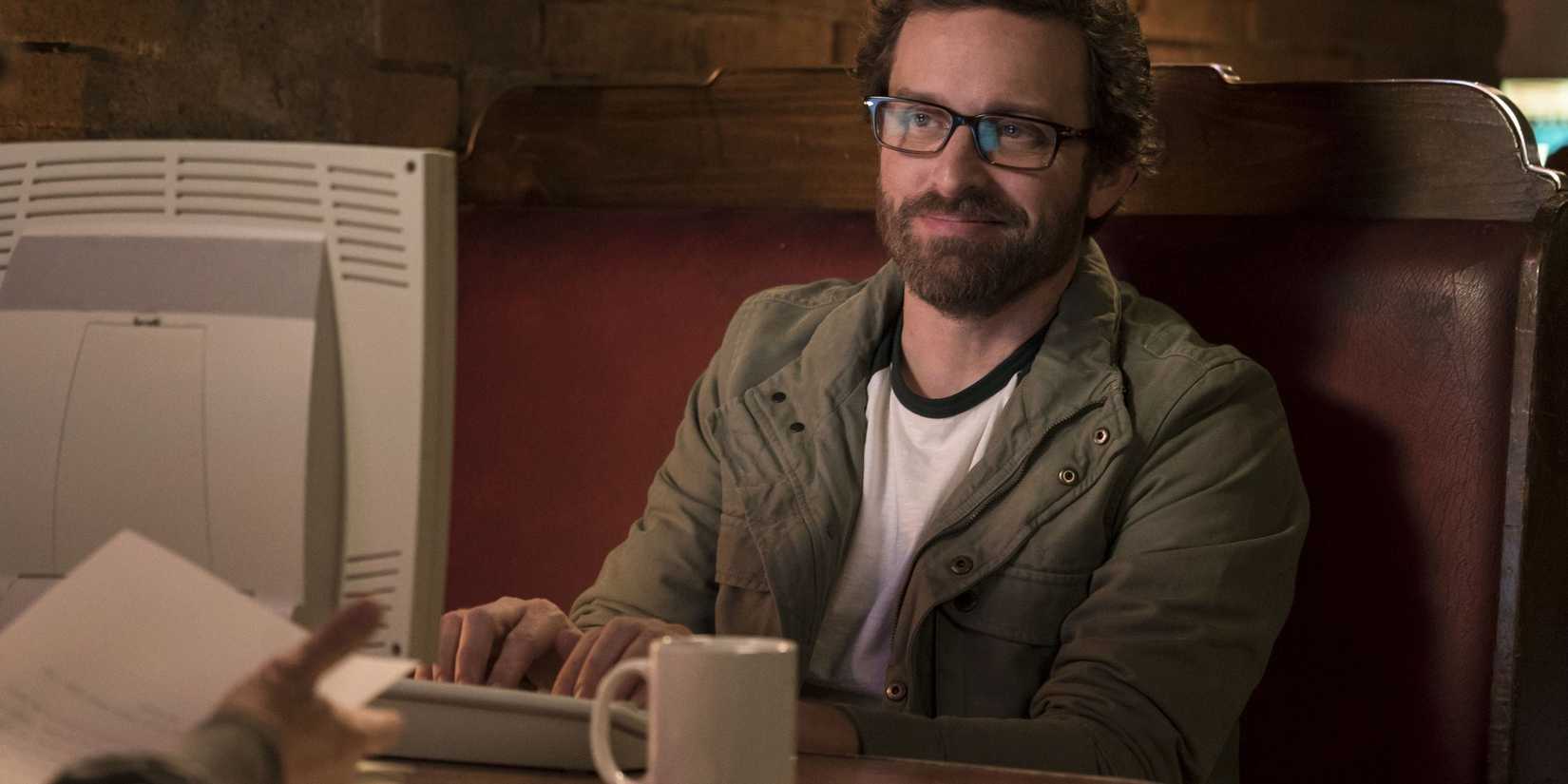
The revelation that God was secretly keeping the Winchester brothers alive all along in Supernatural was a retcon that left many fans frustrated. For years, the show built tension around the brothers’ constant brushes with death, their resourcefulness, and the stakes of hunting supernatural threats.
To retroactively reveal that a divine hand was orchestrating their survival undermined much of that suspense and personal struggle. The twist also raised questions about previous plotlines and the brothers’ agency, making it feel like the series had been rewriting its own rules to suit convenience rather than story logic.
While Supernatural had its share of retcons with its complicated mythology, fans argued this particular reveal cheapened the emotional weight of Sam and Dean’s sacrifices, turning fraught tension into a forced “divine plan” rather than earned drama.