

Beyond Star Trek‘s 14 movies and 13 series, however, the franchise deeply influenced science fiction at large— specifically in regard to space operas. Characterized by vast extraterrestrial settings and intimate casts of characters, space operas are one of sci-fi’s most unique niches. As such, similar series are always compared to Star Trek, which remains the golden standard of the sub-genre.
The Expanse
2015–2022
Set in the distant future, The Expanse explores a dystopian world where colonization has spread to the Milky Way itself. With the solar system now under human occupation or military rule, the world has fallen into disarray. When a young heiress goes missing, however, a disenchanted starship captain must team up with a detective to investigate across the planetary wastelands.
While it’s one of the best book-to-screen sci-fi adaptations of recent memory, The Expanse initially seemed like a far grittier version of Star Trek. The ubiquitous franchise was renowned for its bold political commentary and expertly-crafted allegories, but the original series never became as jaded as The Expanse. Similarly, Star Trek rarely put such a heavy emphasis on conspiratorial mysteries.
Babylon 5
1994–1998
From the deep blue space station uniforms to the radically political overtones, Babylon 5 instantly captured the interest of classic Star Trek fans. Though the five-season space opera premiered nearly 30 years after the original series, Star Trek‘s influence is palpable throughout every episode of Babylon 5’s epic cosmic action. Nevertheless, the 1994 drama was far from a mere imitator.
Babylon 5 had an experimental approach to storytelling, treating each episode like an ongoing book’s next chapter. Consequently, the show evaded the pitfalls of many sci-fi procedurals whose self-contained storylines eventually took a toll on its audience. Babylon 5 always felt like it was building toward something— and it has one of the greatest quotes in sci-fi history to boot.
Stargate SG-1
1997–2007
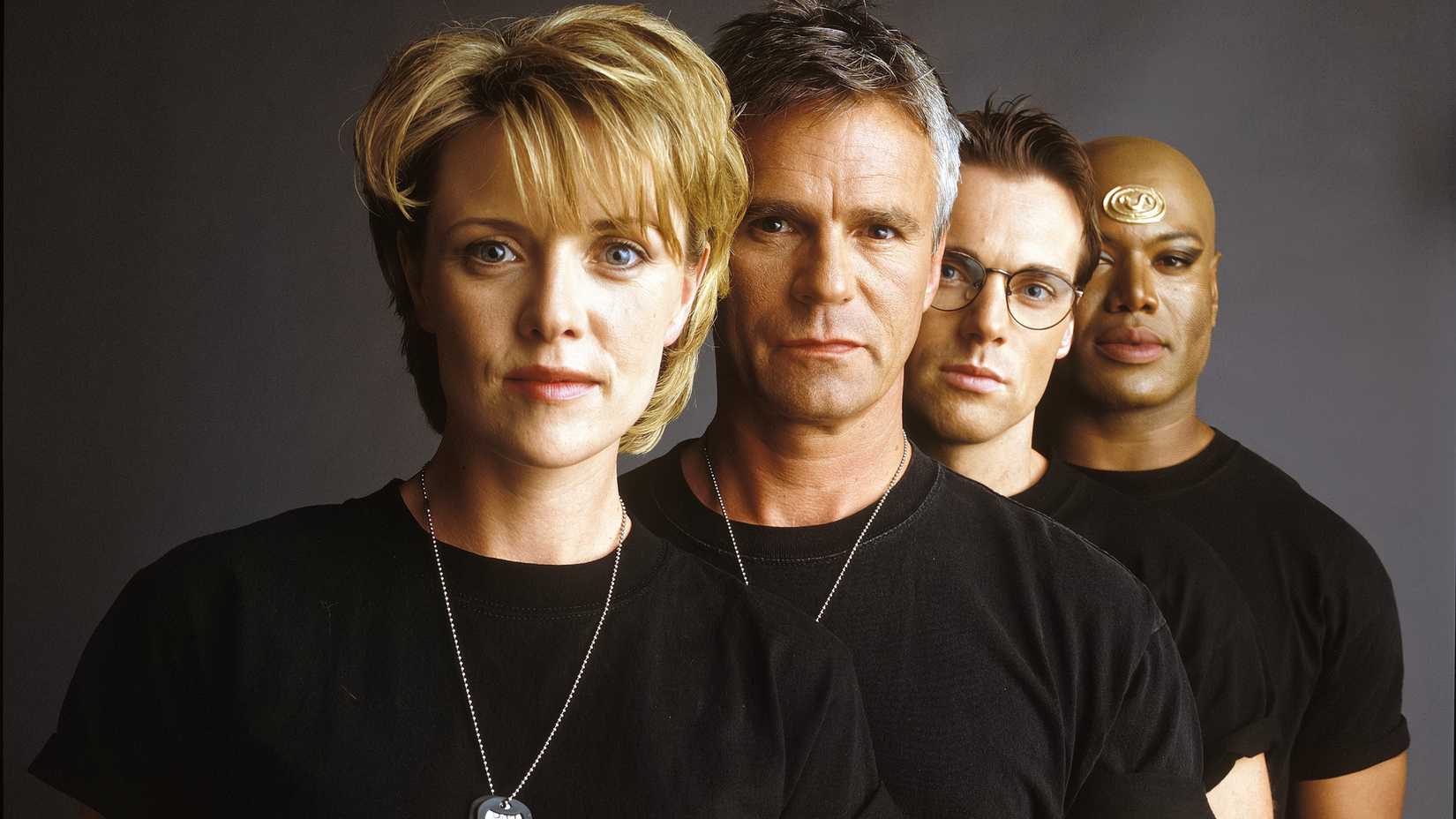
The Stargate franchise began with the 1994 film of the same name, but it truly took off with Stargate SG-1, a sequel television spinoff. Rather than confine a small team to the claustrophobic quarters of a spaceship, Stargate followed a group of military operatives who travel to distant lands using the eponymous Stargate portal.
|
TV Shows In The Stargate Franchise |
|
|---|---|
|
Title |
Year |
|
Stargate SG-1 |
1997-2007 |
|
Stargate Infinity |
2002-2003 |
|
Stargate Atlantis |
2004-2009 |
|
Stargate Universe |
2009-2011 |
|
Stargate Origins |
2018 |
Truthfully, it would be difficult to conflate Star Trek and Stargate if you’ve actually seen both series. The former is a prototypical space opera, while the latter draws inspiration from Greek mythology to Arthurian legends. The titles may be similar enough to fool a sci-fi newbie, but Stargate‘s ever-expanding universe is wholly original and far from a Star Trek rip-off.
Red Dwarf
1988–2020

At first glance, Red Dwarf may seem like the television equivalent of a cheesy B-movie, but that’s precisely the point. The sci-fi British sitcom subverts the tropes created by shows like Star Trek and uses them as the foundation for comedy. The Red Dwarf‘s crew is a ragtag group of misfits and sci-fi clichés— which is exactly why it works.
The sitcom isn’t meant to be as confronting as Star Trek, nor as epic as Star Wars, but it has its own charm, including the hilarious relationship dynamics between its downright peculiar main cast. Star Trek fans will either love or hate Red Dwarf, but the comedy certainly found its own audience across its 12 seasons and decades on air.
Farscape
1999–2003
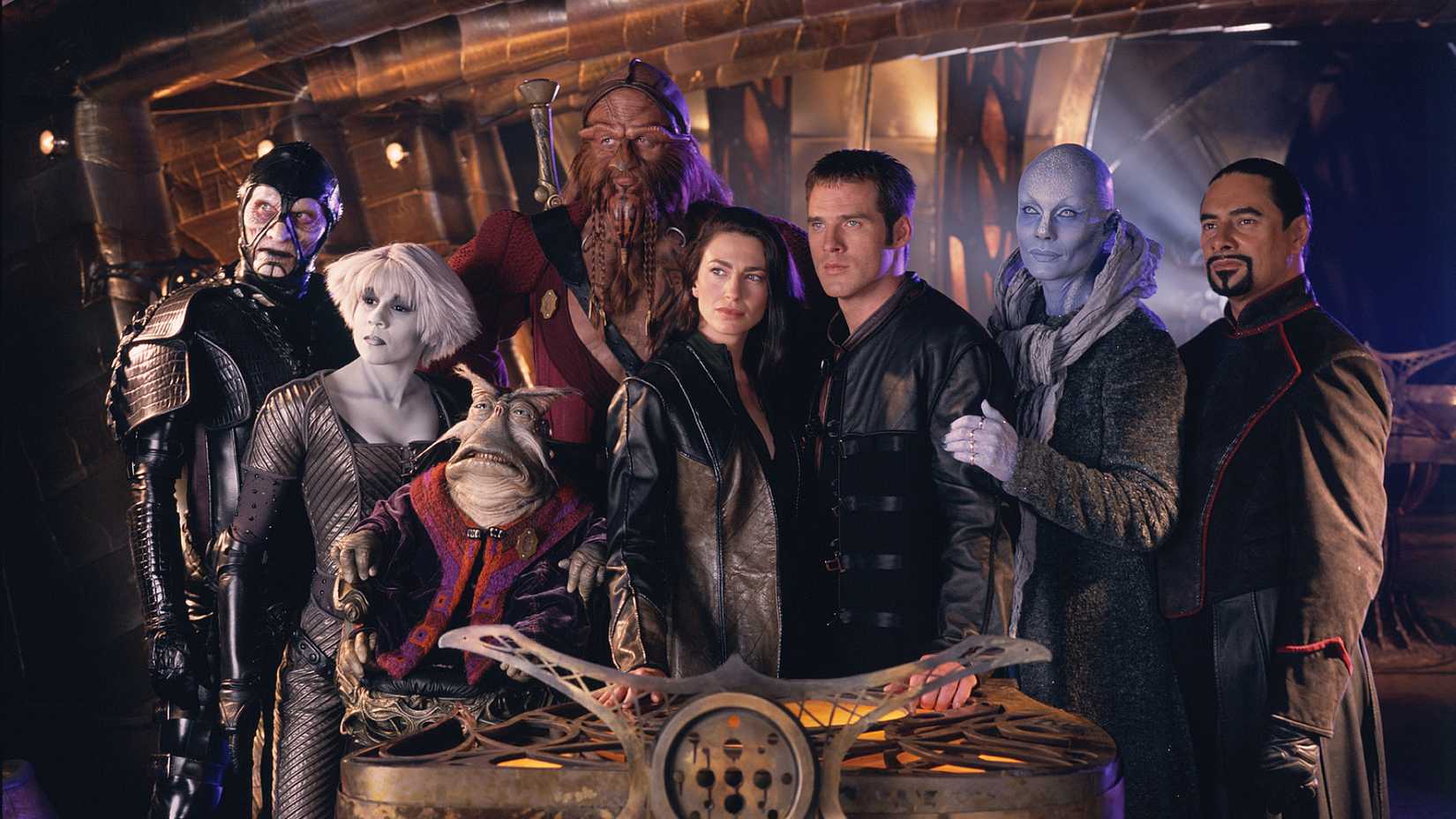
Space operas typically throw the viewer into an immersive alternate reality with little to no preamble, forcing them to immediately buy-in to the far-out setting. In stark contrast, Farscape offers the audience a tether to the real world: John Crichton (Ben Browder), an American astronaut from the then-present who wanders into the sci-fi spectacle via a wormhole.
Despite its grounding in reality, Farscape is— visually, at least— much more whimsical than the original Star Trek. The Australian sci-fi series uses Jim Henson Company puppets, extreme prosthetics, and eye-catching makeup looks to transport the viewer aboard Leviathan ship Moya, while its plot explores familiar themes of oppression, totalitarian regimes, interspecies racial tensions, and Farscape‘s realistically complicated space navigation.
SeaQuest
1993–1996
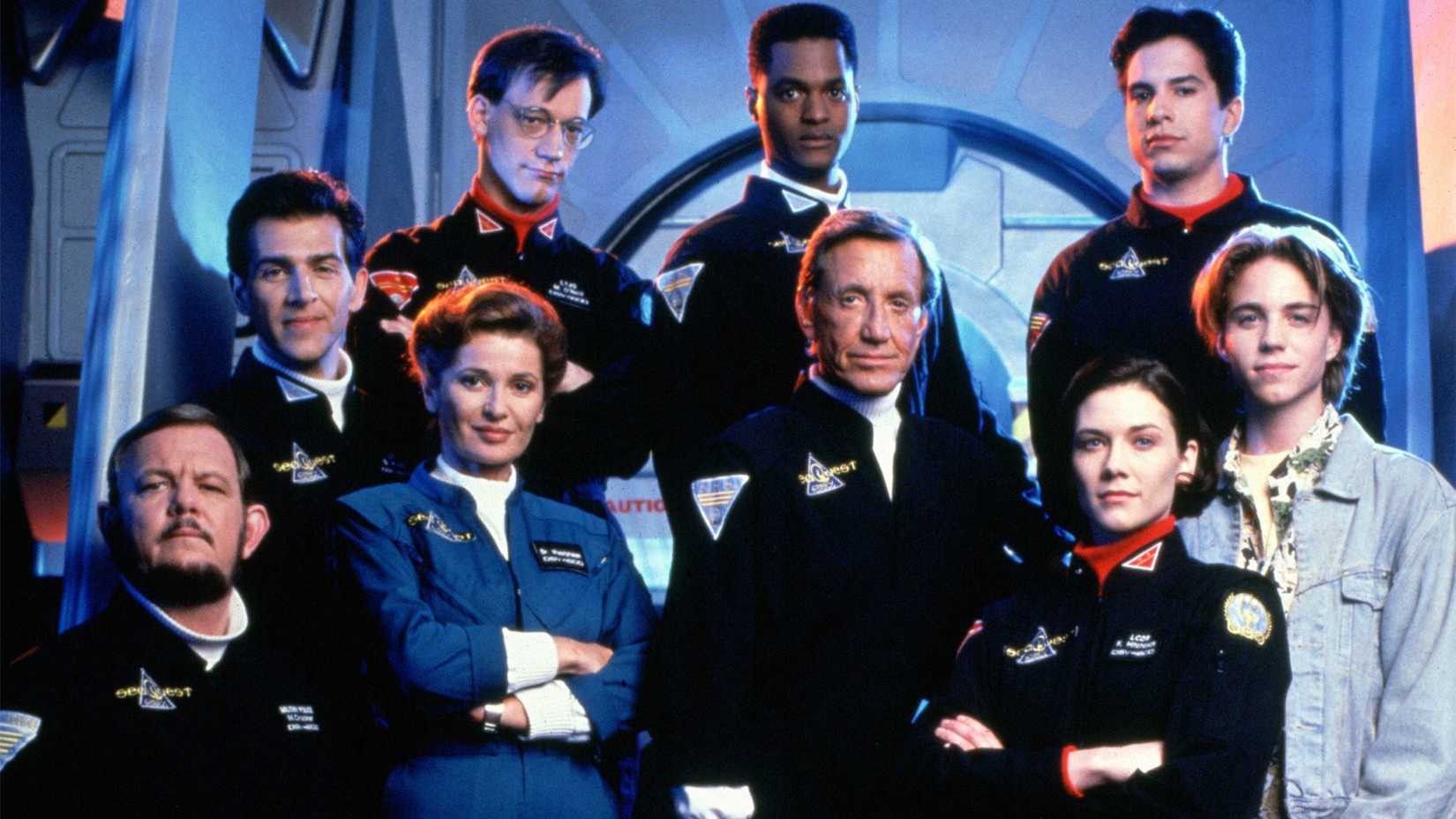
SeaQuest (also known as SeaQuest DSV or SeaQuest 2032) is often likened to a Star Trek premise that takes place underwater rather than in a vast galaxy. In place of the USS Enterprise, the motley crew of SeaQuest worked on a deep-sea submarine, as humanity was forced to turn to the ocean floor after draining the planet’s resources.
Although SeaQuest is now considered a cult classic sci-fi show, it suffered from low ratings and behind-the-scenes conflicts that led to the series’ cancelation after three drastically different seasons. In the end, the nautical opera was a far cry from any sci-fi institution, especially Star Trek.
Odyssey 5
2002

By the time 2000s sci-fi hit its stride, the genre often succeeded by deconstructing norms rather than perpetuating them. Consequently, Odyssey 5 took the exact opposite approach as hits like Star Trek; instead of boldly going “where no man has gone before,” the Odyssey‘s astronauts focus solely on Earth. As a result, the sci-fi/time-travel hybrid feels notably disjointed.
The one-season wonder had plenty of fascinating plots, including the dangers of AI, the butterfly effect, and the ethics of altering the past. Nevertheless, Odyssey 5‘s marketing hindered its potential, as the audience’s preconceived notions of what a sci-fi show should look like clashed with the Canadian drama’s reality.
Firefly
2002
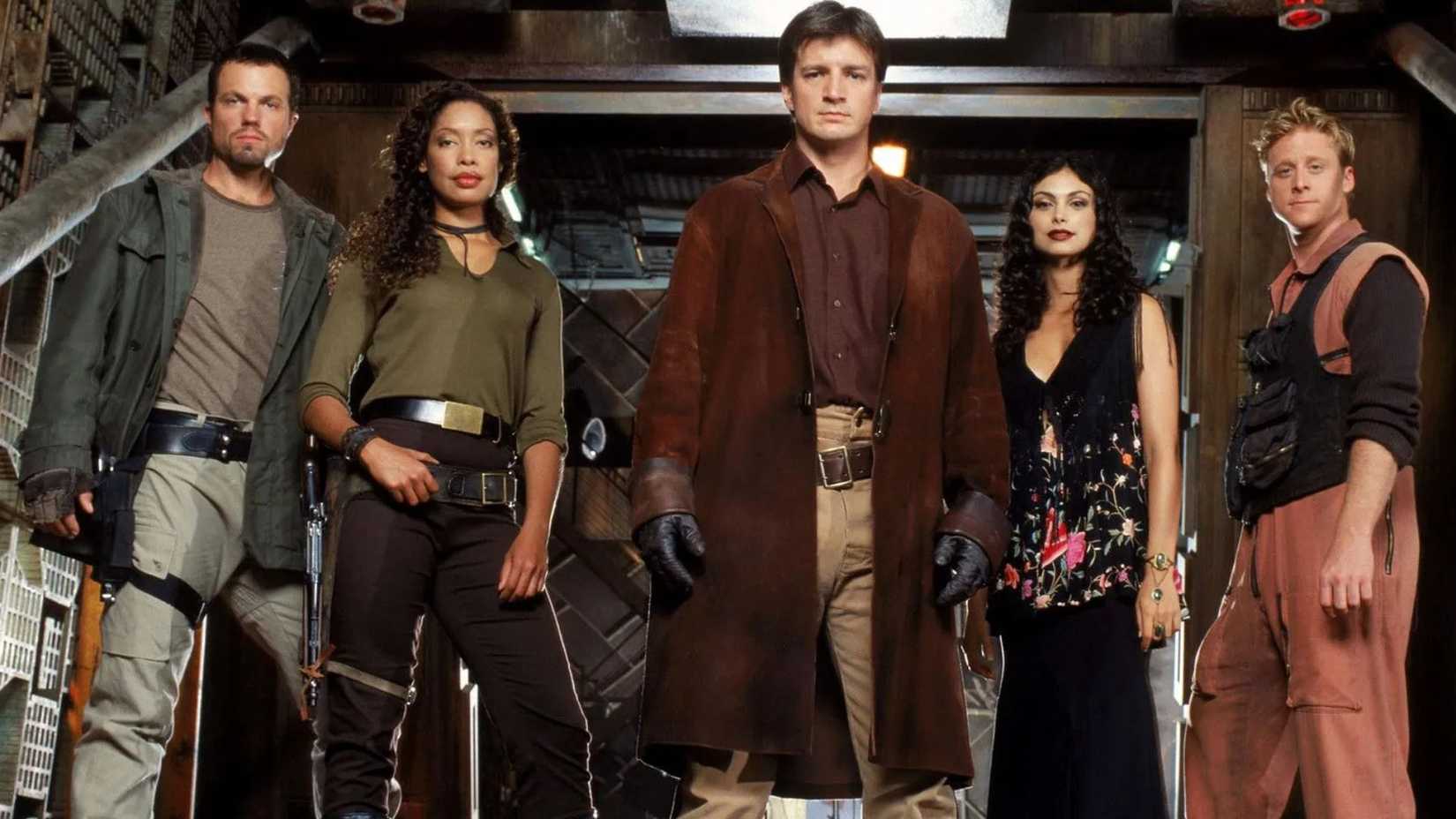
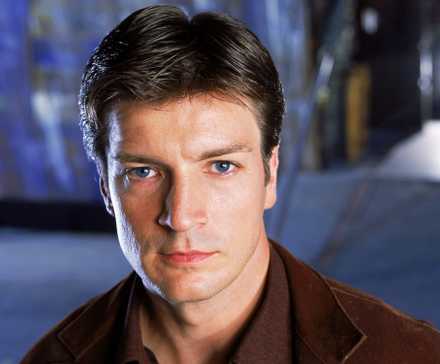
Firefly may be the most popular failed TV show of all time, as fans have loudly protested the space western’s premature cancelation for nearly a quarter of a century. The now infamous series focused on the Serenity, a ship traveling the universe following a civil war and an ecological disaster that left earth inhospitable.
10 Best Shows With Less Than 40 Episodes
While many great shows have over 100 episodes (and sometimes even reach 200), some of the most iconic television series are quick binges.
Firefly had too many twists and idiosyncrasies to be Star Trek‘s perfect replacement, but it could have easily been seen as the Y2K version of the sci-fi classic, had it not ended after a single season. Regardless, Firefly‘s legacy is wildly prolific without any spiritual attachment to Star Trek, but the world will never know what might have been.
Andromeda
2000–2005
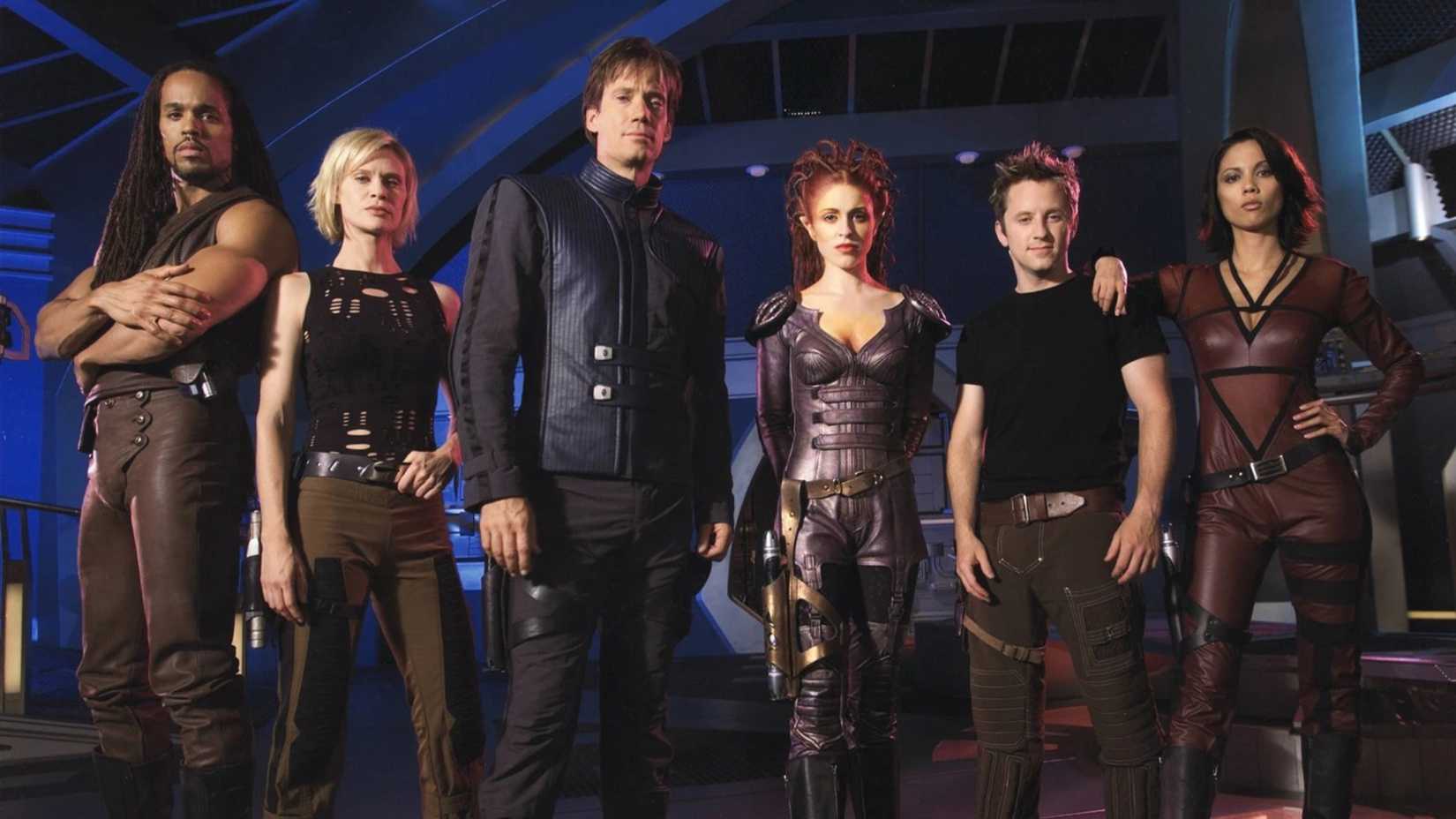
Ironically, Andromeda may be Firefly‘s spiritual successor rather than Star Trek. Nonetheless, there are clear thematic ties between the two space operas— and, unsurprisingly, a few key differences. Just like Star Trek, Andromeda navigated political conflicts in deep space and focused on a diverse crew aboard a cutting-edge starship.
Yet, there was a feeling of solidarity on the USS Enterprise, reflected in matching uniforms and general camaraderie, that is palpably missing from Andromeda. In its place is a purposeful sense of individuality, wherein each character serves a different narrative function. Andromeda is criminally underrated, but it never quite found its footing. Granted, neither did many iterations of Star Trek.
For All Mankind
2019–Present
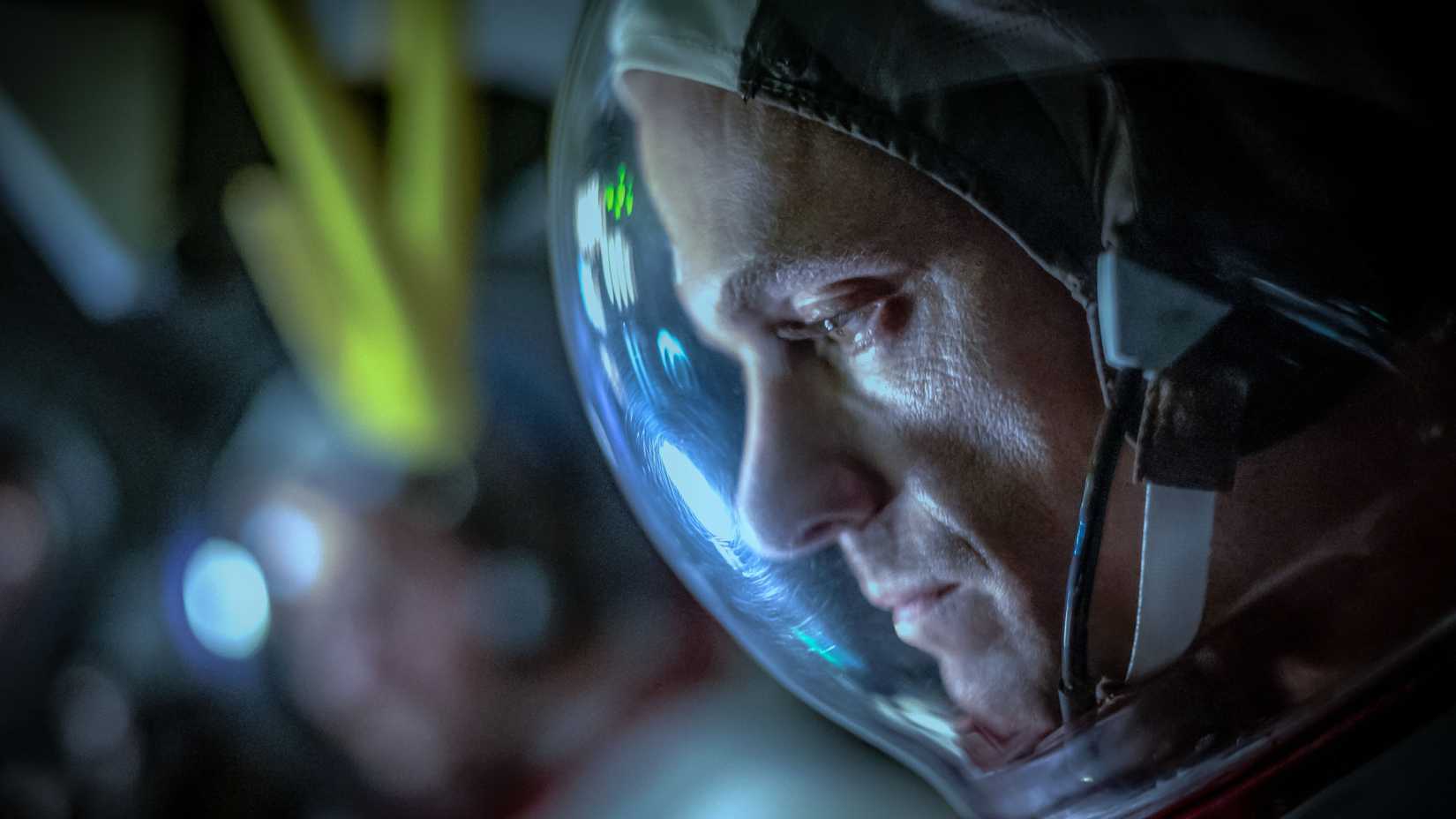
Star Trek is rooted firmly in fantasy, but For All Mankind presents the more novel format of an alternate history. Notably taking place in the past rather than the far-off future, For All Mankind follows the Space Race and its aftermath— instead of echoing real life, however, the Apple TV drama speculates what would’ve happened had the Soviet Union won.
For All Mankind has a 92% average score on Rotten Tomatoes.
For All Mankind has kick-started one of the best sci-fi franchises of the century, but Star Trek has an entirely different appeal. The Apple TV original is imaginative, but it rehashes old conflicts, while Star Trek bravely pushed the envelope with its social commentary. Both are fantastic, but comparing them is apples and oranges.