

The Renaissance also notably brought musicals back to movies. The Broadway-style sound created by the partnership of composer Alan Menken and lyricist Howard Ashman was a huge component of the success.
They started a phenomenon with many incredible Menken-Ashman Disney songs. Later, Disney included some of the best pop stars of the era, leading to some of the most iconic Disney Renaissance songs that go the distance to this day.
Honor To Us All
Mulan (1996)
“Honor to Us All” tends to live in the shadow of “Reflection,” the emotional centerpiece of Disney’s 1996 Mulan. But in its own way, it’s just as profound and arguably more ambitious. The number entertains but also quietly dissects the rigid expectations placed on women in Mulan’s society, where a daughter’s value is measured by whether she can become a suitable wife.
What makes the song especially effective is how much it reveals without spelling anything out. It’s a perfect example of “show, don’t tell.” Mulan is visibly out of step with the other brides-to-be, both literally and figuratively, struggling through the carefully choreographed rituals meant to make her presentable.
At the same time, the sequence shows her intelligence and curiosity, like the quick moment where she helps an old man win Chinese checkers in a single move as she passes by. Even before the plot begins in earnest, the song establishes exactly why Mulan doesn’t fit the role she’s expected to play.
Son Of Man
Tarzan (1999)
Tarzan was the final film of the Disney Renaissance, and it was already starting to tweak the formula that had defined the era. Unlike earlier entries such as The Little Mermaid or Beauty and the Beast, it isn’t a traditional musical. The songs shape the movie emotionally, but the characters themselves don’t sing.
Phil Collins did the music in Tarzan, and “Son of Man” perfectly captures the film’s spirit of adventure. The montage shows Tarzan growing up and learning not just from the apes, but by observing and borrowing from every species around him.
It’s also a showcase for the film’s underrated beauty, from water that looks like it’s truly moving to backgrounds with a soft focus that almost resembles watercolor paintings. Collins’ music reflects the moment Disney was leaving Broadway-style storytelling behind and embracing pure, undeniably catchy pop.
Hellfire
The Hunchback Of Notre Dame (1996)
Disney’s adaptation of Victor Hugo’s Gothic novel The Hunchback of Notre Dame softens the source material for younger audiences, but never quite achieves the same instant-classic status as some Renaissance peers. Its darker themes of religious hypocrisy, lust, and prejudice make it one of the studio’s most mature animated films.
For the soundtrack, composer Alan Menken teamed up with lyricist Stephen Schwartz, who would later write the music for Wicked. Fittingly, “Hellfire” is among Disney’s most intense songs.
While many villain numbers revel in gleeful wickedness, Judge Frollo is tormented by his repression and desire. Menken’s composition blends Latin chant, sweeping orchestration, and haunting choral voices as Frollo spirals into obsession with Esmeralda. The result is a grand, operatic confession that is both terrifying and tragic, elevating the film beyond traditional Disney storytelling.
Zero To Hero
Hercules (1996)
Hercules is one of the most underrated Disney Renaissance movies. “Zero to Hero” encapsulates the playful, irreverent humor of Hercules in this high-energy, gospel-infused showstopper. The Muses act as a lively Greek chorus, belting the number with powerhouse vocals inspired by gospel, R&B, and Motown.
The song charts Hercules’ meteoric rise to fame with clever wordplay, with Hercules blending modern pop culture with Greek mythology. Composer Alan Menken supplies a bold, brassy melody that makes the song irresistibly fun. The visuals elevate the number, packing the montage with visual gags that underline Hercules’ sudden celebrity, including the blink-and-you-miss-it “Air Herc” sandals.
The result is one of Disney’s most inventive musical sequences. It’s just an added bonus if you know Greek mythology or 90s pop culture.
Friend Like Me
Aladdin (1992)
After the huge successes of The Little Mermaid and Beauty and the Beast, Disney took a slightly different approach with Aladdin, creating a male-focused, comedy-leaning musical. “Friend Like Me” is a perfect example, fueled by Robin Williams’ Genie‘s rapid-fire comedic genius.
Williams’ improvisational energy was a challenge for animators to match, but it resulted in a performance that is endlessly entertaining both on-screen and during repeated listens. The song’s exuberance doesn’t aim for Oscar-level gravitas, but it remains one of the most iconic numbers in the Disney repertoire.
It fully embraces the strengths of animation. “Friend Like Me” uses impossible visuals, wild transformations, and over-the-top gags to create a spectacle that feels as much like a visual carnival as a musical number.
Just Around The Riverbend
Pocahontas (1995)
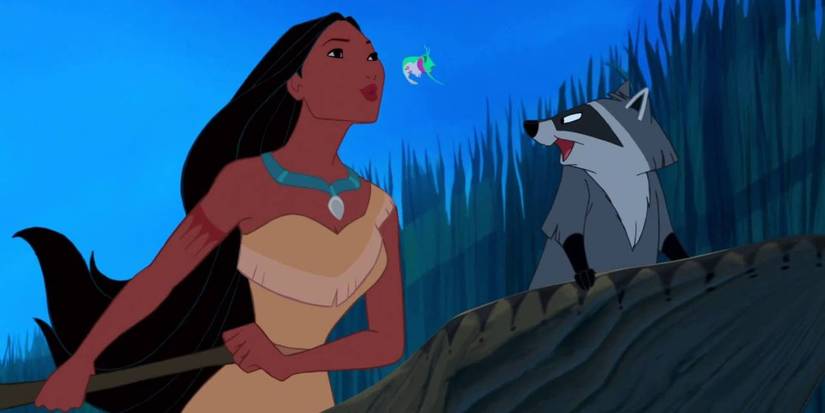
While “Colors of the Wind” became the standout hit from Pocahontas, “Just Around the Riverbend” is a sweeping, introspective number that perfectly captures Pocahontas’s adventurous spirit and inner conflict. While it shares DNA with other “I Want” songs, this number emphasizes the excitement of the journey rather than longing for a distant dream.
The song beautifully establishes her connection to the natural world and sets the stage for the movie’s loosely historical story inspired by the real Pocahontas. Composer Alan Menken combines lush orchestration with Native American-inspired instrumentation. Woodwinds, percussion, and soaring strings evoke the fluidity and power of nature, mirroring Pocahontas’s free spirit.
I Won’t Say (I’m In Love)
Hercules (1996)
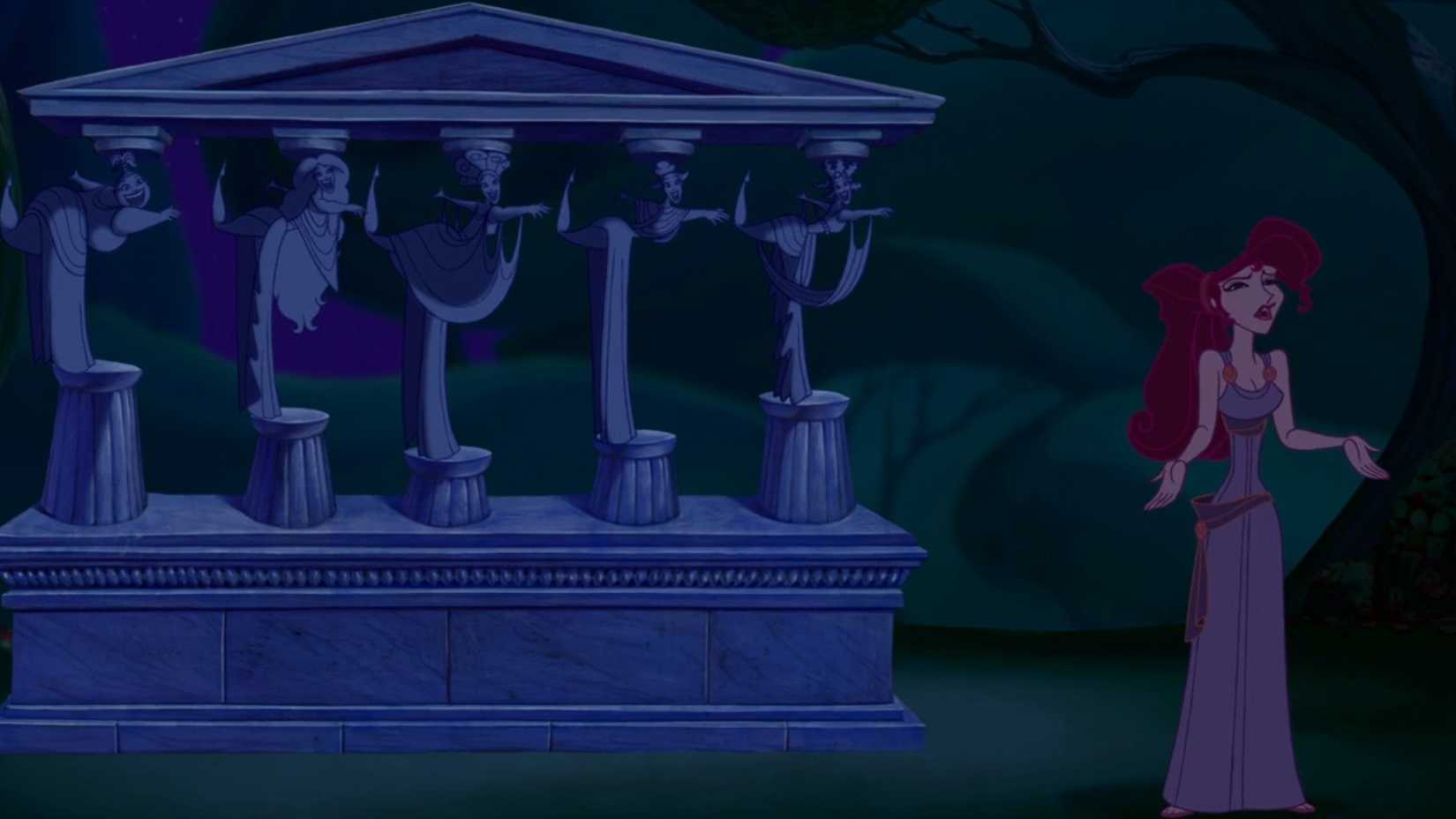
Hercules achieves something rare with “I Won’t Say (I’m in Love)” in crafting an anti-love love song. Meg ostensibly insists she won’t depend on a man, but her physicality and expressions reveal her heart is quietly betraying her.
The Muses, serving as a literal Greek chorus, provide cheeky backup vocals and playful commentary, turning the number into both a narrative device and a source of humor. Composer Alan Menken layers Motown-inspired rhythms with soaring, melodic lines, giving the song an irresistible groove while still carrying emotional weight.
Its clever lyrics, self-aware humor, and unforgettable melodies make it a standout in Disney’s catalog, proving that a romantic song can be both witty and heartfelt without ever losing its narrative edge. Hercules plays with Greek mythology, taking a lot of creative and musical liberties.
I Just Can’t Wait To Be King
The Lion King (1993)
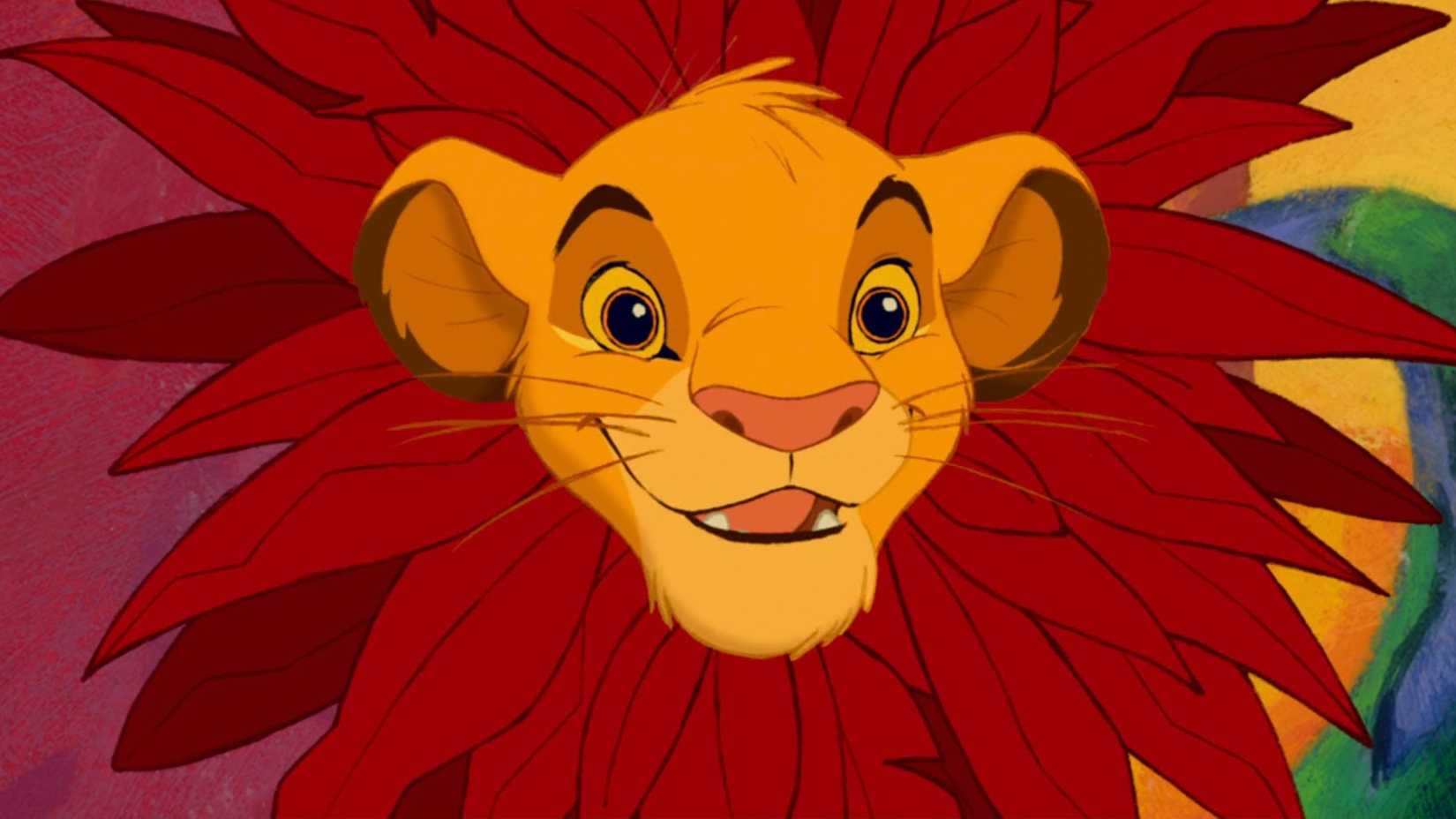
Elton John did the music for The Lion King, marking a deliberate shift away from the Broadway-style approach of Alan Menken, leaning instead on John’s rock/pop sensibilities. “I Just Can’t Wait to Be King” quickly became iconic because it captures Simba’s youthful energy, impatience, and excitement for the future, making it instantly relatable to children everywhere.
Its bright, infectious melody blends playful African-inspired rhythms with a bold, theatrical flair, making the number endlessly fun to sing and watch. The animation elevates the spectacle with vivid colors, imaginative choreography, and sequences like Simba prancing across animals and landscapes, which feel joyful and boundless.
Beyond its visual and musical flair, the song establishes Simba’s curiosity, confidence, and sense of adventure. “I Just Can’t Wait to Be King” is a definitive Disney anthem.
I’ll Make A Man Out Of You
Mulan (1996)
“I’ll Make a Man Out of You” is iconic because it perfectly balances humor, tension, and empowerment in one unforgettable number. Sung by Donny Osmond, the song drives Mulan’s grueling military training while keeping the sequence entertaining. Much of the song is a high-energy, comedic montage showing the recruits, Mulan included, struggling and failing at drills.
In the final stretch, Mulan wordlessly proves her worth, using her intelligence rather than brute strength to climb the pole and reach the arrow, turning what could have been a disadvantage into an asset. Composer Matthew Wilder and lyricist David Zippel’s rousing melody and precise rhythms underscore her transformation.
Beyond its musical and technical brilliance, the song endures as an anthem of perseverance, ingenuity, and self-discovery. Though “Go the Distance” from Hercules gets more recognition, “I’ll Make a Man Out of You” is quietly one of Disney’s most motivational hits.
Under The Sea
The Little Mermaid (1989)
If “Part of Your World” is the ultimate “I want” song, then “Under the Sea” is the perfect showcase for how big, bold, and fun Disney’s new musical style could be. The number bursts with infectious calypso rhythms that bring the ocean to life, blending Caribbean-inspired percussion, horns, and playful melodies with theatrical energy that’s joyous and unstoppable.
The animation matches the music’s exuberance, filling the screen with vibrant colors, fluid movement, and imaginative details that make every coral, fish, and bubble feel alive. Beyond its technical brilliance, the song remains endlessly entertaining, balancing humor, storytelling, and musicality in a way that feels fresh and immersive.
“Under the Sea” not only captivates viewers in the moment but also helped define the scale and ambition of the Disney Renaissance early in Disney’s original The Little Mermaid.