

The X-Men #39 was written by Roy Thomas, with art by Don Heck. At the end of the issue, Marvel introduced personalized superhero gear from the original five X-Men.
In the story, the slick new costumes were designed by Jean Grey. Behind-the-scenes, it was the result of Marvel realizing the one thing Avengers had that X-Men was missing: some style.
X-Men’s Late ’60s Costume Change Was A Pivotal Moment Of Growth For The Fledgling Franchise
The X-Men #39; Written By Roy Thomas; Art By Don Heck; Published In October 1967
In September 1967, Marvel’s X-Men celebrated its fourth anniversary. At the time, it wasn’t a sure thing that the series would survive. In fact, just three years later, X-Men was canceled. So, it’s fair to say that in fall ’67, Marvel was looking for ways to reinvigorate its mutant heroes. It started with a classic move: a costume change.
Up until X-Men #39, Charles Xavier’s X-Men wore a uniform. Yellow and blue-black tights with an “X” belt buckle. The cover for the issue promised “NEW Costumes,” which debuted in the final pages. Most famous, of course, is Jean Grey’s green minidress and thigh-high yellow boots. It still ranks among her signature looks today.
The same goes for Cyclops’ refined version of the team’s OG costume, which remains his most iconic design six decades after the fact. Meanwhile, Angel got a new red-and-yellow color scheme, while Beast’s new look was red-and-blue. Iceman, the coolest of the original X-Men, didn’t have to change a thing, of course.
The X-Men Quickly Outgrew Their OG Team Costumes, But It Took Marvel Time To Realize It
What Marvel’s Mightiest Mutants Learned From Earth’s Mightiest Heroes
Giving the X-Men a cohesive look made sense as a creative choice when Stan Lee and Jack Kirby launched X-Men in 1963. The book’s characters were students at a boarding school, who doubled as superheroes. They were a team first and foremost. One unit, one look. Except this always clashed with the individuality of their mutant powers.
Charles Xavier practically says as much at the end of X-Men #39. When he’s asked about the change, Professor X says it is “long overdue.” It’s a pretty overt example of Marvel’s creators indirectly speaking to the audience. Saying, “we realize these characters deserve more distinct costumes. Sorry it took so long.”
After all, The X-Men and The Avengers debuted in the exact same month. Both were team books, but The Avengers brought together pre-existing characters, who each had their own established looks. Which actually turned out to be part of Avengers’ appeal, making it Marvel’s most popular book of the ’60s while X-Men struggled.
The X-Men’s First Costume Upgrade Foreshadowed The Future Of The Franchise
It Even Teased Beast’s Iconic Transformation
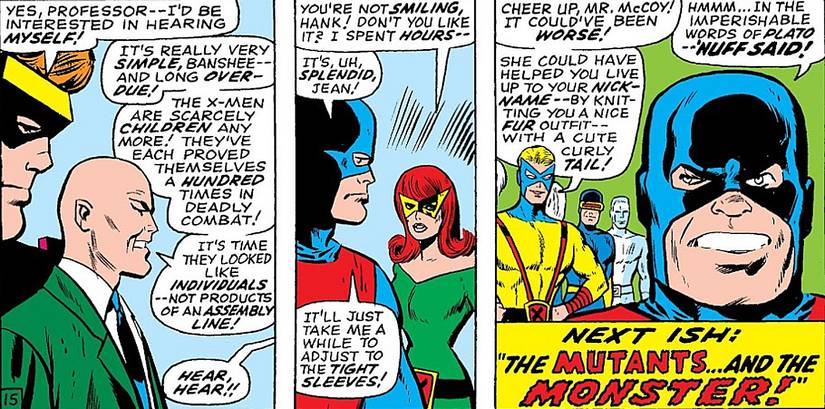
X-Men #39’s costume change was a glimpse of the future. It wasn’t enough to completely change the book’s fortunes in the late ’60s, but it prefigured one important upgrade Marvel’s mutants needed to be successful down the road. Curiously, it also predicted the evolution of one character in particular: Beast.
Hank McCoy is the only one not totally thrilled with his new outfit, leading Angel to tease him that: “[Jean] could have helped [Beast] live up to [his] nickname by knitting [him] a nice fur outfit — with a cute curly tail!” Of course, it was just five years later that Hank mutated further, gaining his trademark animalistic appearance.
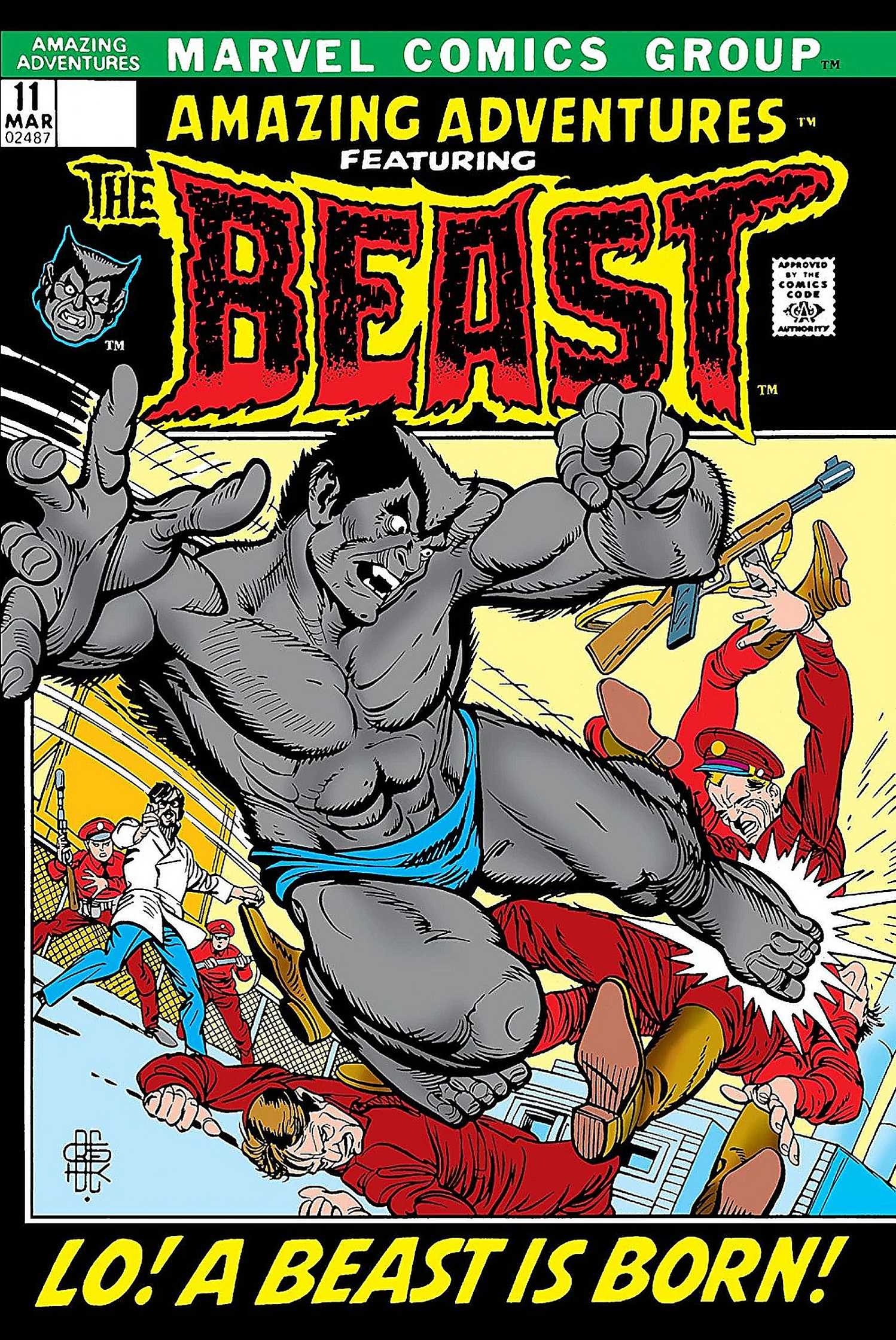
It’s almost as if author Roy Thomas recognized that the hero named “Beast” wasn’t living up to his full potential. And according to behind-the-scenes lore? It was actually Thomas who pitched Beast’s evolution, which author Gerry Conway made a reality in 1972’s Amazing Adventures #11.
The X-Men’s Mid-70s Revival Saved The Franchise; It Learned A Valuable Lesson From “X-Men #39”
Giant-Size X-Men Nailed The Balance Between Heroic Teamwork & Individualism
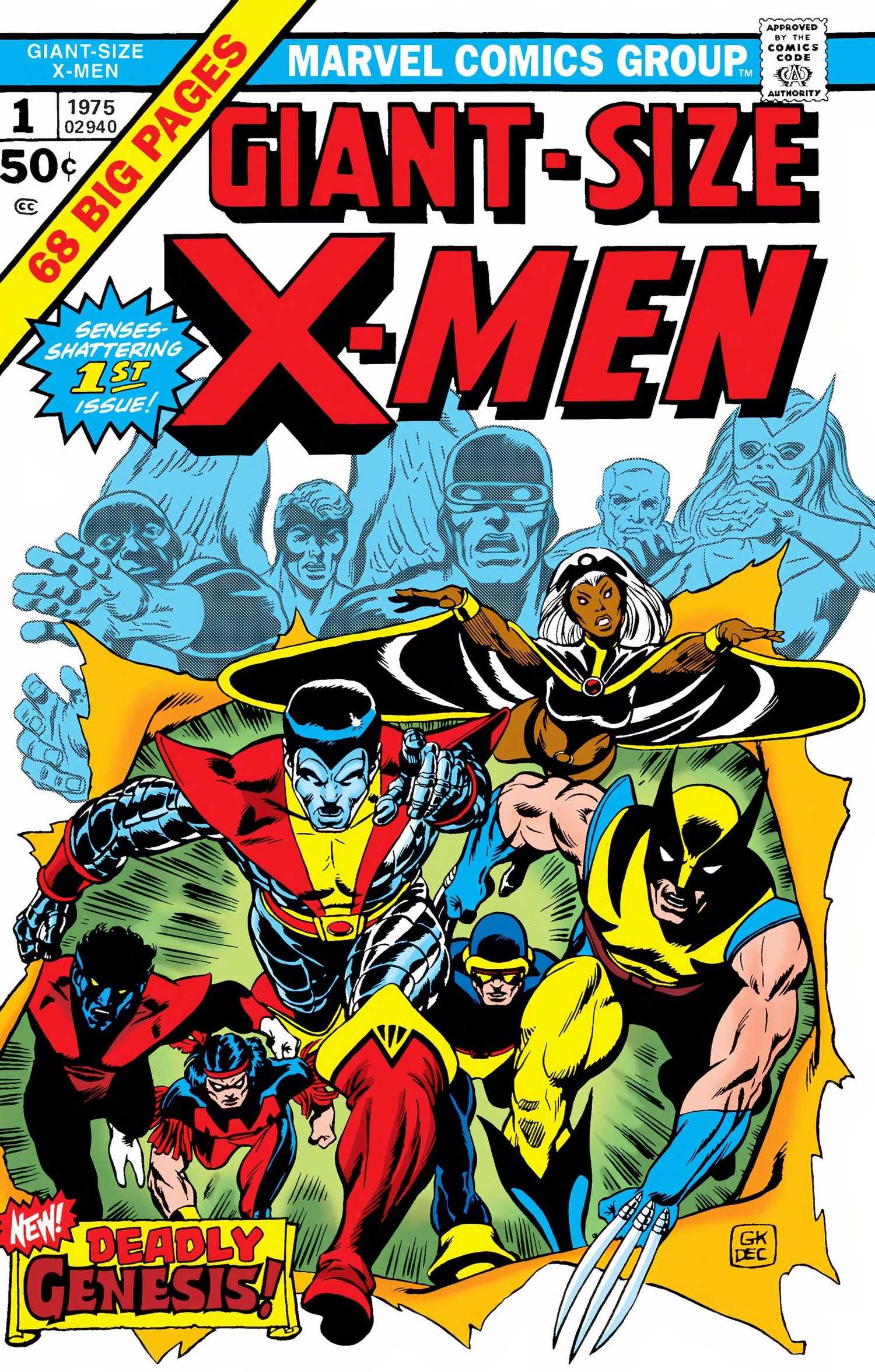
We mentioned before that the original X-Men comic was canceled in 1970. It’s actually a bit more complicated than that. “New” issues of X-Men continued to appear on shelves for the next few years, but they were really reprints of old stories. Marvel’s mutant heroes themselves continued to pop up in Avengers, Hulk, and other stories, but their future was uncertain.
That is, until 1975. Giant-Size X-Men #1 is considered the second birth of the franchise. It introduced legendary mutants Wolverine, Storm, Colossus, Nightcrawler, and opened the door for even more mutants to proliferate and populate the Marvel Universe. It’s also often conflated with the introduction of colorful costumes to X-Men.
X-Men’s 10 Greatest Superhero Designs Of All Time, Ranked
The X-Men have some of the most iconic costumes in superhero history, but who are the best of the best? Here’s our ranking of the top ten.
And that’s because Giant-Size took the assignment seriously. It was a product of the lessons learned by both X-Men and Avengers in the 1960s. Readers like teams, but they want each team member to have their own thing going on too. Their own distinct personality. Their own unique visual aesthetic.
After Giant-Size X-Men’s success, Marvel resumed publishing new stories in X-Men #94. This was the debut of writer Chris Claremont for the franchise. It was a period of upheaval that ultimately set the franchise on a course to become one of Marvel’s most successful franchises. Yet it’s worth questioning if it would’ve happened the same way without X-Men #39 laying the groundwork.
The X-Men’s ’60s Redesign Was An Essential Evolution For Marvel’s Mutant Heroes
A Necessary Reinvention For The Original Five X-Men
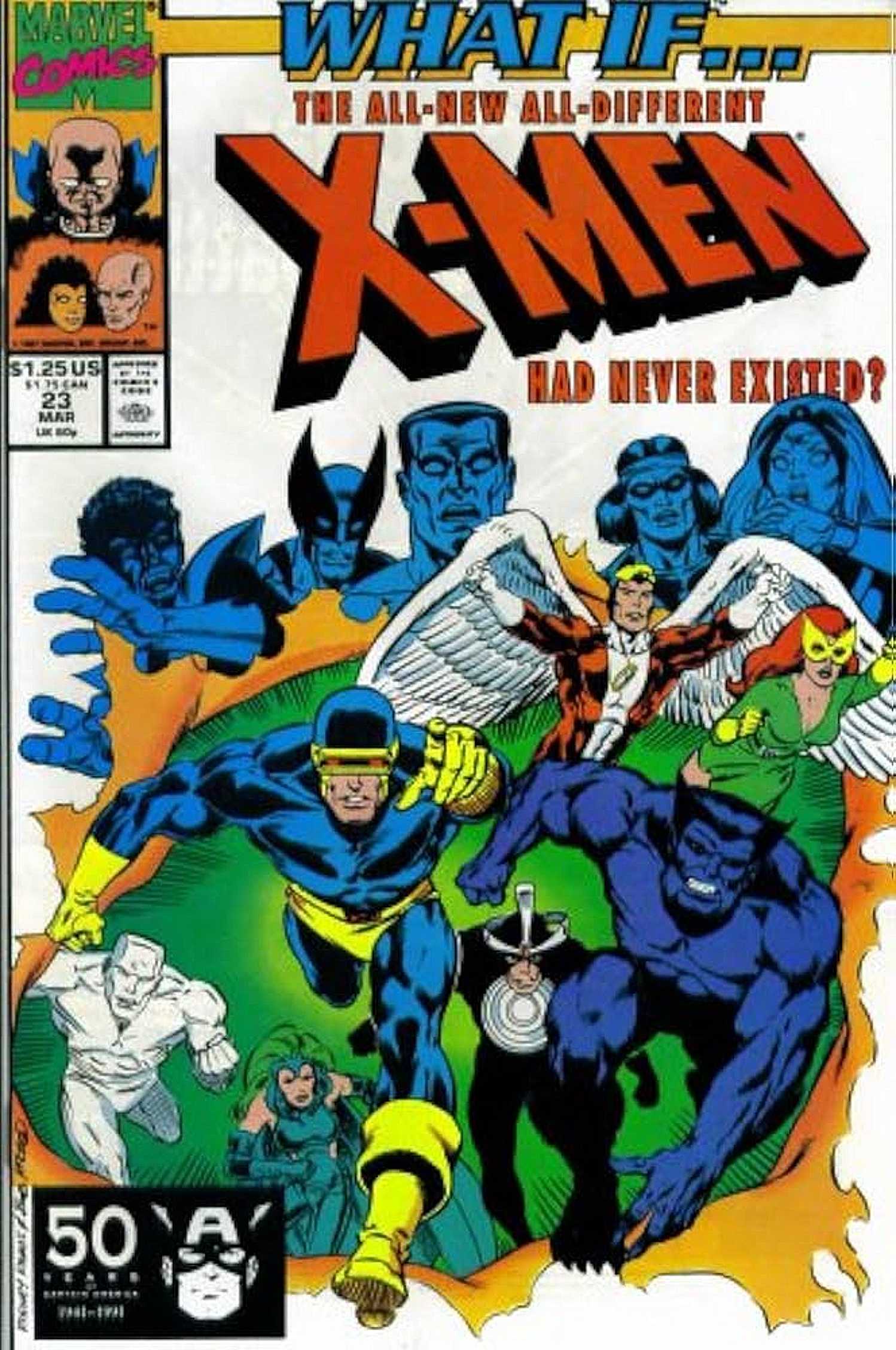
It’s a great Marvel “What If?” That is, “what if Giant-Size X-Men hadn’t been a hit?'” What butterfly effect does that have on comic book history as a whole? If there’s no X-Men revival, does Marvel still recognize Wolverine’s potential and make him an Avenger? Does he remain just a guy wearing gloves with retractable metal claws, rather than a mutant icon?
Maybe Marvel does eventually bring back X-Men, but maybe Chris Claremont isn’t available to write it. That means a very different 1980s for the franchise, and possibly not nearly as much success. It’s impossible to say, but it’s a fun thought experiment. You can do the same thing with X-Men #39: “what if Marvel had never introduced the X-Men’s late ’60s costumes?”
Or, you can go back to X-Men #1. What if the team had been given solo costumes from the jump? What if X-Men is the dominant Marvel book of the ’60s, rather than Avengers? The point is, Marvel history hinges these moments. X-Men #39’s costume shake-up was the right move, at the wrong time, but it still counts as a landmark evolution.
We want to hear from you, X-Men fans. What other foundational moments in X-history should we revisit?
- Movie(s)
-
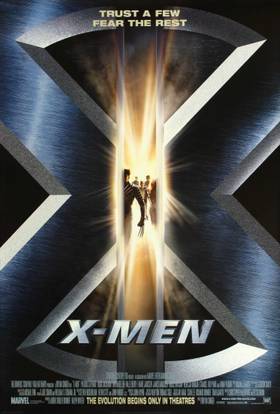
X-Men (2000), X2, X-Men: The Last Stand (2006), X-Men Origins: Wolverine (2009), X-Men: First Class (2011), The Wolverine (2013), X-Men: Days of Future Past (2014), Deadpool (2016), X-Men: Apocalypse (2016), Logan (2017), Deadpool 2 (2018), Dark Phoenix (2019), The New Mutants, Deadpool & Wolverine (2024)
- First Film
-
X-Men (2000)
- TV Show(s)
-
X-Men: Pryde of the X-Men, X-Men (1992), X-Men: Evolution (2000), Wolverine and the X-Men (2008), Marvel Anime: Wolverine, Marvel Anime: X-Men, Legion (2017), The Gifted (2017), X-Men ’97 (2024)
- Video Game(s)
-
X-Men: Children of the Atom (1994), Marvel Super Heroes (1995), X-Men vs. Street Fighter (1996), Marvel Super Heroes vs. Street Fighter (1997), Marvel vs. Capcom (1998), X-Men: Mutant Academy (2000), Marvel vs. Capcom 2: New Age of Heroes (2000), X-Men: Mutant Academy 2 (2001), X-Men: Next Dimension (2002), Marvel vs. Capcom 3: Fate of Two Worlds (2011), Ultimate Marvel vs. Capcom 3 (2011), X-Men Legends (2005), X-Men Legends 2: Rise of Apocalypse (2005), X2: Wolverine’s Revenge (2003), X-Men (1993), X-Men 2: Clone Wars (1995), X-Men: Mutant Apocalypse (1994)
- Character(s)
-
Professor X, Cyclops, Iceman, Beast, Angel, Phoenix, Wolverine, Gambit, Rogue, Storm, Jubilee, Morph, Nightcrawler, Havok, Banshee, Colossus, Magneto, Psylocke, Juggernaut, Cable, X-23
- Comic Release Date
-
213035,212968