

What really makes these titles stand out today is how dramatically audience perspectives have shifted. Storylines that were once treated as harmless fun or daring satire now raise serious questions about consent, representation, and the messages being normalized on-screen.
Add in dated visual effects, heavy-handed tropes, and even uncomfortable real-world context surrounding certain films, and the cracks start to show in ways that are hard to ignore. Rewatching these hits is a reminder that cultural impact doesn’t always equal timeless quality, and some of the decade’s most beloved movies have aged in ways their creators likely never anticipated.
American Beauty (1999)
At the time of its release, American Beauty was widely praised as a daring and insightful critique of suburban life, earning major awards and critical acclaim. Its story of a disillusioned middle-aged man seeking meaning that resonated strongly with audiences. However, the film’s central plot lands very differently today.
Lester Burnham’s obsessive infatuation with his teenage daughter’s friend feels very different today. What was once framed as dark satire now feels deeply unsettling, especially given how the narrative occasionally romanticizes or softens his behavior rather than fully condemning it.
The discomfort is amplified by the real-world context that has emerged since the film’s release. In 2017, Kevin Spacey was accused of sexual misconduct by a series of young men. This makes American Beauty particularly cringeworthy in retrospect. It’s impossible to separate the performance from broader cultural conversations about power, accountability, and exploitation.
Scenes that once seemed provocative now feel inappropriate, even predatory, shifting the tone of the entire film. While American Beauty still has striking cinematography and thematic ambition, its treatment of this storyline has aged poorly, making it difficult for modern audiences to engage with it in the same way without a sense of unease.
American Pie (1999)
When American Pie hit theaters, it was seen as a defining teen comedy. It was raunchy, irreverent, and unapologetically crude. Its humor pushed boundaries and helped shape the genre for years to come. However, its approach to relationships and sexuality is far more troubling than funny when rewatched today.
One of the most criticized aspects is how the film treats women, frequently reducing them to objects of conquest rather than fully realized characters. The infamous webcam subplot, in which a private encounter is broadcast without consent, is particularly difficult to watch today. At the time, it was played for laughs.
However, now, it reads as a serious violation of privacy and trust. American Pie’s broader attitudes toward sex and masculinity also feel outdated, emphasizing peer pressure and performance over genuine connection or respect. It maintains outdated stereotypes for both sexes, perpetuating the notion that sex is the only goal in life for men and the only inherent value in women.
While American Pie undeniably had a major cultural impact, its humor often comes at the expense of basic empathy and consent. These are very representative of teen comedies from the era, including the casual homophobia and appearance bias. As a result, American Pie is a far less comfortable viewing experience for contemporary audiences than it once was.
Ace Ventura: Pet Detective (1994)
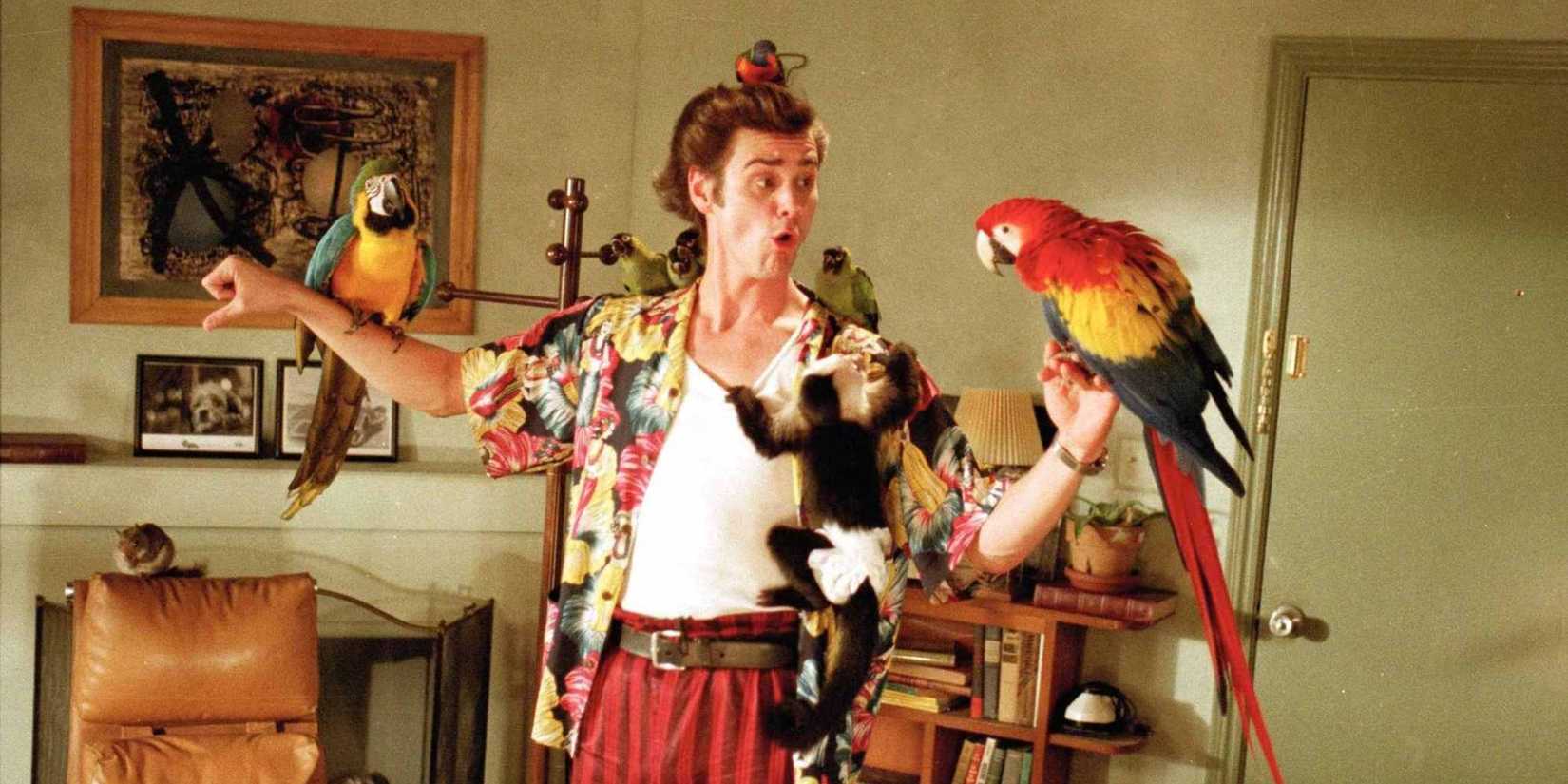
Jim Carrey’s breakout role in Ace Ventura: Pet Detective helped define his over-the-top comedic style and made the film a massive hit. Its slapstick humor and energetic performance were widely embraced at the time, turning the character into a pop culture icon. However, one particular aspect of the film has become increasingly controversial and difficult to overlook.
Ace Ventura’s climactic twist and subsequent reaction from the characters hinge on a portrayal that is widely considered transphobic by today’s standards. What was once treated as a shocking and comedic reveal is now seen as offensive, relying on harmful stereotypes and encouraging disgust as a punchline.
The extended sequence that follows doubles down on this reaction, making it even more uncomfortable for modern viewers. There is a long, drawn-out montage of Ace vomiting and repeatedly cleaning his mouth after kissing a trans woman, followed by dozens of men spitting in disgust. It culminates in Ace forcibly stripping and revealing her genitalia to a mob of cis men.
While Carrey’s physical comedy and commitment to the role remain impressive, the film’s legacy is complicated by this ending. It would be different if it were a quick plot point, but the “joke” about trans women lasts for the entire final act. Ace Ventura serves as a reminder of how humor that targets marginalized groups can quickly become outdated.
She’s All That (1999)

At the height of late ’90s teen movie mania, She’s All That felt like the ultimate fairy tale makeover story, built around charm, romance, and a now-iconic reveal moment. But revisiting it today makes the film’s central premise feel far more uncomfortable than magical. The story hinges on the idea that a smart, artistic, and perfectly capable young woman is undesirable.
Thankfully, a popular guy decides to transform her into someone “worthy” of attention. The makeover itself (removing glasses, changing clothes, and altering her presentation) suggests that her value lies only in conventional beauty standards. Once again, her worth is tied exclusively to the male gaze.
It’s not until she’s deemed beautiful enough that she can be rewarded with a relationship. Even more frustrating is how the film sidelines her individuality in favor of the male lead’s social standing and personal growth. Instead of challenging shallow norms, She’s All That ultimately reinforces them.
Deep Blue Sea (1999)
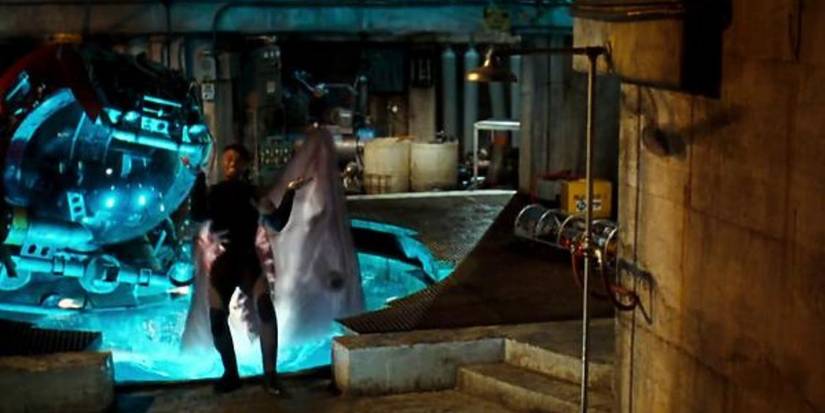
Deep Blue Sea aimed to capitalize on the success of creature features with a high-concept premise involving genetically enhanced sharks and a high-tech underwater facility. At the time, its action and intensity made it a solid popcorn thriller. Yet decades later, one element stands out for all the wrong reasons: its visual effects.
The film’s CGI sharks, which were once considered cutting-edge, now look distractingly artificial. Vitally, they pull viewers out of the tension the movie tries to build. In a genre that relies heavily on suspense and believability, these effects undermine key moments that are supposed to feel dangerous or shocking.
Now, it’s one thing for CGI to simply look dated, which can be forgiven as a limitation of the time. However, Deep Blue Sea is laughably bad. The result is closer to Sharknado than it is Jaws, which, for many, has made Deep Blue Sea a so-bad-it’s good classic.
This status has garnered a cult fandom, but mostly just to laugh at the incredibly 90s cast being eaten by cartoon monsters. While it still has entertaining moments and memorable scenes, its reliance on now-dated CGI makes it harder for modern audiences to take it seriously as a thriller.
The Green Mile (1999)
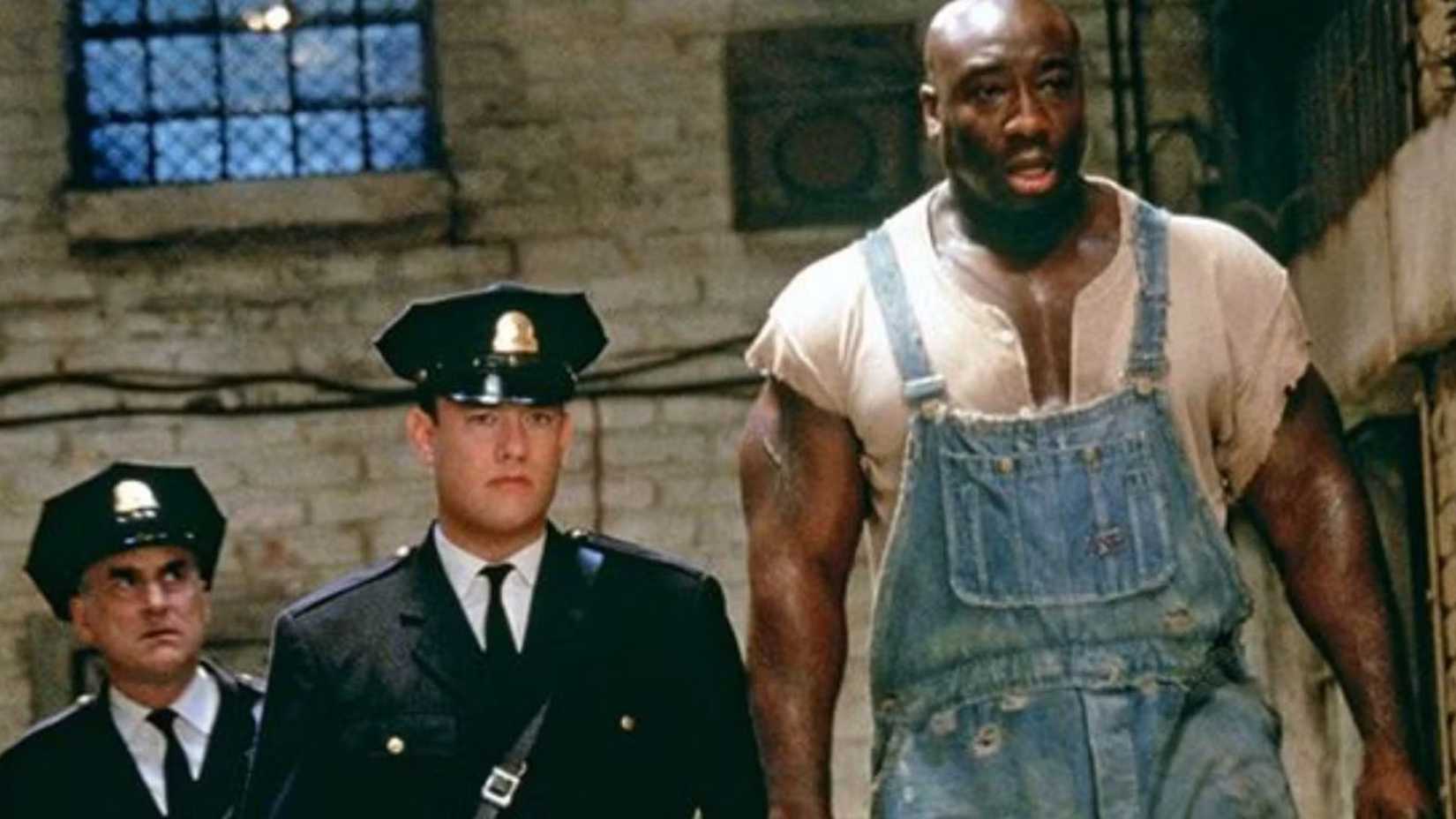
Upon release, The Green Mile was widely praised for its emotional storytelling and performances, presenting itself as a poignant meditation on justice, morality, and the death penalty. However, modern reassessments have raised significant concerns about how the film handles its themes, particularly in its portrayal of John Coffey.
Coffey’s character falls into the well-worn “magical negro” trope: a Black character endowed with supernatural abilities whose primary narrative purpose is to heal or redeem white characters. Rather than being fully realized, he exists largely to serve the emotional arcs of others, which feels reductive and outdated by today’s standards.

10 Movies Too Upsetting To Watch A Second Time
These unforgettable films deliver incredible storytelling but are so emotionally devastating that many viewers can only handle watching them once.
The film’s stance on capital punishment is also more ambiguous than it initially appears. While it presents Coffey’s execution as tragic and unjust, the narrative still allows it to happen without meaningful resistance, which can come across as a passive or even ineffective critique. This renders The Green Mile less like a bold statement against capital punishment.
The result is a softened, limited exploration of deeply serious issues. This is especially poignant when viewed through a modern lens and the ongoing discussions about systemic inequality in the justice system. The fact John spends his execution reassuring the white guards has been particularly criticized as appeasing white guilt, making The Green Mile feel less impactful on modern viewing.