

Given all the missteps Disney has made with Star Wars over the years, including the widely panned release of Star Wars: The Rise of Skywalker and the (relative) box office failure of Solo: A Star Wars Story, it’s easy to revere George Lucas’ Star Wars as the end-all, be-all of the franchise. Still, not all of Lucas’s work was immune to criticism; many of his ideas in the Star Wars prequel trilogy were met with vicious scorn, much like the backlash experienced by the cast and creatives behind Disney’s divisive Star Wars sequel trilogy.
Disney’s Star Wars couldn’t exist without Lucas’s foundation, of course, and some upcoming projects, like the animated series Star Wars: Maul — Shadow Lord, are putting their own spin on a few of the Star Wars creator’s unrealized concepts, a great way to honor Lucas’ legacy and remember where the franchise started. Now, with more Star Wars content available than ever before, it’s easier to see where Disney went right with Star Wars — not just where it went wrong.
6
Disney’s Star Wars Canon Is More Coherent (Despite The Occasional Retcon)
Before Lucas sold Lucasfilm to Disney for a whopping $4 billion in 2012, Star Wars’ canon was, simply put, a mess. Though the original six live-action movies and Star Wars: The Clone Wars were classed as pure canon (and even those sometimes contradicted each other), the entirety of the Expanded Universe books and comics collection, now better known as the defunct Star Wars Legends continuity, was “sort of canon, but only until something on screen changed the story.” Though the books were largely based on Lucas’ own ideas, he also ignored much of what was established in the EU continuity during the prequels, such as Boba Fett’s backstory.
Similarly, any video games — like the beloved Star Wars: Knights of the Old Republic games or Star Wars: The Force Unleashed — were only considered canon so long as they didn’t directly contradict anything in Lucas’ own creations. Even projects created or co-created by Lucas weren’t entirely safe from becoming obsolete. 2003’s Star Wars: Clone Wars, which Lucas himself approved for Cartoon Network, was later “rebooted” with 2008’s Star Wars: The Clone Wars movie and subsequent show. The latter two are now considered canon, while Clone Wars isn’t.
This loose approach to canon meant that plenty of interesting, even groundbreaking Star Wars storytelling became lost in the chaos of the galaxy, forgotten or otherwise scrapped for parts. By contrast, in April 2014, Disney announced that the EU would become Legends and no longer have any bearing on Star Wars’ canon continuity. Anything produced or approved by Disney would, from that point onward, be considered part of Star Wars’ canon alongside the two trilogies and The Clone Wars animated sub-franchise.
This means that all movies, animated TV shows, live-action Disney+ series, books, comics, and video games produced since 2014 are considered canon and can directly influence one another. While this has made Star Wars’ canon much more expansive — and perhaps more difficult for the franchise’s casual fans to follow — it also means more characters can potentially cross over with one another or be introduced to different media. Star Wars Rebels‘ animated crew has become a major part of the live-action Mandoverse, for instance, while much of The Mandalorian acts as a quasi-sequel to The Clone Wars.
Despite this more streamlined approach to canon, even Disney’s Star Wars isn’t immune to retcons. Some details introduced in canon books, such as Ahsoka Tano’s story after Order 66 as seen in Star Wars: Tales of the Jedi, have been slightly changed, even though her journey was previously established in E.K. Johnston’s 2016 novel, Ahsoka. Still, these retcons are minor compared to the norm before, and in a franchise as sprawling as Star Wars, there are bound to be some narrative discrepancies.
There’s no denying it’s easier to keep track of what’s real and what isn’t in Star Wars with Disney’s current canon approach.
5
The Star Wars Galaxy Is More Diverse Than Ever Before
Lucas’ Star Wars movies were groundbreaking in many ways, but they certainly wouldn’t have won any diversity awards. Despite Princess Leia’s (Carrie Fisher) importance to the story in the original Star Wars movie, a study done by USC engineer Shri Narayanan found that only 6.3% of the spoken dialogue in A New Hope came from female characters (via Variety). It wasn’t until The Empire Strikes Back that a non-white character was given a speaking role, either: Billy Dee Williams’ iconic smuggler, Lando Calrissian.
Compare that to the Star Wars of today, in which women and POC actors have become much more prominent players in Star Wars’ mainstream content — including Daisy Ridley, John Boyega, Oscar Isaac, Kelly Marie Tran, Pedro Pascal, Katee Sackhoff, Felicity Jones, Diego Luna, Riz Ahmed, Thandiwe Newton, Amandla Stenberg, Manny Jacinto, Sigourney Weaver, Eman Esfandi, Rosario Dawson, Paul Sun-Hyung Lee, and more — and the result is a much more inclusive franchise.
Of course, there’s always more that can be done; Boyega’s and Isaac’s characters were unfortunately sidelined in the sequel trilogy. Star Wars’ multiphase, transmedia publishing initiative, Star Wars: The High Republic, which takes place a few hundred years before the events of the Skywalker saga, has been the most proactive in creating compelling LGBTQ+ characters in the franchise, instead of anything on screen. Still, compared to where it started, Star Wars has made significant (and necessary) progress.
4
George Lucas Launched Star Wars’ Animated Content, But Disney Took It To New Heights
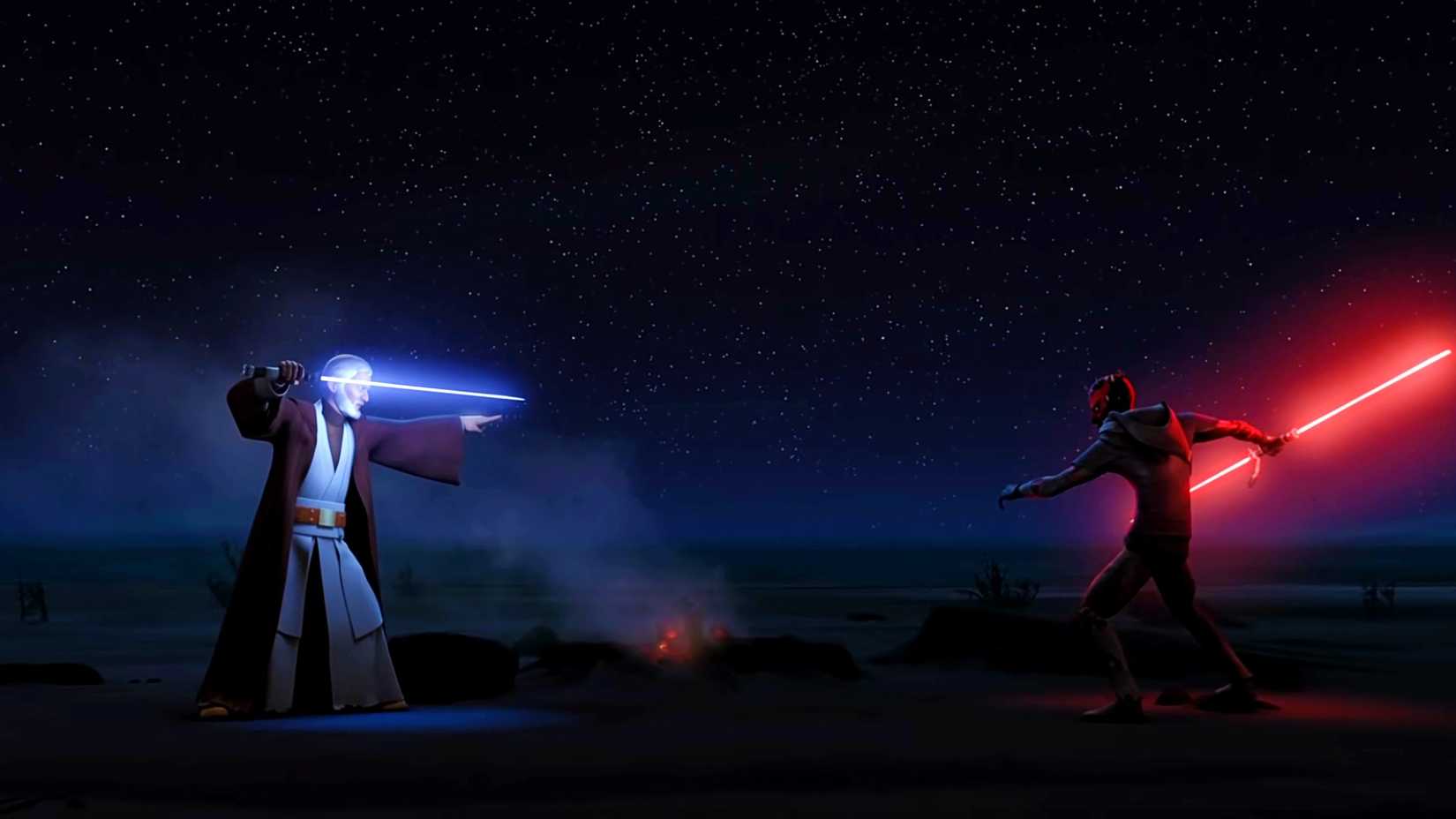
Since Boba Fett’s animated introduction in the infamous Star Wars Holiday Special, animation has been an important part of Star Wars’ brand identity. Genndy Tartakovsky’s Star Wars: Clone Wars proved that major parts of Star Wars’ storytelling could be told in animation and still find an audience. Later, with the creation of Star Wars: The Clone Wars’ distinct 3D art style, Star Wars found its animated groove during Lucas’ era.
Despite the success of The Clone Wars series, Disney wasted no time in trialing other art styles and storytelling eras for new animated projects. Star Wars Rebels was Disney’s first official TV production, running for four seasons on Disney XD. While it’s not as universally acclaimed as The Clone Wars, Star Wars Rebels has had an undeniable impact on Star Wars’ current trajectory; it influenced The Mandalorian, Ahsoka, and even Andor‘s storytelling.
Other Disney-era animation projects, like Star Wars: The Bad Batch, the Star Wars: Tales anthologies, Star Wars: Resistance, Star Wars: Visions, and the upcoming Maul – Shadow Lord, have given Disney a way to experiment with new concepts, styles, and ideas without ever downplaying animation’s importance to the franchise. The Bad Batch is one of the most interesting character studies Star Wars has ever produced. Visions, meanwhile, gave a whole new group of artists and writers a chance to explore Star Wars’ nearly limitless creative possibilities.
3
Disney Star Wars’ Live-Action TV Output Is A Major Win For The Franchise
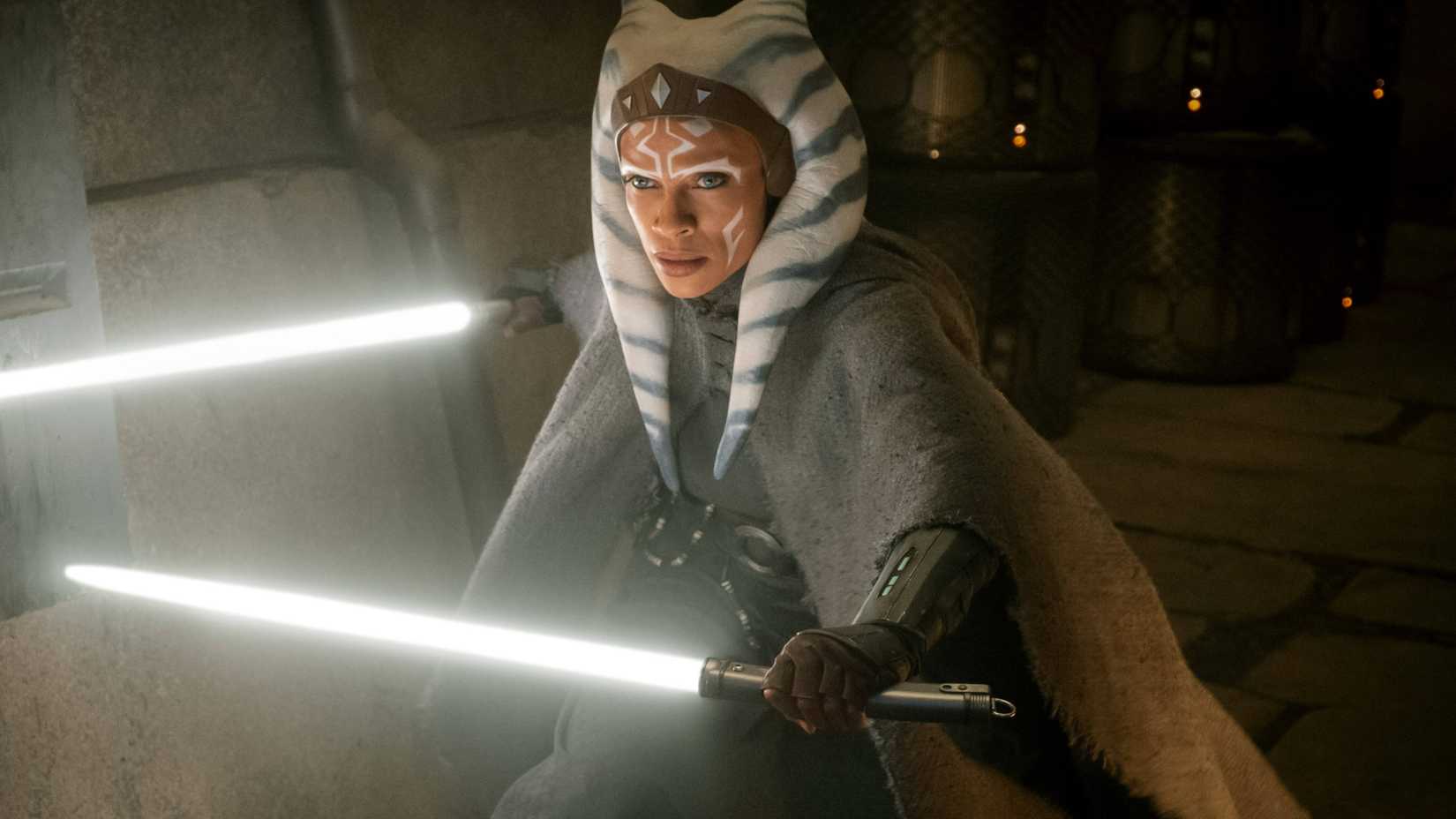
We know that Lucas was interested in producing a live-action Star Wars TV series himself. In 2025, new reports surfaced that revealed Lucas had begun developing a live-action, adult-oriented show tentatively titled Star Wars: Underworld, which would have examined the galaxy’s criminal network between Star Wars: Episode III — Revenge of the Sith and A New Hope. 60 scripts had already been written, but the show was sadly too expensive for a regular TV network to produce and never came to fruition.
With the advent of Disney+, live-action Star Wars TV has become an unmissable part of the franchise’s experience. The Mandalorian, Obi-Wan Kenobi, Ahsoka, The Book of Boba Fett, Star Wars: Skeleton Crew, The Acolyte, and, of course, Tony Gilroy’s Emmy-winning Andor have completely changed Star Wars‘ narrative possibilities.
Not every show has been equally successful; The Acolyte didn’t connect with audiences and was canceled after its first season, while The Book of Boba Fett received plenty of criticism from both critics and viewers alike. Still, the genuine live-action TV successes, like The Mandalorian, which introduced a duo so popular they’re about to make their way to the big screen, and Andor, which completely changed how the world viewed Star Wars and the kind of mature, gritty storytelling it was capable of, proved beyond a doubt that live-action TV has a place in this franchise.
These shows are perfect for exploring more of the galaxy’s smaller battles, political quarrels, and fringe societies, offering Star Wars’ most laid-back and its most fervent fans an entirely new perspective on the galaxy far, far away.
2
Star Wars Now Has The Space To Experiment With New Genres
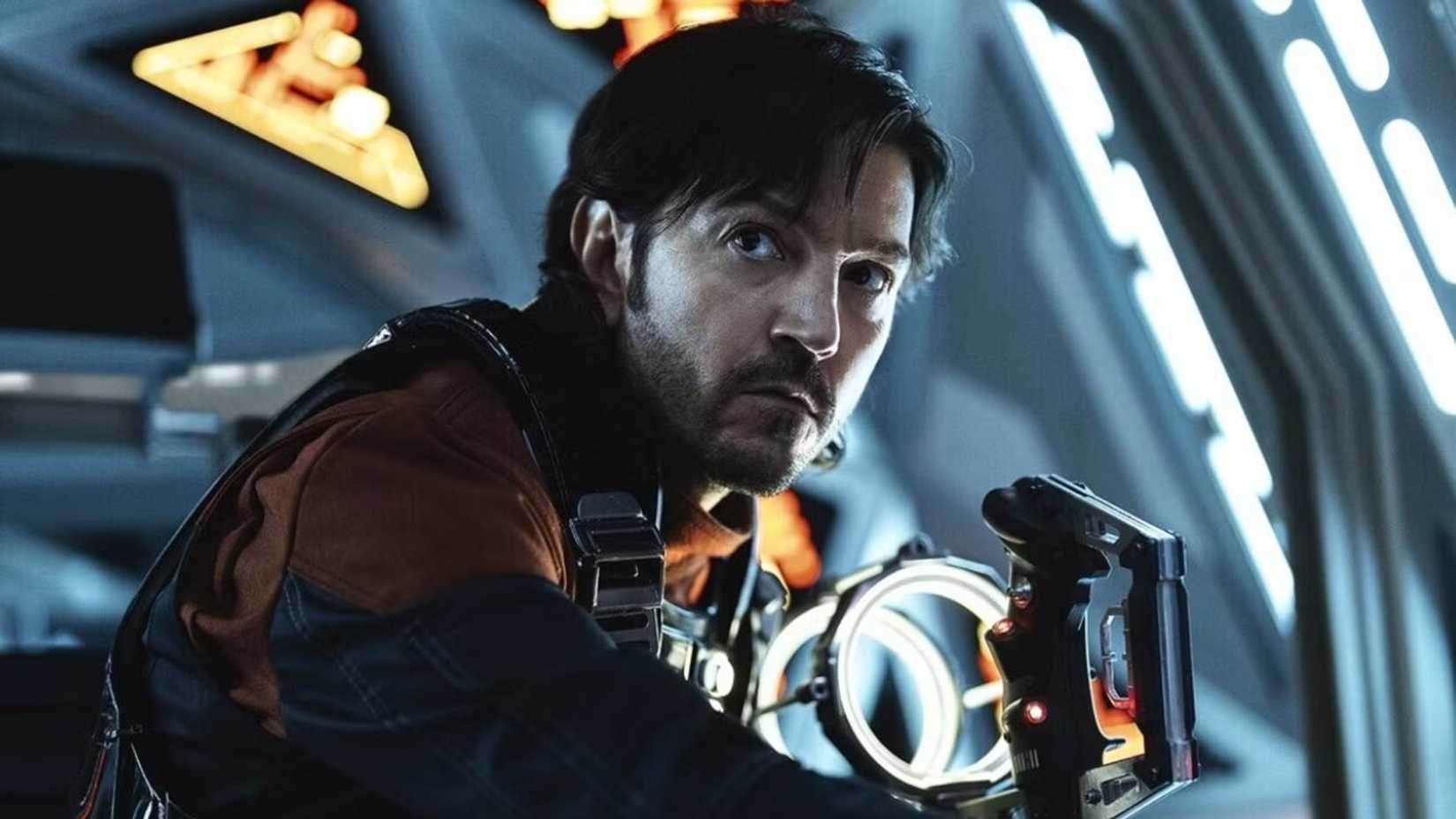
As a result of Star Wars’ live-action and animated TV success, the franchise has also had a chance to experiment with new genres. In theory, Star Wars can be anything, but the George Lucas-era stories were very much tied to the concept of the Jedi vs. the Sith, good vs. evil. While the Vietnam War inspired the original trilogy’s Rebel Alliance and Lucas incorporated more overt politics into the prequel trilogy, the movies were largely fantasy-heavy space operas, filled with knights, swords, mysticism, and romance.
Under Lucas, individual episodes of The Clone Wars could explore new genres and sub-genres. Even so, it wasn’t until Disney took over and began producing more content (within its newly established canon) that The Mandalorian season 1 could channel a vintage Western, and something like Andor could be categorized as a political thriller, even within Star Wars‘ established lore and universe. There’s no better way to keep the franchise fresh and exciting for future fans and filmmakers alike.
1
Disney’s Star Wars Isn’t Afraid To Explore The Franchise’s Vast Timeline
Credit: Disney+
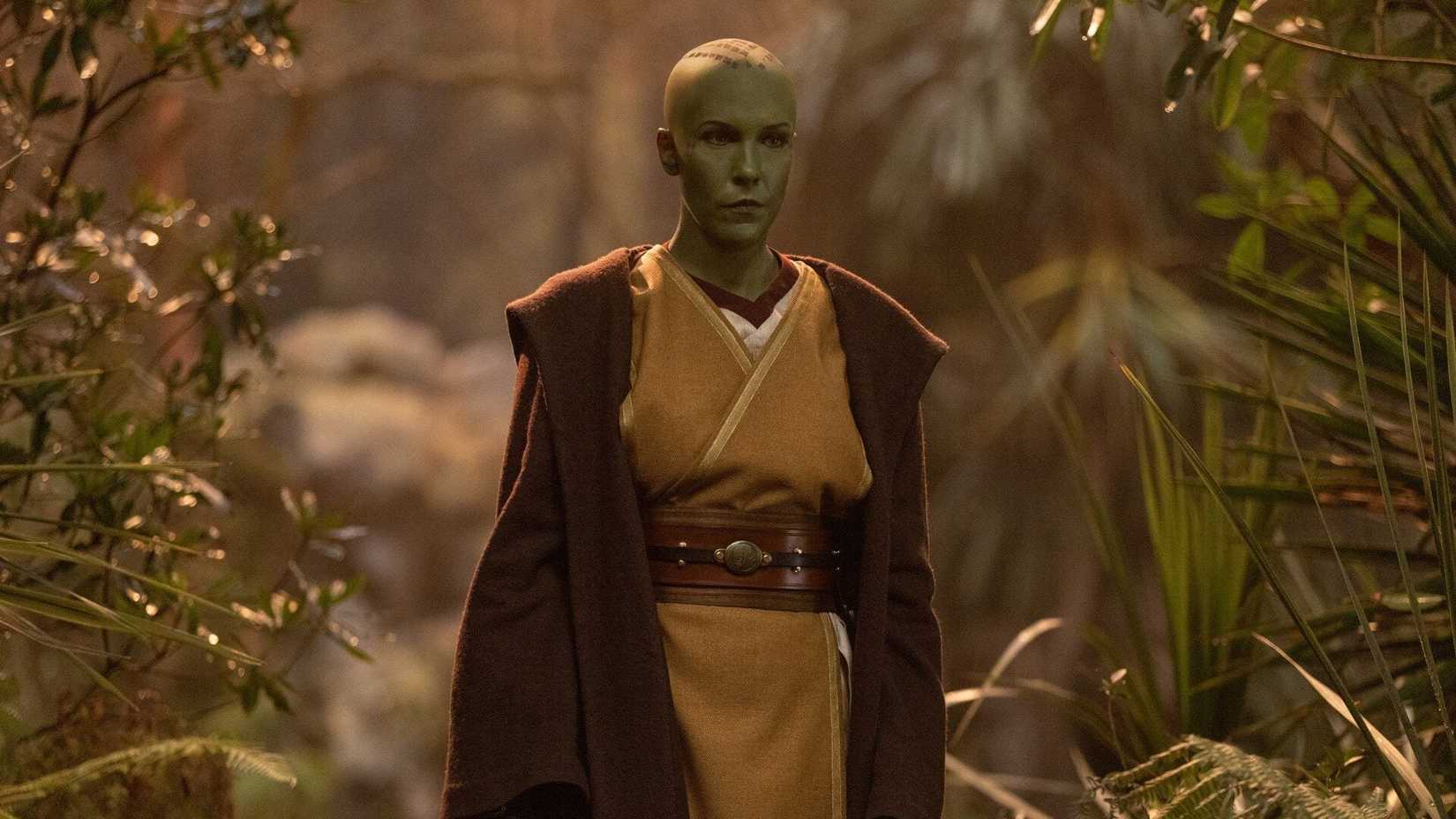
Since George Lucas’ canon projects spanned only seven movies and one show, it’s not surprising that the creator’s Star Wars era didn’t explore the entirety of the franchise’s vast timeline. Lucas was an expert at dropping hints and teasing past events to make the galaxy feel more lived-in — Luke and Leia mentioning the Clone Wars in A New Hope, for instance, years before that conflict would become a reality on screen — but everything Lucas did was set between what is now known as The Fall of the Jedi and the Age of Rebellion, a relatively small section of the Star Wars timeline.
In the last few years, however, Disney’s Star Wars has made a real effort to expand its horizons alongside numerous Skywalker saga-related projects. Its exploration of the New Republic era in the Mandoverse and the development of the High Republic era’s deep history with Star Wars: The High Republic (as well as The Acolyte, Young Jedi Adventures, and Star Wars Jedi: Survivor) have undeniably enriched Star Wars‘ storytelling while also providing space for entirely new stories and characters to take center stage.
As Lucasfilm enters a new era of leadership with Chief Creative Officer Dave Filoni and Lynwen Brennan as President and Co-President, respectively, it remains to be seen how Disney’s Star Wars will continue to grow and develop in the coming years.
Star Wars returns to cinemas with The Mandalorian and Grogu on May 22, 2026.
- Cast
-
Mark Hamill, James Earl Jones, David Prowse, Carrie Fisher, Harrison Ford, Daisy Ridley, Adam Driver, Ian McDiarmid, Ewan McGregor, Rosario Dawson, Lars Mikkelsen, Rupert Friend, Moses Ingram, Frank Oz, Pedro Pascal
- TV Show(s)
-
The Mandalorian, Andor, Obi-Wan Kenobi, The Book of Boba Fett, Ahsoka, The Acolyte, Star Wars: Skeleton Crew, Lando, Star Wars: The Clone Wars, Star Wars Rebels, Star Wars: The Bad Batch, Star Wars: Resistance, Star Wars: Young Jedi Adventures, Star Wars: Visions
- Movie(s)
-
Star Wars: Episode I – The Phantom Menace, Star Wars: Episode II – Attack of the Clones, Star Wars: Episode III – Revenge of the Sith, Star Wars: Episode IV – A New Hope, Star Wars: Episode V – The Empire Strikes Back, Star Wars: Episode VI – Return of the Jedi, Star Wars: Episode VII – The Force Awakens, Star Wars: Episode VIII – The Last Jedi, Star Wars: Episode IX- The Rise of Skywalker, Rogue One: A Star Wars Story, Solo: A Star Wars Story, Star Wars: The Clone Wars, Star Wars: Dawn of the Jedi, Star Wars: New Jedi Order
- Character(s)
-
Luke Skywalker, Han Solo, Rey Skywalker, Emperor Palpatine / Darth Sidious, Obi-Wan Kenobi, Ahsoka Tano, Grand Admiral Thrawn, Grand Inquisitor, Reva (The Third Sister), The Fifth Brother, The Seventh Sister, The Eighth Brother, Yoda, Din Djarin, Grogu, Anakin Skywalker/Darth Vader, Leia Organa, Ben Solo/Kylo Ren