

Star Trek: The Next Generation remains a beloved masterpiece, but it got off to a shaky start with a not-so-great first season, and its dodgy special effects, old-fashioned costuming, and hilariously outdated hairstyles plant it firmly in the ‘80s. Heroes collapsed under the weight of its own mythology, as it threw cliffhangers and shocking twists at the wall to see what would stick.
Science fiction tends to age faster than other types of story, because the genre is built around predicting the future. As time goes on, those predictions either come true and make the stories more relevant than ever, or they turn out to be way off. Unfortunately, despite what Back to the Future Part II promised, we still don’t have flying cars or pizzas that cook in seconds.
But that’s what makes a timeless sci-fi series like The Prisoner and Battlestar Galactica feel so special; they were surprisingly prescient. These wild, speculative, mind-bending shows have stood the test of time.
Battlestar Galactica
Battlestar Galactica originated as a so-so Star Wars knock-off in 1978, riding the same wave as Moonraker, Battle Beyond the Stars, and Star Trek: The Motion Picture. But when Ronald D. Moore revived it in 2004, he turned it into a masterpiece. Moore used the framework of humanity’s future war with its own diabolical creations as a vehicle for the quintessential work of military science fiction.
In the 2000s, the war between the humans and the Cylons proved to be a timely allegory for the then-ongoing War on Terror in the Middle East. But, two decades later, there are still needless conflicts happening around the world, so Battlestar Galactica’s sci-fi metaphor for the frivolity of warfare still feels just as hauntingly relevant now.
The Prisoner
There’s no other TV show quite like The Prisoner. It’s a gonzo, surreal cocktail of science fiction, psychological drama, and spy thriller. It revolves around a nameless British intelligence agent who, upon resigning from his job, gets kidnapped and imprisoned in a strange coastal village. It’s a springboard to explore the spy-fi subgenre through a creepy Wicker Man lens.
Although it was marketed as another typical action series, like Patrick McGoohan’s previous show Danger Man, The Prisoner turned out to be something much more bizarre. It’s a Kafkaesque work of pure surrealism, telling allegorical stories in a confounding setting. The show only lasted for 17 episodes, but it’s become one of the defining cult classics of sci-fi television.
The Prisoner is so weird and esoteric that it doesn’t show its age. That village is just as disturbing and mind-bending now, almost half a century later, and it’s been a massive influence on shows like Lost, The X-Files, and Twin Peaks. The Prisoner is the definitive mystery-box sci-fi show; it practically invented this style of television, and remains one of the greatest examples of it.
The X-Files
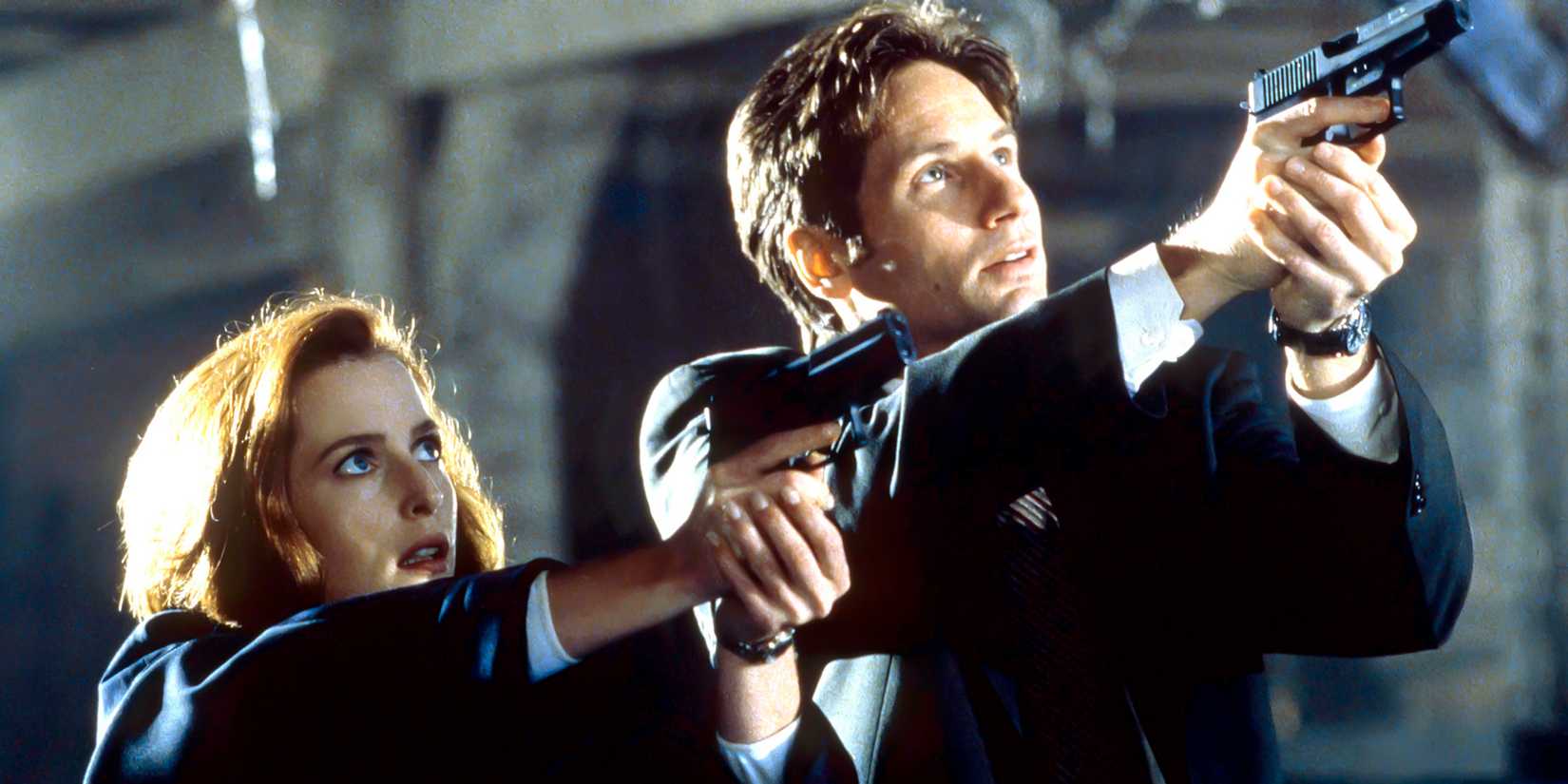
Chris Carter’s smash-hit series The X-Files took the basic structure of a case-of-the-week procedural and put a quirky sci-fi spin on it. Whereas the cops of CSI and Law & Order solve murders and robberies, The X-Files’ FBI agents investigate UFO sightings and monster attacks across America. Their underground department tackles all the paranormal cases that the bureau would rather bury than indulge.
The supernatural cases of The X-Files yielded a lot of escapist fun — especially the standalone monster-of-the-week episodes — but the emotional core of the series is Scully and Mulder’s relationship. Gillian Anderson and David Duchovny shared electric chemistry that still radiates off the screen to this day. They brought a real humanity to these far-fetched horror stories.
Firefly
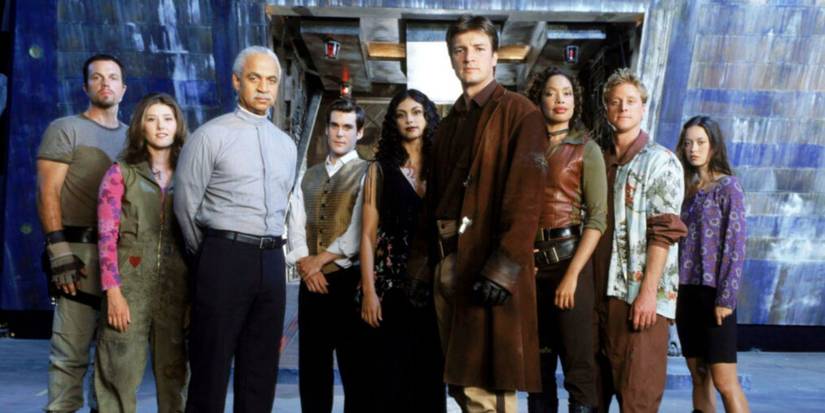
On the one hand, it’s a travesty that Firefly was canceled after just one season (especially since the network sabotaged the show by airing the episodes out of order), but on the other hand, it means the series didn’t have a chance to go downhill. With just 14 episodes to its name, Firefly is a perfect TV series without a single less-than-stellar episode.
Firefly reimagines the tropes and conventions of the western genre in a sci-fi setting. Like most westerns, it takes place in the lawless aftermath of a civil war, with armed standoffs and train robberies. The difference is that the war happened in outer space, and the wagon train is a spaceship helmed by a roguish, Han Solo-esque captain. All these years later, Firefly remains the quintessential space western.
Futurama
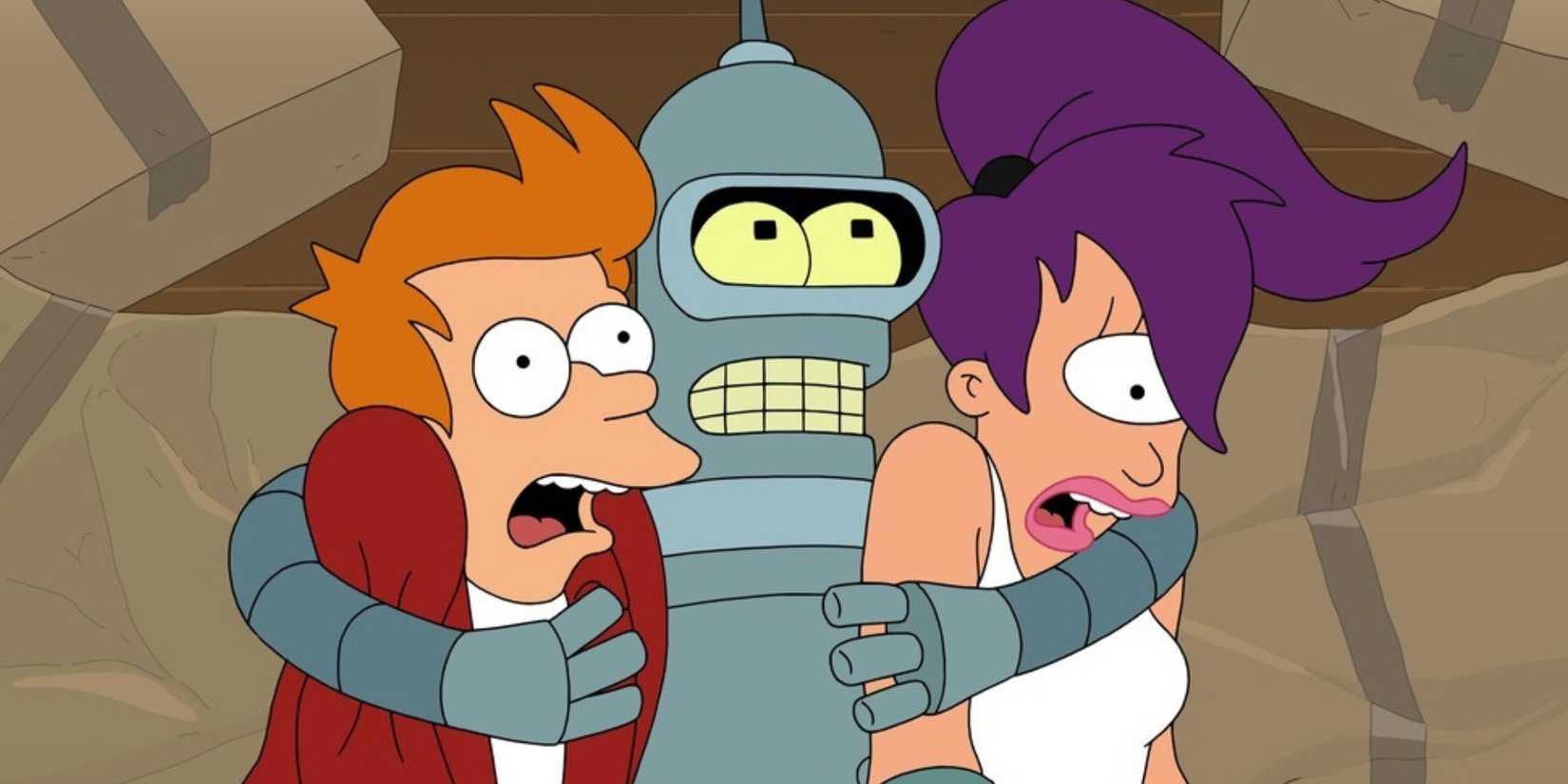
There was a lot riding on Matt Groening’s follow-up to The Simpsons, but against all odds, Futurama managed to live up to the expectations set by Groening’s formidable legacy. Futurama is a very different show than The Simpsons — it’s a workplace comedy, not a family sitcom, and it’s set in the distant future, not the present — but it recaptures its signature blend of highbrow and lowbrow humor.
Futurama is a rare sci-fi comedy that satisfies as both sci-fi and comedy. Everyone in its colorful ensemble is hilarious in their own way, and each episode is jam-packed with witty one-liners and inventive sight gags. But the show’s exploration of sci-fi concepts, like parallel universes, liquid-based organisms, and the notion that time runs on an infinite loop, are genuinely thought-provoking.
Star Trek
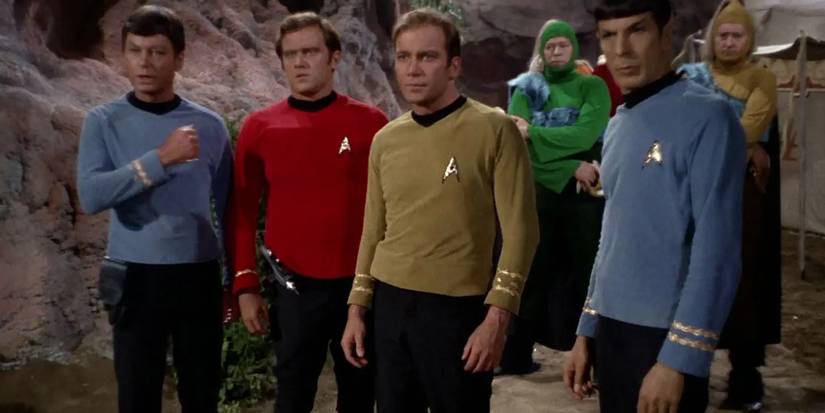
At a time when society was rife with prejudice, otherization, and political polarization, Gene Roddenberry imagined a utopian future in which the human race had come together to explore the cosmos as a single, unified people. I can’t overstate how radical it was for Roddenberry to depict a Russian officer on an American space crew at the height of the Space Race.
Across its three seasons, Star Trek delivered some of the greatest episodes of television ever produced. The metaphorical sci-fi storytelling of episodes like “Mirror, Mirror” and “The Trouble with Tribbles” is just as poignant and powerful today, and arguably the greatest Star Trek episode of all — “The City on the Edge of Forever” — still packs an emotional punch.
Star Trek’s diverse cast was unprecedented in the 1960s, with a Black woman and an Asian American filling prominent positions on the crew of the U.S.S. Enterprise. Roddenberry used the Enterprise’s interstellar adventures to other planets to explore pressing social issues on Earth in the present, and that commentary still holds up today, because its heart is in the right place.
The Twilight Zone
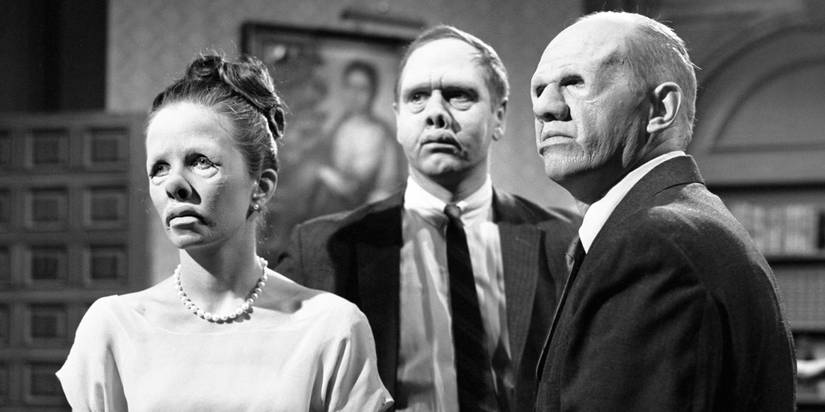
Much like Roddenberry, Rod Serling used the science fiction genre to smuggle timely social commentary onto 1960s television. The censors and advertisers wouldn’t let Serling write a straightforward TV drama about racism or the Red Scare, but if he allegorized it through stories about alien impostors and the apocalypse, then the network would be none the wiser.
These allegories not only allowed Serling to explore subject matter that was considered taboo; it also made the stories feel timeless and universal. McCarthyism might not be relevant anymore, but the political divisions sure are, and that’s why “The Monsters Are Due on Maple Street” is still just as chilling today.