

Great TV shows thrive because of great characters, which is why they invest time in building them. But there have been multiple instances when a character contradicts who they’ve been developed to be. This comes in many forms: it could be a bad decision, an attempt to shock viewers, etc. But no matter the reason, it always leaves TV audiences feeling betrayed.
Arthur “The Fonz” Fonzarelli (Happy Days)
Season 5, Episode 3, “Hollywood: Part 3”
Happy Days season 5, episode 3, “Hollywood: Part 3” marked a turning point for the show, and not necessarily in a good way. In the series, The Fonz is depicted as an effortlessly cool character and loyal friend. Unfortunately, that all changed in the episode, which ruined how audiences perceived the show’s biggest fan-favorite character.
In the episode, Fonzie is portrayed jumping over a tiger shark on water skis, thus coining the legendary term, “jumping the shark.” This particular scene was meant to showcase Henry Winkler’s water-skiing skills. But instead of making the character look cool, it felt like he became a caricature of himself. While Happy Days was going downhill even before that moment, it was then that it became most apparent.
Principal Skinner (The Simpsons)
Season 9, Episode 2, “The Principal And The Pauper”
The Simpsons is famous for many things, but its characters are truly what set it apart from other adult animated shows. Principal Skinner, a strict disciplinarian with a militaristic attitude, was a cornerstone of The Simpsons for many years, and he could often be counted upon to be the only person who cared about Springfield Elementary.
In a stunning turn of events, Principal Skinner was outed as an impostor whose real name was Armin Tamzarian. For years, the principal was seen as a strict, rule-enforcing, slightly awkward authority figure, but then that was all destroyed in a single episode. The foundation that had been carefully constructed was gone, and for no apparent reason except shock value.
To make matters worse, the revelation of Skinner’s real identity had no impact whatsoever on the show after this major twist. It was back to business as usual. Even to this day, “The Principal and the Pauper” remains one of The Simpsons’ most divisive episodes, particularly because there was no rhyme or reason for this twist.
Miranda Hobbes (And Just Like That)
Season 1, Episode 5, “Tragically Hip”
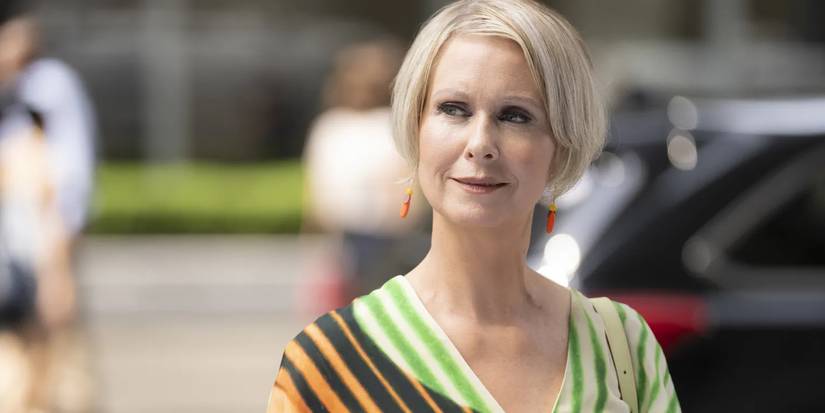
Sex & the City’s biggest strength is its tight-knit group of friends who are navigating life’s ups and downs together. Fortunately, And Just Like That didn’t ruin that, but it did alter a beloved member of the core four. While Miranda hadn’t always been the most selfless character, the events of “Tragically Hip” irreparably changed her personality.
In the episode, Miranda, who is going through a sexual awakening, leaves to have sex and abandons the bedridden Carrie, who had just undergone hip surgery and needed her friend’s help to get around. While I’m all for Miranda getting to enjoy her life, leaving her dependent friend was too selfish, even for her. Because of that, Miranda will always be seen as the character who decided her sexual whims were more important than helping out a friend in need.
Emily Sweeney (The Big Bang Theory)
Season 10, Episode 14, “The Emotion Detection Automation”
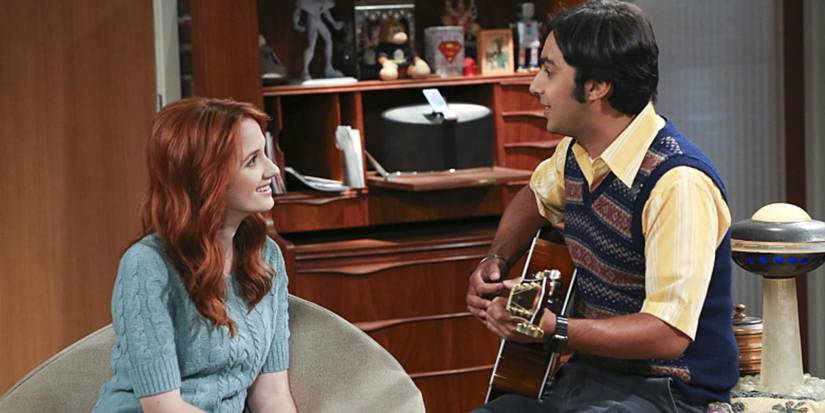
The Big Bang Theory always had excellent guest stars. The seventh season of the long-running series introduced Emily Sweeney, not to be confused with Raj’s other girlfriend with the same name, a character who would become central to the show and one of Raj’s most significant relationships. Emily Sweeney’s dark humor and edginess were refreshing, but this gag wasn’t going to last forever.
For most of their relationship, the differences between Raj and Emily were what divided them, but they still tried to make it work. But after they broke up, Emily’s manipulative side was clear for all to see — except Raj, that is. When the two ended their relationship, Raj was determined to pursue Claire, but Emily manipulated him into sleeping with her by preying on his desperation to have a fulfilling romance.
Emily hadn’t always been nice in the series, and she despised not getting her way. But manipulating Raj into doing something he had no desire to take part in was the breaking point for her character.
Spike (Buffy the Vampire Slayer)
Season 16, Episode 19, “Seeing Red”
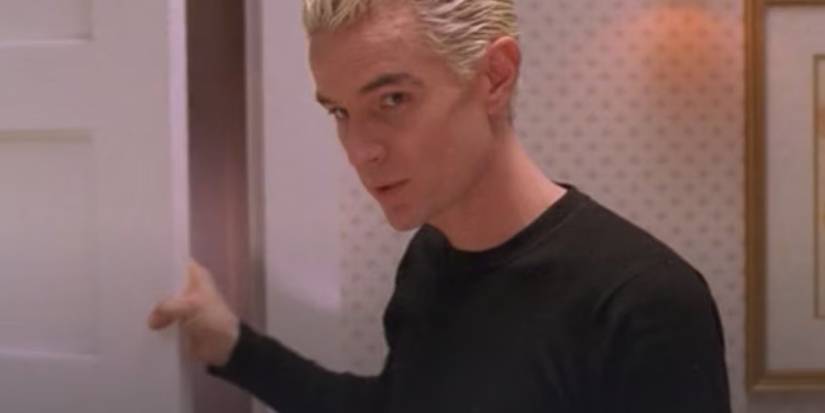
The biggest fan-favorite vampire in Buffy the Vampire Slayer, Spike’s evolution was one of the most well-executed storylines in the fantasy series. He went from a villain to an antihero, eventually becoming Buffy’s love interest. Given how far he has come from the show’s early seasons, it was surprising that his character arc was changed so suddenly.
After all the terrible things Spike had done in his long life, the most damaging point was in the episode “Seeing Red.” In the installment, he tries to sexually assault Buffy after she rebuffs his advances. Fans of the show were understandably furious. Spike wasn’t a good guy, but they had spent several seasons turning him around. Even when he tried to do better, Spike couldn’t outlive this horrific moment.
Toby Ziegler (The West Wing)
Season 7, Episode 5, “Here Today”
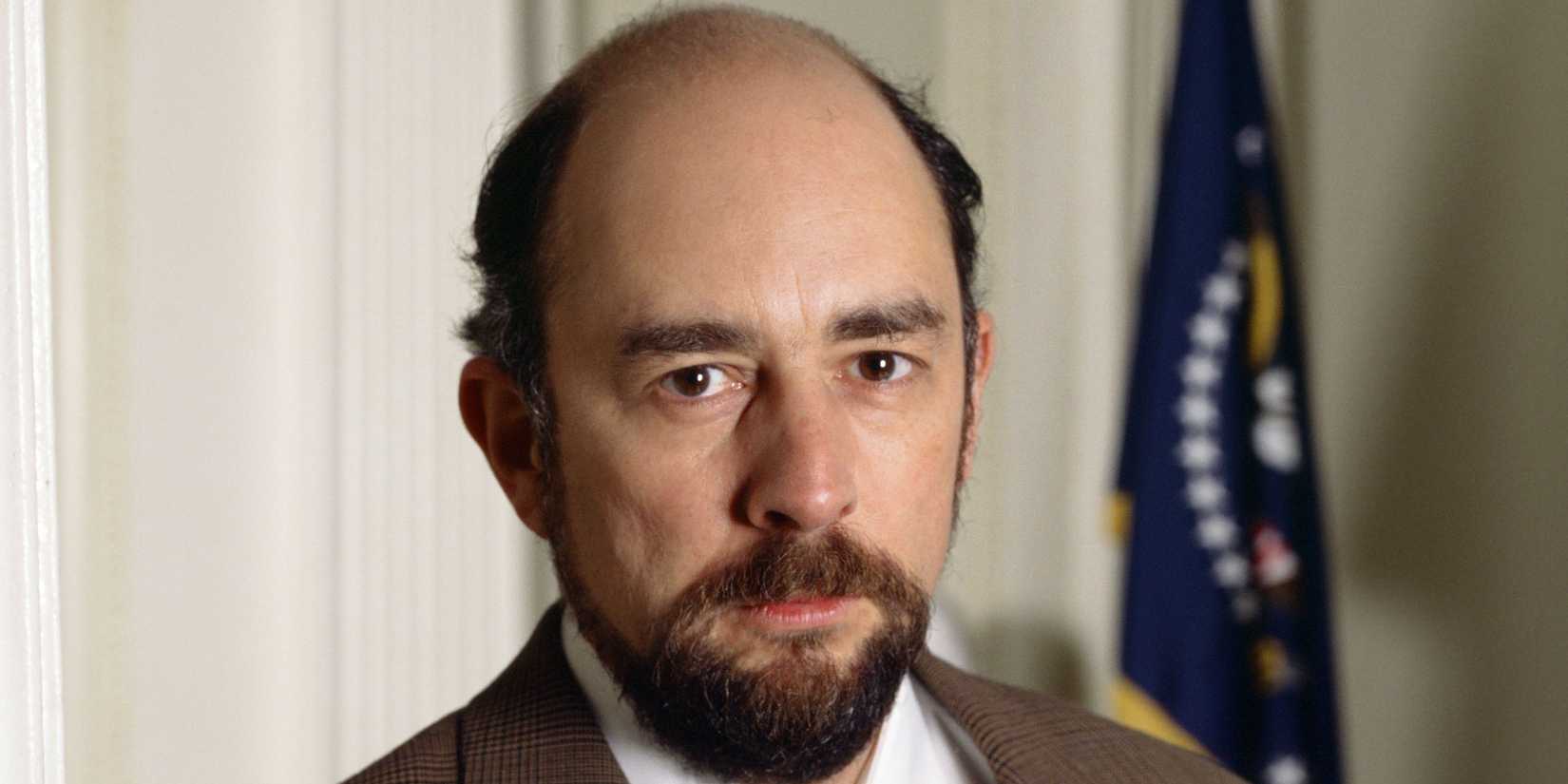
The West Wing’s Toby Ziegler was one of the most beloved characters in the series. Ziegler, a loyal, intelligent, and idealistic Communications Director, went from the best version of himself to the worst in what seemed like a split second. In the episode “Here Today,” Ziegler leaks confidential information about a secret military space shuttle.
Instead of the loyal character who loved his country, the series transformed him into a traitor. Even if the reasons for the leak justified his actions, the turn Toby’s arc took was a waste of a great character.
Debra Morgan (Dexter)
Episode: “This Is The Way The World Ends”

Dexter has always been a series that wasn’t afraid to push boundaries and capitalize on its uncomfortable premise. But Deb’s change in the show was too out there, even by Dexter’s standards. In the series, Debra falls in love with Dexter. Even though the two weren’t related by blood, they were still siblings.
Their relationship went against everything Debra was. She had already been shaken by Dexter’s serial killing ways, but making her fall in love with him undermined who she was as a person. This particular character arc completely pulled her away from her core identity, for seemingly nothing more than cheap shock value.
Daenerys Targaryen (Game Of Thrones)
Episode: “The Bells”

The final season of Game of Thrones was bad for many reasons: it was rushed, it didn’t have a proper payoff, and some character arcs were inadequate. While these are all true, the biggest sin that Game of Thrones committed is how Daenerys Targaryen’s story completely changed. For years, the mother of dragons was portrayed as the savior of Westeros, until the final episode.
During the Battle of King’s Landing, the Breaker of Chains, well, broke, and burnt down the whole city and its inhabitants. This insulted who Daenerys was depicted as for several seasons. Granted, if her psychological unraveling had happened gradually, then maybe it would have been understandable. But she went from hero to villain in the blink of an eye.
To add insult to injury, she was unceremoniously killed off. There are, of course, arguments that she’d always had a cruel streak and so her ending was foretold, but that doesn’t necessarily excuse the fact that the series ultimately undermined her identity and core values.