

The Pulitzer Prize for Fiction was first awarded in 1917. In the 100+ years since, it has become the gold standard for literary fiction. Authors that win the Pulitzer etch themselves into the canon of Western literature forever.
Let’s explore some timeless classics that have been awarded the Pulitzer, and explain why you should read them.
“The Overstory”
2018 Novel By Richard Powers; Won The 2019 Pulitzer
If there’s one defining trait shared by all Pulitzer Prize winners, it is ambition. The Overstory, Richard Powers’ 12th novel, is an opus with a generation-spanning story, powered by big ideas and pressing concerns. It follows the intertwined lives and fates of nine principal characters, the kind of daring feat modern writers are often discouraged from attempting.
The Overstory tugs at the heartstrings as much as it stimulates readers intellectually. Powers’ novel gets dark, but it is also full of light; the calibration between the two is one of many aspects of the novel make The Overstory a remarkable read. It’s a big novel, but not the intimidating kind. Instead, The Overstory’s length and depth are inviting.
“The Sympathizer”
2015 Debut Novel By Viet Thanh Nguyen; Won The 2016 Pulitzer
The Sympathizer is author Viet Thanh Nguyen’s debut novel. This puts the book on the very short list of first novels to win the Pulitzer. It is a well-earned distinction. The Sympathizer is the gripping story of a communist mole in the South Vietnamese army, and then later as an expatriot living in the U.S.
Even after the war, he narrator maintains the subterfuge about his real identity and ideology. The Sympathizer is a definitive modern addition to the literature of the Vietnam conflict. It reckons with the legacy of the war in a deeply personal way. The book was adapted into a solid HBO miniseries in 2024, but there’s no replicating the power of the novel’s first-person POV.
“A Visit From the Goon Squad”
2010 Novel By Jennifer Egan; Won The 2011 Pulitzer
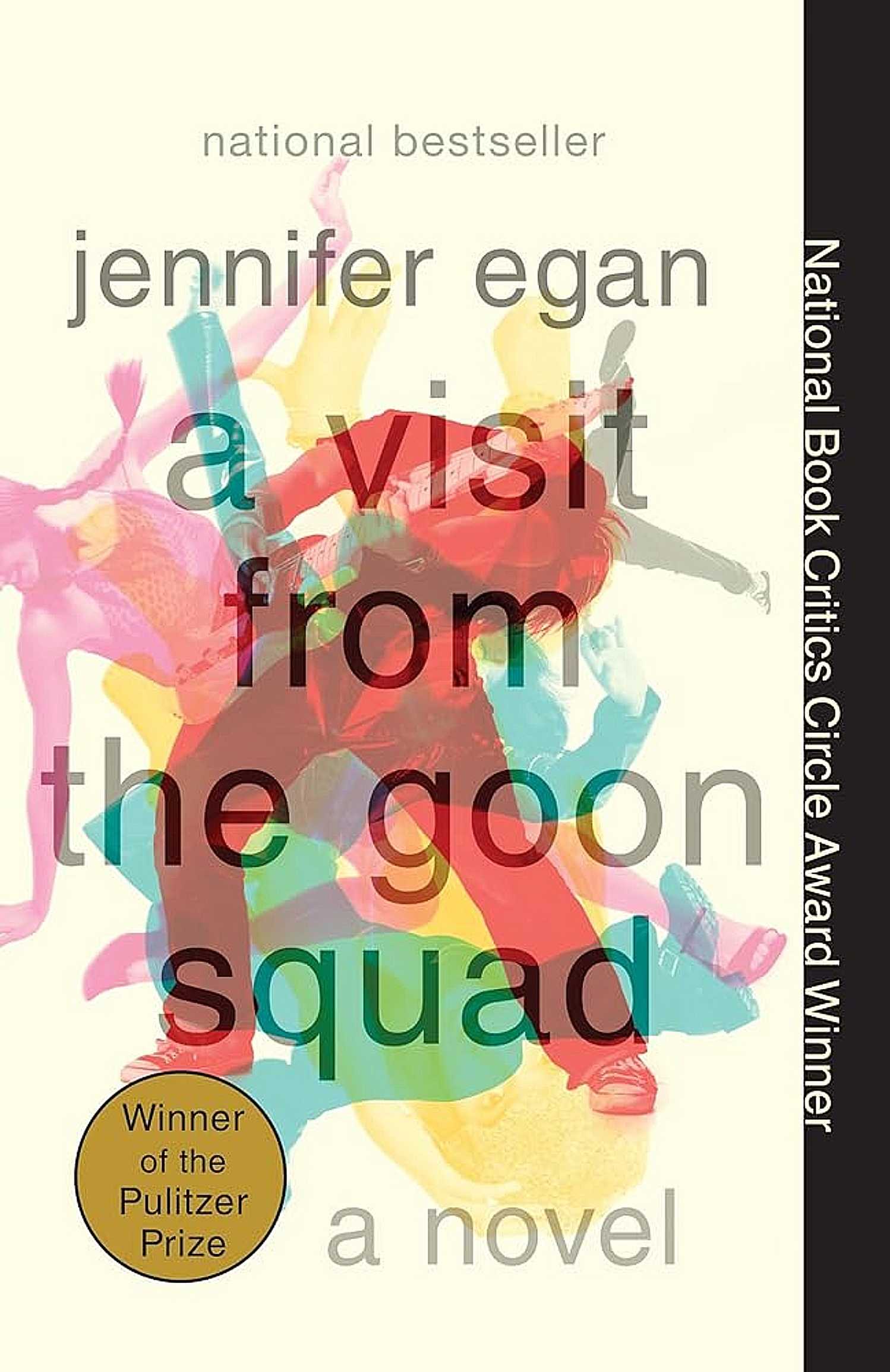
Jennifer Egan’s fourth novel, A Visit From the Goon Squad, pushes the boundary of what “novel” really means. It’s also fair to call Goon Squad a collection of interlinked short stories, a form Egan didn’t invent, but which she certainly helped to popularize in the years after her book won the Pulitzer.
Whatever you call it, Goon Squad is one of modern fiction’s major must-reads. Its structure is intentionally reminiscent of an album. All of its characters are, in some way another, obsessed with or defined by music. Some of Goon Squad’s “tracks” are conventional, some are experimental, but all of them hit readers deeply in the gut.
In 2022, Jennifer Egan published The Candy House, a sequel to A Visit From the Goon Squad. It has the same linked-story structure, and features some returning characters from the first book. A24 is reportedly currently in development on a TV series based on both novels.
A Visit From the Goon Squad doesn’t want to manipulate its readers’ emotions; it wants to share its characters’ emotions with the reader. Like a great song. Jennifer Egan’s success with the book is a triumph. Today, the book has plenty of imitators, but few equals have appeared on shelves since.
“The Brief Wondrous Life Of Oscar Wao”
2007 Novel By Junot Diaz; Won The 2008 Pulitzer
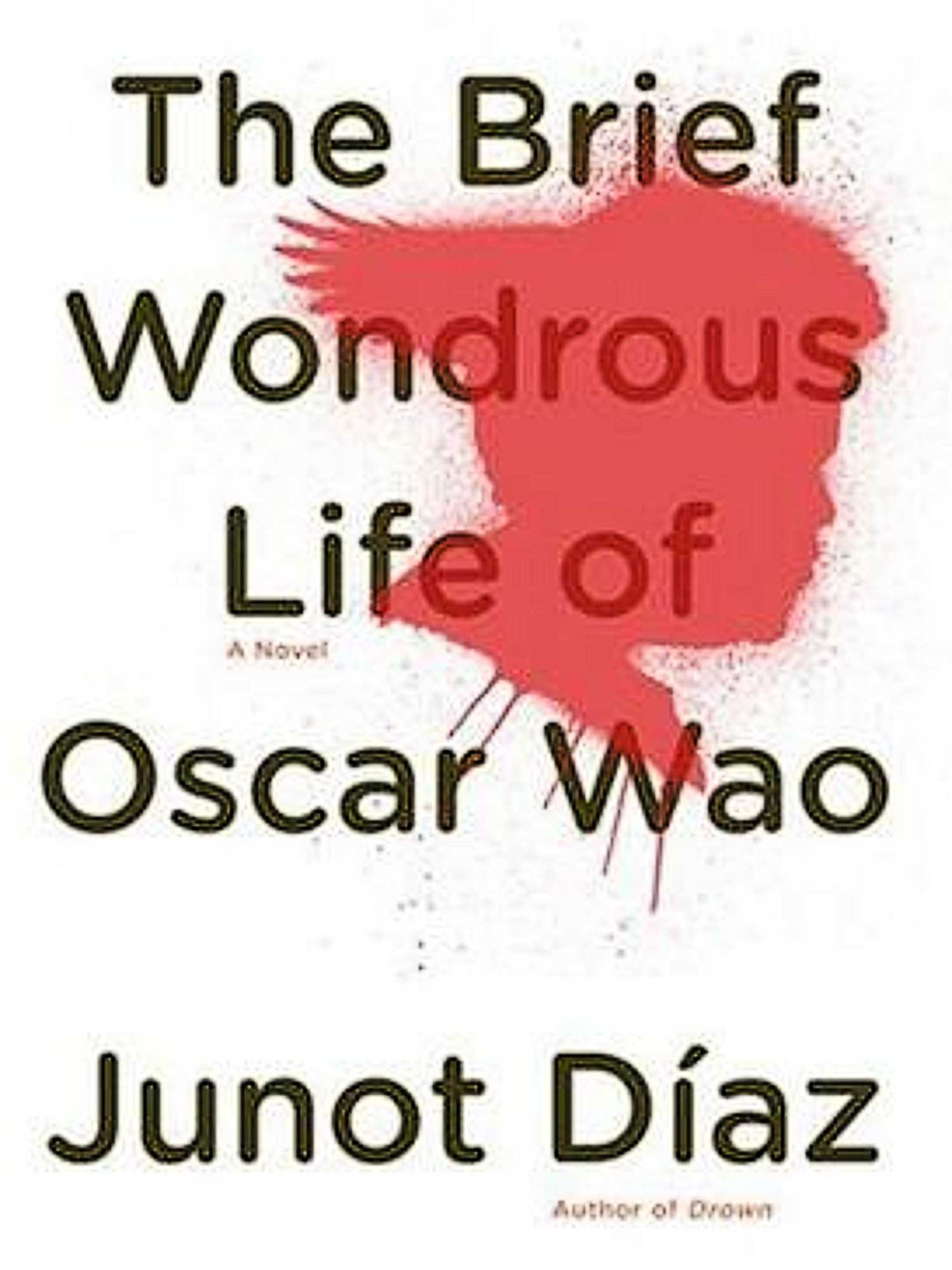
The Brief Wondrous Life of Oscar Wao is Junot Díaz’s first, and so far, only novel. Díaz previously published a short story collection, Drown, a decade earlier; a second collection, This Is How You Lose Her, was the author’s follow-up to Oscar Wao in 2012. All three books share the same narrator, Yunior, a literary stand-in for Díaz.
And Yunior’s voice, and by extension, the author’s, was a breath of fresh air in literary fiction at the time of Oscar Wao’s release. In the book, Yunor relates the tragic tale of its title character, a cursed Dominican-American nerd who should have been an award-winning sci-fi himself. Instead, he dies young, leaving behind a “brief, wondrous” legacy.
The Brief Wondrous Life of Oscar Wao is a book that treads the line between high-concept and low culture. Díaz liberally uses footnotes to loop readers into his extensive pop culture references, creating a dynamic reading experience. This is a book you have to get a physical copy of, y’all, and it’s going to look great on your shelf when you finish reading it.
“The Amazing Adventures Of Kavalier & Clay”
2000 Novel By Michael Chabon; Won The 2001 Pulitzer
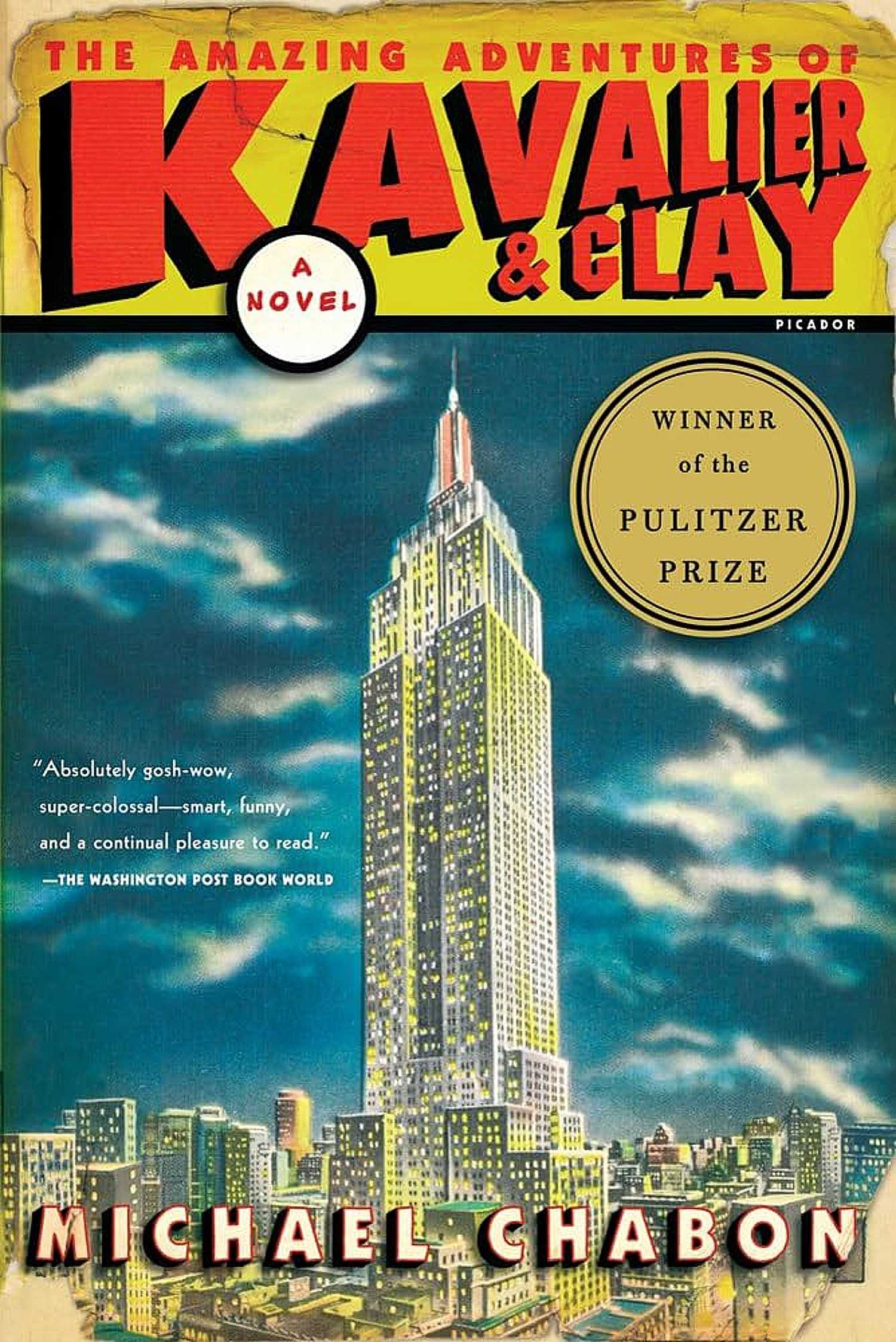
The Amazing Adventures of Kavalier & Clay is Michael Chabon’s third full-length novel. The mesmerizing book is a fictional retelling of American pop culture history, particularly comic books. It puts its fictional protagonists at the heart of the Golden Age of comics and follows them from there through the ups and downs of their formative careers in the entertainment industry.
Kavalier & Clay has that trademark Pulitzer ambition, and then some. It’s also a thoroughly fun book, in a way most people don’t associate with literary fiction. (That’s not to say that’s an accurate perception of literary fiction, but unfortunately, that’s the perception.) In the novel, Chabon takes you on a ride, and once it’s over, you’ll want to go again.
“Beloved”
1987 Novel By Toni Morrison; Won The 1988 Pulitzer
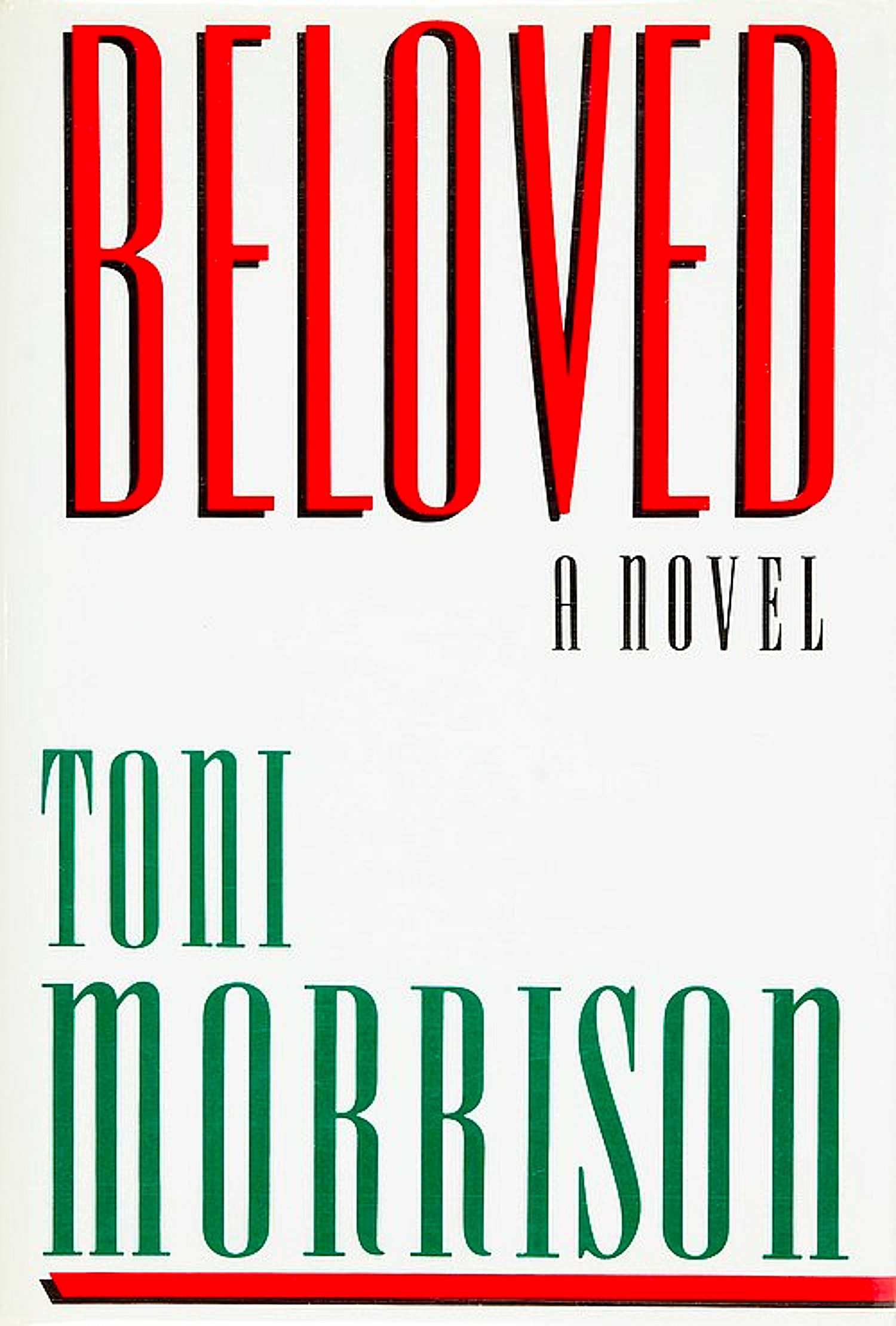
Ask a literature nerd who the GOAT is, and there’s a good chance the answer will be Toni Morrison. As a novelist, Morrison was no less than a creative juggernaut, plain and simple. Beloved is her fifth novel; it is the story of a formerly enslaved family dealing with the literal and figurative hauntings of their history.
Beloved will keep you hooked on every single word, because Morrison’s prose is spellbinding. Beloved is a challenging book, in the best possible sense. It will hurt, confuse, and upset you. But you’ll be better off for it in the end. If there’s one Pulitzer-winner you have to check out, it’s Toni Morrison, and you should start with Beloved.
“A Confederacy of Dunces”
1980 Novel By John Kennedy O’Toole; Won The 1981 Pulitzer
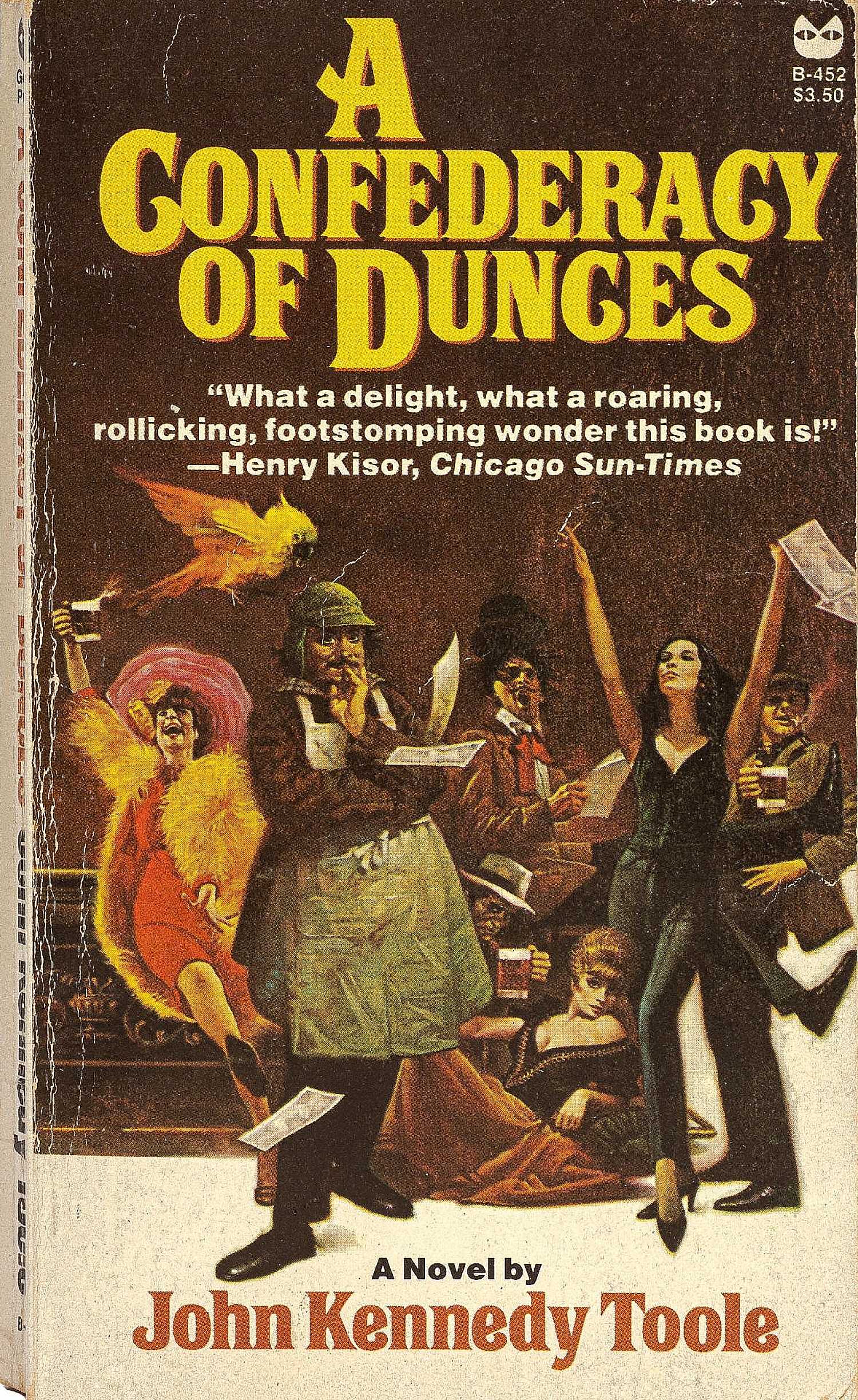
A Confederacy of Dunces is a singular work of fiction on the page, but what is even more remarkable is the behind-the-scenes story of the novel’s publication. Author John Kennedy O’Toole sadly took his own life in 1969, at just 31 years old. The manuscript for Confederacy, completed back in 1964, languished among his belongings for several years before his mother discovered it.
After that, it took almost a decade to get the book published. When it finally came out, it was hailed as a masterpiece and awarded the Pulitzer Prize. It is a seriously comedic and deeply lighthearted novel, reflecting the author’s philosophical fascinations and idiosyncratic worldview. There are similar books, but nothing quite like A Confederacy of Dunces.
10 Beloved Books That Could Use Modern-Day Adaptations
From The Great Gatsby to 1984, these timeless books could benefit from fresh adaptations set in the modern world, offering new perspectives.
Over the past 45 years, multiple film adaptations have been attempted, but never gotten off the ground. The spirit of A Confederacy of Dunces is difficult to recreate outside the original text. It is such a window into a specific place, and time, and person’s mind, that it stands as one of the defining, if underrated literary works of the 20th century.
“To Kill A Mockingbird”
1960 Novel By Harper Lee; Won The 1961 Pulitzer
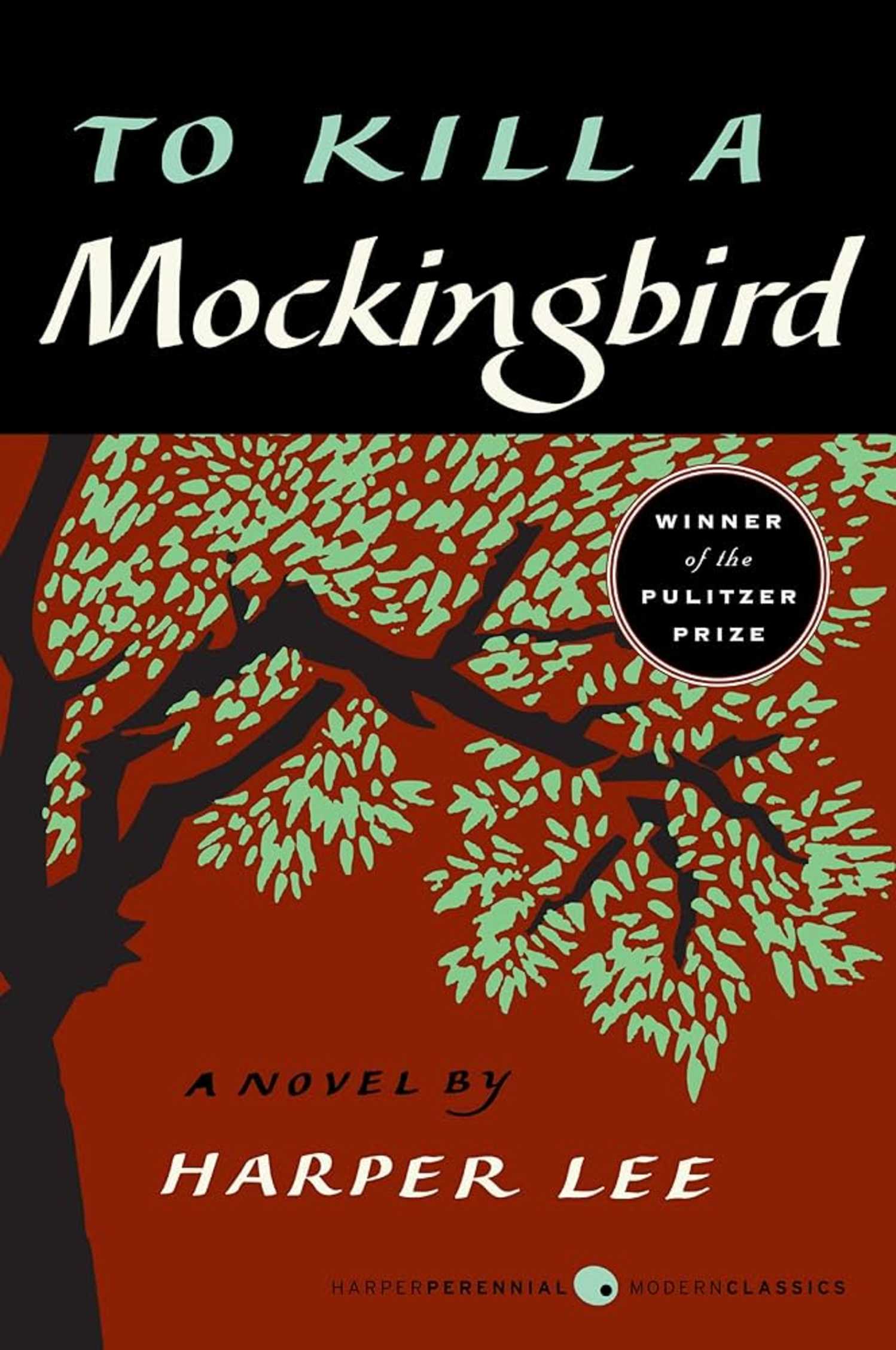
What is there to say about To Kill A Mockingbird that hasn’t been said? Mockingbird is one of those books most of us read too soon, too young. It can be extremely formative if we’re in the right mindset, but how often are we in the right mindset at sixteen years old?
Harper Lee’s first and only novel, at least during our lifetime, deserves a second chance now that you’re a mature reader. Mockingbird is a glimpse of a very different kind of America, making it an essential artifact of our past. At the same time, it is a timeless story of prejudice, and justice, and how we develop ideas of both at a formative age.
Lee’s novel is among the most famous of the 20th century, and rightfully so. The book was an unexpected hit, but it is a testament to the fact that great literature can come out of nowhere. To Kill a Mockingbird is an effectively perfect novel, and to this day it holds up as an essential read for anyone interested in literary fiction.
What do you think, readers? What other Pulitzer Prize winning novels would you like to see Screen Rant cover?