

Fox’s X-Men movies comprise the original trilogy, the Wolverine trilogy, the sequel quadrology, The New Mutants, and the Deadpool movies. Some remain beloved, while others struggled critically or commercially. Regardless, revisiting the entire saga highlights something important. With the MCU’s X-Men finally on the horizon for the Marvel Cinematic Universe, Marvel Studios has the opportunity to learn from Fox.
The MCU’s X-Men Should Explore Mutant Politics And Social Issues
One of the defining aspects of the X-Men in Marvel Comics is how mutants act as a metaphor for discrimination. The earliest Fox films understood this remarkably well. X2 in particular captured the tension between mutants and humanity by framing the conflict through government fear, public panic, and the question of whether mutants should have to hide who they are.
X2 even cleverly echoed real-world LGBTQ+ experiences through its famous “Have you tried not being a mutant?” conversation. This made the metaphor feel modern and emotionally resonant. That grounded approach helped the story feel meaningful beyond just superhero action.
Unfortunately, later installments in the franchise often sidelined these themes in favor of spectacle and convoluted timelines. The MCU should restore that focus. Centering those tensions – public fear, political pressure, and competing mutant ideologies – the MCU can make its X-Men stories feel timely, thoughtful, and far more powerful.
The MCU Must Not Rush Into A Phoenix Adaptation
Few comic book storylines are as iconic as the “Dark Phoenix Saga,” but Fox’s X-Men franchise proved just how difficult it is to adapt properly. The studio attempted the storyline twice with X‑Men: The Last Stand and later Dark Phoenix, yet both versions ultimately fell short for different reasons. The core problem was timing.
The tragedy of Jean Grey becoming the Phoenix only works when audiences have spent significant time with her and the rest of the team. In the comics, readers had years of emotional investment before the storyline unfolded, which made the consequences heartbreaking. While The Last Stand at least had several films of buildup, it rushed through the story’s biggest moments.
The Last Stand also buried it among the cure storyline. Dark Phoenix had the opposite problem, attempting the arc almost immediately after introducing a new version of the character. The Marvel Cinematic Universe should take the opposite approach. Instead of forcing the storyline early, Marvel should let Jean grow across multiple films. Only then will a Phoenix adaptation work.
The MCU’s X-Men Needs Focus On A Team Dynamic
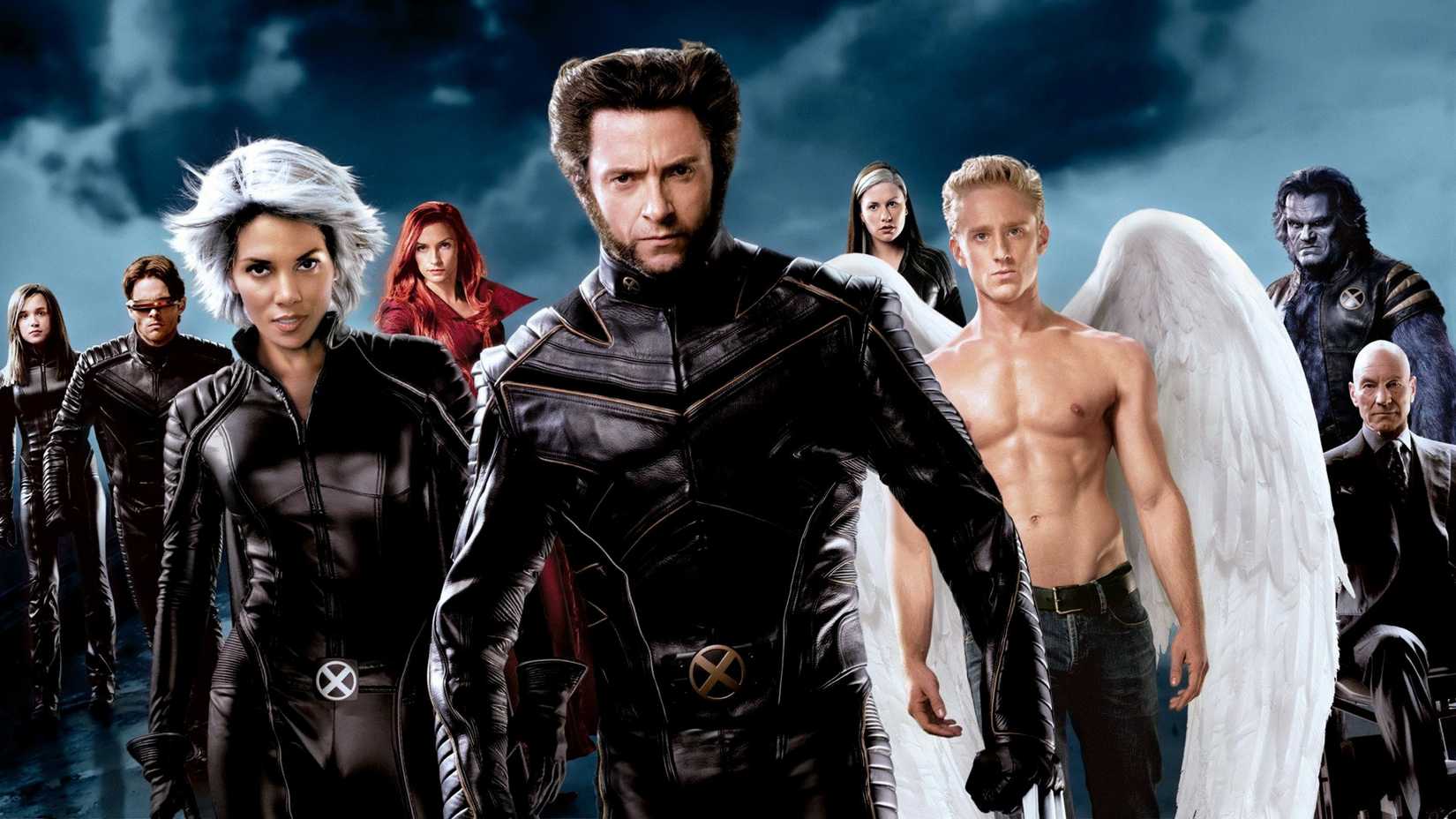
At their best, the X-Men function as a true ensemble. Each mutant brings a different personality, power set, and perspective, creating a dynamic that feels closer to a family than a typical superhero squad. The early Fox films leaned into this idea, but over time the franchise drifted away from it.
Gradually, many entries became dominated by Wolverine, often at the expense of the rest of the team. Even the critically acclaimed X‑Men: Days of Future Past largely centered on Wolverine’s journey rather than the collective group, or the characters from the eponymous comic. While Wolverine is undeniably compelling, the X-Men are at their strongest when every member has a role.
Characters like Cyclops, Storm, Rogue, Nightcrawler, and Kitty Pryde should all feel essential to the story rather than supporting figures orbiting one protagonist. The MCU has already proven it can handle large ensembles with teams like the Avengers. Applying that same balance to the X-Men would help highlight what makes the group unique.
Wolverine Isn’t The Only Popular Character
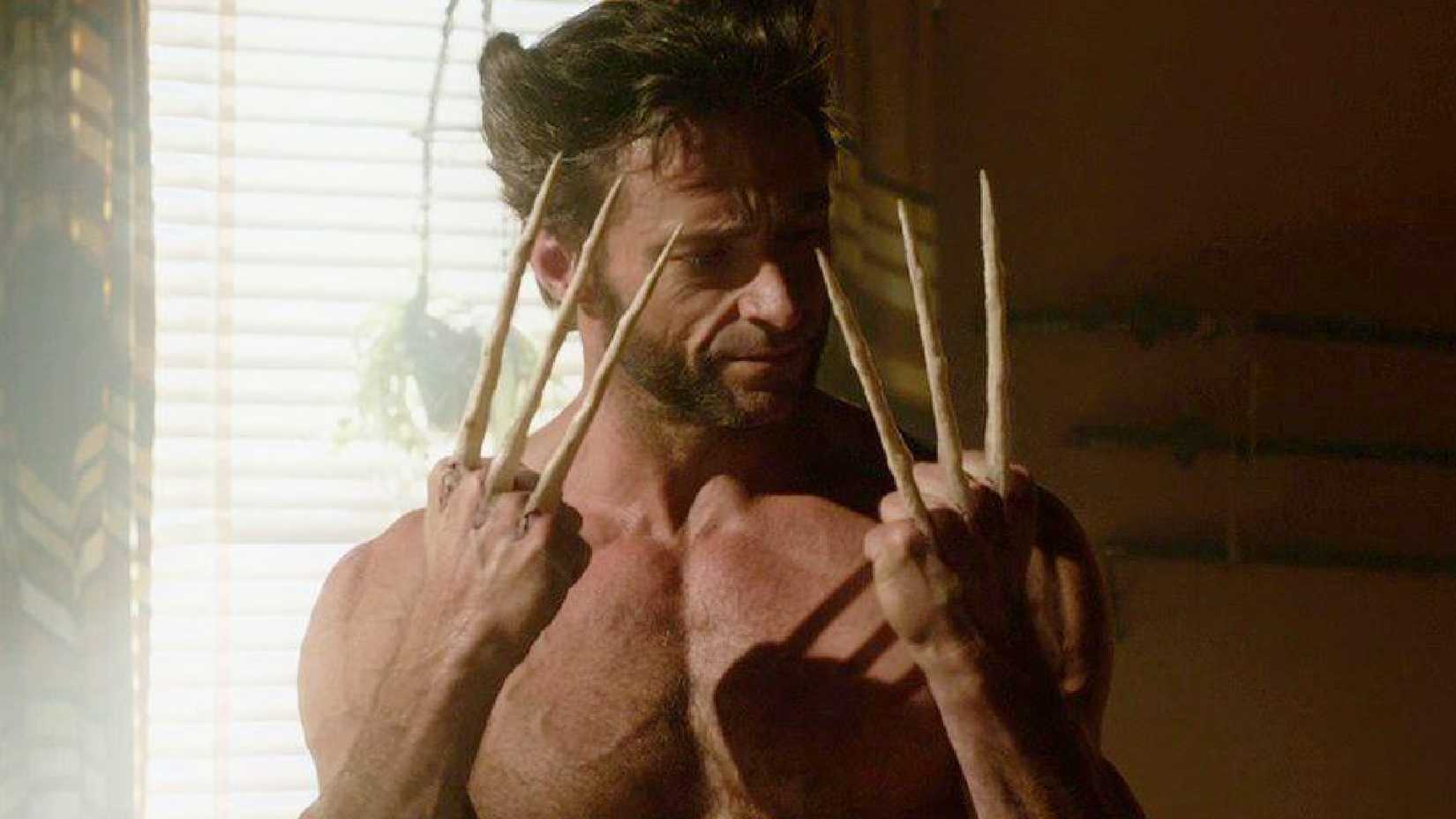
For much of the Fox era, Wolverine became the face of the franchise. Thanks largely to Hugh Jackman’s iconic performance, the character dominated the narrative across multiple films and even received a trilogy of solo stories. While Wolverine absolutely deserves his popularity, the heavy focus on him created a major imbalance, and honesty became quite boring.
Many beloved X-Men characters never received the same level of attention, despite having rich histories in Marvel Comics. Cyclops was often sidelined, Storm rarely received meaningful leadership arcs, and fan-favorite characters like Gambit never truly got their moment to shine. The MCU has a chance to correct that imbalance.
Instead of immediately centering everything on Wolverine, Marvel Studios could spotlight other mutants first. Giving characters like Storm, Cyclops, or Rogue their own films or major storylines would help audiences connect with the wider team. Ironically, holding Wolverine back initially might even strengthen his eventual introduction.
Comic-Accurate Costumes Are A Must
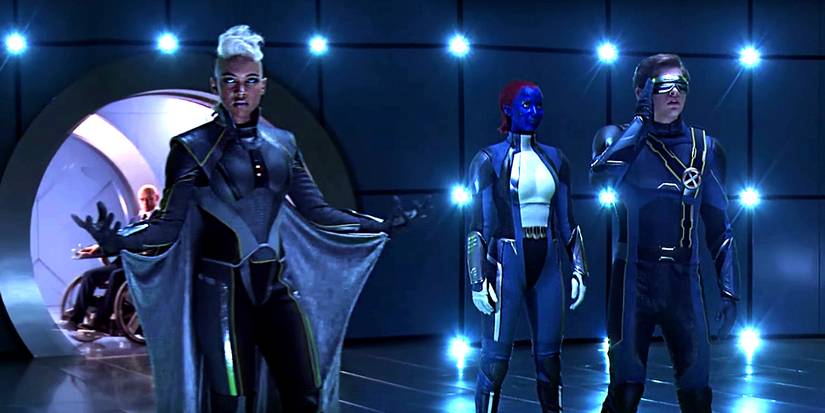
For years, one of the biggest criticisms of the Fox-era X-Men films was their reluctance to embrace the colorful costumes from Marvel Comics. The original trilogy famously opted for black leather suits instead of the bright outfits readers knew from the comics. At the time, that decision made sense, as superhero movies were still trying to prove themselves as a serious genre.
However, modern comic book films have proven that comic-accurate designs can work beautifully on screen. Movies like Deadpool & Wolverine demonstrated that bold costumes can translate perfectly to live action. Even X-Men: Apocalypse leaned further into comic-inspired looks – and they’re frequently voted some of the franchise’s best.
The MCU has already shown its willingness to embrace comic designs across multiple franchises, and the X-Men should follow that trend. Audiences want to see distinctive costumes that reflect each hero’s personality. The era of hiding from yellow spandex is over.
Don’t Mess With The Source Material Too Much
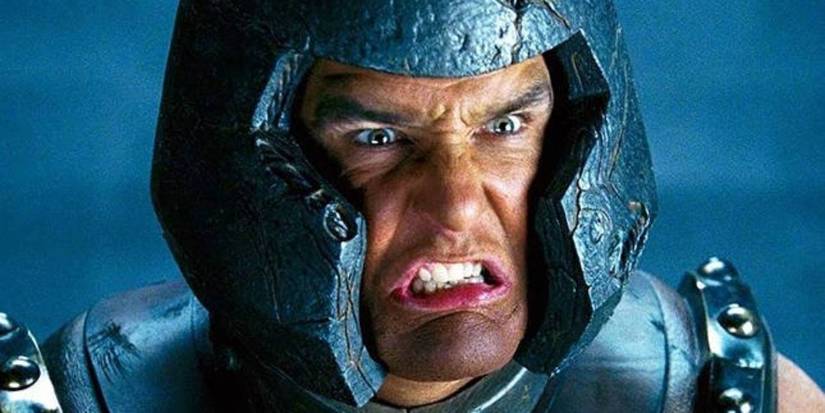
Comic book adaptations always require some changes, but the Fox X-Men franchise often altered the source material in ways that complicated the story unnecessarily. Rather than simplifying the mythology, these changes frequently created confusing new canon that drifted far from the comics. One notable example came in X-Men: The Last Stand.
Juggernaut was reimagined as a mutant instead of the magically empowered stepbrother of Professor X. Similarly, Mystique was heavily reinvented, particularly in the prequel films where she became a heroic figure closely tied to Xavier’s upbringing. These alterations weren’t small tweaks, they became central plot points that reshaped entire storylines.
While reinvention can sometimes work, the X-Men mythology is already rich and compelling on its own. The MCU should resist the temptation to drastically rewrite these characters. Respecting the spirit and relationships from the comics would make the stories clearer, more authentic, and ultimately more satisfying for longtime fans.
Don’t Nerf Characters For “Realism”
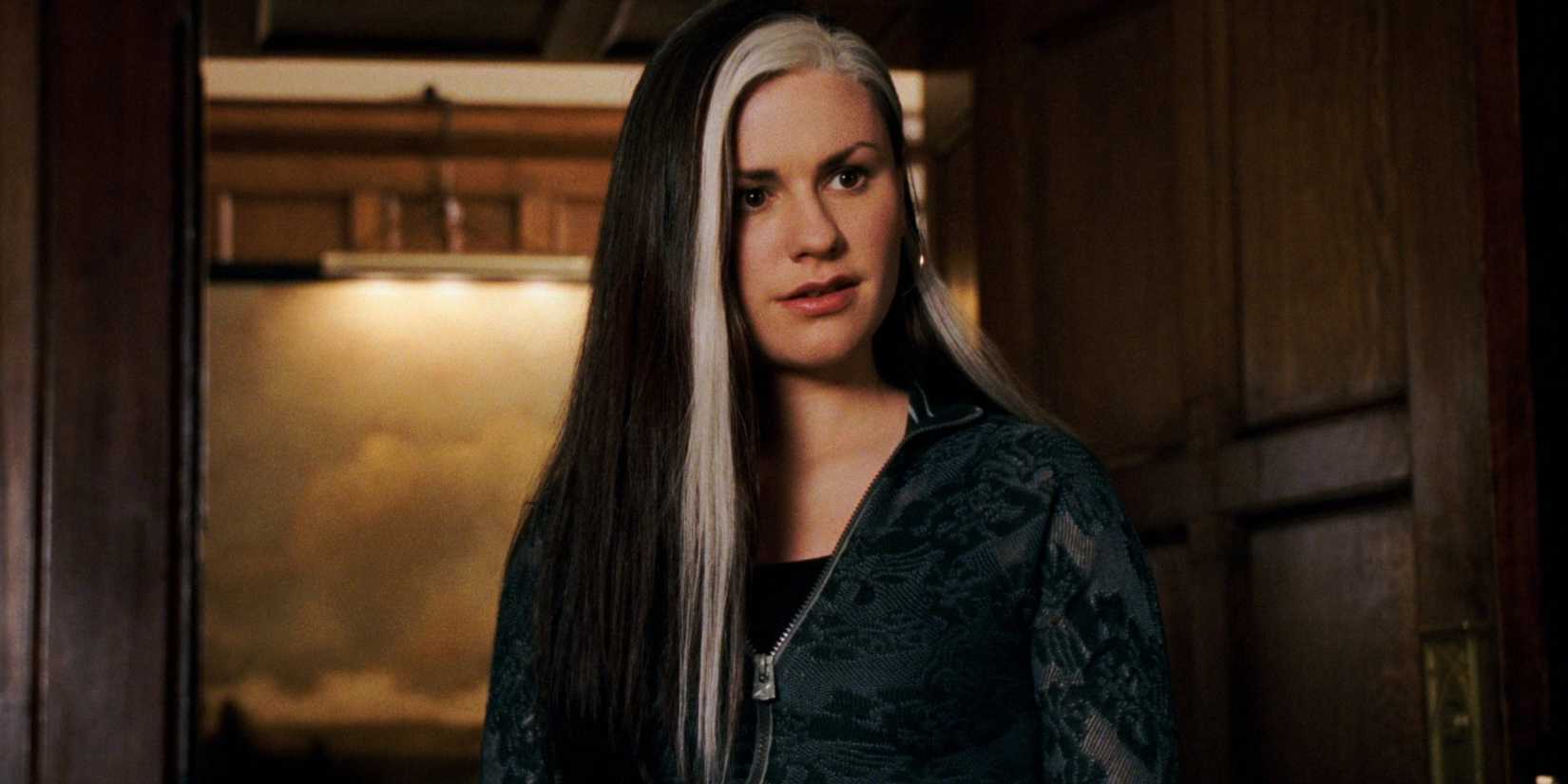
Another recurring issue across the Fox X-Men movies was how many characters were significantly toned down compared to their comic counterparts. In an effort to keep things grounded, several mutants lost the abilities or personalities that made them exciting in the first place. Perhaps the most famous example is Rogue,
Fox’s Rogue rarely used her powers and never displayed the immense strength and flight abilities that define her comic book version. Other characters were similarly underwhelming, including Cyclops, Psylocke, and Gambit. Other characters barely received any meaningful screen presence at all.
Mutants like Jubilee appeared only briefly, while the infamous early version of Deadpool in X-Men Origins: Wolverine drastically altered the character’s abilities and personality. The MCU has already shown that audiences are happy to embrace powerful, comic-accurate heroes. Mutants shouldn’t be weakened just to feel “realistic.” Their extraordinary abilities are part of what makes the X-Men so fun.
Have A Broad Range Of Mutant Characters
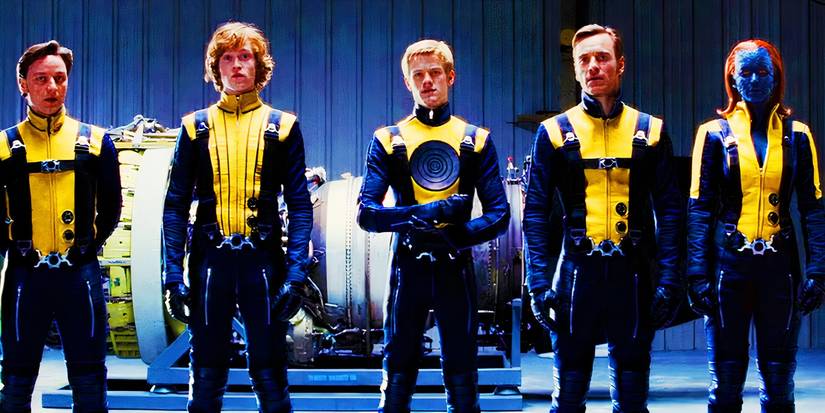
One of the most exciting aspects of the X-Men in the comics is the sheer diversity of mutants. They come from different countries, cultures, backgrounds, and physical appearances, making the team feel truly global and inclusive. The earliest films in the X-Men film series hinted at this variety, featuring characters like Storm and Nightcrawler alongside the main cast.
However, as the franchise continued, the roster gradually became less visually and culturally diverse. Many characters looked similar, with a noticeable shift toward human-looking mutants who fit traditional Hollywood beauty standards. This approach missed one of the X-Men’s most distinctive traits.
Mutants should look and feel different, both visually and culturally. Some should have unusual appearances, bold costumes, or distinctive powers that set them apart. The MCU has the perfect opportunity to embrace the full spectrum of Marvel’s mutant world. From wildly unique abilities to vibrant personalities, these details can help make the X-Men feel truly extraordinary.
- Movie(s)
-
X-Men (2000), X2, X-Men: The Last Stand (2006), X-Men Origins: Wolverine (2009), X-Men: First Class (2011), The Wolverine (2013), X-Men: Days of Future Past (2014), Deadpool (2016), X-Men: Apocalypse (2016), Logan (2017), Deadpool 2 (2018), Dark Phoenix (2019), The New Mutants, Deadpool & Wolverine (2024)
- First Film
-
X-Men (2000)
- TV Show(s)
-
X-Men: Pryde of the X-Men, X-Men (1992), X-Men: Evolution (2000), Wolverine and the X-Men (2008), Marvel Anime: Wolverine, Marvel Anime: X-Men, Legion (2017), The Gifted (2017), X-Men ’97 (2024)
- Video Game(s)
-
X-Men: Children of the Atom (1994), Marvel Super Heroes (1995), X-Men vs. Street Fighter (1996), Marvel Super Heroes vs. Street Fighter (1997), Marvel vs. Capcom (1998), X-Men: Mutant Academy (2000), Marvel vs. Capcom 2: New Age of Heroes (2000), X-Men: Mutant Academy 2 (2001), X-Men: Next Dimension (2002), Marvel vs. Capcom 3: Fate of Two Worlds (2011), Ultimate Marvel vs. Capcom 3 (2011), X-Men Legends (2005), X-Men Legends 2: Rise of Apocalypse (2005), X2: Wolverine’s Revenge (2003), X-Men (1993), X-Men 2: Clone Wars (1995), X-Men: Mutant Apocalypse (1994)
- Character(s)
-
Professor X, Cyclops, Iceman, Beast, Angel, Phoenix, Wolverine, Gambit, Rogue, Storm, Jubilee, Morph, Nightcrawler, Havok, Banshee, Colossus, Magneto, Psylocke, Juggernaut, Cable, X-23
- Comic Release Date
-
213035,212968