

Pixar has never released a terrible movie. Some sparkle more than others, but even Pixar’s weakest efforts are beautifully rendered and offer plenty to enjoy. Most of the movies are undoubtedly stone-cold classics that are incredibly difficult to separate. Here’s every Pixar movie ranked worst to best to encourage fans to decide their own favorites.
30
Cars 2 (2011)
Cars 2 is the unconditionally worst film the studio has ever made, but it did something right. The sequel to Pixar’s talking automobile franchise is perfectly serviceable as a bright, bold cartoon that youngsters will happily lap up. But a jump-started Lightning McQueen stalls and splutters in the face of Pixar movies’ usual standard.
Lacking the magic other franchises ooze effortlessly, Cars 2 is crying out for the wit and universal appeal Pixar is known for, content to focus squarely on the frantic racing while characters and storytelling bring up the rear. Cars 2 is often cited as Pixar’s most cynical moment.
This is a sequel that didn’t need to happen and made plenty of cash regardless of quality. Additionally, the film’s attempt to mix racing with a spy thriller plot feels disjointed, ultimately diluting the charm and coherence that Pixar fans expect from the studio’s offerings.
29
Cars 3 (2017)
The dishonor of the weakest Pixar movie is a photo-finish between Cars sequels, with the third in the series narrowly overtaking its predecessor. Addressing the criticisms Cars 2 ran into, Cars 3 revs up the story elements as Owen Wilson’s cheery red racer realizes his glory days might be over.
This premise leads Cars 3 on a more interesting curve that lends itself well to Pixar’s talent for emotive storytelling. It’s still a Cars movie, which means lighthearted, visually pleasing motor action that rarely ventures out of its lane.
While considering how every Pixar movie ranked, the notion that Pixar’s second-worst film is only mediocre speaks volumes about the rest of its output. Despite a more grounded and emotionally resonant plot, Cars 3 struggles to leave a lasting impact, overshadowed by the studio’s more innovative and heartwarming films.
28
The Good Dinosaur (2015)
If the Cars series marks Pixar’s first critical misfire, The Good Dinosaur is the studio’s first proper box office flop. Truthfully, The Good Dinosaur is nowhere near as bad as its financials suggest. Based on the concept of Earth if dinosaurs never went extinct, The Good Dinosaur’s solid but unspectacular execution is as much to blame for its commercial failure as poor marketing.
Where Pixar movie fans are accustomed to narrative layers and emotional resonance, this prehistoric tale offers only a taste of what the studio is capable of – delightful in the moment, but never leaving a footprint on the audience’s hearts and minds. Though The Good Dinosaur brings some ambitious ideas to the table, chances of a sequel were quickly fossilized.
Additionally, while the film boasts stunning visuals and heartfelt moments, it lacks the cohesive storytelling and depth that typically define Pixar’s masterpieces, making it a pleasant yet ultimately forgettable entry into the studio’s lineup.
27
Lightyear (2022)
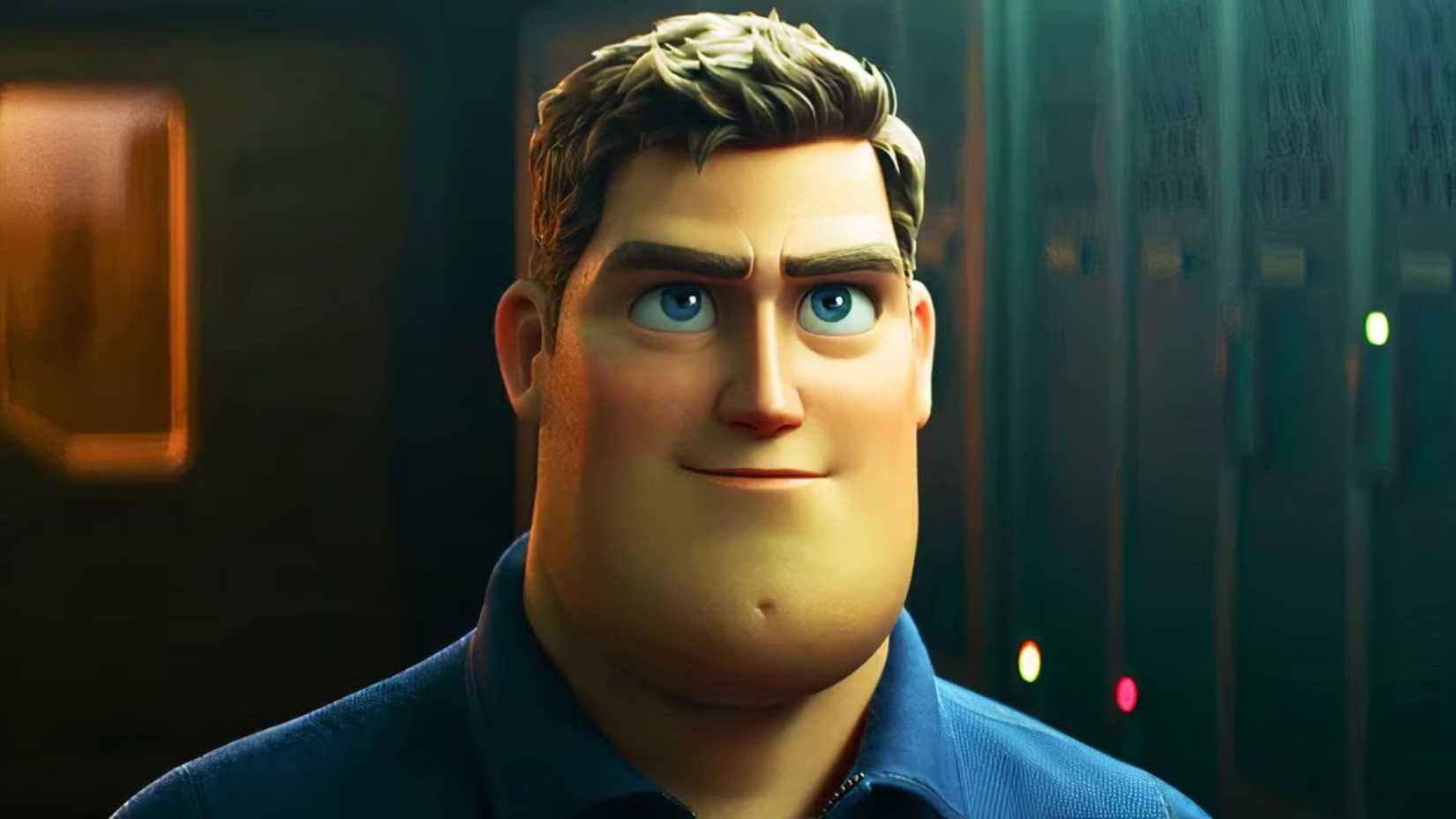
Lightyear is the fictional movie that inspired Andy’s desire to own the Buzz Lightyear action figure and kick off the Toy Story timeline. This would have been a clever concept had director Angus MacLane stuck to it, but the movie that became Lightyear is simply not one that would have existed in 1995. It feels too slick.
There’s plenty to love, including subtle (and less subtle) nods to Toy Story, a convincing and emotional friendship that suffers at the hands of warped time, a great Emperor Zurg twist, an on-form Chris Evans, and stunning visuals.
However, its overarching message – “teamwork is good” – hardly measures up to Pixar’s more heartstring-pulling themes, and they don’t lean far enough into the idea of a frenetic ’90s sci-fi movie like The Fifth Element to balance the fun/feelings factors. It’s a non-essential but enjoyable addition to the franchise that bears almost no relevance to Toy Story canon.
26
Cars (2006)
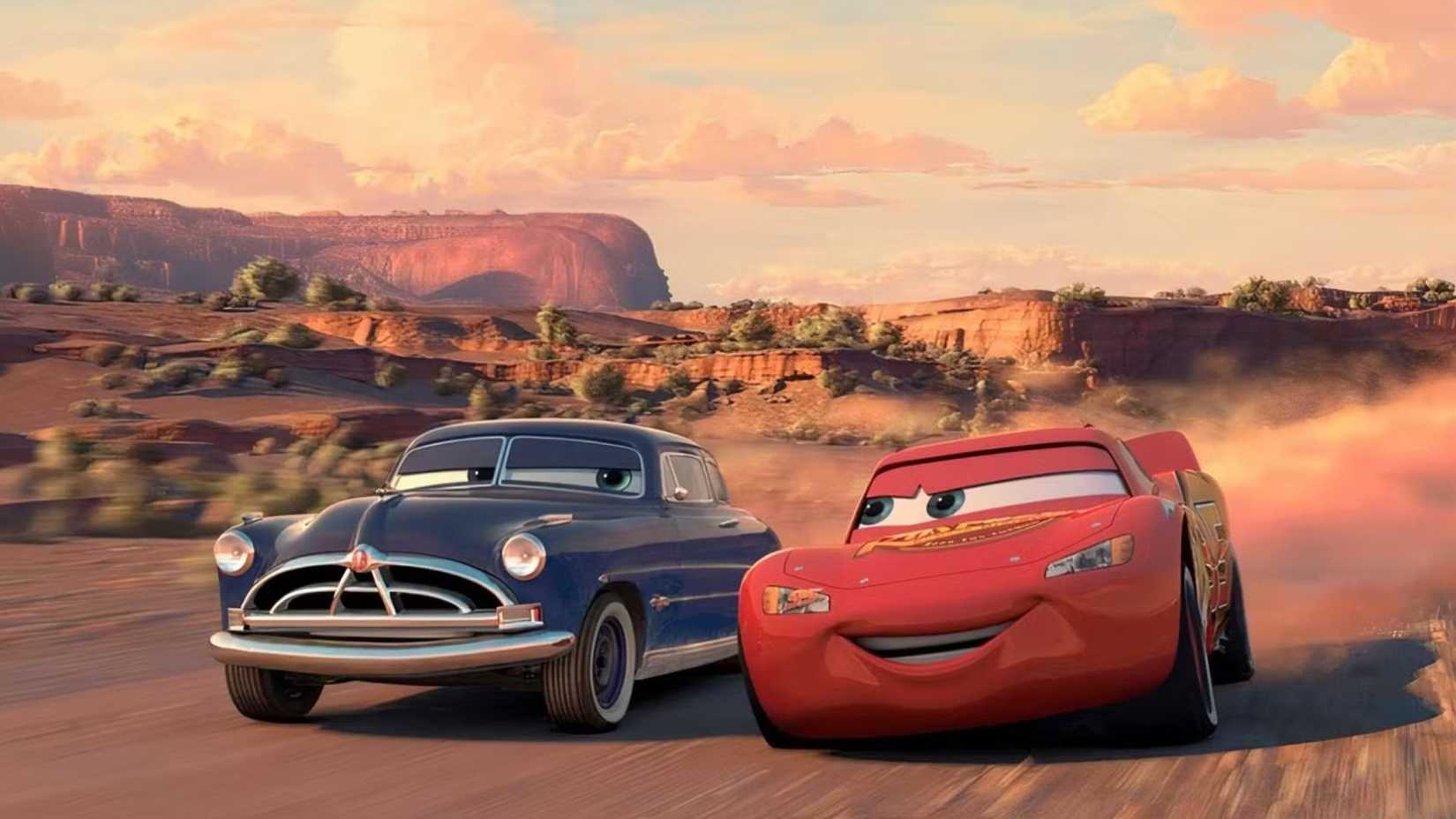
It’s no secret that Pixar movie sequels seldom live up to their respective originals, but it’s rare indeed that an entire franchise fails to please. Step forward, Cars – the only Pixar series that hasn’t produced a single universally loved outing.
After bringing to life toys, bugs, fish, and monsters, automobiles were the next logical target to anthropomorphize, but it’s here that Cars‘ common problems of thin plot, narrow appeal, and style over substance begin.While these issues would define later sequels, the original Cars has enough talent in its great cast and intrigue in its awe-inspiring premise to chug over the line.
Cars lacks the cinematic weight of almost everything else with a Pixar sticker. Additionally, despite its charming setting and heartfelt moments, the film’s pacing and predictability prevent it from reaching the heights of Pixar’s more acclaimed works, rendering it a modestly enjoyable but ultimately unremarkable entry in the studio’s impressive catalog.
25
Monsters University (2013)
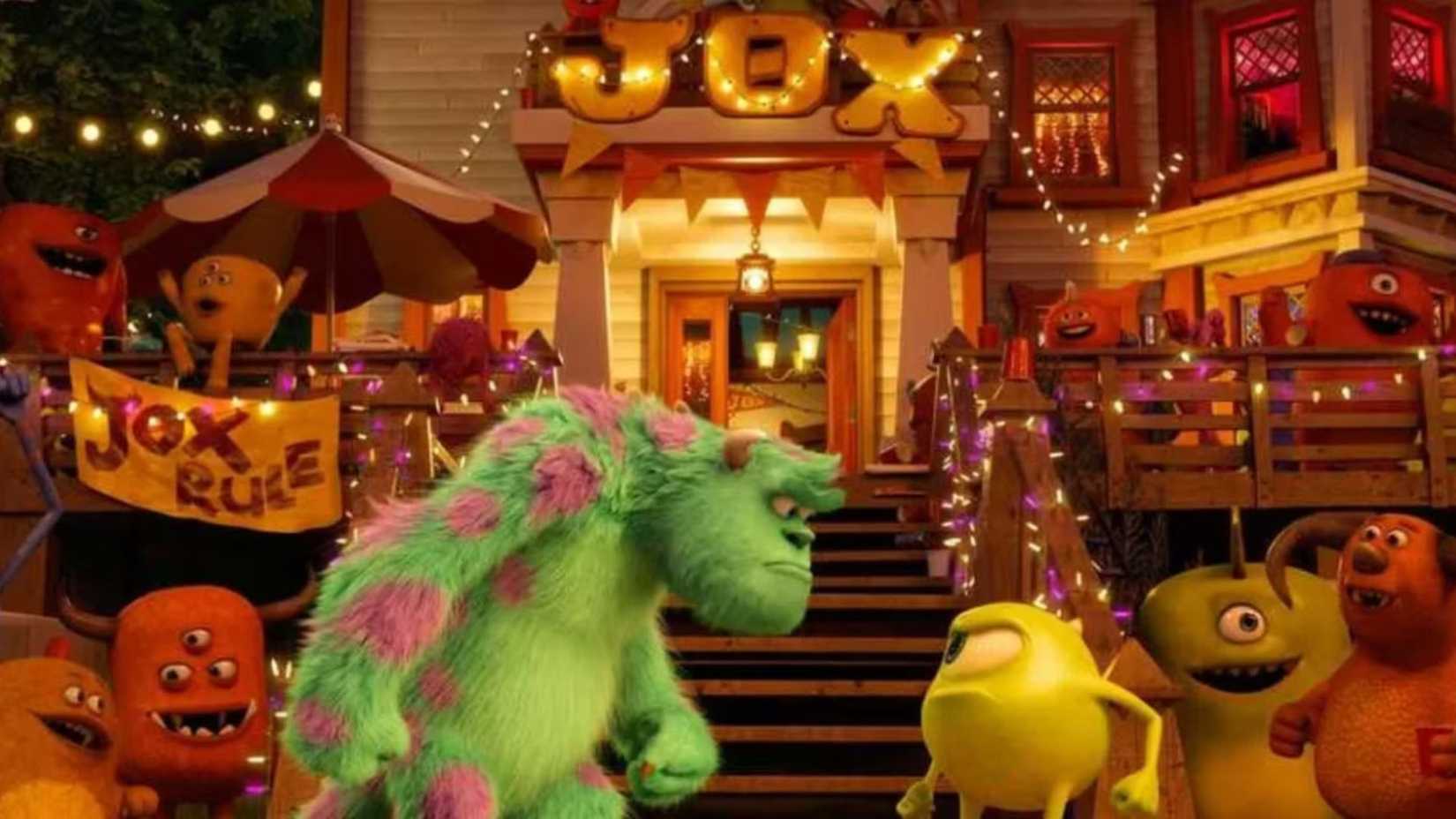
The long-awaited follow-up to Monsters, Inc. is a prequel set during Mike Wazowski and James P. Sullivan’s college years. Though this wasn’t necessarily a story fans longed to see, Monsters University makes the most of its situation and coaxes plenty of comedic shenanigans from Mike and Sully’s early rivalry.
Beyond explaining how the pair came to know each other, however, Monsters University adds little to the first film, playing it safe and relying heavily upon the audience’s existing love for the characters. On the other hand, Monsters University‘s college setting successfully expands Pixar’s world of hairy beasts, and the original charm of Mike and Sulley remains mercifully fruitful.
A good film burdened by the unabashed greatness of its predecessor. Moreover, while the film captures the vibrant and imaginative spirit of its universe, its predictable storyline and lack of emotional depth compared to the original leave it feeling more like a pleasant diversion than a standout Pixar classic.
24
Elemental (2023)
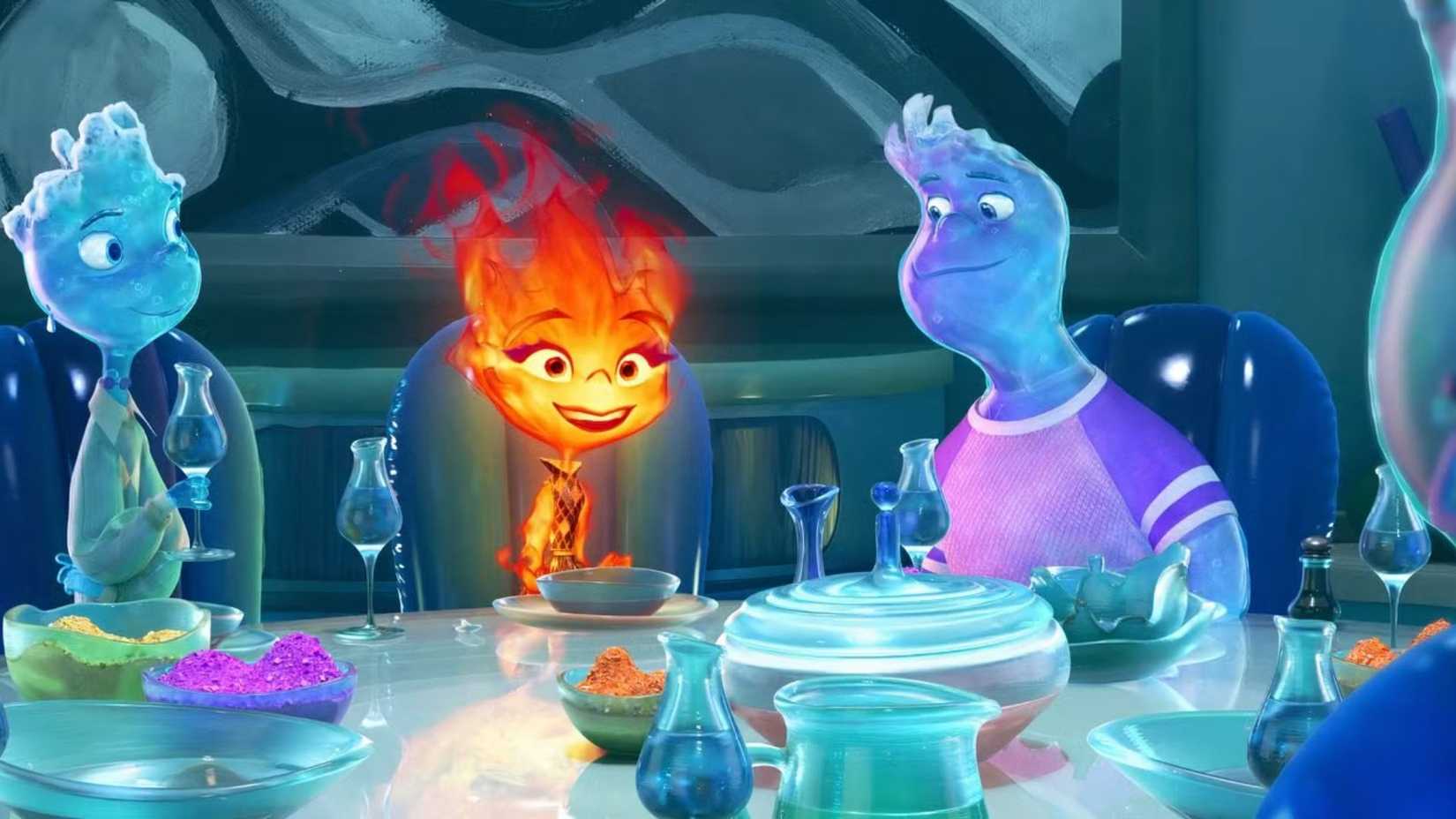
Backed by a typically deep story borne out of director Peter Sohn’s real-life experience and the wider immigrant story, Elemental may not be top-tier Pixar, but it is still better than most animated movies. As with a lot of Pixar movies, Elemental also deals with the idea of legacy within families and younger characters finding their own way.
The racism allegory is a smartly conceived one, but it’s somewhat lacking in execution because Sohn’s story never quite goes as far as audiences like it to. Nevertheless, the animation is beautiful, the characters well-drawn, and the enjoyment factor for a broad audience is absolutely there.
The usual deeper elements are there, and the same pillar Pixar principles, and even where the story sags a little, the central dynamic between Ember and Wade is great.
23
Finding Dory (2016)
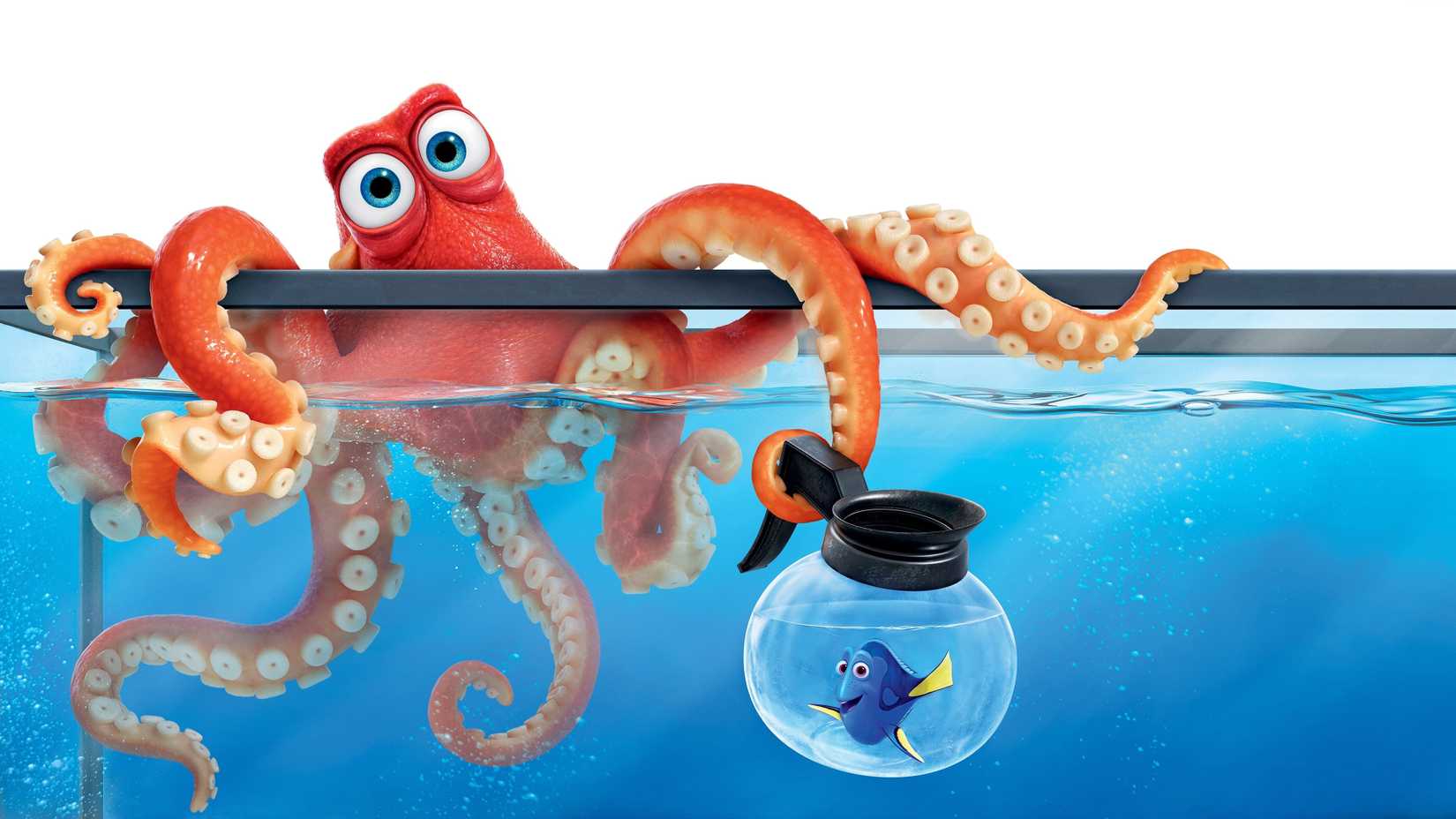
Much like Monsters University, Finding Dory wasn’t the sequel fans were calling for, and though Pixar deserves credit for at least trying to avoid predictability, that initial lack of interest hampers an otherwise strong Finding Dory.
Focusing on Ellen DeGeneres’ amnesiac blue tang, Finding Dory succeeds where many Pixar movie sequels don’t, coming perilously close to matching the emotional impact and sense of wonder audiences felt experiencing Finding Nemo for the first time. It’s a huge benefit that Finding Dory’s story works in isolation, and the gut-punch revelations from Dory’s notoriously unreliable memory work as well as anything from the first film.
There’s still an overriding sense that Finding Dory didn’t need to happen, but it made more than $1 billion at the box office. Additionally, the film introduces a host of memorable new characters and stunning underwater visuals, which help offset redundancy and reinforce the enduring charm of its beloved protagonist, making it a worthwhile, if not entirely necessary, continuation of the Finding Nemo legacy.
22
Elio (2025)
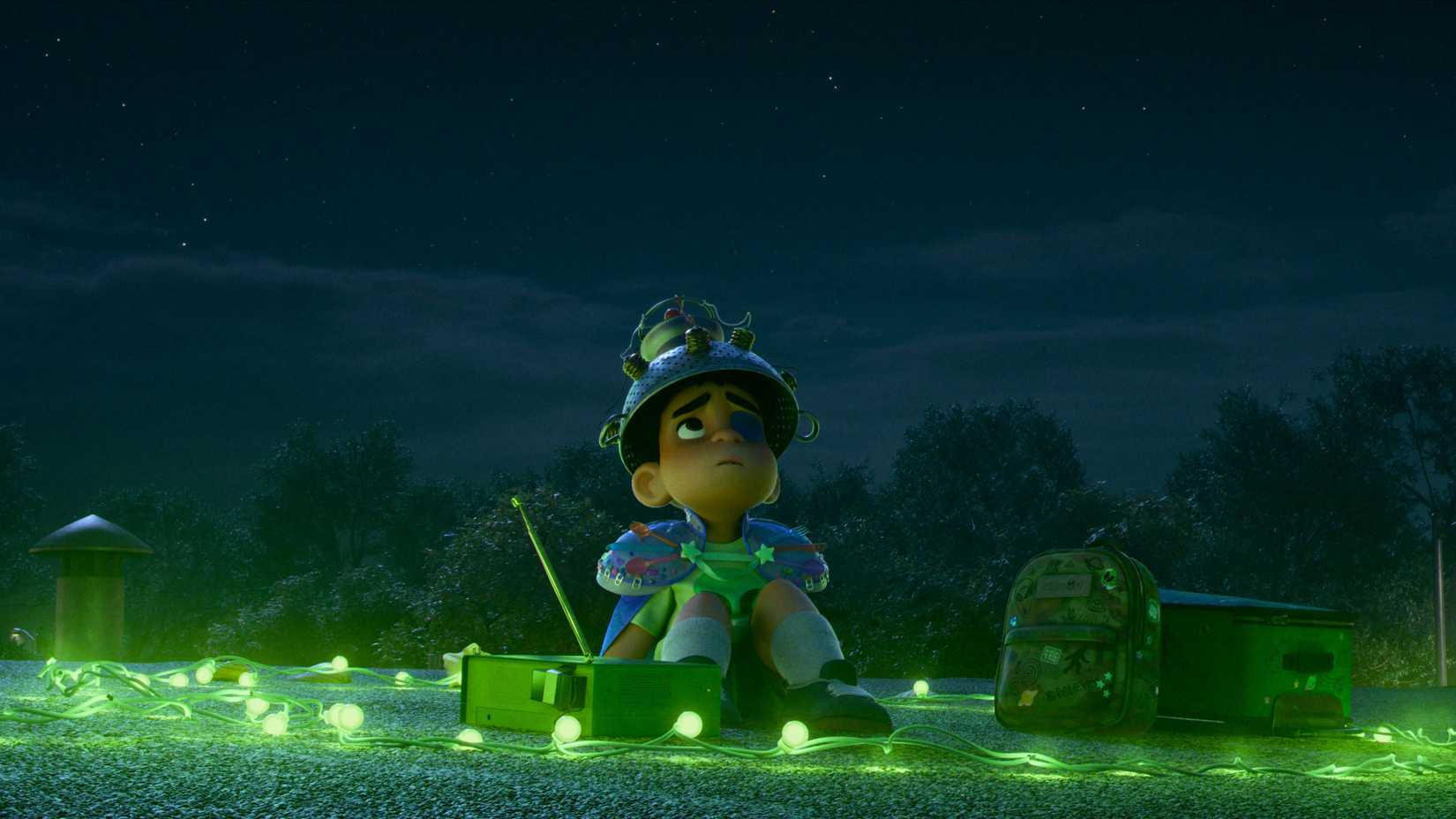
Elio includes a lot of Pixar’s traditional elements. There’s a coming-of-age story focused on a young protagonist, a central theme that people can connect to (in this case, loneliness), strong animation, and a good mixture of heart and humor. With Pixar veterans Domee Shi (Turning Red) and Madeline Sharafian (Burrow) behind the movie and notable stars in the voice cast, there is a winning formula here.
For as much as Elio works as an entertaining movie that is an easy watch, it also doesn’t quite separate itself from the rest of Pixar’s movies to earn a higher placement. The Communiverse is a cool concept that feels underexplored. Elio and Glordon’s friendship is sweet and an undisputed highlight of the film.
The relationship between kids and parents is key and does work, but it’s not quite as effective as several featured in other Pixar movies. Ultimately, Elio is a cute film with a strong sense of adventure that just has a hard time competing with some of Pixar’s best.
21
Onward (2020)
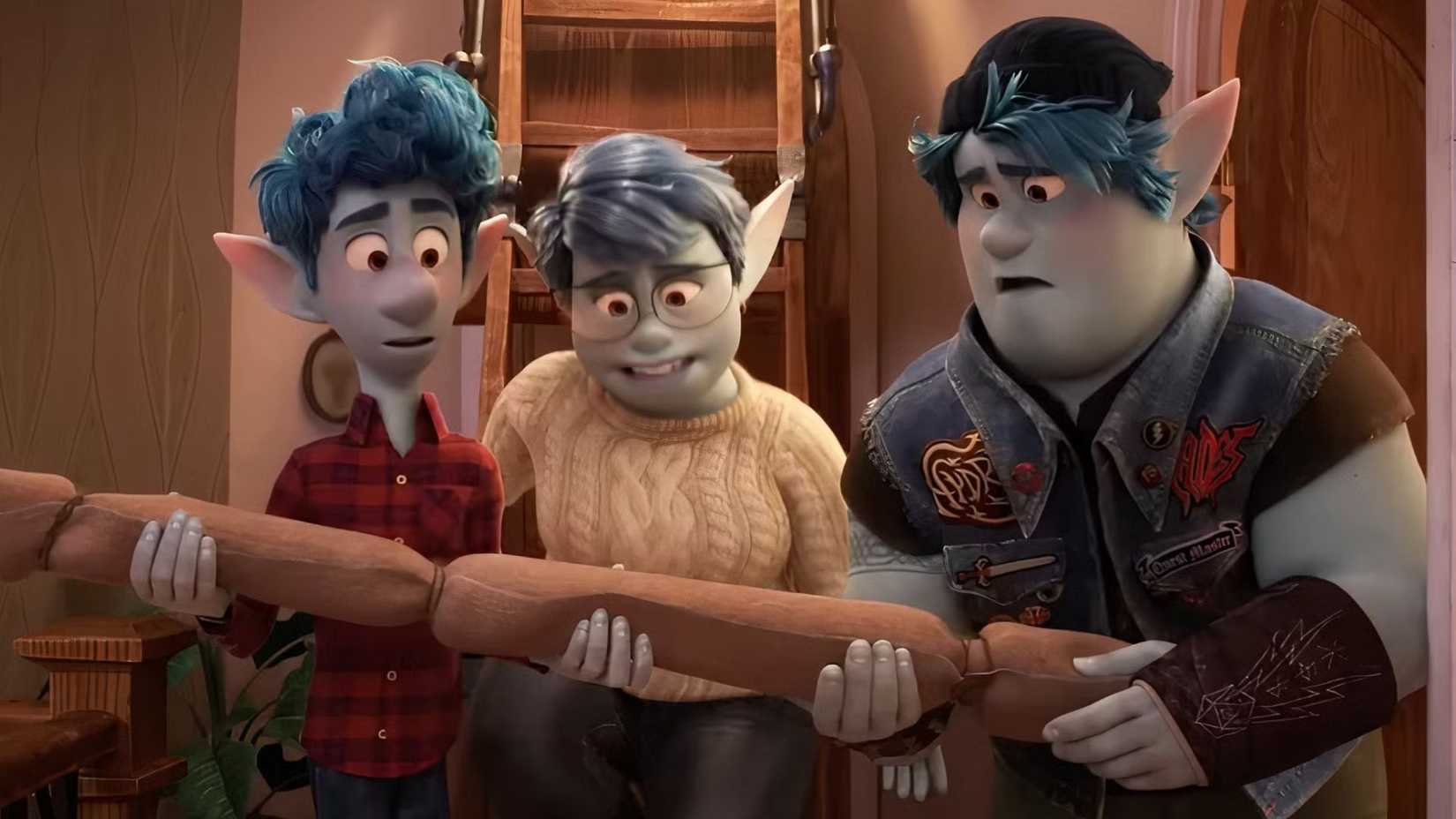
When Pixar resolved to focus solely upon original stories in the wake of Toy Story 4, many applauded the artistic integrity. Onward was the first of these productions and had the misfortune of being released in March 2020. COVID-19 had a profound effect on Onward‘s box office, but early reaction during the film’s short theatrical run was already looking underwhelming.
The chemistry between their characters underpins the entire movie, and Onward‘s lofty themes are dealt with in a typically uplifting yet sensitive fashion. Onward doesn’t quite engage viewers at every stage of the journey, but it remains a worthy addition to Pixar’s movie canon that might’ve been appreciated more without a pandemic.
Moreover, the film’s heartfelt exploration of grief, family, and self-discovery resonates deeply, showcasing Pixar’s ability to blend fantasy with real-world emotions, even if the execution doesn’t reach the heights of the studio’s most beloved classics.