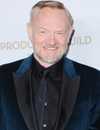
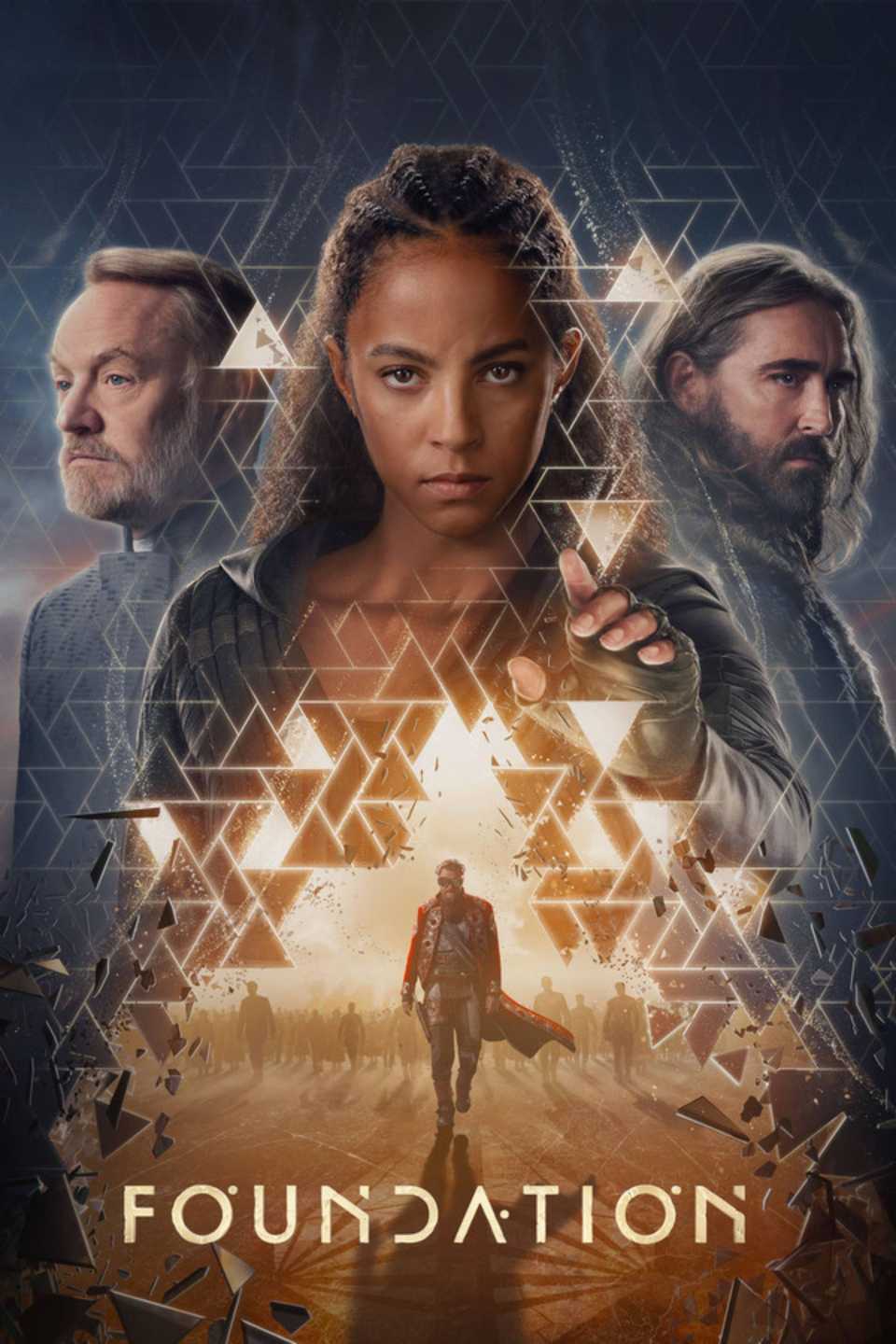
Based on the legendary novels by Isaac Asimov, Foundation is a sweeping space epic about the fall of a Galactic Empire and a bold plan to shorten the coming dark age. Across planets and centuries, mathematician Hari Seldon (Jared Harris) predicts collapse and establishes a scientific colony tasked with preserving civilization’s knowledge.
With an 87% score on Rotten Tomatoes, Foundation has solidified itself as a pillar of Apple TV’s sci-fi lineup. Just as importantly, its immense literary roots provide a near-endless roadmap for the future. With three seasons and counting so far, there’s no creative or narrative reason this saga needs to end anytime soon.
Foundation Has Only Gotten Better Since It Debuted In 2021
Each Season Raises The Stakes, Scope, And Emotional Payoff
When Foundation premiered in 2021, it immediately stood out as one of the most ambitious sci-fi TV shows in decades. The production design was cinematic, the performances commanding, and the storytelling unapologetically dense. From the opening episodes, the Foundation signaled it wasn’t chasing quick thrills. It aimed for generational storytelling with patience and scale.
Foundation season 1 patiently laid the critical groundwork. Hari Seldon (Jared Harris) introduced psychohistory, a statistical science predicting humanity’s future, while Gaal Dornick (Lou Llobell) became the audience’s entry point into its daunting ideas. The Empire storyline, centered on Brother Day (Lee Pace), added political intensity and a striking visual identity.
Still, a solid season 1 isn’t much to brag about. Many sci-fi shows burst out strong, then lose momentum as mysteries stretch thin. Foundation, however, has done the opposite. Each season sharpens its focus, deepens its characters, and expands its philosophical weight. Long-form plotting starts paying dividends as earlier setups transform into major emotional and political consequences.
Apple clearly understood Asimov’s deliberate pacing. Rather than compressing dense material into rushed spectacle, Apple’s Foundation adaptation embraces the slow-burn structure. The narrative trusts viewers to stay engaged through layered world-building and complex timelines that steadily converge into powerful turning points.
That patience pays off in scale and impact. Conflicts feel earned, character arcs gain resonance, and the galaxy-spanning stakes become personal. By Foundation season 3, the story moves with confidence, balancing introspective science fiction with operatic drama in ways few modern series manage consistently.
Instead of peaking early, Foundation evolves. Its scope widens, but its storytelling tightens. The result is rare: a science-fiction series that improves as it expands, rewarding long-term investment with increasingly sophisticated and emotionally satisfying storytelling.
Adapting Isaac Asimov’s Stories Means Foundation Can Run For Many Seasons
A Seven-Book Saga Gives The Series Practically Endless Story Potential
Foundation draws from Isaac Asimov’s writing, but it isn’t limited to a single novel. The author’s Foundation saga spans seven books, forming one of science fiction’s most influential long-form narratives. That literary scale gives the Apple TV series extraordinary flexibility and longevity.
Asimov’s saga begins with 1951’s Foundation and stretches through multiple sequels and prequels, culminating in the posthumous 1993 novel Forward the Foundation. Across those works, Asimov charts centuries of political evolution, scientific discovery, and ideological conflict on a galactic canvas.
That depth matters for Apple’s Foundation TV show. Rather than racing toward a predefined endpoint, the adaptation has room to breathe. Entire eras, civilizations, and philosophical debates remain available for exploration without exhausting the source material or inventing artificial extensions.
The show already pulls from beyond the first book, and adds new elements to the story. Storylines involving the genetic dynasty of cloned emperors and expanded character arcs demonstrate a willingness to remix and integrate elements from across the series. This approach keeps the narrative of Foundation cohesive while widening its scope beyond the source material.
By weaving multiple novels together, the writers of the Foundation series have built a structural foundation for expansion. Future seasons can explore untouched timelines, introduce pivotal historical figures, and dramatize major turning points that remain only lightly referenced so far.
If Apple chooses, Foundation could unfold for years without narrative strain. The roadmap exists, the audience is invested, and the universe is vast. Few adaptations arrive with this much high-quality material ready to be translated for the screen.
Why Foundation Is Among Apple TV’s Best Sci-Fi Shows
Intellectual Sci-Fi Blends Perfectly With Prestige Drama And Visual Spectacle
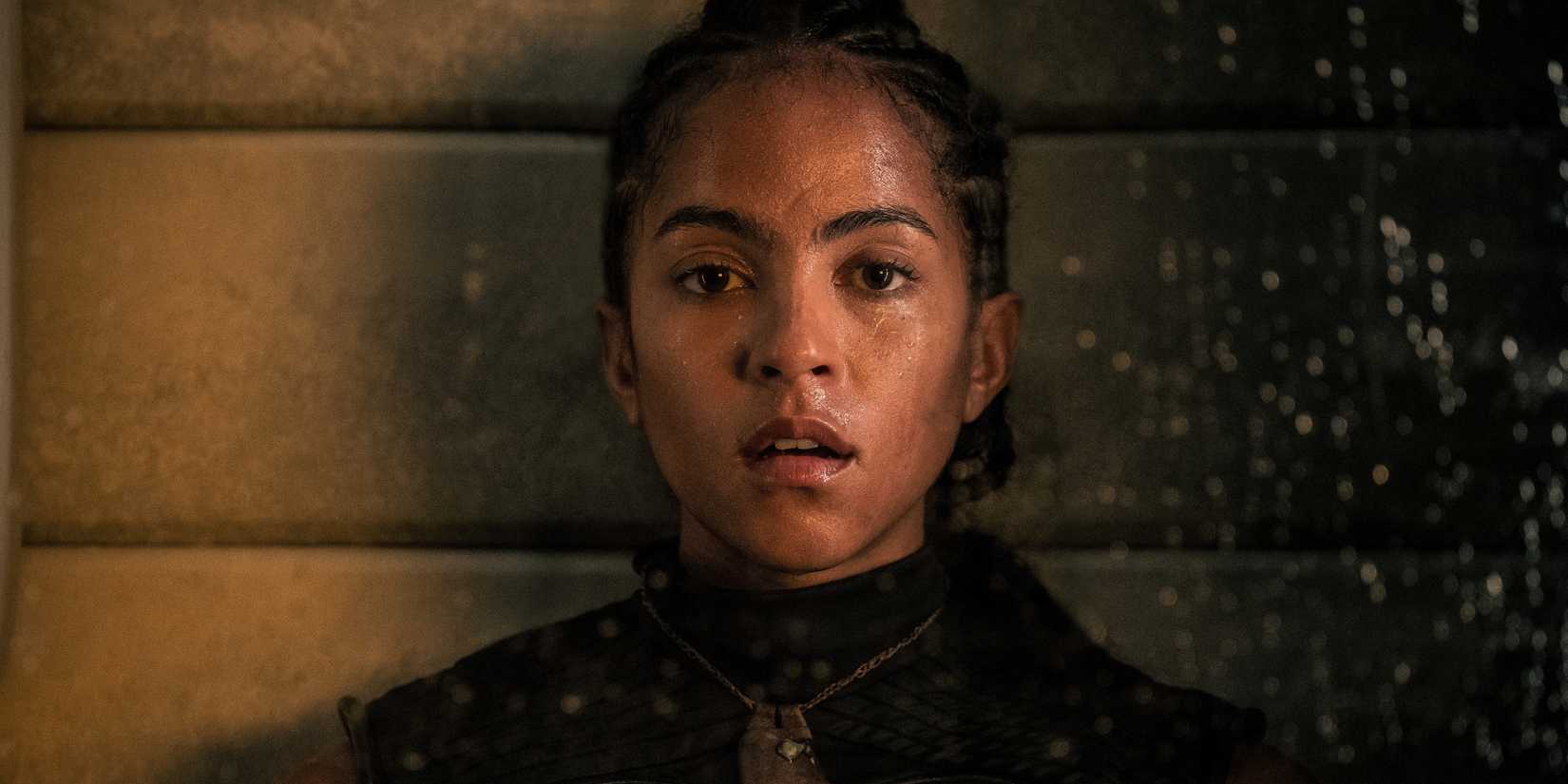
Apple TV’s sci-fi catalog is stacked. High-concept hits like Severance, dystopian thrillers like Silo, and ambitious newcomers like Pluribus prove how dedicated the platform is to being the home of original science fiction. There’s no shortage of smart, visually polished sci-fi shows to choose from. Still, even in such a crowded library, Foundation stands above its genre peers.
What sets Foundation apart from other Apple sci-fi shows is scale. Few other series on the platform attempt galaxy-spanning narratives across centuries while maintaining character-driven drama. The show moves between intimate philosophical debates and massive political upheaval without losing clarity or emotional focus.
Visually, it rivals blockbuster cinema in a way almost no other Apple sci-fi shows do. Planetary cityscapes, spacecraft design, and imperial architecture create a sense of grandeur rare for television. The aesthetic isn’t just expensive; it’s purposeful, reinforcing themes of decay, legacy, and the fragility of power.
The performances of the Foundation cast is another key reason the show stands out. Jared Harris brings gravitas and quiet intensity to Hari Seldon, grounding abstract ideas in human urgency. Lee Pace’s Brother Day is magnetic and volatile, turning imperial politics into character-driven spectacle rather than distant world-building.
Most importantly, Foundation respects its audience. It doesn’t oversimplify scientific concepts or moral dilemmas. Instead, it trusts viewers to engage with challenging ideas about fate, free will, governance, and the long-term survival of civilization.
That blend of intellectual ambition, dramatic weight, and visual confidence makes Foundation more than just another strong entry. Even among Apple TV’s best, it stands as one of the platform’s defining science-fiction achievements.
- Release Date
-
September 23, 2021
- Network
-
Apple TV+
- Showrunner
-
David S. Goyer
- Directors
-
Alex Graves, Roxann Dawson, Jennifer Phang, Mark Tonderai, Andrew Bernstein
- Writers
-
Jane Espenson, Leigh Dana Jackson, Liz Phang, Eric Carrasco, David Kob, Addie Manis, Marcus Gardley, Lauren Bello, Olivia Purnell