Netflix has already given One Piece season 3 the green light, and the final moments of season 2 set up the next chapter quite clearly. After curing Nami, adopting a raccoon, and accidentally liberating a kingdom, the Going Merry is heading straight for the island of Alabasta. The goal? Give Baroque Works a royal kicking and save Vivi’s home from a devastating civil war being fueled by the evil Mr. 0, otherwise known as the Seven Warlords member Crocodile.
One Piece season 3 will be the most intense, high-stakes, breathtaking era of Luffy’s live-action voyage so far. It’ll also be completely different to the previous two seasons.
One Piece Season 3 Will Be Set Almost Entirely In One Location
A hallmark of Netflix’s One Piece until now has been the adventuring. The series began with Luffy already at sea, and the would-be Pirate King hasn’t stayed in one location for long after bursting onto the scene. In One Piece‘s first season, Luffy sailed from Shells Town to Orange Town, then onto Syrup Village and the Baratie restaurant, then ended that initial leg of his journey at Arlong Park. One Piece season 2 begins at Loguetown before moving on to Reverse Mountain, Whisky Peak, Little Garden, and Drum Kingdom.
One Piece season 3 is going to dock in Alabasta and stay there.
The Going Merry shall be a very lonely place, and those shots that have been so prevalent across Netflix’s adaptation so far of Luffy’s crew riding the waves will soon become few and far between. The best chance of visiting other islands in One Piece season 3 will be flashbacks or side stories involving side characters such as Portgas D. Ace or Garp.
Does that mean the spirit of adventure and exploration will be missing in One Piece season 3? Not necessarily. Alabasta is a huge island – far more expansive than anywhere the Straw Hats have landed until now. That will allow for a host of unique locations: the Alubarna royal palace, Crocodile’s pyramid, the local towns, the dusty desert dunes, etc. Alabasta is the first One Piece setting that feels like a proper country, and like a country, it holds enough geographical variety to keep the Straw Hats on their toes as they move from place to place. The difference is simply that all these places will fall under the larger umbrella of “Alabasta.”
Season 3 marks a permanent turning point for One Piece, because the approach never switches back to what we saw in seasons 1 and 2. Rather than a single island taking up one or two episodes, live-action One Piece is now looking at adapting just one or two islands per season.
Prepare For More Battles In One Piece Season 3
One Piece isn’t strictly a “battle manga” in the same way Dragon Ball is, but certain elements of Eiichiro Oda’s story absolutely fit that genre. That’ll become a lot more apparent in One Piece season 3.
The live-action fight sequences across One Piece‘s first two seasons have been more or less spread out. Season 1 featured a series of increasingly difficult fights culminating in Luffy’s groundbreaking battle against Arlong. Season 2 (Whisky) peaks with Zoro vs. Baroque Works’ 100 assassins. Despite offering constant pockets of action sequences with Buggy, Mr. 3, and Wapol, there’s no big final boss in One Piece season 2’s ending.
If it follows the manga, One Piece season 3 will be one big battle after another: Luffy vs. Crocodile, Zoro vs. Mr. 1, Sanji vs. Bon Clay, Nami vs. Miss Doublefinger, etc. In addition to the Straw Hats’ individual battles, Alabasta will erupt into a full-scale civil war that turns the island into a genuine battlefield unlike anything else in the live-action series so far. Moments of levity, epic speeches, and awesome wonders will remain part of the formula, but it’s no exaggeration to say that One Piece season 3 will be a very battle-centric run.
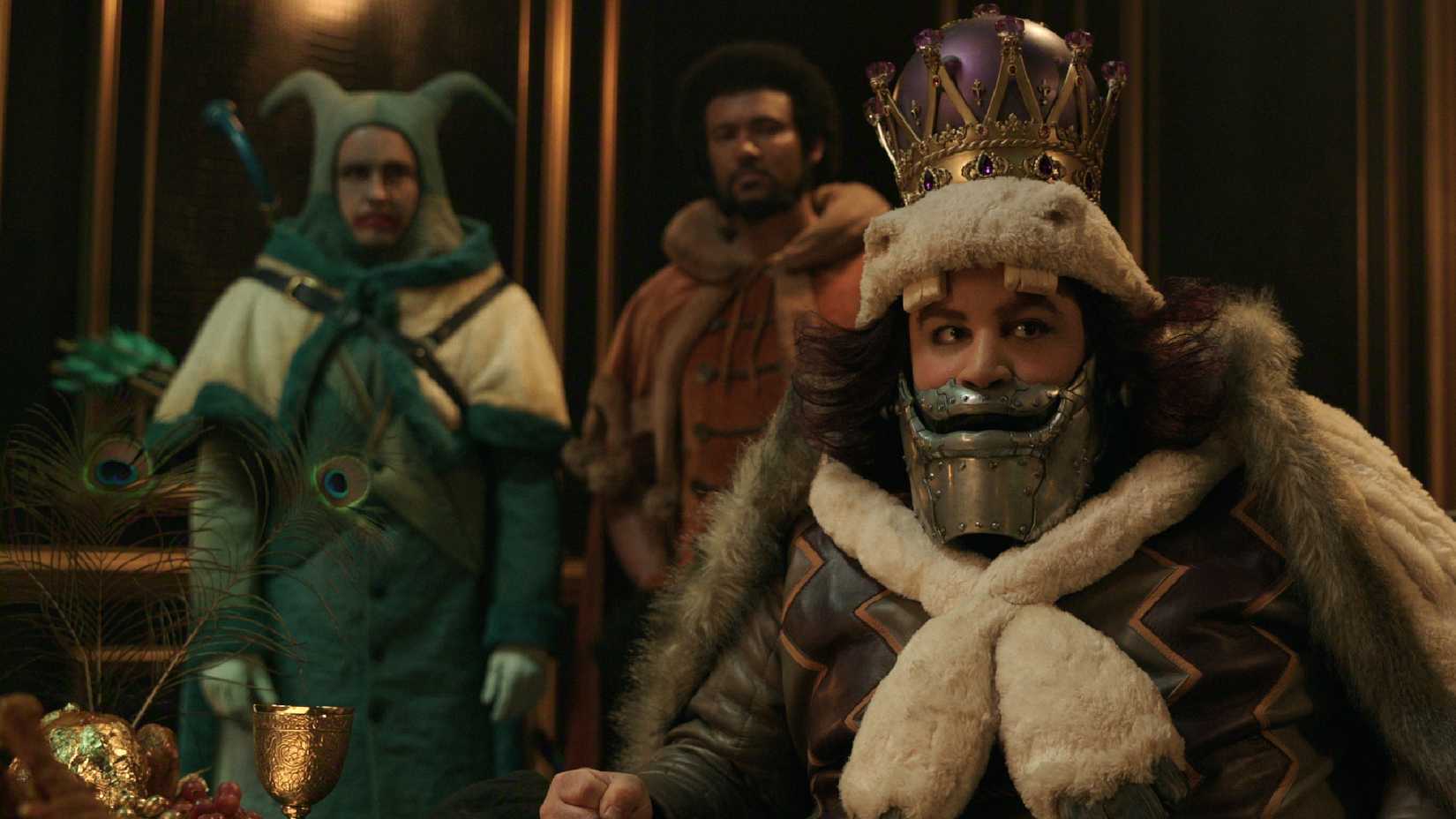
With so many Straw Hats to introduce, One Piece‘s first two seasons carried the burden of providing backstories for each of them. It’s a facet of storytelling Oda excels at, and the Netflix adaptation fortunately follows suit, but focusing so heavily on these characters left little room for the wider lore of One Piece‘s world. We’ve had breadcrumbs – a “Will of D.” nod here, a mention of God Valley there – but nothing to give One Piece‘s detailed fictional history any serious relevance to Luffy’s quest.
That’s another thing One Piece will change in season 3.
Through Crocodile’s plan and intentions in Alabasta, the deepest secrets that keep One Piece‘s massive lore-berg afloat will begin surfacing. The Poneglyphs will appear, the three weapons will become pivotal, the politics of the World Government will be more than just a background plot, and the Seven Warlords will no longer be some unseen private members club that Mihawk belongs to.
Hand-in-hand with that, One Piece is on the cusp of becoming a whole lot more political. You’d be forgiven for thinking otherwise, what with the guffawing giants and explosive snot, but One Piece is one of the most socially prescient stories currently being told. It’s not by accident that the Straw Hats’ Jolly Roger has been spotted at protests and rallies across the globe.
Alabasta is where that particular strand of One Piece‘s DNA begins poking through. Vivi’s mission to save her kingdom, and Crocodile’s poisonous hand in stirring up trouble, creates clear parallels to real-world conflicts. The lively debate between Cobra and Wapol in One Piece season 2 was just a tease of what’s to come. From here on out, the subtext is going to feel considerably more relevant, approaching topics such as classism, global warming, and the lessons of history being ignored. Season 3 is the moment One Piece becomes more than just a story about a lovable and rubbery idiot punching bad guys.
- Release Date
-
August 31, 2023
- Network
-
Netflix
- Showrunner
-
Matt Owens, Steven Maeda, Joe Tracz
- Directors
-
Tim Southam, Marc Jobst, Josef Kubota Wladyka
- Writers
-
Tiffany Greshler, Diego Gutierrez, Allison Weintraub, Lindsay Gelfand
-
 Iñaki Godoy
Monkey D. Luffy
-