

From Shudder’s Creepshow to Netflix’s Love, Death, & Robots, the genre is flooded with shows that consistently offer interesting, original standalone stories with each new episode. However, almost none of these can hold a candle to the most influential title in the history of the genre.
The Twilight Zone’s Sci-fi Anthology Format Has Been Endlessly Influential
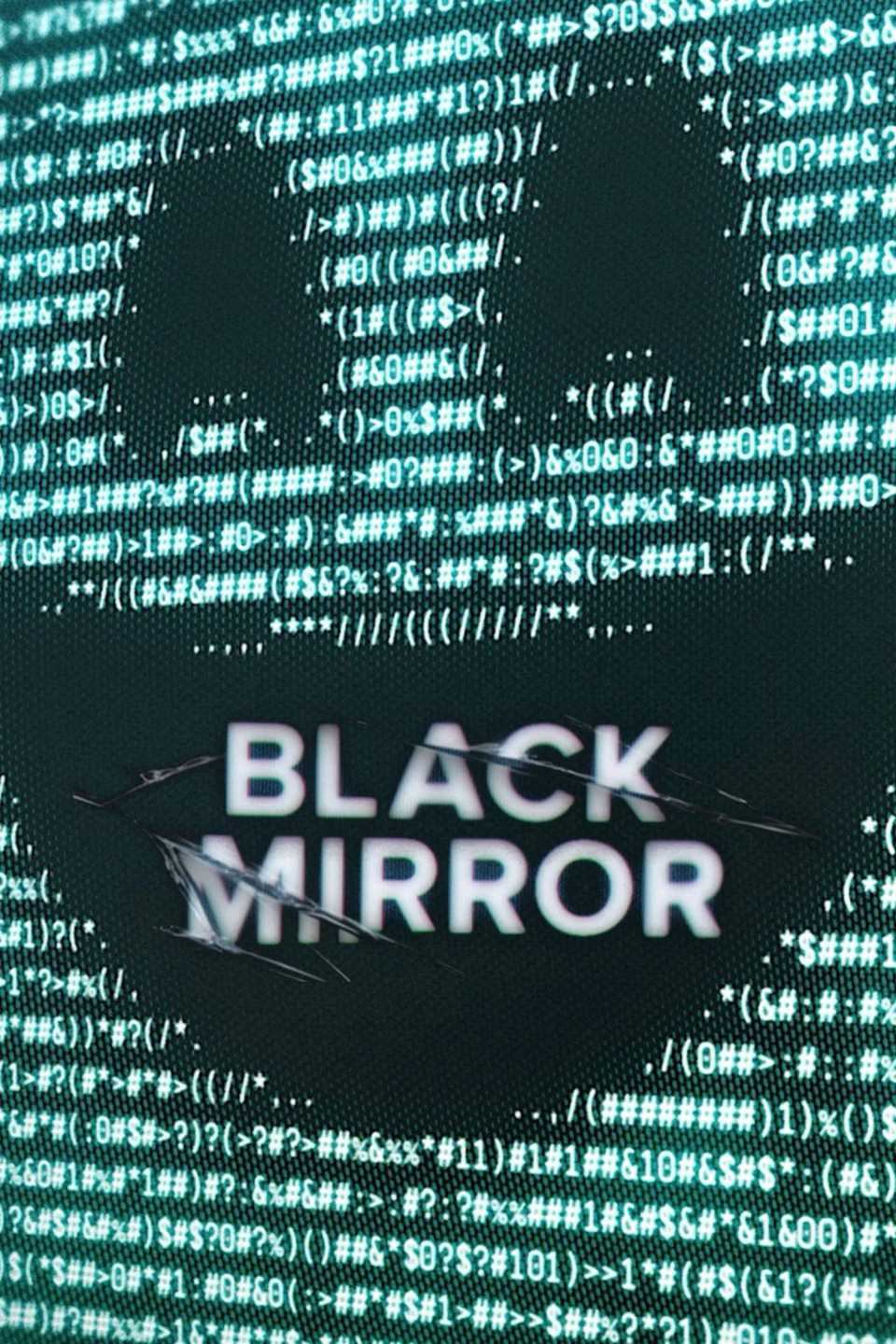
Even Netflix’s Black Mirror, which might be the most acclaimed anthology show of the 21st century, exists in the shadow of this seminal masterpiece. Beginning in 1959, The Twilight Zone was an anthology show that blended sci-fi, fantasy, mystery, thriller, and horror in an innovative, original, daring anthology filled with thoughtful, incisive social commentary.
Not only have many episodes of The Twilight Zone aged well, but the original show has also gone on to inspire countless later TV anthologies. Presented by its lead writer and creator, Rod Serling, The Twilight Zone offered viewers unpredictable stories that commented on cultural, social, and political issues without ever sacrificing scares, twists, and the show’s infamously effective twists.
The original run of the series ended in 1964, but not before inspiring imitators like The Outer Limits. The Twilight Zone went on to be revived by CBS from 1985 to 1989, by UPN from 2002 until 2003, and by CBS All Access from 2019 until 2020.
During this time, The Twilight Zone shaped shows as varied as Tales from the Crypt, Inside No. 9, Philip K. Dick’s Electric Dreams, and, of course, Black Mirror. While Guillermo del Toro’s Cabinet of Curiosities might have borrowed The Twilight Zone’s host segments, it is Black Mirror that has come closest to recapturing the show’s commentary to technology.
The Twilight Zone was famous for using its aliens, sci-fi technology, and far-fetched premises to comment on very real contemporary social issues, critiquing capitalism and imperialism through its storylines. In much the same way, Black Mirror’s seven seasons use imagined technological innovations to explore humanity’s dark side.
Both The Twilight Zone and Black Mirror lure viewers in with fantastical sci-fi tropes, only to then keep them engaged with twists that feel all too real and human. The darkest parts of both shows tend to come not from supernatural threats, but from the failures of their human characters.
Although almost every anthology show on television owes something to The Twilight Zone, Black Mirror is unique in its ability to pull off brutally dark twists while still providing meaningful social commentary. Darker shows like Tales from the Crypt or the ‘90s revival of The Outer Limits might be bleaker, but they lack the resonance of The Twilight Zone and Black Mirror.
Similarly, although shows like Love, Death, & Robots and Amazing Stories boast impressive effects, neither is as committed to using sci-fi as a vector for social commentary as The Twilight Zone and Black Mirror. As such, it is hard to argue with the assertion that The Twilight Zone has influenced Black Mirror more than any other current anthology series.
- Release Date
-
December 4, 2011
- Network
-
Channel 4, Netflix
- Showrunner
-
Charlie Brooker
- Directors
-
Owen Harris, Toby Haynes, James Hawes, David Slade, Carl Tibbetts, Ally Pankiw, Bryn Higgins, Dan Trachtenberg, Euros Lyn, Jodie Foster, Joe Wright, John Hillcoat, Sam Miller, Tim Van Patten, Uta Briesewitz, Colm McCarthy, Jakob Verbruggen, James Watkins, John Crowley, Otto Bathurst, Anne Sewitsky, Brian Welsh
- Writers
-
Jesse Armstrong