

But Crimson Desert may be the victim of its own ambition. Everything that’s been promised is there, but, with a few welcome exceptions, most of these mechanics are woefully underbaked. The final product feels disjointed and rarely coalesces into the comprehensive sandbox RPG I hoped it would be.
60 Mechanics In Search Of A Game
Quantity Over Quality
In Crimson Desert, you play as Kliff, a member of the Greymanes faction of mercenaries. At the beginning of the game, your leader has been killed, and your troop is separated after an ambush by the rival Black Bears. Your goal is to get the band back together, as you begin to delve into the mysteries of another realm known as the Abyss.
It’s overwhelming from the very start. After a brief combat tutorial and a breakneck introduction to the story, you’re dropped into the middle of a fairly large city, which is full of people to talk to and things to do. Every building contains an NPC you’ve yet to meet; you have to speak to each of them individually to figure out what they do and why it matters.
And it only grows from there. The variety is impressive, but no single mechanic really stands out for being particularly good or in-depth. The fishing mini-game, for example, is functionally almost identical to the ones in Final Fantasy 15 and Red Dead Redemption 2, but without the added strategy considerations of bait and lures. The dynamic economy has potential, but it’s largely influenced by random events you have little control over.
The bigger issue, though, is that most of these “life activities” don’t really add anything to the world of Crimson Desert. I was never motivated to do them because they were interesting or fun, but because they gave me the materials I needed to craft better weapons, armor, and food to progress. Over time, they came to feel like a chore I had to do between the better parts of the game.
Nor do the social mechanics — your interactions with NPCs and the faction, reputation, and bounty systems — make much of an impact. For all its attempts at sandbox gameplay, the world of Crimson Desert feels strangely dead. Most NPCs are generic and unnamed, ambling from place to place as they spout generic dialogue.
Even the player characters are oddly underdeveloped, largely because the story lacks a first act. The motivation to rescue your former compatriots and restore the status quo makes sense on the surface, but it’s not entirely clear what that status quo looked like or why it’s so important to recapture it.
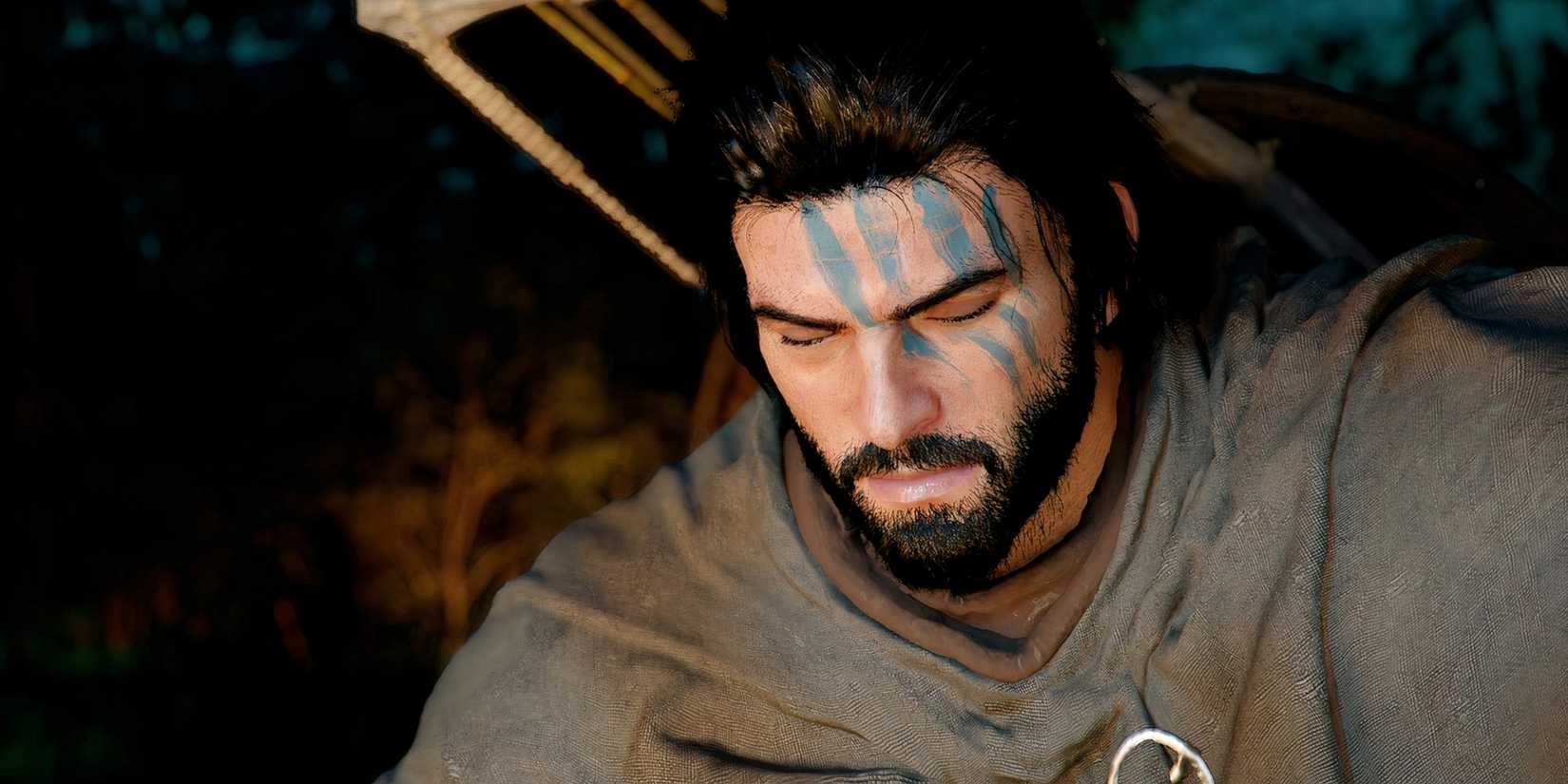
Things get a little better once you get the Greymanes’ camp up and running. Now, you have a more concrete goal to care about, something else to spend your resources on: you can send your allies out on missions, which range from capturing bandit-seized outposts to simple farmhand work. These help fill up your camp coffers, giving you money and resources to spend on upgrading the facilities or sending your people out on more missions.
This management aspect of Crimson Desert was interesting, and I did enjoy returning some semblance of life to the world by reconquering the map area by area. Unfortunately, it quickly boils down to the same frustrating feedback loop of “gather resources, then spend them to get more resources.” All the really exciting stuff seems to happen off-screen.
A Deep – If Unbalanced – Combat System
With A Confusing Control Scheme
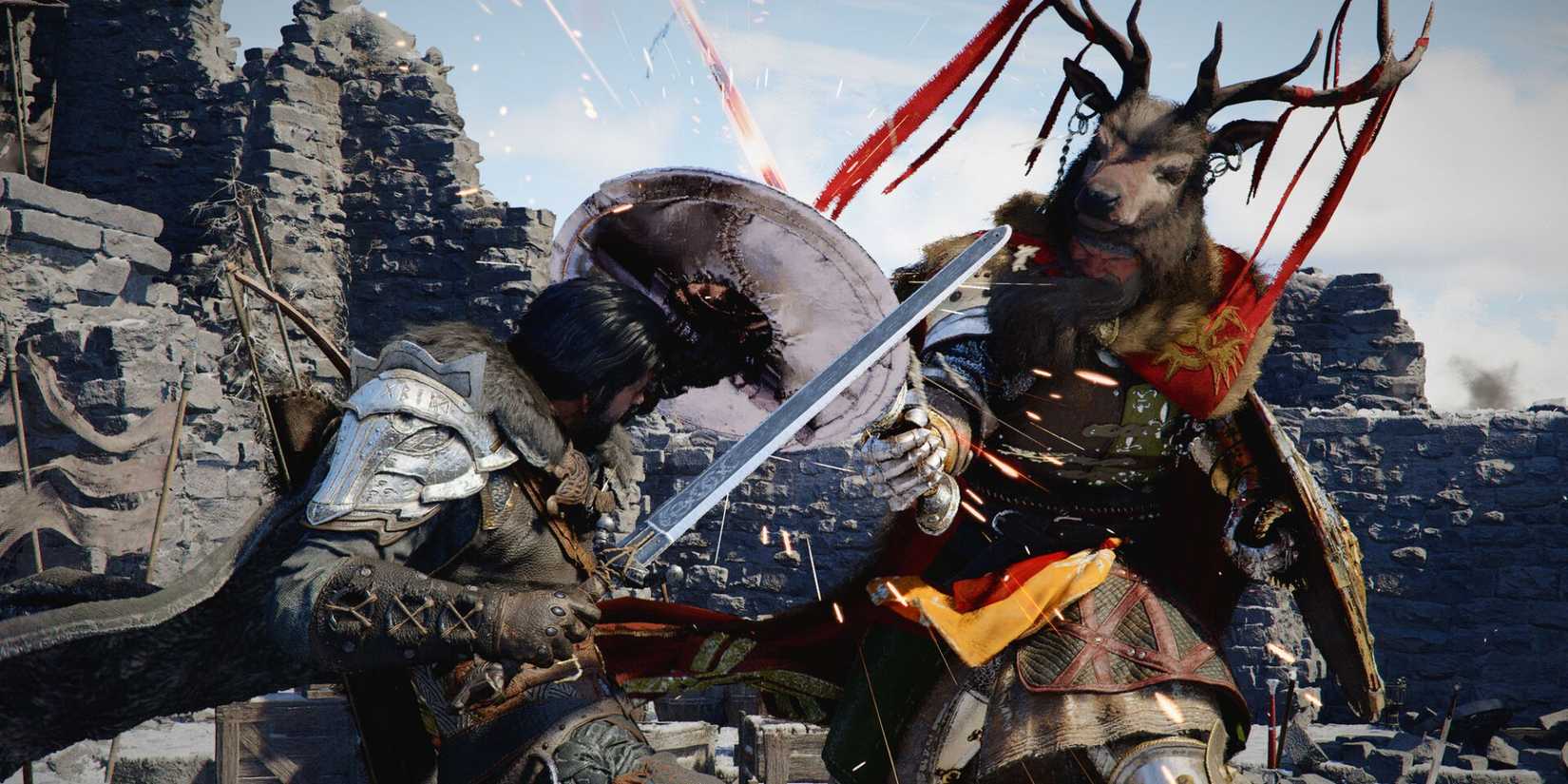
Combat is one of the few areas in which Crimson Desert shines, although even that has its peaks and valleys. Its real-time battles exist somewhere between hack-and-slash and Soulslike: there’s a strong emphasis on stringing together long combos, and you’re encouraged to master parry timing to unbalance enemies and open them up to reprisal.
It all works stunningly well. You feel the weight of all your attacks and defenses. It’s incredibly satisfying to pull off a perfect parry, then leap forward with a deadly strike. The boss battles are cinematic, even epic at times, rewarding big plays and smart use of your arsenal.
Each of the playable characters has their own combat specialty and skill tree, but Kliff’s is by far the most varied. You can sort of multiclass into all types of different combat styles, using longswords, shortswords, polearms, shields, bows, magic abilities, or even just your bare fists. No two people will experience combat exactly the same way, and there’s plenty of room to experiment and find what works best for you.
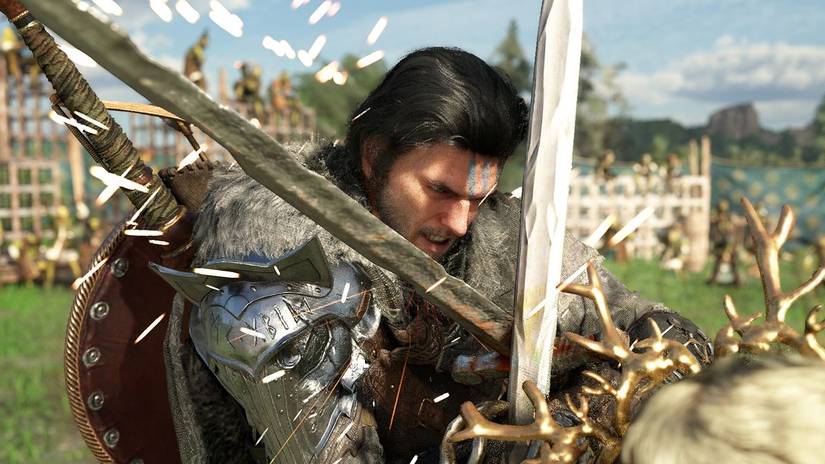
However, because there’s so much to do in combat, Crimson Desert suffers from an arcane and inflexible control scheme. You have to remember all sorts of bizarre combos to use your full range of attacks, so instead, I came to rely on just a few basic moves in all but a select few scenarios.
The control issue isn’t limited to combat, either. Interacting with the world of Crimson Desert forces you to rely on a targeting system that sometimes just doesn’t work. Approach an NPC from a wonky angle, and the context-sensitive “Talk” button causes you to try to jump on top of their head. It happened more than once that I tried to hop a short fence, and wound up suplexing a poor cabbage farmer into the mud.
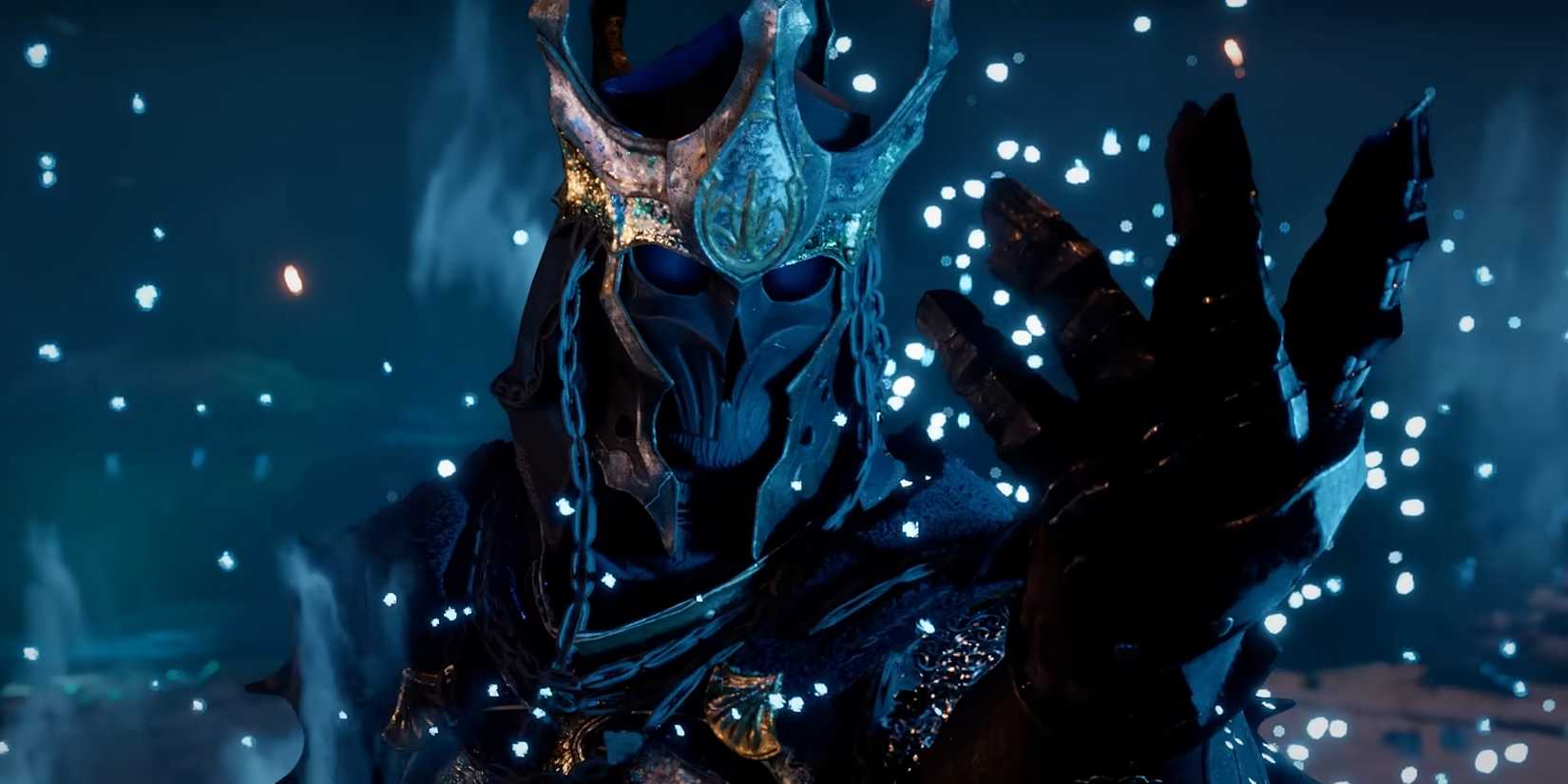
Crimson Desert also has a problem with difficulty scaling. In general, the regular enemies you encounter in the open world are pretty easy to handle. But occasionally, the game throws a nightmare boss at you without warning. And while I’ve never been one to complain about difficulty, skill will only get you so far here.
Too often, the solution to these bosses is just to go out, gather more materials, and upgrade your gear until you’re strong enough to beat them. When it happens, it’s not challenging or satisfying; it’s just a hassle.
A Brilliant Open World
Plus, A Quick Performance Check
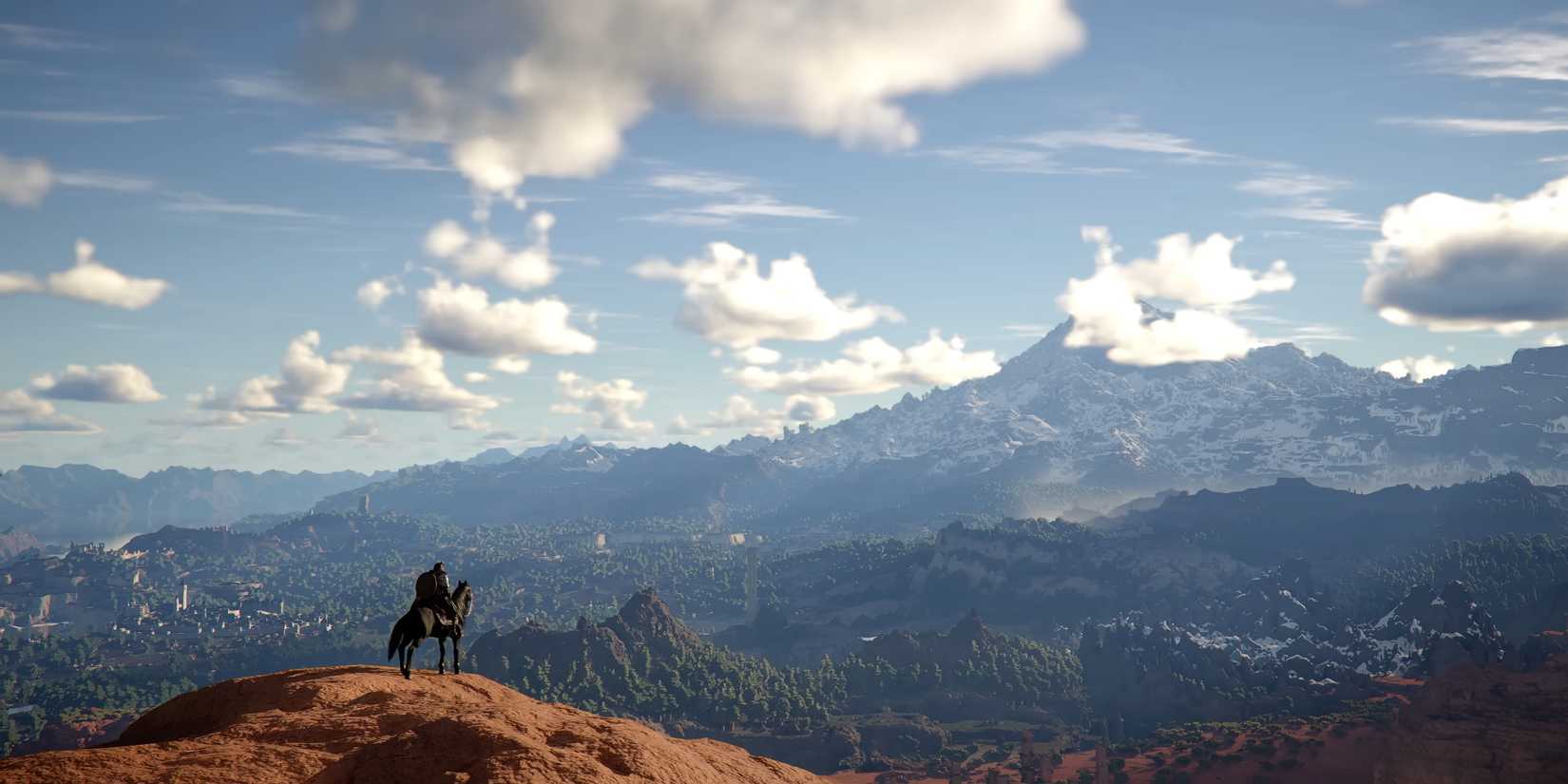
Crimson Desert is at its best when you play slowly, a luxury I didn’t have during the review period. There’s a lot to see and do, and, while I found most of the gathering and crafting uninteresting, there are plenty of unique sidequests and fascinating secrets off the beaten path.
Of particular note are the puzzles. Crimson Desert has a ton, many of which are related to the main questline, and many of which are optional and peppered around the open world, not unlike Breath of the Wild‘s shrine puzzles. I’m not ashamed to say that many of these stumped me, albeit in a good way. The game refuses to hold your hand through these challenges, and forces you to rely on your own patience and powers of observation to solve them.
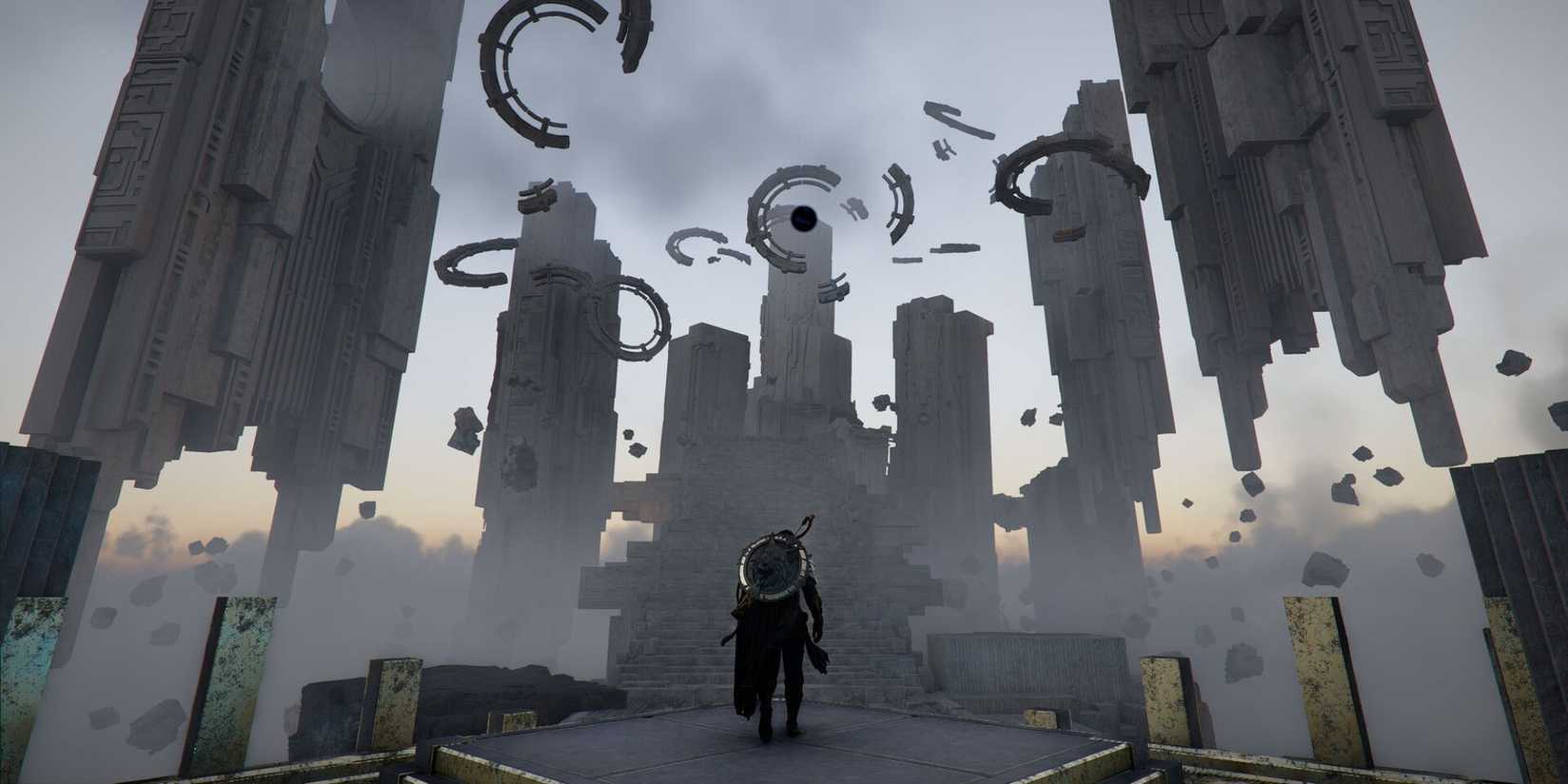
The rewards for exploring thoroughly are usually worth it (most often, you gain items that let you upgrade your skill tree). Even when the material rewards are less enticing, though, you get to take in more of Crimson Desert‘s beautiful world, and maybe discover a new hidden area along the way.
For a game with so many moving parts, Crimson Desert ran almost perfectly at highest settings on my decidedly mid-range PC. The framerate rarely dipped below 60 FPS, and even when it did, it was only for a second or two. I did have some consistent pop-in issues throughout the review period, but it wasn’t too distracting most of the time.
A Blend Of Interesting Ideas That Fails To Gel
So Much To Do, So Little Time

Crimson Desert has some brilliant ideas. It’s undeniably impressive in scope. The map is huge, and there’s so much to explore, but so little beneath the surface. You have to admire its ambition, and there are high points, but there’s also a lot of slogging around and meaningless fetch quests in between them.
Ultimately, Crimson Desert could’ve benefited from a willingness to say no. Sure, it’s cool to have all these different features under one roof, but I’d rather have half as many, and each one twice as deep, interesting, and impactful on the world. Crimson Desert is a beautiful game, and at times a fascinating one, but for all its interesting ideas, it never really meshes into a cohesive whole.

- Released
-
March 19, 2026
- ESRB
-
Mature 17+ / Blood, Drug Reference, Intense Violence, Strong Language
- Developer(s)
-
Pearl Abyss
- Publisher(s)
-
Pearl Abyss
- Number of Players
-
Single-player
- Steam Deck Compatibility
-
Unknown
- Beautiful open world
- Deep, flexible combat system
- Impressive scale and scope
- Most side content is shallow
- Confusing and finicky controls
- Story is very slow to start