

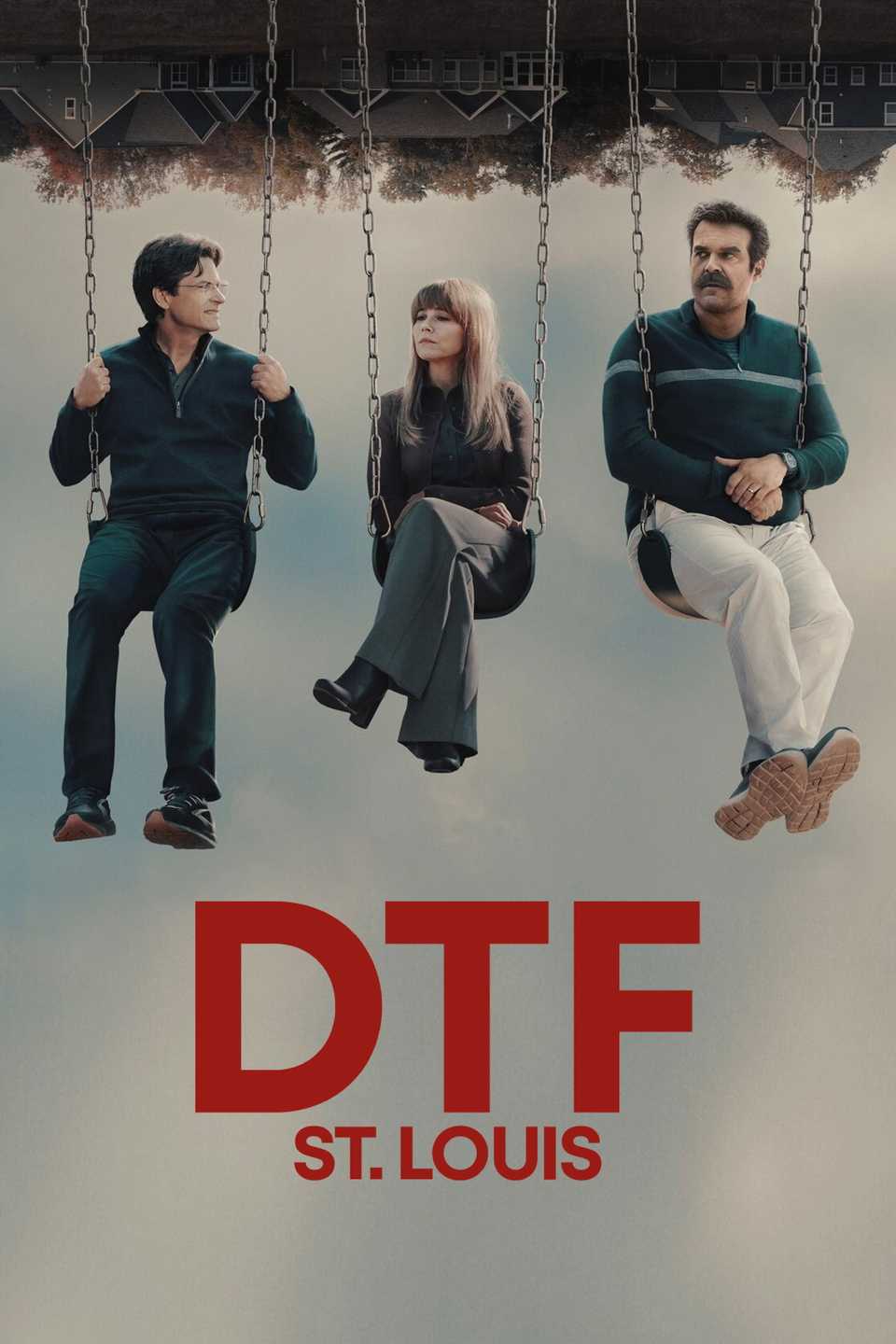
Led by Jason Bateman, David Harbour, and Linda Cardellini, DTF St. Louis dives headfirst into a messy, midlife-fueled love triangle between three adults who feel stuck in lives that no longer excite them. Tired of routine and craving something more, the trio makes a risky decision: they sign up for an app designed specifically for married people looking to have affairs. What starts as a seemingly harmless way to inject some thrill into their stagnant lives quickly spirals into something far more complicated as emotions, secrets, and unexpected consequences begin to surface.
In an interview with ScreenRant‘s Tatiana Hullender ahead of the HBO series’ premiere, the show’s stars explained the real meaning behind the raunchy title.
David Harbour: I think a lot gets revealed later, as you see — they’ve [Floyd and Carol] been married for… How long have they been married? Is it like 10 years or something? … Eight or 10 years. And so, you get to see some backstory about the beginnings of that marriage.
When audiences meet Habour’s Floyd, they see him at a crossroads in his marriage to Carol [Cardellini], as he wonders if love is enough to sustain nearly a decade together, with everything from the dissatisfaction he’s feeling in his own life, to what Carol wears, serving as triggers that ultimately lead him to create a profile on DTF.
David Habour: At the time we meet him, early on, he’s talking about the umpire gear; they’re having problems because she wears this umpire gear around the house, and it really turns him off, and she won’t stop wearing it when she’s gardening and doing other tasks around the house. So, there’s a simple aspect to it as well, but the other thing is, I think Floyd is kind of a sweet guy.
That sweet demeanor creates another complication when Floyd decides he wants to get off the app. Even though he’s clearly uncomfortable with the situation, he doesn’t want to let his friend down. In a strange twist, Floyd feels a surprising sense of loyalty to the man having an affair with his wife, and wants to stick with what they started as a group — a commitment that, tragically, ends up contributing to his demise.
David Harbour: He’s got communication problems, but he also, I think, wants to impress his friend [Clark] and connect with him, because one of the most joyous times I think he has with DTF is when they’re making their profiles, or when Clark is excited about it.
I mean, even later on, when he wants to kind of get off, I think he’s embarrassed, because it was Clark’s idea, and because he doesn’t want to hurt Clark in that way. So I think there are a lot of feelings that are going on in this that are not simply straightforwardly looking for something. And I think that’s the great thing about the series itself: you think it’s going to be DTF St. Louis, and yet we’re going to subvert your genre, and we’re going to tell you about weird, wacky, sort of intimate, secret desires for friendship that may be more powerful, or self-potency that may be more powerful than sex itself.
Everything Else Bateman, Harbour and Cardellini Said About Their Messy DTF Love Triangle
ScreenRant: To start off, I wanted to ask, there’s a lot of duality in your characters, and in your relationships to each other in this deadly love triangle, as it were. So Jason, if you’d like to kick us off, can you kind of break down this friendship with Floyd? You seem very adamant about your friendship with Floyd, but also, obviously, there was an affair going on. Maybe you killed him. We don’t know what’s going on. So what is at the kernel of his relationships with the other two?
Jason Bateman: Well, my character is desperately searching for a more significant connection with someone in his life than he’s able to establish or maintain with his wife. That sort of atrophied into a place of desperation for himself. And so he makes this decision, and that decision, and we get to see the results of his mishandling of those relationships, and this idea of growth is sort of misguided. So fortunately, he doesn’t have the skills to manage that, and we get seven episodes of nonsense.
ScreenRant: Each episode kind of like reveals new layers of this dynamic, but did you each have a big unanswered question for your character going in? Where you’re like, “I really want to find this out,” whether or not the show answers that question.
David Harbour: Yeah, I got a simple one. I wanted to know if my guy was gay. I mean, there’s a lot of stuff — you’ve begun to see things — but there’s a lot of stuff where he’s using this site for male hookups, as Richard Jenkins’ character says, and it’s a much more complicated answer, but it was a simple question going in.
Jason Bateman: Mine’s not too dissimilar from that. I think both of these characters are dealing with some of those questions, and just wondering what sort of label to put on these efforts of connection. And it’s an interesting journey as a viewer, I found, watching the episodes, to see these sweet guys just kind of put it all out there. It’s really interesting how Steve’s crafted that.
ScreenRant: Absolutely. [Linda], did you have a question for Carol?
Linda Cardellini: I had a question about what happened after he passed. When did we end it for real, was sort of my question going in, and how did that thing come to a sputtering halt? We have this affair, that you see happening, and then it turns into this other kind of thing, and then at some point it goes away before the event happens. And that was my question. So, I have my answers.
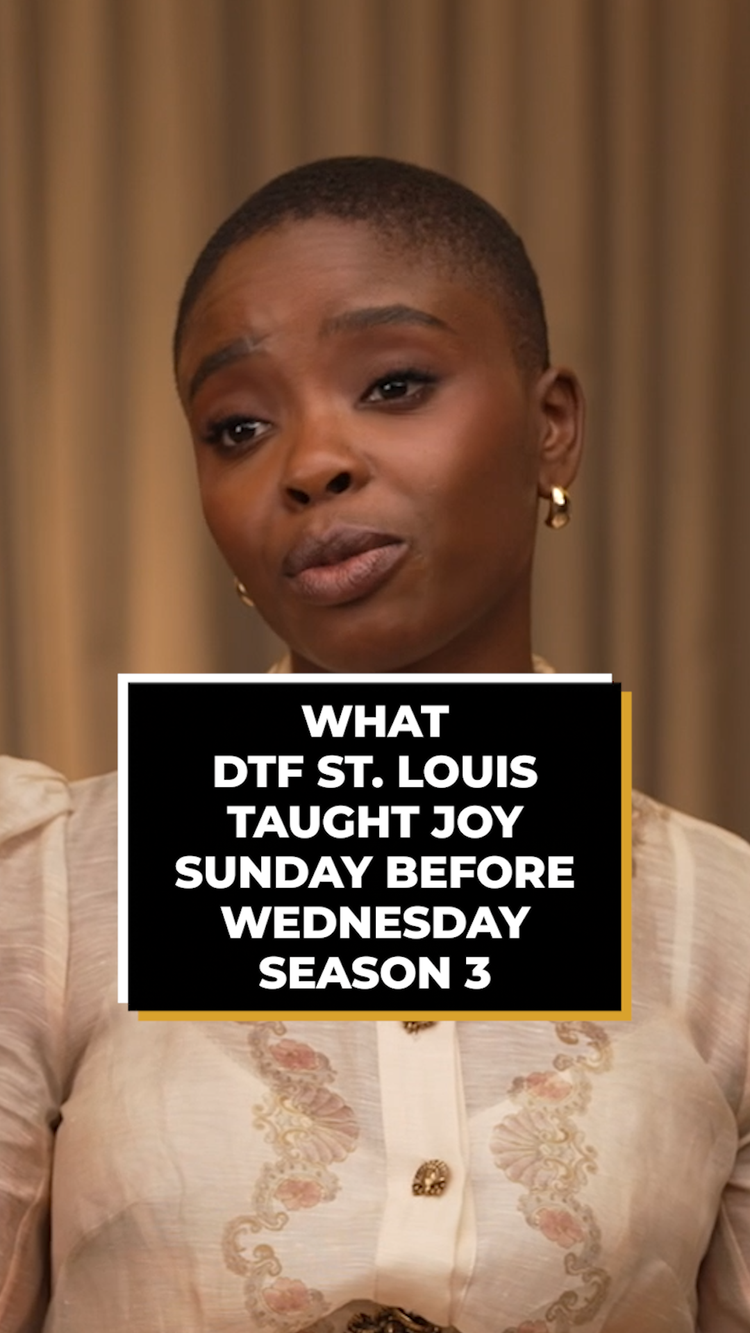
What Joy Sunday Had To Say About Her Role As Jodie
ScreenRant: What stood out to you most about your character when you read the script?
Joy Sunday: I really just fell in love with Steve’s universe, and I love dry humor. I mean, one of my favorite comedy shows is King of the Hill, and I think this was just the dark version of it, where you see people living out and being themselves in their private lives. And it was so special and heartfelt the way he approached it. For my character specifically, it was interesting because on paper and on screen, she seems like someone who would have a very blunt assumption of everyone around her, but she doesn’t at all. And I think that just demonstrates Steve’s expansive perception of everyone and the space he allows people to be human.
ScreenRant: Steve actually said that in casting you kind of opened up the character for him, because he was originally considering [someone] older. What do you feel you brought to it once you were there, or how did she evolve from when you first read her to when you were actually playing Jodie?
Joy Sunday: I mean, gosh, I think once I knew I had it, I just felt so privileged to have his trust. And I think because of that, I just fell really deep into it. I did a lot of character work on the back end because, obviously, I don’t get to see her at home, but it was important for me to map out the pieces of information she had and how she felt about it, because I felt those were informing her emotional beats. Well, firstly, thank you, Steve, that’s coo, but again, the rhythm of his work and his words is just so beautiful and so human. And also, even just as you see it in the show, he really dwells in the silences. You couldn’t guess, as an actor, that the director’s going to stay with you on that, but he does for everyone across the board. And I think that kind of shows in the work — especially for me. So I think she kind of has three different versions: the script version, the set version, and then the screen version. And I think there are different versions throughout for her, but I’m really happy with where she arrives.
ScreenRant: Of course, Jodie’s role is to question everyone, to get at the truth, but did you have an unanswered question or something you were most interested to learn about her going into the series — whether or not it was answered by the end?
Joy Sunday: For sure. I really was interested in her past life — who she was before we met her. Especially since she’s such a blank slate in terms of expression, or what she says, I wanted to know what she was feeling about everyone, why she has this very generous view of everyone around her, and how that is then packed into somebody who dresses so modestly, and is such a laid-back person. She was just a privilege to kind of unfold, and to then be a vehicle for kind of understanding everybody else. I just wanted to be intimately familiar with her.
ScreenRant: I also loved you on Wednesday, which is also a mystery show in its own way. This is a much more grounded one, obviously. Do you feel like you took anything from Wednesday to DTF or vice versa?
Joy Sunday: There’s definitely both ways. I think Wednesday prepped me to work alongside such legends like Richard, Jason, and Linda. I think DTF completely changed the course of my life — not to be dramatic — but it was just such a beautiful production to be a part of, from top to bottom. Every single person on that set respected, admired, and appreciated what everyone was bringing to it. And I think it kind of just reinvigorated me as an actor, as a performer, as an artist, and just brought so much hope back into my life, in a way. And yeah, as we’re shooting season three, I’m definitely carrying that in my heart.
Check out more of our DTF St. Louis coverage here:
New episodes of DTF St. Louis air Sundays at 9 p.m. EST on HBO.
- Release Date
-
March 1, 2026
- Network
-
HBO
- Showrunner
-
Steve Conrad