

Shot in black-and-white and draped in unsettling ambient noise, Eraserhead follows mild-mannered Henry Spencer as he goes to his girlfriend Mary X’s house, meets her parents, finds out she’s pregnant, and gets roped into raising their mutant offspring by himself in a tiny one-room apartment. It was an appropriately bizarre story to kick off Lynch’s filmmaking career, and it remains a confounding masterpiece.
David Lynch’s Filmmaking Style Arrived Fully-Formed In Eraserhead
Lynch has a filmmaking style like no other, and he didn’t need any time to hone it — his directorial voice arrived fully formed. The deeply disturbing dinner scene established Lynch’s penchant for putting a terrifying twist on mundane, relatable situations. Everyone can relate to the awkwardness of meeting their partner’s parents for the first time, but it doesn’t always involve a roast chicken spewing black sludge.
Henry Spencer was the template for every deadpan everyman Lynch protagonist from Jeffrey Beaumont to Fred Madison — he’s a blank slate for the audience to project their own insecurities on. Eraserhead made it clear, right from the outset, that Lynch was cinema’s answer to Franz Kafka, using strange allegories to push resonant social themes through a lens of weirdo horror.
Lynch’s movies have all looked at the dark side of Americana (except for The Straight Story, which is an uncharacteristically hopeful celebration of it), and that began with Eraserhead. Before the opening shot of Blue Velvet took us under a pristine lawn to show all the gnarly creatures festering beneath that glossy suburban facade, Eraserhead depicted the ugliness of the industrialization of small-town America.
As Henry walks to Mary X’s house with posies to offer his love, he has to step over mounds of dirt left behind by careless construction crews. The monolithic buildings tower over Henry, who’s framed to look as small as an ant, and when he gets to Mary’s doorstep, their sweet nothings are drowned out by the roar of nearby traffic.
Martin Scorsese didn’t make a movie that really felt like a Martin Scorsese movie until Mean Streets. Stanley Kubrick didn’t make a movie that really felt like a Stanley Kubrick movie until The Killing. But Lynch is in a rare class of filmmakers, along with Spike Lee and Jean-Luc Godard and the Coen brothers, who announced themselves to the world with their very first film.
Eraserhead Became Legendary On The Midnight Movie Circuit
Eraserhead is a cornerstone of cult cinema, and a trailblazer in the indie horror scene. In 1977, the same year that George Lucas transported audiences to a galaxy far, far away, Eraserhead arrived to very little fanfare. It was being seen by small audiences at a handful of theaters, generating next to no interest. But then, someone had the brilliant idea to screen it on the midnight movie circuit.
After it started being screened for late-night audiences in underground theaters, Eraserhead was finally appreciated by the right crowd and enjoyed a lengthy run to rival that of Lucas’ little space opera that could. These audiences recognized the genius of Lynch’s oddball creation, and propelled Eraserhead to become the beloved cult classic it is today.
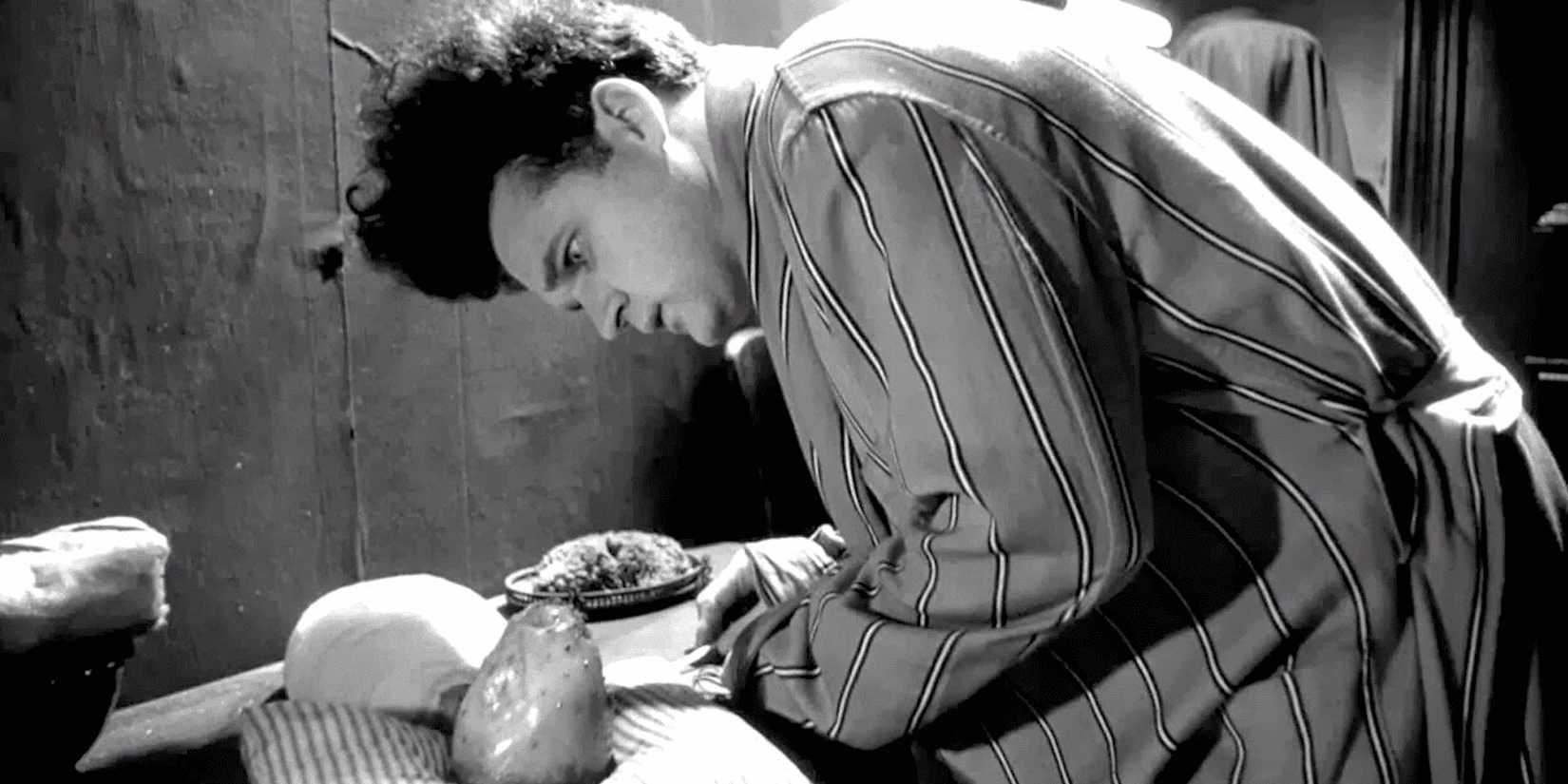
Lynch famously refused to explain the meaning of his films, or even confirm or deny people’s fan theories. He wanted everyone who watched his movies to have a different experience, and come away with a different reading. Some people watch Mulholland Drive and see a biting satire of the cutthroat entertainment industry; some others watch Mulholland Drive and see a load of pretentious nonsense.
The most common reading of Eraserhead is that it’s about the anxieties of fatherhood. Henry is unexpectedly put in the position of raising a child, and all the worst-case scenarios of becoming a parent are translated into unnerving horror imagery. The fear that the inherent paternal protectiveness won’t kick in is symbolized by a monstrous baby that’s impossible to love.
The fear that the kid will turn out just like you is symbolized by the baby’s bulbous head literally replacing Henry’s on his body. The fear that you won’t know what to do when emergency strikes is symbolized by the baby’s sudden, unexplained illness. The fear that your partner will leave you to raise the kid alone is symbolized by, well, Mary leaving Henry to raise the kid alone.
If you watch Eraserhead as a twisted metaphor for the fears of fatherhood, it makes perfect sense. But Lynch never subscribed to that interpretation of the film, so it’s possible that he intended a different meaning entirely. After all this time, there are still mysteries in Eraserhead that remain unexplained.
Almost 50 Years Later, Eraserhead Is Still One Of The Creepiest Movies Ever Made
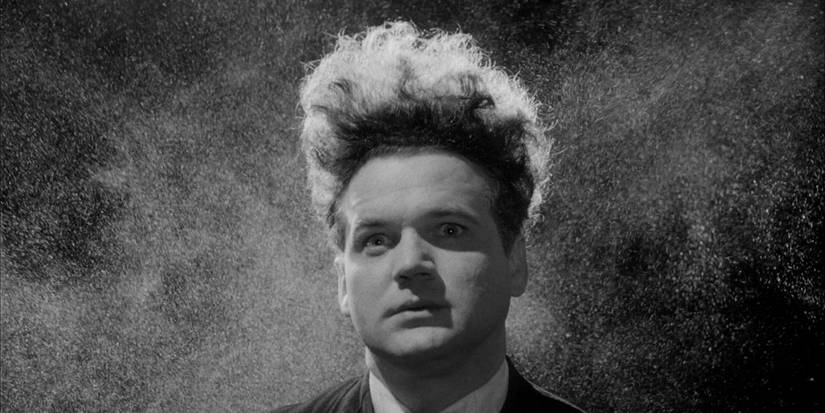
Nearly 50 years after it arrived as the ultimate midnight movie, Eraserhead is still one of the creepiest films you’ll ever see. A lot of old horror movies don’t pass muster today, but Eraserhead is still as unsettling as it ever was. First-time viewers today will lose just as much sleep as midnight audiences in 1977.
The biggest technical revolution in Eraserhead was its sound design. Lynch and sound designer Alan Splet came up with a simple but fiercely effective way to keep their audience on edge for 90 minutes: ambient noise. They filled the soundtrack with ambient noise, so even when Henry is just walking to the elevator or chatting to his neighbor, there’s a creepy atmosphere preventing you from getting any respite or relaxation.
It’s been a little over a year since Lynch passed away, and we lost one of the most distinctive visionaries in film history, but he left behind a flawless body of work. Eraserhead is essentially a proof-of-concept for Lynch’s entire career, establishing all the themes and ideas and signature visual language that he would later explore in Blue Velvet and Twin Peaks and Inland Empire.