

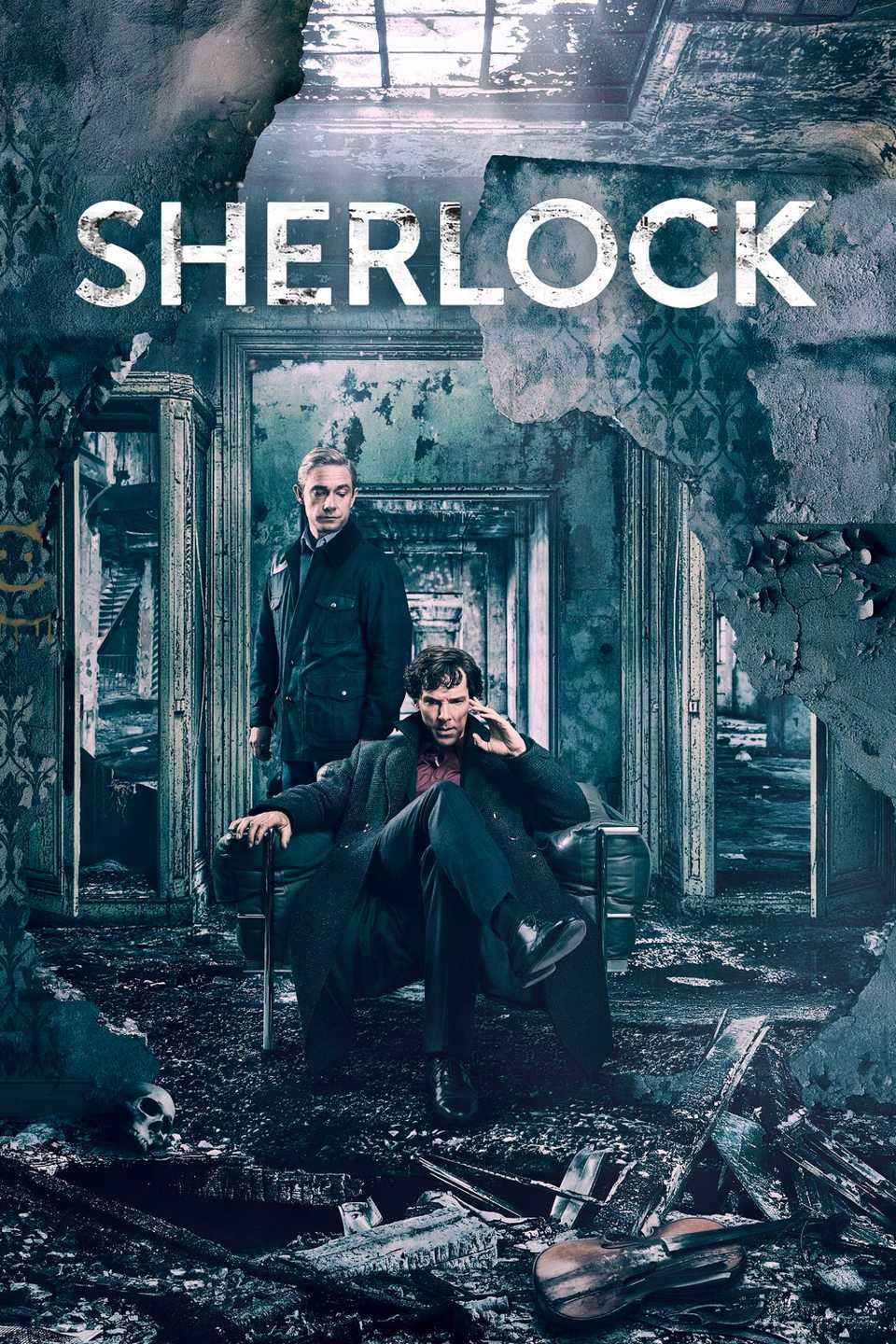
Created by Mark Gatiss and Steven Moffat, Sherlock brought the Great Detective, his cases, and his accompanying characters to modern-day London, with Holmes using modern technology, his cases addressing modern social issues, and more. Despite its disappointing final two seasons, Sherlock was a huge hit, and it’s regarded as one of the best modern adaptations of the character.
Sherlock not only contributed to the detective genre and to the very long list of Sherlock Holmes adaptations, but it also made history in one huge but often underrated or ignored way: it changed fandom culture forever.
Sherlock Quickly Built A Huge Fandom
Sherlock premiered on BBC One in July 2020, and it was a critical success, with praise for its concept, performances, and visual style. Sherlock was also a huge success with general audiences, quickly building a huge fandom that was very dedicated to the show and active across different social media platforms.
The fandom of the BBC’s Sherlock adopted the name of “Sherlockians.”
Sherlock’s modern setting was a huge draw for the audience, as it was a fresh spin on a famous character often seen in his canonically accurate Victorian setting. Thanks to this, Sherlock was relevant to modern audiences, while also keeping the key elements of the classic character and his stories, thus also appealing to fans of Sir Arthur Conan Doyle’s stories.
Sherlock’s cinematic quality elevated the show, making every episode feel like an event and thus drawing more attention from the audience, along with the creative way in which it portrayed Holmes’ quick and incredible thought process. The latter made him relatable (as much as possible) and accessible, allowing the audience to connect with him.
Watson’s personal struggles also made him quite relatable, and the dynamic between Watson and Holmes helped the audience become emotionally invested in the show. The result was a passionate, smart, and creative fandom that used different ways to communicate with each other and share their love for the show, and its presence was such that it changed fandom culture.
How Sherlock Redefined Fandom Culture
As mentioned above, the Sherlock fandom had a strong presence on social media, particularly on Tumblr. There, fans of the show shared their theories, fan art, fan fiction, gifs, and more, interacting with each other in different ways to exchange ideas, collaborate, and share their passion for the show in every way they could.
The Sherlock fandom was quick to campaign for the show, with movements like “I believe in Sherlock Holmes” (which was a direct result of Holmes’ fake death in the season 2 finale “The Reichenbach Fall”), and the “I Am Sherlocked” movement, which originated from Irene Adler’s (Lara Pulver) cellphone password as revealed in “A Scandal in Belgravia.”
“I Am Sherlocked” was a huge phenomenon, inspiring not only thousands of pieces of fan art and fan fiction, but also becoming a phrase that symbolized the fandom’s strong dedication and passion for the show. The Sherlock fandom lived the show on social media, both in real time (with very fun live-blogging on Tumblr) and after every episode, with many fans running to Tumblr and more to share their thoughts on each episode right after they aired.
The Sherlock fandom, then, fully seized social media and the community that this allows them to build, and showed other fandoms how they could potentialize their reach and impact.
The Johnlock Fandom Conspiracy Explained
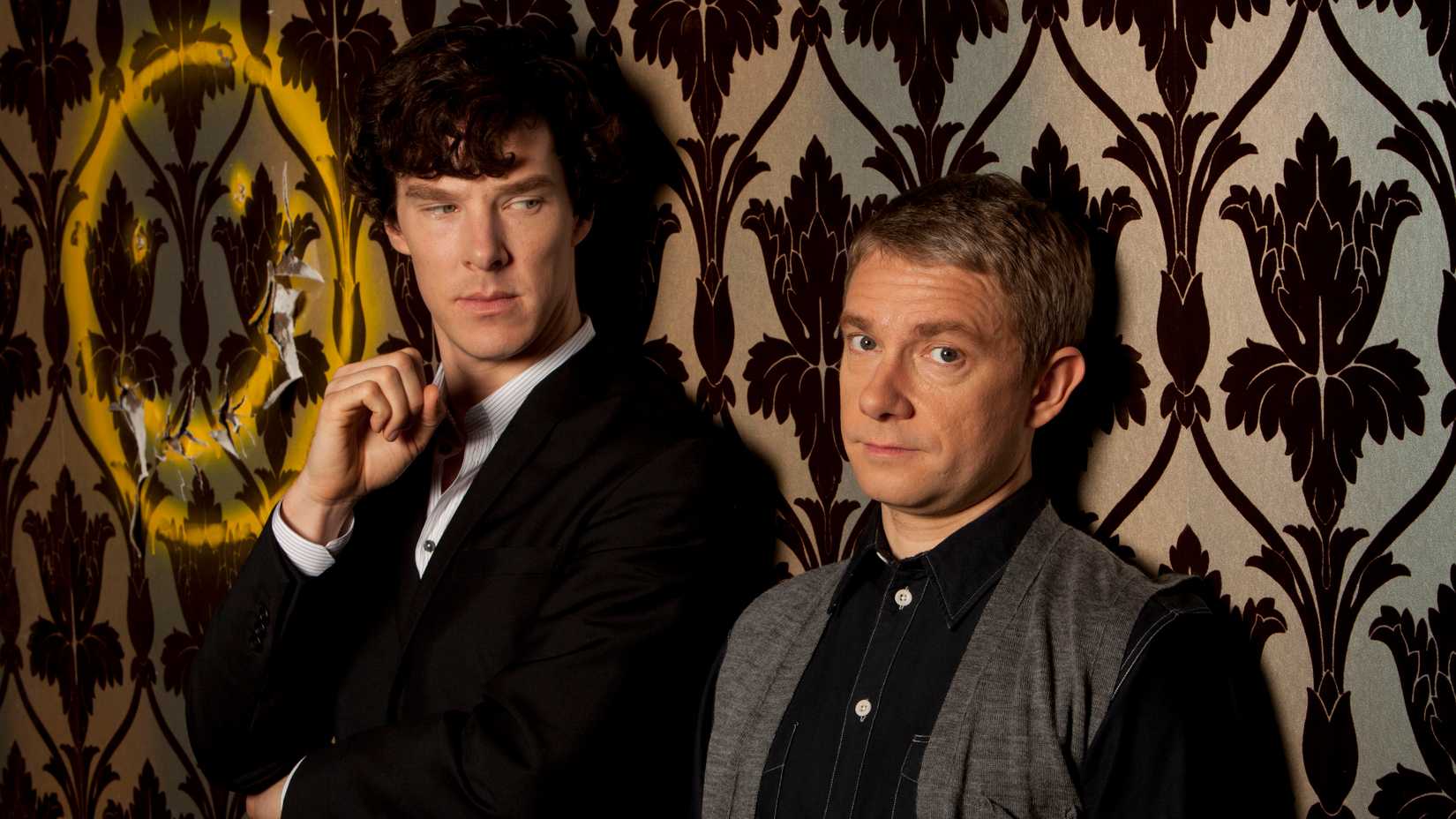
Another notable contribution of the Sherlock fandom is “Johnlock”, which was more than the “ship” of Sherlock and Watson. Fans often expressed their desire to see Sherlock and Watson in a romantic relationship, and there are countless fan art pieces and fan fiction about this specific ship. Despite Moffat himself shutting down the possibility of Johnlock, the fandom never lost hope.
Sherlock fans often shared evidence of Johnlock’s existence, pointing out moments like other characters assuming Sherlock and Watson were together and Sherlock not being supportive of Watson going on a date (even inviting himself to said date). The addition of Mary Morstan (Amanda Abbington) in season 3 wasn’t well-received by Johnlock believers, who went as far as to send threats.
Many Sherlock fans ended up accusing Gatiss and Moffat of “queerbaiting” and created the “Johnlock Conspiracy Theory”, through which they tried to explain how the writers of Sherlock always intended to make Johnlock canon but had to lie to keep the surprise, and this theory also led to the belief that there was a secret fourth episode of Sherlock season 4.
Sherlock’s Fandom Created A Worldwide Creative Experience
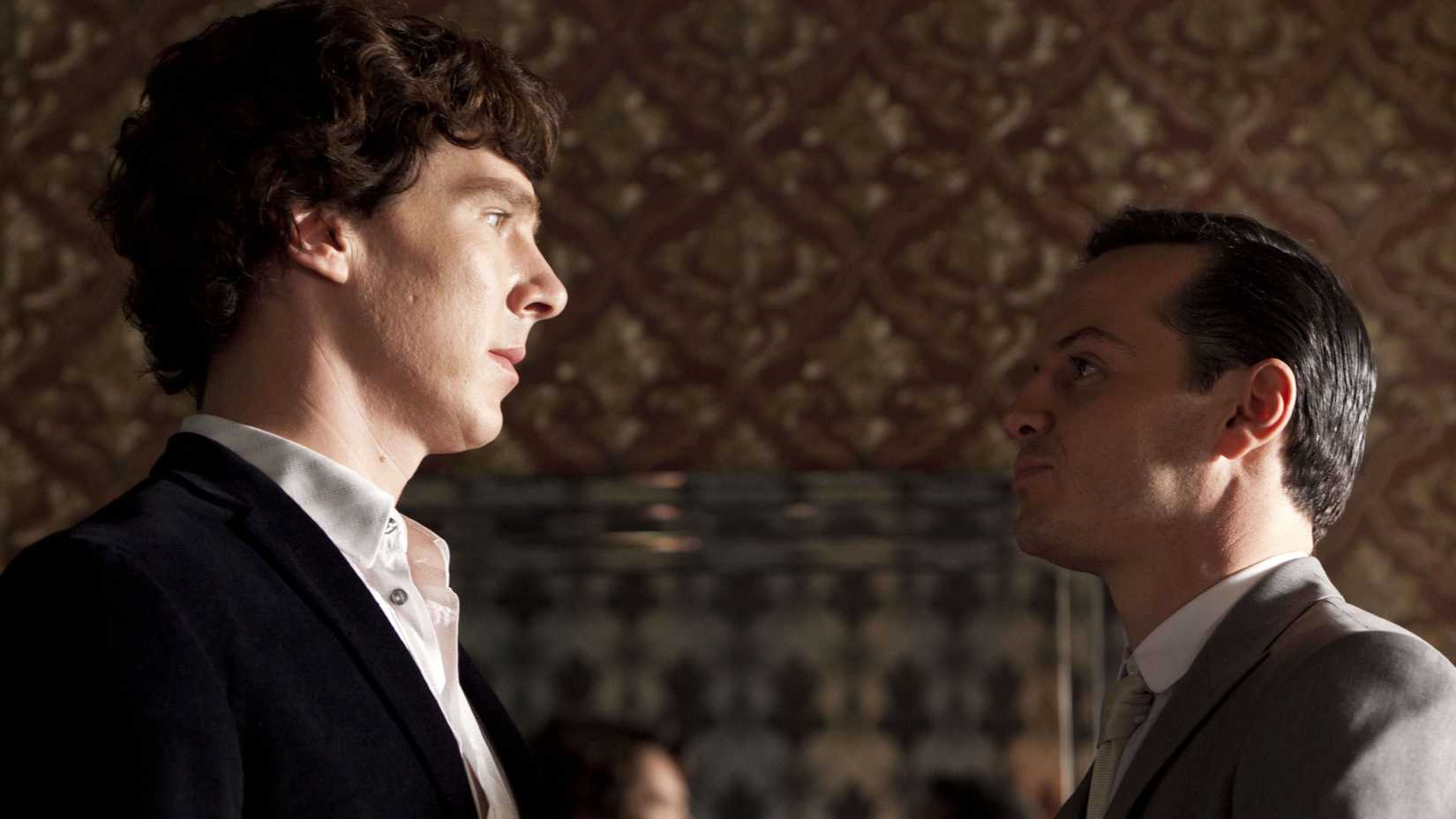
The Sherlock fandom is more than a passionate group of fans united by their love for the show, as it created a worldwide community and creative experience. The presence of the Sherlock fandom on social media was huge, particularly on Tumblr, which allowed fans to come together in real time and share their theories, art, opinions, and more.
This brought together fans from all over the world, creating an inclusive, worldwide community with a shared passion. Nowadays, a strong social media presence and a worldwide community are what all fandoms have, but they have a lot to thank the Sherlock fandom for.
Sherlock Was Directly Impacted By Its Fandom
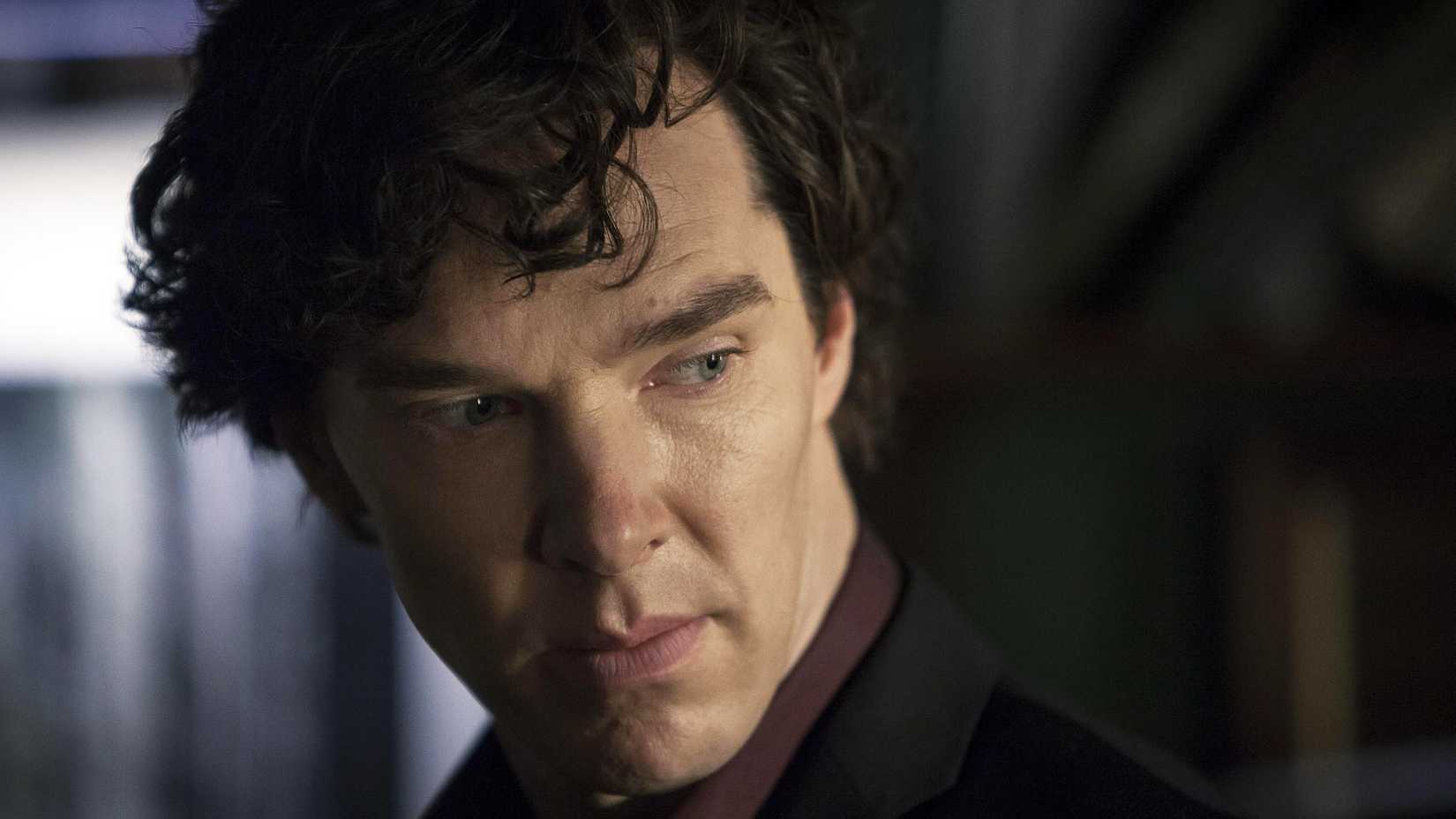
One of the biggest achievements and most controversial passages in Sherlock’s history is how it directly impacted the show. Sherlock season 2’s finale, “The Reichenbach Fall”, saw Moriarty’s death so Sherlock would have no other choice but to kill himself, too. However, at the end of the episode, it’s revealed that Sherlock faked his death – and now the big question was how.
The Sherlock fandom was quick to analyze every detail in Sherlock’s fall from the roof of St. Bart’s hospital and come up with a variety of (honestly very creative and impressive) theories. Moffat, Gatiss, and company took note of everything the fandom had speculated about how Sherlock faked his death and incorporated it into the show.
Unfortunately, the way they did so was the worst one, as instead of being a nod to their passionate fandom, they ended up making fun of it. Sherlock not only made fun of fan theories but fans themselves, and, ultimately, never revealed exactly how Sherlock faked his death.
The Sherlock fandom had its ups and downs, its bright side and its dark moments, but its impact and influence on fandom culture is undeniable, as well as how it changed this culture and was key in shaping it into what it now is.
- Release Date
-
2010 – 2017-00-00
- Showrunner
-
Steven Moffat
- Directors
-
Steven Moffat