

99 times out of 100, the sequel doesn’t come close to matching the greatness of the original. There are, of course, a few examples of sequels that surpassed their predecessor — The Godfather Part II, The Empire Strikes Back, and The Good, the Bad, and the Ugly, to name just a couple — but they’re the exceptions, not the rule.
It’s especially tricky to pull off a sequel to an action movie. A movie like The Godfather has plenty of dramatic depth to build on, but the story and characters of an action film usually aren’t all that fleshed-out to begin with. Sci-fi movies like Back to the Future can expand their lore in a sequel, and horror movies like Alien can ramp up the threat of the monster the second time around.
But action movies tend to have archetypal characters and formulaic plots. So, when it comes time to build on that story in a sequel, there’s nowhere to go except to just repeat the formula all over again. And yet, when Richard Donner made Lethal Weapon 2, he made it look easy to follow up an action movie masterpiece with an even stronger sequel.
Lethal Weapon 2 Is Even Better Than The First
The first Lethal Weapon movie is the gold standard for the “buddy cop” genre. It wasn’t the first buddy cop movie, but it did become the benchmark against which all subsequent buddy cop movies would be judged. The film introduced the world to Roger Murtaugh, a grizzled veteran detective on the brink of retirement played by Danny Glover, and Martin Riggs, a mentally unstable young renegade cop played by Mel Gibson.
The emotional crux of the first film was the burgeoning friendship between Riggs and Murtaugh. When they’re first partnered up, they can’t stand each other. But by the end of the movie, they’re the best of friends, and Murtaugh has invited the lonely, widowed Riggs into his family. The conflict was resolved, so where do you go from there in a sequel?
Well, you simply follow Riggs and Murtaugh on their next adventure. In Lethal Weapon 2, Riggs and Murtaugh are assigned to protect federal witness Leo Getz, played by Joe Pesci, and run afoul of a gang of South African smugglers. Riggs and Murtaugh no longer had any personal issues with each other, but there’s still plenty of conflict in the sequel, from a legally untouchable bad guy to an irritating new sidekick.
While the original Lethal Weapon is undoubtedly a masterpiece, Lethal Weapon 2 is arguably an even stronger movie. It gets off to a more exciting start, mid-car chase, and it maintains that pace and that level of action spectacle for the rest of the film. There are some emotional gut-punches along the way that significantly raise the stakes, and it culminates in a thrilling climactic set-piece.
Lethal Weapon 2’s Action Is Bigger & Bolder Than The First Movie
There are some really great action scenes in that first Lethal Weapon movie: Riggs drowns a man with a pool cover, there’s a shootout at a Christmas tree lot, a suburban house explodes. But, with twice the budget of the first one, Donner was able to make the action bigger and bolder and crazier in the sequel.
There’s a scene where Riggs pushes an assassin out of a hotel window and they plummet into the pool down below. There’s a scene where Murtaugh takes out a couple of home invaders with his contractor’s nail gun. There’s a scene where Murtaugh’s toilet is rigged with a bomb and he has to dive into the bathtub while a chunk of his house is blown to smithereens.
The bad guy lives in a lavish manor, propped up on stilts on the side of a mountain. When Riggs goes after revenge, he hooks the stilts up to his truck and puts his foot on the gas until the stilts come out and the house careens down the mountain. It’s one of the greatest action beats ever put on film.
Riggs & Murtaugh’s Bond Is Even Stronger In The Sequel
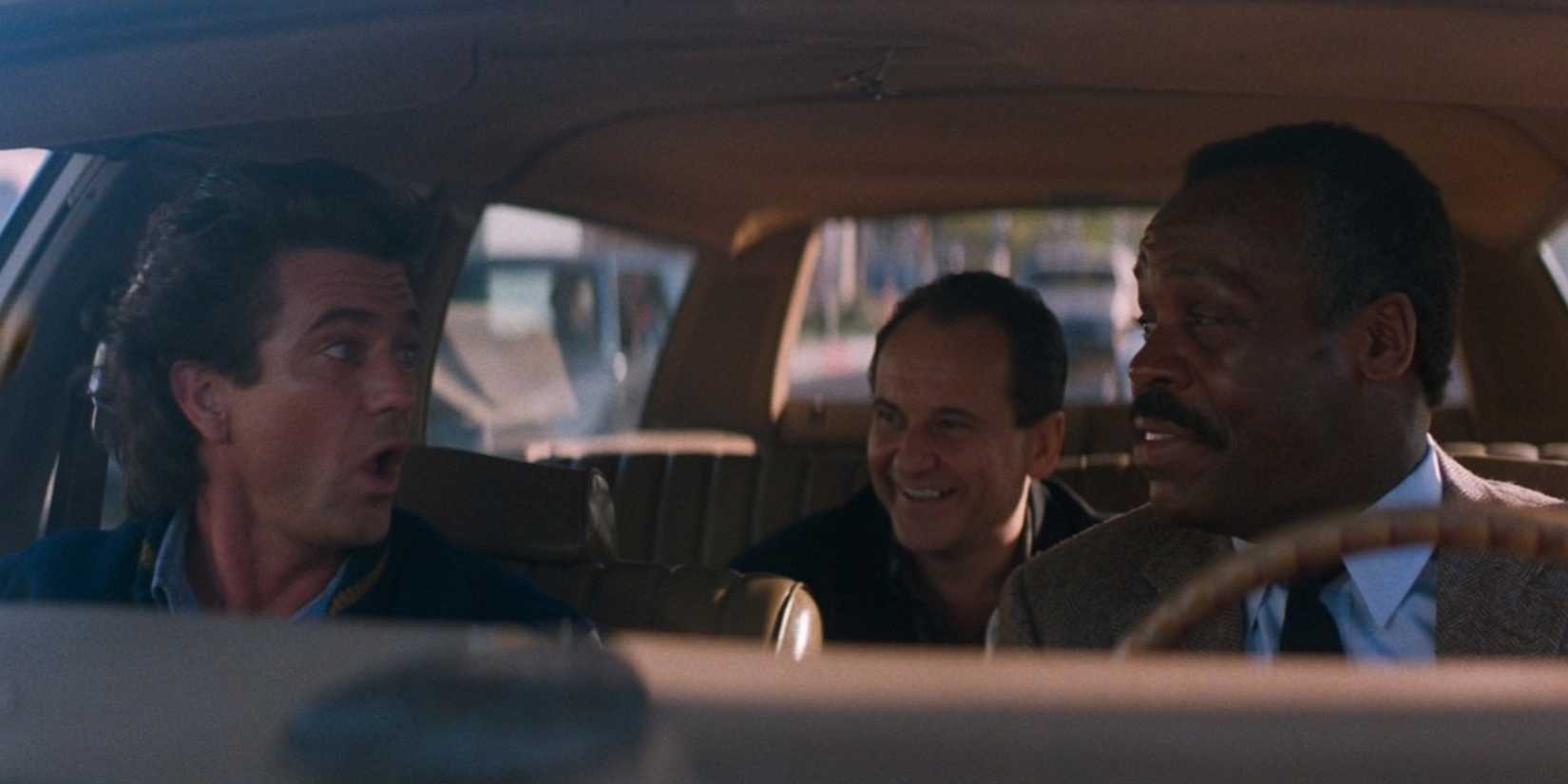
Glover and Gibson proved to be an on-screen pairing for the ages when they first played Riggs and Murtaugh in Lethal Weapon. But the characters’ bond (and the actors’ bond) is even stronger in the sequel. They’re more comfortable sharing the screen together, their comic timing is perfectly in tune, and they give each other the space to be vulnerable and dig deep.
At the start of Lethal Weapon, Riggs and Murtaugh could barely get along. But by the end of it, Riggs had practically become an honorary member of the Murtaugh family, and that continued into the sequel. Riggs spends most of his free time in the Murtaugh household, and he and Roger have the kind of shorthand that only best friends share.
In Lethal Weapon 2, Riggs and Murtaugh trust each other more than anyone. In the first film, Roger was determined to do everything by the book and follow the law. But in the second one, when the bad guys deal Riggs a personal tragedy and he goes after revenge, Murtaugh is right there at his side, defying their captain’s orders in the name of justice.
Diplomatic Immunity Is A Great Conceit For A Villain
The villain in the first Lethal Weapon movie, played brilliantly by Gary Busey, is every bit the Special Forces badass that Riggs himself is: unhinged, always up for a fight, and classified as a lethal weapon. Mr. Joshua was a great villain, and his final fight with Riggs is the perfect climax for that movie. But the sequel has an even better conceit for its villain.
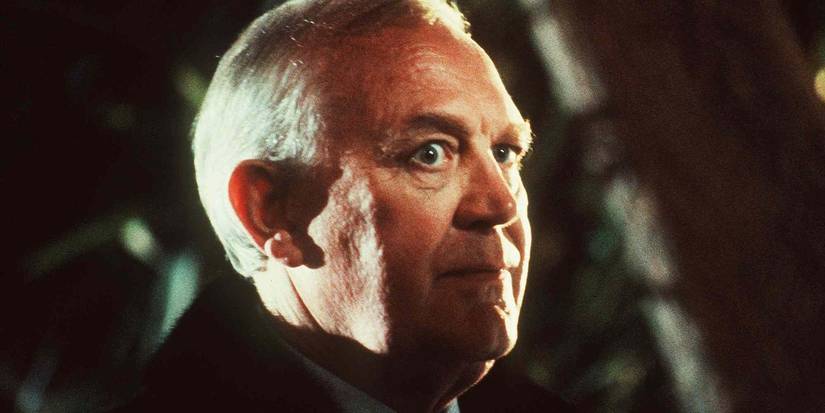
The main antagonist in Lethal Weapon 2 is consul-general Arjen Rudd, who uses his diplomatic immunity as a cover for the most notorious drug-smuggling operation in Los Angeles. Legally, Riggs and Murtaugh can’t do anything to stop Rudd, so they have to get creative and work outside the law.