Known as the Republic of Gilead, this nightmarish near-future is dominated by a patriarchal theocracy that treats women as second-class citizens. Many of these characters, including the narrator Offred, are “Handmaids,” a term used for women whose bodies are used to produce heirs for Gilead’s ruling class against their will.
The Handmaid’s Tale Is Based On A Powerful Dystopian Novel
Within this story, Atwood uses Offred’s life in Gilead as a vector to discuss female empowerment, the separation of church and state, and entrenched patriarchy. Beginning in 2017, Hulu adapted The Handmaid’s Tale into a TV series starring Elisabeth Moss as Offred. With supporting stars including Ann Dowd and Alexis Bledel, The Handmaid’s Tale was a massive success.
The series ran for seven seasons until 2025, although a sequel spinoff was announced before the original show’s series finale. Based on Atwood’s own sequel novel, The Testaments, from 2019, this follow-up will continue the dystopian story of the series with a new set of main characters.
What Critics Thought Of The Handmaid’s Tale
Critical approval of season 1 of The Handmaid’s Tale was near-universal, with critics noting the show’s brutal intensity, its perennially relevant themes, and its strong central performances. Numerous reviewers noted that the show was almost unbearably tense, something that changed as later seasons of The Handmaid’s Tale were released.
In particular, The Handmaid’s Tale season 2 was criticized for taking the emotional and physical violence meted out on its main characters too far. Numerous critics for The Atlantic and The Cut questioned the show’s handling of violence against women, debating whether the series took its depictions too far and became gratuitous.
Season 3’s reviews were kinder, with most critics arguing that the show righted its path and provided a less intensely downbeat path for its main characters. However, seasons 4 and 5 were still both criticized for dragging out Atwood’s story and substituting grim atmosphere for plot progress.
Fortunately, most critics agreed that The Handmaid’s Tale season 6 managed to right the show’s course one last time. The triumphant ending of the series proved that, although the show needed to end its titular tale or risk outstaying its welcome, the ending that the creators chose was a fitting sendoff for its heroines.
The Handmaid’s Tale Will Never Not Be Relevant
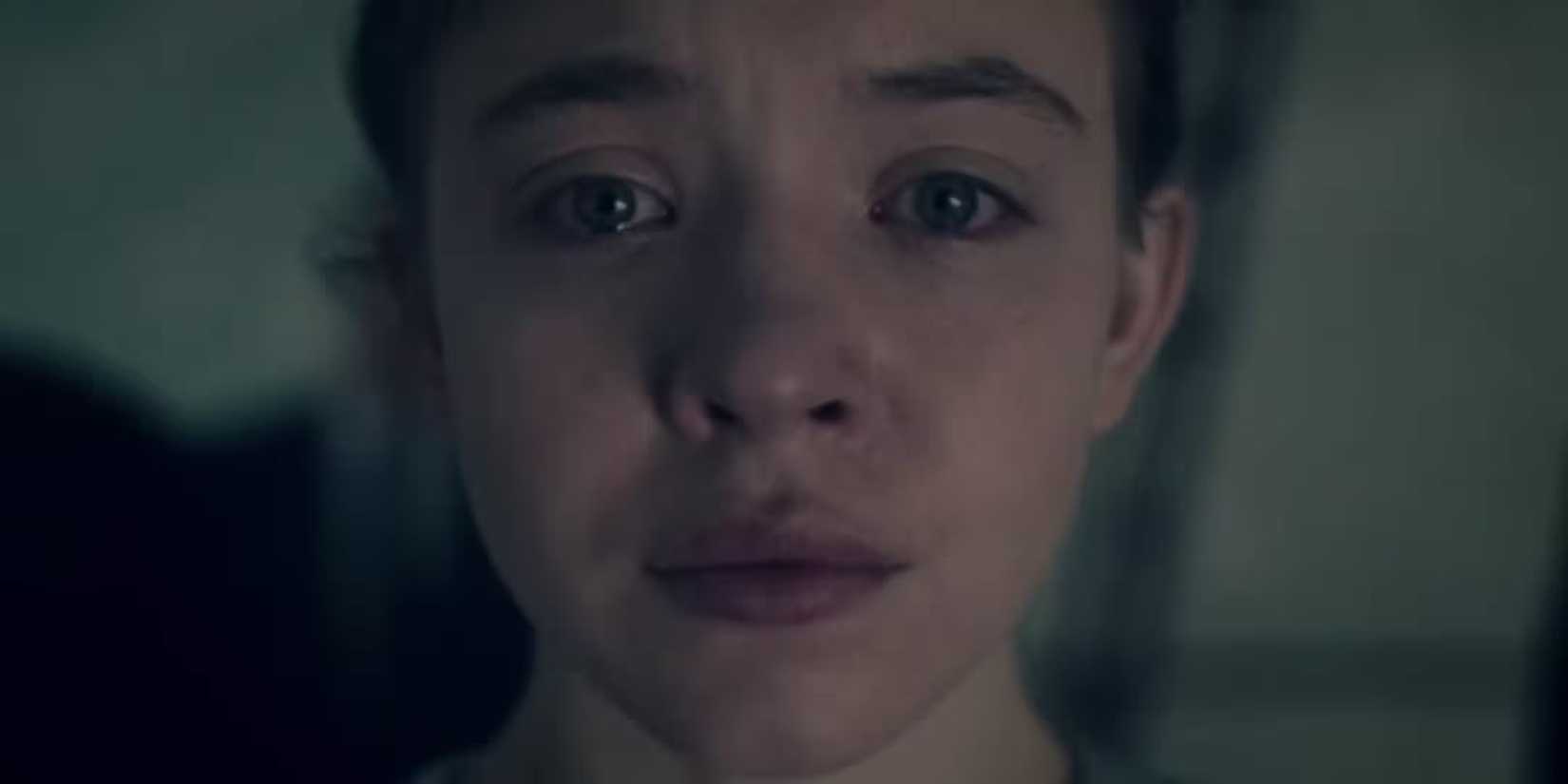
As women’s access to reproductive rights is stripped back across America and more openly authoritarian policies are adopted by the nation’s right-wing government at home and abroad, the story of The Handmaid’s Tale has only grown more relevant in the years since the series began. As such, the show remains vital viewing nine years later.
While Atwood’s novel may have been published in the 1980s, the increasing use of lethal force by US law enforcement entities against unarmed civilians proves that its story is far from fiction. Hulu’s The Handmaid’s Tale is a timely reminder that not all dystopias are far-fetched, as many elements of the show’s story are already an everyday reality for US citizens.
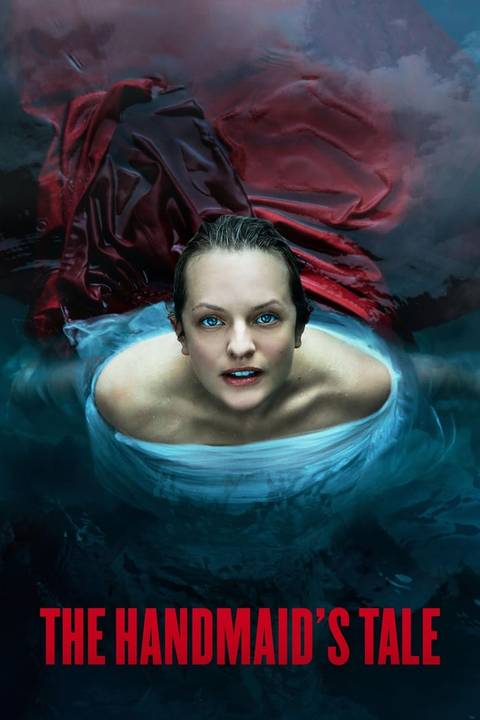
- Release Date
-
2017 – 2025-00-00
- Network
-
Hulu
- Showrunner
-
Bruce Miller
- Directors
-
Mike Barker, Kari Skogland, Daina Reid, Reed Morano, Floria Sigismondi, Jeremy Podeswa, Kate Dennis, Richard Shepard, Amma Asante, Christina Choe, Deniz Gamze Ergüven, Bradley Whitford, Dearbhla Walsh, Liz Garbus
- Writers
-
Kira Snyder, Eric Tuchman, Yahlin Chang, John Herrera, Jacey Heldrich, Dorothy Fortenberry, Marissa Jo Cerar, Lynn Renee Maxcy
-
 Elisabeth Moss
June Osborne / Offred / Ofjoseph
-