

Arguably, the pilot episode of The Office was the worst in the entire series, and twenty years later, it still is.
Compared To What The Office Became, Episode 1 Was A Poor Start
When NBC debuted the US version of The Office in 2005, the pilot struggled to find an audience, and it’s easy to see why in hindsight. The episode was essentially a shot-for-shot remake of Ricky Gervais and Stephen Merchant’s UK pilot, with American office culture and characters barely adjusted to fit a different audience.
The dialogue, awkward pauses, and even some gags mirrored the U.K. version of The Office so closely that it offered little sense of novelty. Gervais’s cringe-inducing, deadpan humor, relied on a British sensibility that embraced subtle discomfort and bleakness. American viewers, at the time, were less accustomed to comedy that felt so painfully real.
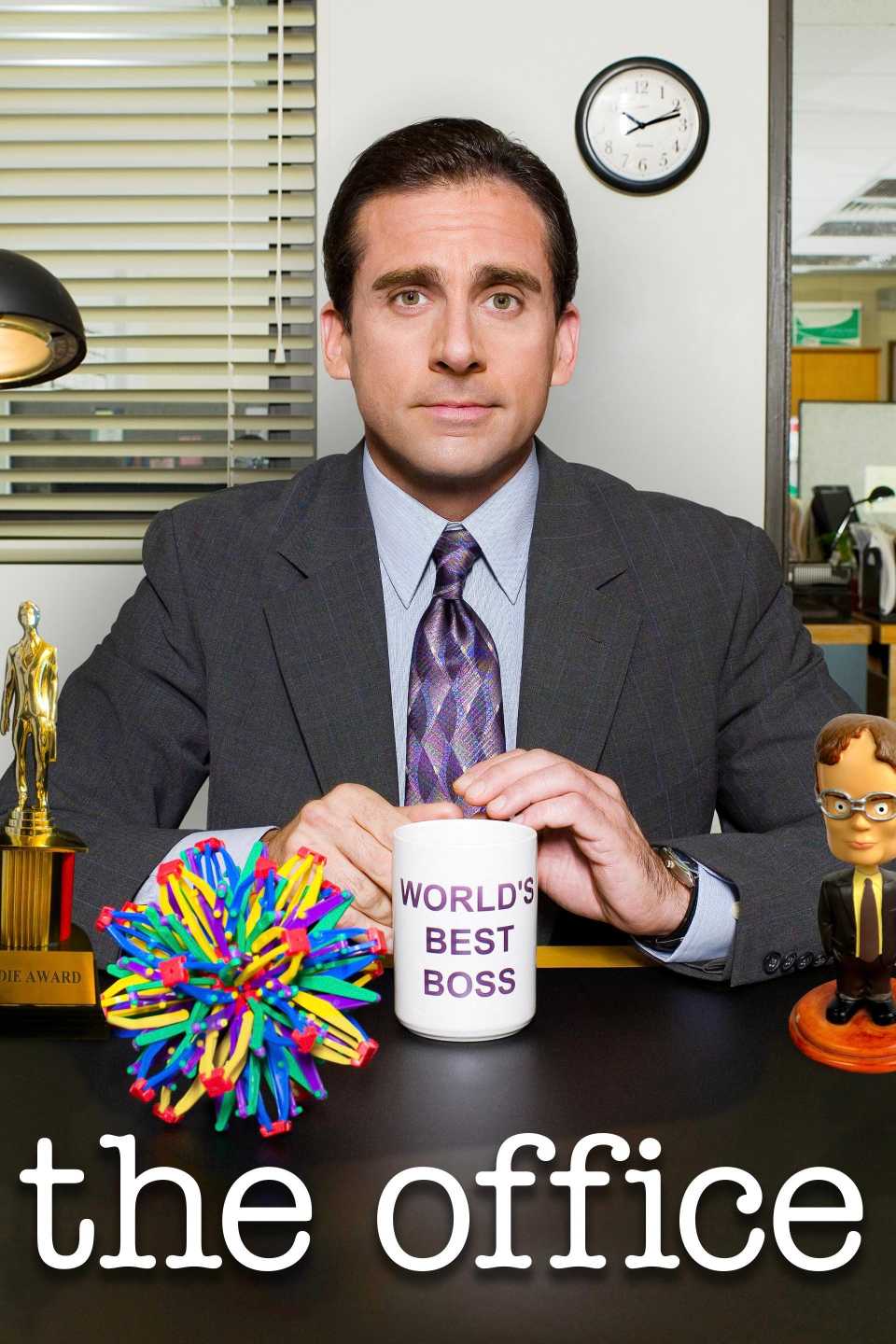
Steve Carell’s Michael Scott only reinforced the problem. He was essentially a copy of David Brent, and the awkwardness that was meant to be funny often came across as harsh or unlikable. Michael hadn’t yet evolved into the goofy-but-sympathetic character who would define the show’s identity, and as a result, his behavior sometimes made audiences squirm rather than laugh.
The pacing also contributed to the pilot’s lukewarm reception. The episode leaned heavily on slow, subtle beats of social awkwardness that, while intentional, clashed with what American viewers expected from a sitcom: snappier dialogue, clear punchlines, and overall more energetic. Instead, the pilot’s quiet discomfort felt flat for many people watching at the time.
In short, the US pilot was a bad start because it hadn’t yet been reimagined for a different cultural context. Without a compelling new take or a distinctly American perspective, the pilot felt like a copy without a purpose. It took a while before NBC’s The Office became the beloved show that, today, seems like an inevitable juggernaut.
The Office Struggled To Find Its Identity Throughout Season 1
While the NBC pilot was the most identical to its British counterpart, which makes sense, given it was co-written by Ricky Gervais and Stephen Merchant, the entirety of season 1’s six-episode run stayed very close to the UK version. Many comedies take time to figure out how best to write for their cast.
Parks and Recreation season 1 is a perfect example of this, with its third season feeling almost like a different show than its first. But The Office wasn’t just evolving in season 1, it was still imitating.
The Office (U.K.) was critically acclaimed but remained a niche, distinctly British hit. Instead of reimagining the concept, NBC and the creative team, led by Greg Daniels, largely reverse-engineered what had already worked. Daniels has even described the early approach as translating the series rather than reinventing it.
That instinct held the show back. Tone doesn’t translate as easily as a plot, and the UK version’s quiet bleakness, social discomfort, and subtle misery didn’t align with American audiences expectations. By sticking so closely to the original, the US version inherited that tone without adjusting it to a different comedic sensibility that typically favors more likable characters and clearer punchlines.
By sticking so closely to the original scripts and rhythms, the US version inherited that tone without adjusting it to a different comedic sensibility that typically favors more likable characters and clearer punchlines. The best American adaptations of British TV shows have their own take on the material.
|
The Office: American vs British First Seasons |
|
|---|---|
|
Episode Number & Name |
Episode Description |
|
American/NBC |
|
|
1 “Pilot” |
Dunder Mifflin manager Michael Scott tries to stay upbeat when a documentary crew arrives amid downsizing rumors. |
|
2 “Diversity Day” |
Michael flouts a mandated diversity training and makes the office suffer through his stereotype-riddled alternative. |
|
3 “Health Care” |
When Dwight tries to gut the company health plan, Jim thwarts his efforts by inventing creative preexisting conditions. |
|
4 “The Alliance” |
An uneasy Dwight wants to protect his job from downsizing by forming an alliance; Michael attempts to raise morale. |
|
5 “Basketball” |
Facing a basketball game against the warehouse employees, Michael raises the stakes and bets on his handpicked team. |
|
6 “Hot Girl” |
Michael bends his policy against vendors in the workplace when an attractive woman shows up to sell handbags. |
|
British/BBC |
|
|
1 “Downsize” |
Brent learns the branch is under threat of closure but promises he will not allow redundancies. |
|
2 “Work Experience” |
On Donna’s first day at the office, a dirty picture of the boss circulates. |
|
3 “The Quiz” |
Brent and Finchy take on Tim and Ricky at the annual quiz night. |
|
4 “Training” |
The intrusion of a management consultant turns the day into a total waste of time. |
|
5 “New Girl” |
David hires a new secretary; David and Donna have a drunken night out at a nightclub. |
|
6 “Judgement” |
David learns his Slough branch is to be merged with another. |
There was also a broader network issue at play. NBC was still chasing accessible, ratings-friendly hits in the mold of Friends, and a low-energy, cringe-heavy mockumentary didn’t naturally fit that lineup. The show needed to be inviting, and early on, it simply wasn’t.
What ultimately made The Office work was the warmth it developed later: Jim and Pam’s relationship, a sense of workplace family, and even Michael Scott’s underlying need to be liked. That emotional core is largely absent in Season 1. It wasn’t until The Office was allowed to develop its own style that it began to flourish.
Rewatching The Office Season 1, It Hasn’t Got Better With Time
Some shows are ahead of their time and get better with age. Season 1 of The Office, however, feels less like it was ahead of its time and more like it was simply in the wrong place.
It’s been 21 years, but the episode hasn’t improved with age. If anything, revisiting it now only highlights how far the show had yet to go.
Knowing what The Office would eventually become makes those early episodes feel even more off. The warmth, charm, and character-driven humor that define later seasons are largely absent, replaced by a tone that feels colder and more uncomfortable than funny.
A big part of that comes down to how Steve Carell is used. At the time, Carell was still on the verge of breaking out, coming off a supporting role in Anchorman and just months away from his star-making turn in The 40-Year-Old Virgin. That film showcased how effectively he could balance awkward comedy with genuine sweetness and vulnerability.
Season 1 of The Office barely taps into that. Instead, Michael Scott leans too heavily into discomfort, without enough of the humanity that would later make him lovable. And while six episodes might not seem like much, it still feels like a stretch to revisit.
The Office is one of the most endlessly rewatchable sitcoms ever made, but season 1 stands apart as qualitatively worse. Rather than serving as a foundation worth returning to, it plays more like a rough draft. For a show that would go on to define a generation of comedy, its first season remains the one part that’s most skippable.
How The Office Survived A Troubled Debut Season To Become Great
It’s almost surprising The Office wasn’t canceled after its freshman season. What saved it was a mix of timing, business reality, and a crucial creative pivot.
Season 1 DVDs rentals, along with early availability on iTunes, gave the show a second life. Instead of watching week-to-week, audiences could binge all six episodes at once, discovering the humor on their own terms. That helped cultivate a small but passionate fanbase, enough to signal that the show had potential, even if ratings didn’t fully reflect it yet.
NBC was in a transitional period after Friends ended in 2004 and was still searching for its next defining comedy. The Office was relatively inexpensive to produce and, most importantly, fixable. Canceling it outright would have meant starting over, while renewing it for a second season was a low-risk bet on something that might click with a few adjustments.
Then came the turning point: Steve Carell. His breakout success in The 40-Year-Old Virgin that same year suddenly gave NBC a bankable star at the center of the series. That alone increased the show’s value and gave executives a strong incentive to retool the character of Michael Scott around Carell’s ability to balance cringe comedy with genuine warmth.
Behind the scenes, Greg Daniels and the writers made the most important change of all: they stopped strictly following the UK blueprint. Season 2 of The Office changed a lot, softening Michael, investing in Jim and Pam’s relationship, and building a more inviting ensemble dynamic. The show becomes less about discomfort and more about connection.
Without that shift, a second season wouldn’t have mattered. But with it, The Office didn’t just survive, it became one of the most beloved sitcoms of all time.
- Release Date
-
2005 – 2013-00-00
- Showrunner
-
Greg Daniels
- Directors
-
Greg Daniels, Paul Lieberstein, Paul Feig, Randall Einhorn, Ken Kwapis