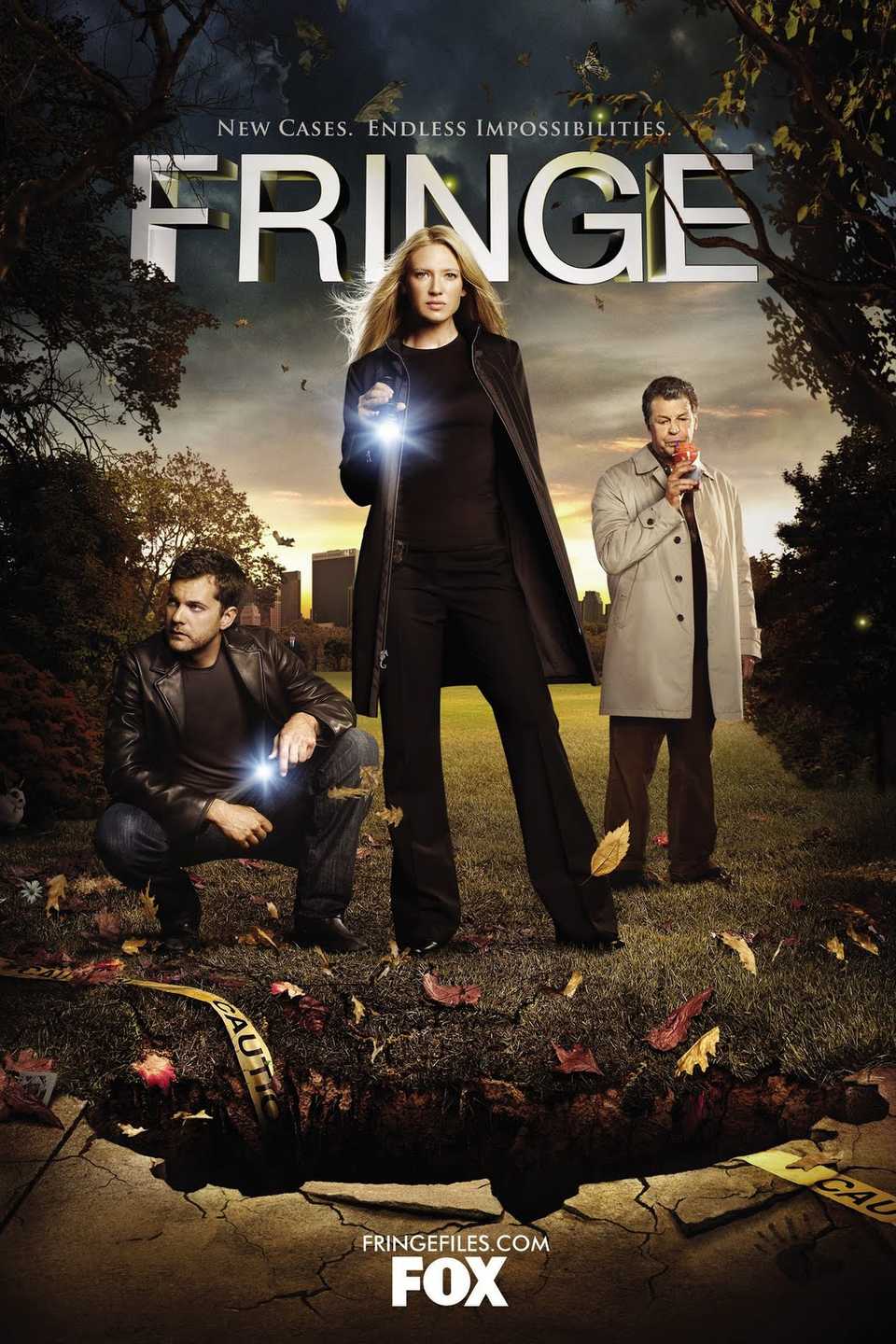
Co-created by Abrams alongside Alex Kurtzman and Roberto Orci, Fringe aired for five seasons on Fox from 2008 to 2013. The hidden sci-fi gem blended procedural storytelling with dense mythology, following a government task force investigating impossible scientific phenomena. It mixed parallel universes, fringe science, and emotional character arcs into a tightly constructed narrative.
As great as it was, Fringe never ruled pop culture the way Lost did. There were no weekly watercooler theories on the same scale, and ratings rarely exploded. However, time has been kind to Fringe. Its reputation has grown steadily, fueled by streaming discovery and critical reassessment. Lost was a television phenomenon, but Fringe stands as Abrams’ greatest small-screen achievement.
Fringe Handled Its Big Mysteries Better Than Lost
Fringe Delivered Answers Without Sacrificing Suspense Or Momentum
Both Fringe and Lost were powered by mystery. In each show, cryptic symbols, unexplained phenomena, and reality-bending twists kept viewers speculating week after week. Cliffhangers weren’t just stylistic choices; they were structural pillars. The difference came in how each managed the tension between intrigue and payoff.
Lost often treated mystery as a hook to keep viewers engaged. New questions constantly replaced old ones. The island’s mythology expanded outward, introducing concepts that sometimes felt disconnected from earlier setups. While that approach sustained buzz, it also created frustration. Answers frequently felt delayed or incomplete, leaving some viewers unsatisfied.
Fringe, on the other hand, took a more disciplined route. The cases-of-the-week in Fringe tied directly into the larger mythology, creating forward momentum rather than narrative sprawl. Each revelation felt earned and purposeful. The writers layered long-term mysteries carefully, ensuring major twists recontextualized earlier events instead of complicating them unnecessarily.
What’s more, the characters in Fringe helped ground the mysteries driving the wider narrative. Olivia Dunham (Anna Torv), Peter Bishop (Joshua Jackson), and Walter Bishop (John Noble) weren’t just puzzle-solvers; they were emotionally intertwined with the phenomena. Their personal stakes gave every revelation weight, turning exposition into character development.
Lost created unforgettable questions, but they led to frustrating answers far too often. Fringe, on the other hand, created satisfying journeys to equally satisfying revelations.
Fringe’s Ending Was More Satisfying Than Lost’s Finale
Fringe Concluded Its Story With Emotional Closure And Narrative Clarity
Endings define the legacy of any TV show, and few finales were more debated than Lost. After six seasons of buildup, expectations were immense. The finale of Lost prioritized spiritual closure and character reunions, but many mythology threads remained vague. For some viewers, emotional resolution came at the expense of concrete answers.
Ambiguity was a key part of the tone of Lost, but most viewers hoped that seasons full of it would lead to some kind of cathartic dose of clarity. Years of theorizing led fans to expect firm explanations. Instead, the metaphysical framing left parts of the audience feeling disconnected from the sci-fi foundations that drew them in.
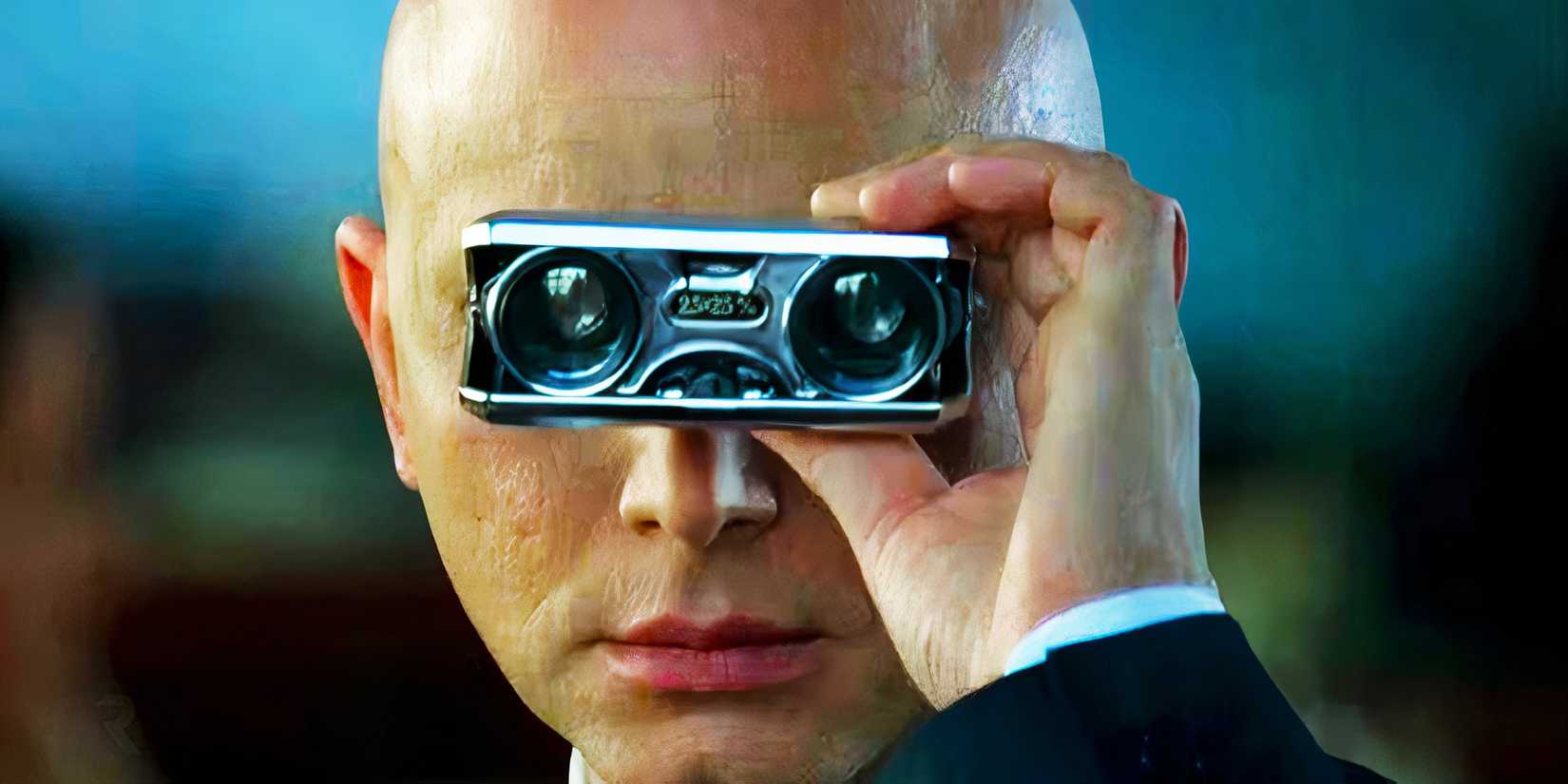
Fringe faced similar pressure entering its final season. The show pivoted into a dystopian future ruled by Observers, raising the stakes while narrowing the focus. However, rather than expanding the mythology further and ending on a giant question mark, the final episodes of Fringe concentrated on core relationships and a defined endgame.
Walter Bishop became the emotional center. His journey toward redemption powered the final arc of Fringe, turning high-concept science fiction into deeply personal storytelling. The father-son bond with Peter shaped every major decision.
The finale of Fringe, “An Enemy of Fate,” balanced spectacle with intimacy. It delivered clear stakes, a coherent resolution, and a sacrifice that felt both tragic and meaningful. Threads introduced seasons earlier paid off in ways that felt deliberate.
Compare this to Lost’s ending, which focused on Jack but created more questions than it answered, and the contrast is impossible to ignore. Where the ending of Lost created debate and yet more mystery, Fringe opted for closure and finality. This has made all the difference when it comes to the legacy of both shows.
Fringe’s Quality Was Consistent Across All Seasons (Unlike Lost)
Fringe Maintained Creative Focus While Lost Struggled With Narrative Drift
Sustaining quality across multiple seasons is one of the hardest challenges for any long-running TV show. Lost delivered some of the most electrifying episodes of the 2000s, especially in its early years. However, as the mythology surrounding the island and the survivors of Oceanic Flight 815 expanded, the cohesion of the wider narrative weakened. The story’s scope grew faster than its structure, leading to uneven pacing and tonal shifts.
The middle seasons of Lost in particular felt frequently caught between character drama and sprawling lore. Flashbacks that once deepened emotional investment occasionally became repetitive. New mysteries stacked on top of unresolved ones, creating narrative weight that slowed momentum. There were many individual episodes that still shined, but season-wide consistency became harder to maintain.
Fringe avoided that creative turbulence by designing each season with a clear purpose. Its evolution felt mapped rather than improvised. The first season established its procedural foundation. The second deepened the conspiracy. The third committed fully to the parallel-universe war, sharpening stakes and identity.
That’s not to say the show became formulaic, either. Later seasons of Fringe didn’t retreat from bold swings. A timeline reset recontextualized relationships without undermining prior events. The final season’s dystopian resistance arc pushed the story forward while steering it toward a defined conclusion. Structural shifts felt like progression, not course correction.
Slick and, most importantly when compared to Lost, consistent character writing anchored the ambition. Olivia Dunham evolved from disciplined agent to emotionally layered hero without abrupt reversals. Peter Bishop matured from skeptic to committed partner and father. Walter Bishop carried the show’s emotional core throughout, blending absurdist humor with profound tragedy.
Because Fringe’s character arcs were planned alongside the sci-fi elements of the narrative, emotional continuity never fractured. Big sci-fi concepts enhanced personal stakes rather than replacing them. Even standalone cases reinforced themes of loss, identity, and consequence.
Across five seasons, Fringe stayed confident, cohesive, and purposeful. Where Lost sometimes felt like it was searching for direction, Fringe always knew exactly where it was going.
- Release Date
-
2008 – 2013-00-00
- Showrunner
-
Jeff Pinkner
- Directors
-
Jeff Pinkner