

Arcane, arguably the greatest video game adaptation ever made, is an original story set in the League of Legends universe. A Minecraft Movie, one of the highest-grossing films ever made, is a fish-out-of-water comedy planting real people in the Minecraft world. But when it comes to a story-driven game like The Last of Us or, indeed, God of War, the narrative is the selling point.
What makes these games so great is their rich, novelistic storytelling and emotionally resonant character development, so they’re basically an interactive version of a prestige TV drama as is. When they actually become a prestige TV drama, that storytelling needs to survive the trip. Prime Video’s God of War show is currently in production, and I hope they’ve scheduled in these iconic game moments.
Kratos Unwittingly Kills His Family
Amazon’s God of War series is primarily focusing on the Norse era, so we probably won’t see much material from the Greek-era games. But the Greek-era stories laid all the groundwork for Kratos’ arc in the Norse-era games, so the TV show will have to include some flashbacks to the earlier epoch.
The most important scene to include would be Kratos’ origin story. Kratos is a quintessential tragic figure, and the TV show needs to show the tragedy that started it all. As a mercenary for Ares, Kratos was sent to slaughter a village containing his wife and child, a fact he only realized after he’d killed them. This scene is crucial to understanding Kratos.
Kratos’ father-son dynamic with Atreus is a great dramatic throughline in the Norse-era games, and it’ll make for a great dramatic throughline in the TV series. But the series will lose a lot of the games’ emotional depth if it doesn’t go back and show what happened the last time Kratos tried to raise a family.
“I Am Your Monster No Longer”
The emotional catharsis at the end of 2018’s God of War gave us one of the greatest lines in gaming history. Kratos’ rebuttal is set up perfectly as he’s being haunted by the spirit of the Greek goddess Athena, telling him that no matter how hard he tries to convince himself he’s a father or a teacher or a husband, he can never change his true nature.
She tells him, “You cannot change — you will always be a monster.” Kratos says, “I know,” with a heavy heart, knowing deep down that she’s right, “but I am your monster no longer.” He knows he’s a monster, and he knows he can’t change that, but he can stop being a monster-for-hire and turn his back on the malicious gods that manipulate his powers for evil.
These lines are perfectly written — the buildup, the payoff, the rhythm, the emotional beats — so, much like all the best lines from The Last of Us games, they should be left intact in the TV adaptation. Ryan Hurst will have to replicate Christopher Judge’s pained delivery of “I know.” Judge brought so much weight and nuance to those two words.
Kratos Kills Baldur
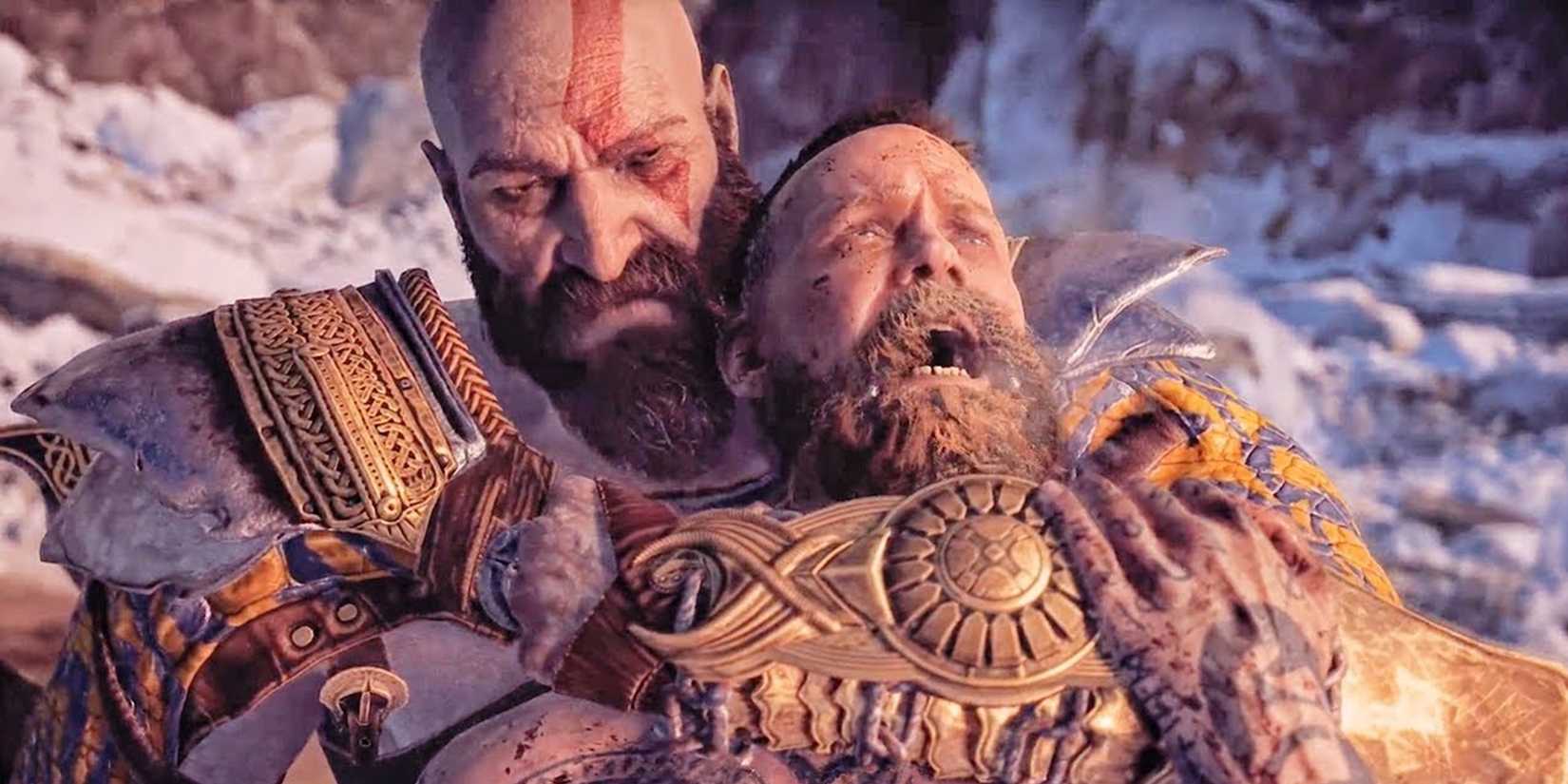
There are a lot of great boss battles and showdowns that would make for a thrilling action set-piece if they were adapted for the live-action series. But one of the most important boss fights to include, from a story perspective, is when Kratos kills Baldur. It’s an act of heroism to protect Freya, but it ends up having dire consequences.
If the TV show includes the scene where Kratos kills Baldur, then it needs to copy his badass one-liner word-for-word. Kratos lifts Baldur off his feet and tells him, “The cycle ends here. We must be better than this,” before snapping his neck like it’s nothing. It’s a cold line for a kill, but it also highlights the deeper themes at play in Kratos’ character arc.
This scene goes to show just how strong Kratos is — he’s an unstoppable force of nature — but it also sets the stage for Ragnarök. According to the prophecy, the death of Baldur is what kickstarts Ragnarök, so Kratos’ latest kill has some wild, far-reaching ramifications. It also sets up Freya to take a villainous turn, going from an ally to a powerful enemy in the following game.
The Truth About Atreus’ Mother
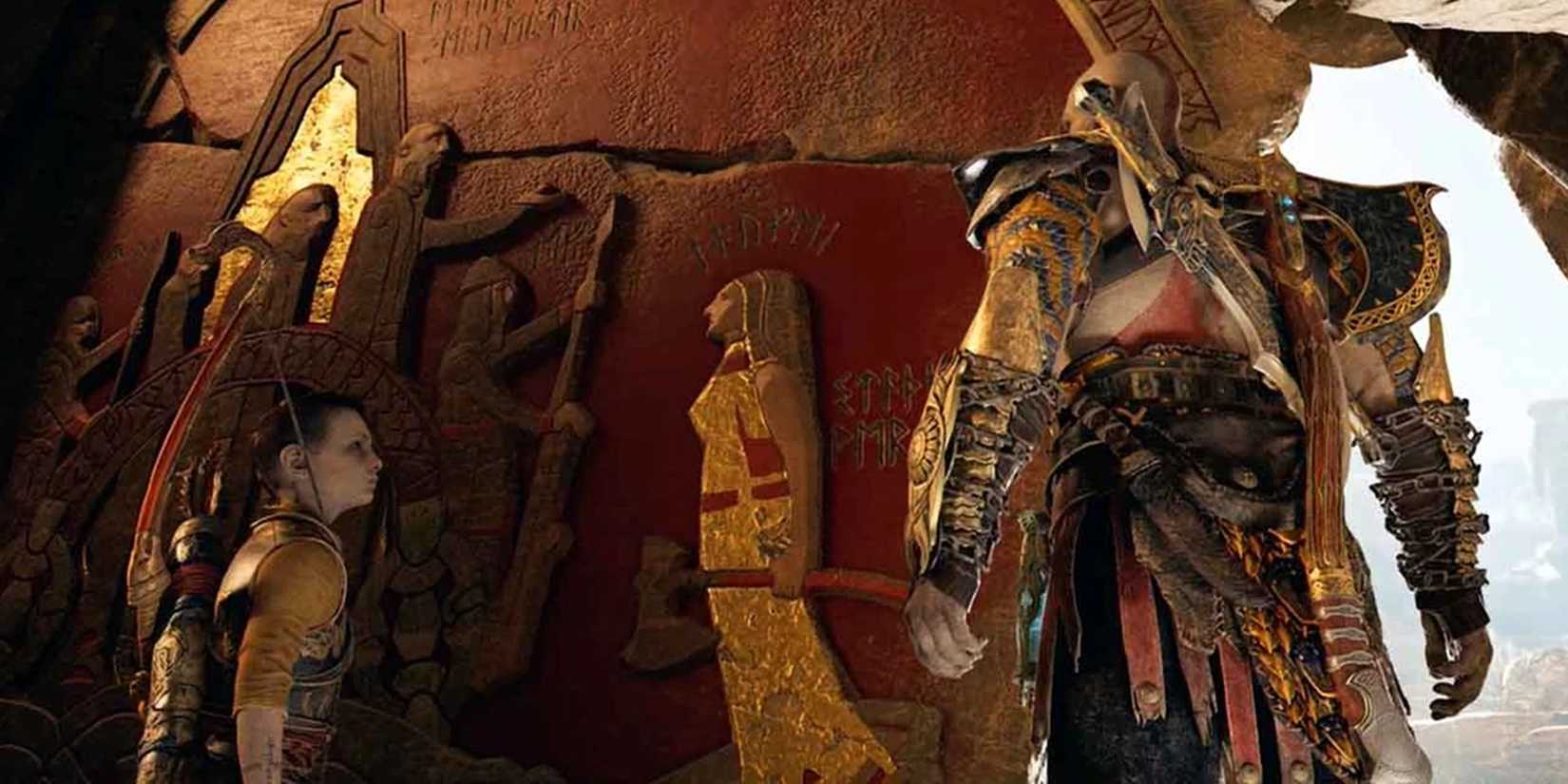
The Norse era of the God of War franchise picks up after Kratos has already had Atreus, so we don’t see much of the backstory involving his mother. But, in one of the games’ most shocking moments, the truth about Atreus’ lineage is finally revealed. When father and son make it to the highest peak in all the realms — the mighty Jötunheim mountain — they learn who Atreus’ mother really was.
She was the giant Laufey, which is a shock to both Kratos and Atreus. But that wasn’t her given name; her given name was Loki. This is a great twist that makes sense of a lot of the plot beats up to that point. Loki was prophesized to assist with the death of Baldur, so that explains why Freya played such a big hand in Baldur’s death earlier in the story.
This twist also adds some depth and darkness to Atreus’ backstory, and sets up some exciting things for the future. Loki has made plenty of enemies in Asgard, so those enemies could come looking for Atreus as a means of exacting retribution. If the TV show adapts this plot point, then the narrative possibilities beyond that are endless.
Kratos Tells Atreus He’s A God
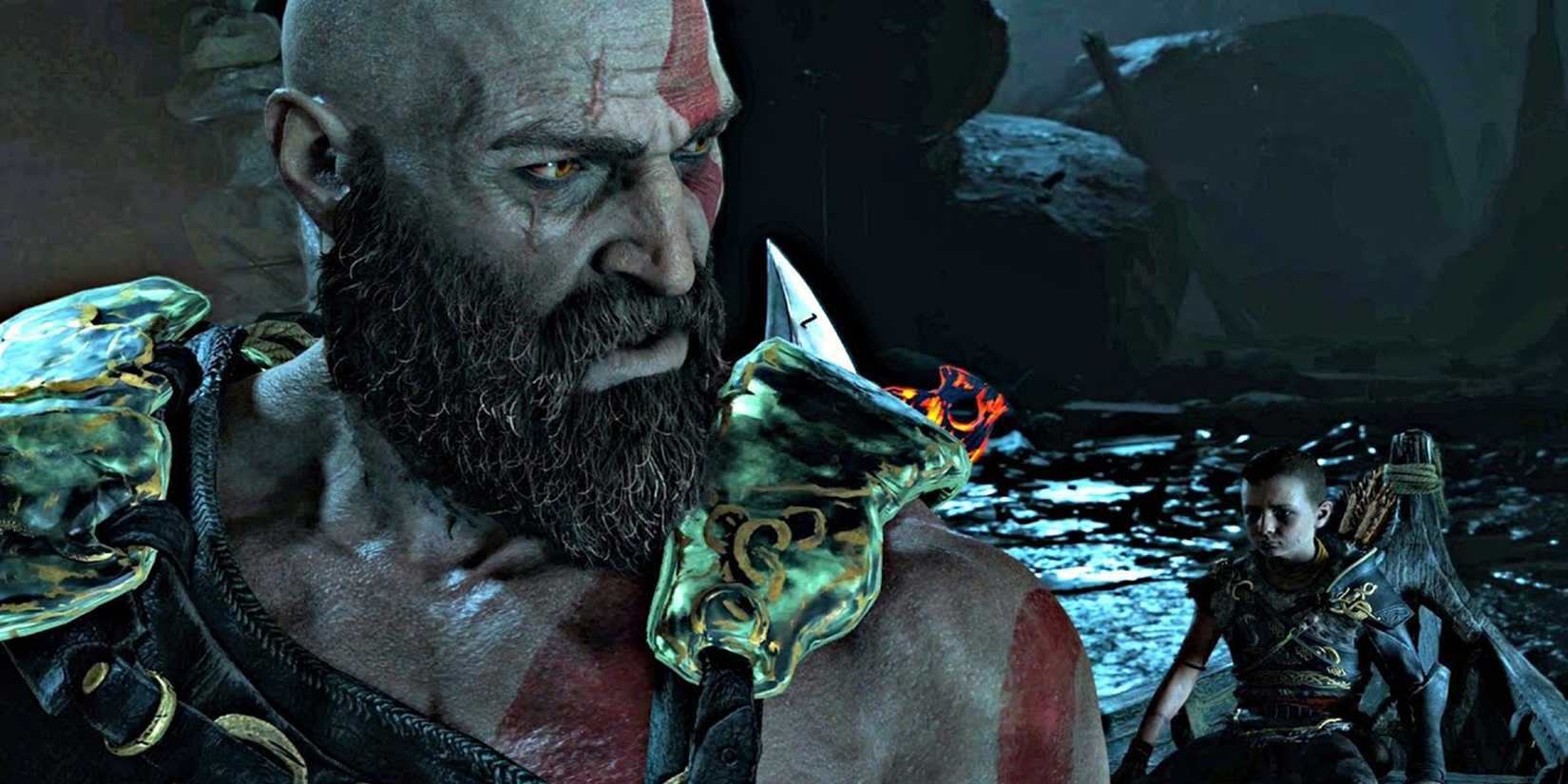
The strained father-son relationship between Kratos and Atreus is the emotional throughline of the later God of War games — and, by extension, it’ll be the emotional core of Amazon’s live-action series. It’s important to convey what makes this relationship so complicated and unhealthy, primarily through the emotional distance between them. Kratos cares for Atreus, but he keeps him at arm’s length.
When it comes to his past, Kratos feels as though the less Atreus knows, the better, so he doesn’t tell Atreus about his true nature. But, by suppressing his godly powers, Atreus starts to feel immense pain and even comes to the brink of death. It’s only when he’s at death’s door that Kratos finally decides to tell Atreus that they’re both gods with a divine purpose.
It’s a grand metaphor for every parent’s realization that they should be open and honest with their kids, even when it’s difficult. This is one of the most important scenes in Kratos and Atreus’ developing father-son bond. If the God of War TV actors are going to do that relationship justice, then they’ll need this scene.
Kratos’ truthfulness with Atreus has a downside, too, as the kid gets cocky and unwittingly drags them to Hel. It opens up all kinds of conflicts for Kratos to deal with as he tries to become a better father. But that knock-on effect won’t happen if the God of War series doesn’t borrow this key scene where Kratos decides to tell his son the truth about who he is.