

What makes this development remarkable is the sheer volume of titles centered on women. Traditionally, comics have skewed heavily male, with women often taking supporting or secondary roles. Today, Marvel and DC are reversing that trend. From solo adventures to ensemble stories, female characters are stepping into the spotlight, and the results are reshaping fan expectations and the superhero genre itself.
A Bold Move by Marvel to Finally Women at Center Stage
Marvel Comics has quietly overhauled its lineup in a way that places women front and center. The post-Krakoa X-Men era has introduced a wave of solo and team titles featuring female heroes in leading roles. Characters like Storm, Rogue, Psylocke, and Moonstar are now more prominent than ever, with stories that explore their powers, histories, and personal struggles in depth.
Beyond the X-Men, Marvel is expanding its focus to other notable heroines. Captain Marvel, Black Cat, She-Hulk, and Spider-Gwen all have ongoing series that explore new dimensions of their characters. These are not simple side projects; each title is crafted to develop unique narratives that challenge the standard superhero formula, ensuring these characters are as compelling as their male counterparts.
Titles like Psylocke: Ninja and Planet She-Hulk show Marvel’s willingness to experiment. They are blending classic superhero tropes with fresh perspectives, often incorporating humor, psychological complexity, and moral ambiguity. This effort reflects a larger cultural shift in comics, emphasizing diversity and inclusion without compromising storytelling quality or dramatic stakes.
DC’s Strategy is Expanding the Trinity and Beyond
DC Comics is also investing heavily in its female characters, particularly those connected to the Trinity, Wonder Woman, Batman, and Superman, and their supporting casts. Spin-offs and solo adventures are giving iconic characters new life. Batgirl, Batwoman, and Catwoman are among the most prominent examples, with stories that range from gritty detective work to magical adventures.

Marvel Just Officially Released One of X-Men’s Coolest Images of All Time
It is official, Marvel just revealed the coolest X-Men franchise image ever, and this new comic cover is one that every fan will want to check out.
DC has also been spotlighting characters who historically occupied secondary roles. Harley Quinn, Poison Ivy, Zatanna, and Supergirl now headline stories that explore their histories, moral conflicts, and social influence. These series are not only commercially successful but also critical in showing that female heroes can carry expansive narratives that resonate with longtime fans and newcomers alike.
Upcoming releases, such as Absolute Catwoman, signal DC’s continued commitment to this strategy. By investing in both established and underexplored heroines, the publisher is demonstrating that women are not just supporting players in superhero narratives, they are integral drivers of major story arcs. This may even influence the wider media landscape, from animated adaptations to potential live-action projects.
Why This Era of Female-Led Comics Matters
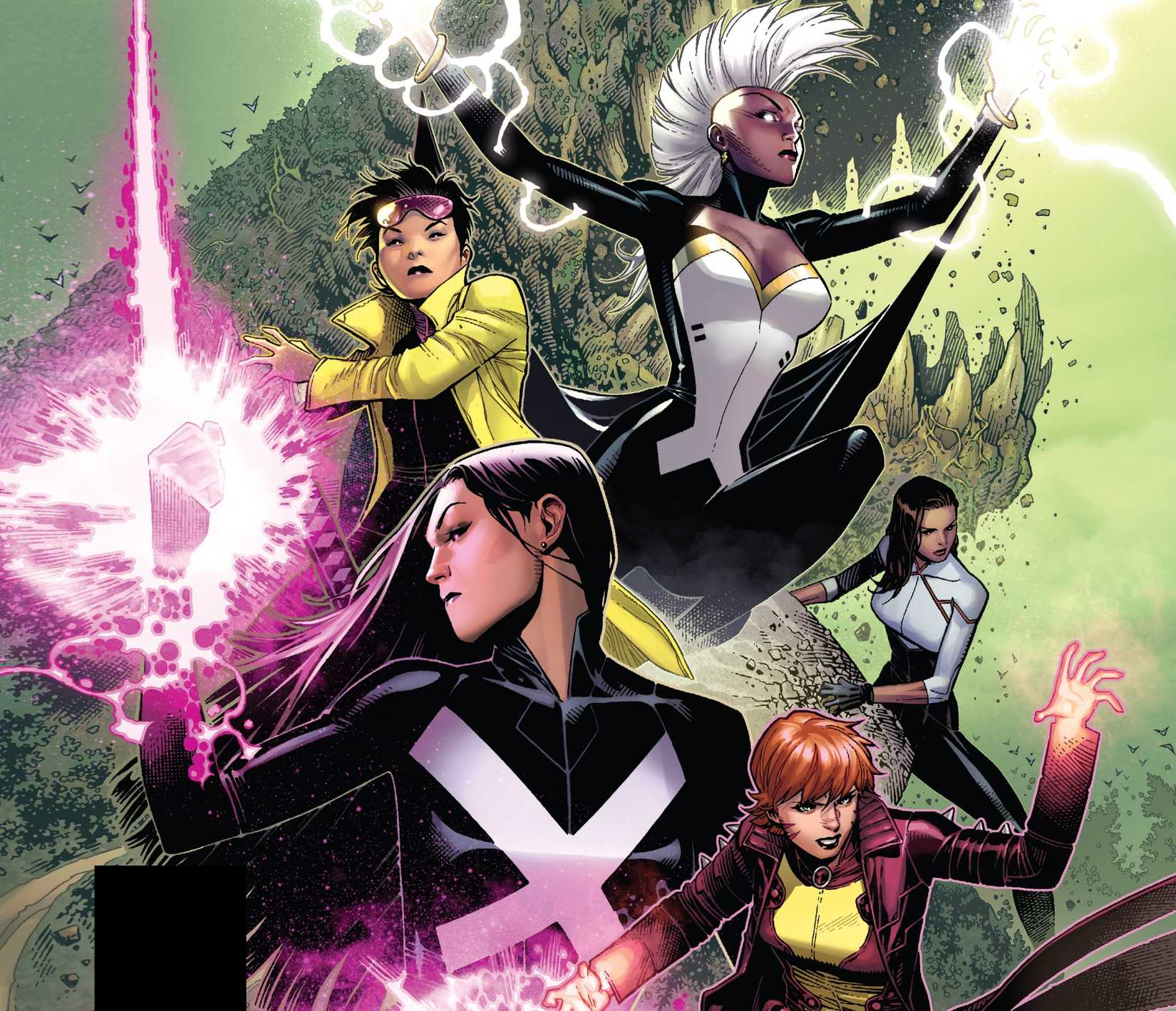
The current focus on female superheroes isn’t just a marketing strategy, it’s a cultural statement. Both Marvel and DC are challenging decades of male-dominated narratives, proving that women can lead, inspire, and drive complex stories. This shift offers fans more diverse role models and invites new audiences, particularly young women, to see themselves in these larger-than-life characters.
Moreover, these print developments could have a ripple effect on other media. With the X-Men and Marvel Cinematic Universe preparing for future phases, there’s speculation that these female-focused storylines could influence upcoming films and series. Similarly, DC’s TV and streaming adaptations may increasingly foreground characters who were previously sidekicks or secondary figures.
It’s also worth noting what’s absent. Despite this surge, some iconic women are still underrepresented. Characters like Jean Grey, Black Widow in solo titles, or lesser-known heroes from both universes remain underexplored. Fans may hope that this wave of investment will eventually expand to include them, creating a truly comprehensive era where women are consistently at the forefront.
The question of adaptation is unavoidable. Marvel’s current strategy in print could set the stage for the next generation of films and shows. The prominence of X-Men heroines, for instance, raises expectations that future MCU narratives will reflect this focus. Spider-Gwen’s solo adventures, She-Hulk’s ongoing popularity, and Captain Marvel’s established cinematic presence suggest a continuity between comics and screens that could reshape franchise storytelling.
DC’s trajectory is similar. While Batman and Superman remain cultural anchors, their female counterparts are gaining visibility across multiple platforms. Batwoman’s live-action series, Wonder Woman films, and Harley Quinn animated projects already hint at a broader integration. The question now is whether these print-first experiments will influence long-term storytelling, giving female superheroes sustained prominence both on-page and on-screen.
By prioritizing women in print, Marvel and DC may be quietly rewriting the rules of superhero storytelling. It’s a move that is likely to influence narrative strategies, merchandising, and fan engagement for years to come. For fans, this era feels revolutionary precisely because it wasn’t announced with fanfare, it was built quietly, page by page, character by character.
The Future of Female-Led Superhero Stories
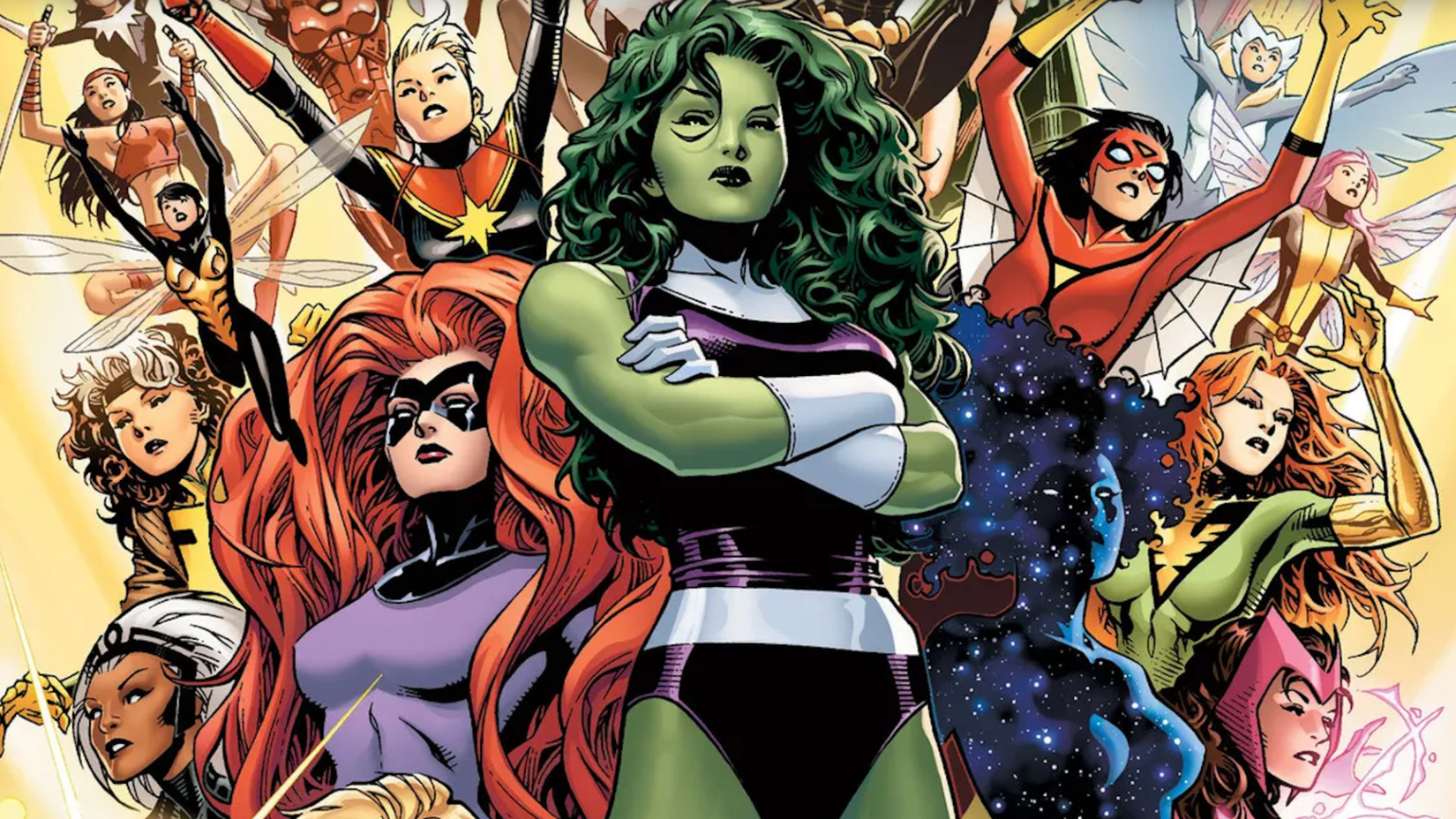
This growing slate of female-led titles marks a pivotal moment in comics history. It’s not just about increasing representation; it’s about redefining what superhero narratives can look like. Complex, multifaceted heroines are now central to major storylines, opening doors for new creative directions and more inclusive storytelling approaches.
The long-term implications are profound. As these series mature, they may influence genre conventions, inspire crossovers, and even redefine “mainstream” superhero canon. Fans are beginning to recognize the significance: this era is less about individual heroes and more about a fundamental shift in how comics approach storytelling, audience engagement, and character development.
5 Classic Comic Books That Are Simply Unreadable Today
Despite Marvel and DC’s legendary legacy, some groundbreaking comic books have aged poorly and become challenging reads for modern readers.
Ultimately, Marvel and DC’s quiet revolution is a reminder that the comic book industry is still capable of innovation. By centering on women, both publishers are not only reflecting contemporary cultural values but also setting a bold precedent for future generations of storytellers. In doing so, they are creating a superhero era that feels as groundbreaking as it is overdue.