

In terms of the film franchise, Child’s Play spans just over 30 years. There was an original trilogy before they started to take some risks with intriguing concepts for the fourth and fifth films. Two straight-to-video releases rejuvenated the series, followed by a modern reboot, making for a tough timeline to totally follow.
Child’s Play (1988)
The first Child’s Play movie was released in 1988, right at the tail end of the slasher craze. The ’70s and especially ’80s were dominated by slasher films, yet things tailed off for the genre as we rolled into the ’90s. Still, that didn’t stop Chucky from becoming one of the most iconic slasher villains.
The premise of Child’s Play centered on the idea of a serial killer’s soul possessing a Chucky doll. That doll is purchased by a widowed mother who gives it to her son, who bonds with Chucky, only to eventually learn that he has murderous tendencies.
From introducing the world to Brad Dourif’s now legendary voiceover work as Chucky to making kids everywhere just a bit more scared of the toy dolls they get, Child’s Play worked. The movie was a commercial success, grossing over $40 million on a budget of just around $13 million.
At a time when a lot of slasher franchises were seemingly winding down and putting out films that were poorly received, Child’s Play was something of a breath of fresh air. The movie got solid scores from critics, currently sitting at a 64% on Rotten Tomatoes.
Child’s Play 2 (1990)
It came as no surprise that Child’s Play 2 was released just a couple of years after the original. Horror movies can often be made on shoestring budgets, so when one of them hits, it’s easy to pump out more. Again, Child’s Play 2 arrived at a time when slashers seemed to be dying.
The ’90s weren’t kind to the genre until Scream reignited interest in 1996. That said, Child’s Play 2 performed relatively well, pulling in around $35 million on another $13 million budget. Taking place two years after the original, this entry again sees Chucky come up against Andy Barclay, the kid from the first.
Things get a little odd in this one as Chucky tracks Andy down in foster care with the hopes of transferring his soul into Andy’s body. In terms of the series’ timeline, things are pretty straightforward here. Child’s Play 2 was a disappointment to critics and seen as a step down in quality.
Child’s Play 3 (1991)
Child’s Play 3 is a notorious film for the controversy surrounding it. After its release, it was suggested that the movie was the inspiration behind the murder of a British child, though investigators have rejected that notion. Still, it didn’t help the staying power of Child’s Play 3.
This third installment does a notable time jump. While it was released less than a year after Child’s Play 2, the story takes place eight years later. Andy is now a teenager, enrolling in military school when a revived Chucky comes after him once more. Chucky is looking to possess a young cadet.
Ultimately, Child’s Play 3 was a misfire on nearly every level. It only grossed about $20 million on a $13 million budget and received the worst reviews of any entry in the franchise, including a lackluster 19% rating on Rotten Tomatoes. The franchise looked dead at this point.
Bride Of Chucky (1998)
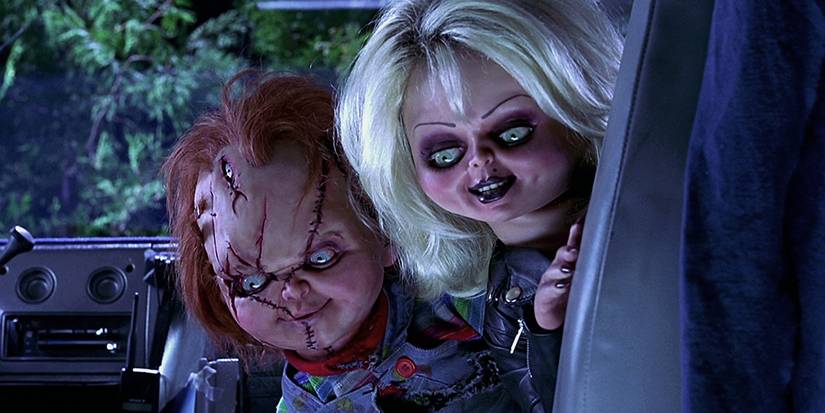
Thanks to the revival in interest in slashers, Child’s Play returned with a new twist. Instead of putting out a numbered entry, the fourth film in the series is titled Bride of Chucky and indeed introduces a love interest for the killer doll. That romantic partner is Tiffany, played by Jennifer Tilly.
Tiffany was Chucky’s ex-girlfriend and accomplice who transferred her soul into a girl doll, bringing them back together. Bride of Chucky is the first installment to lean more into the humor side of things. It understands that the entire concept of a killer doll, especially one now involved in a romance, is goofy and lets that be a driving force.
The wacky setup and intrigue allowed Bride of Chucky to become a solid success, grossing just over $50 million and bringing interest back to the franchise. Interestingly, while it does away with the Andy storyline, it only takes place one month after the events of Child’s Play 3.
Seed Of Chucky (2004)
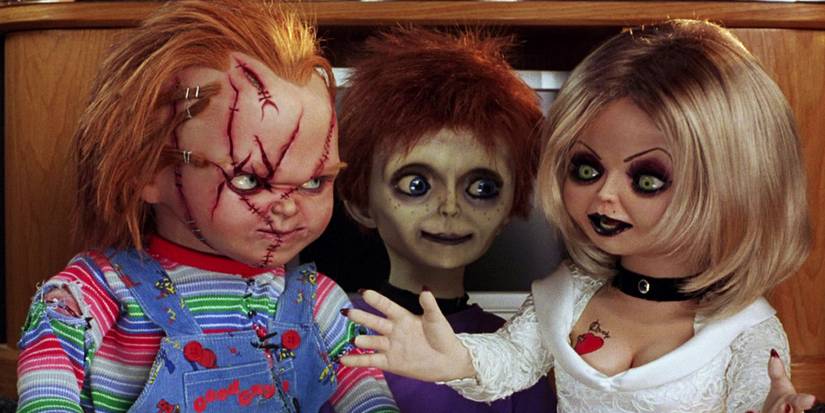
It took a few years but Child’s Play returned for its lone entry in the 2000s with Seed of Chucky. Following in the footsteps of Bride of Chucky, this installment indeed saw Chucky and Tiffany somehow having a child, who is the focal point of this story.
Glen/Glenda is the genderfluid offspring who resurrects Chucky and Tiffany after spending six years with an abusive ventriloquist. Chaos ensues in one of the wildest installments in the franchise. While the film didn’t perform well commercially and received lackluster reviews, it has become something of a cult classic.
The LGBTQ+ community has come to appreciate Seed of Chucky, especially in its handling of a genderfluid character. Director Don Mancini, who is gay, was interested in exploring LGBTQ+ themes in a movie. It has helped Chucky become the rare horror villain to evolve into a queer icon.
Curse Of Chucky (2013)
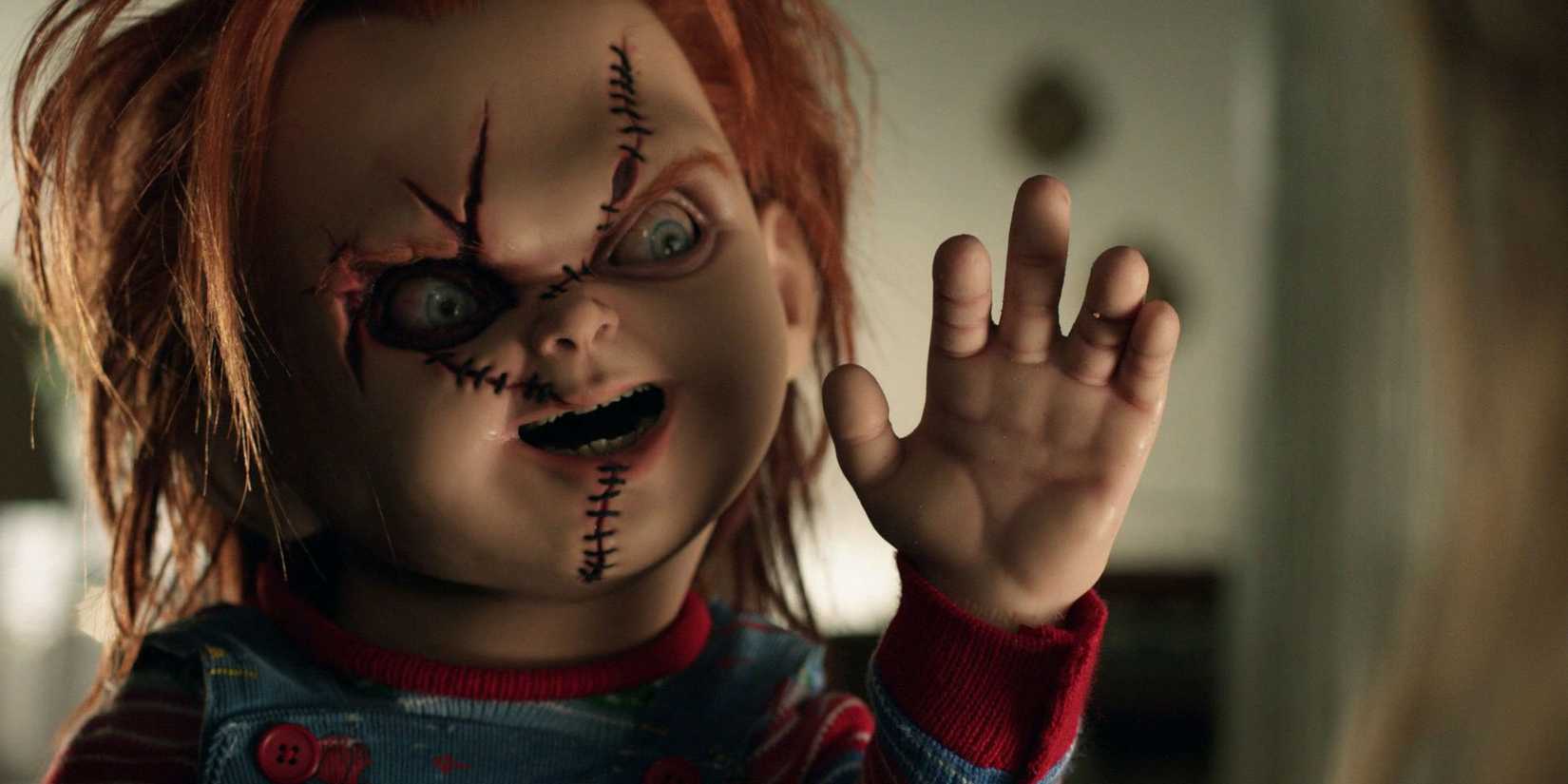
For just about a decade, the Child’s Play franchise was dormant, but like Chucky himself, it continues to find new ways to revive itself. This time around, instead of hoping for a big box office return, the series opted for a smaller project and released Curse of Chucky directly to video-on-demand.
Curse of Chucky allowed the franchise to go back to its horror roots, avoiding a lot of the humor from the previous two installments. It also introduced an important new character, Nica Pierce, played by Fiona Dourif of The Pitt, who is the daughter of Brad Dourif, the voice of Chucky.
Nica is a paraplegic woman who receives a Good Guy doll, which is followed by her mother’s suicide. Her aunt and niece come to visit and her niece grows to love the Good Guy doll, which is possessed by Chucky. Curse of Chucky brought new life to the franchise thanks to a strong critical reception.
Cult Of Chucky (2017)
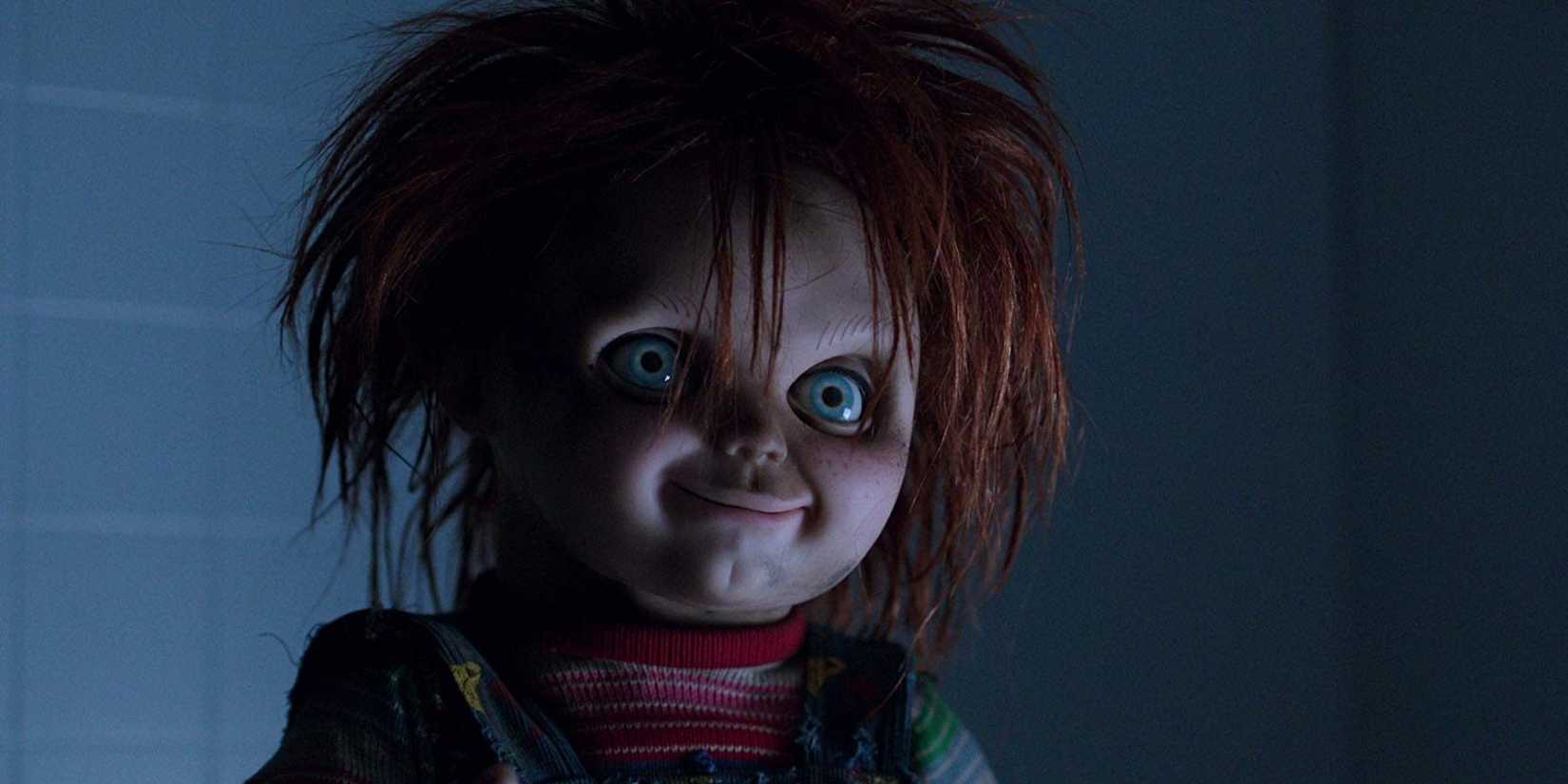
Continuing the story involving Nica Pierce, Cult of Chucky is another entry that is more centered on horror than comedy. The post-credits scene of the previous film brought back Andy Barclay, who plays a big part here, merging two eras of the Child’s Play franchise together.
Andy shot Chucky and kept his severed head to torture him. He brings it to a mental institution to help prove the innocence of Nica, who has been there for four years, as she wrongfully believes she’s the one who killed her family. When a new Good Guy doll is brought to the asylum, things go from bad to worse.
Cult of Chucky also brought back Jennifer Tilly’s Tiffany and it all comes together for what would’ve been a fitting ending to the Child’s Play franchise. This received the best reviews of any in the series, sitting at 81% on Rotten Tomatoes.
Child’s Play (2019)
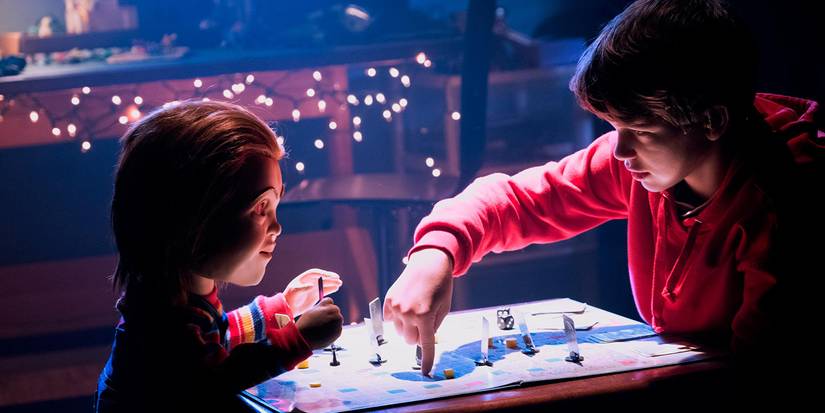
As is often the case, long-running franchises get rebooted in an attempt to bring them to the modern age. That’s what happened in 2019 with Child’s Play, which mostly retells the story from the original 1988 film.
The difference here is that technology plays a big part in the redesigned Chucky, as the high-tech doll malfunctions and becomes hostile. In a lot of ways, it shares more in common with M3GAN than the Chucky films we’d come to know and love.
That said, 2019’s Child’s Play was a moderate success at the box office and received mixed reviews. Some of the kills were creative and the cast, featuring Aubrey Plaza and Brian Tyree Henry, was quite good. While it’s a standalone reboot, the Chucky TV series follows the events of Cult of Chucky.