

With more highly anticipated TV shows coming from Netflix in 2026, audiences have stopped questioning the new status quo. However, there was a time when streaming TV was not the dominant source of small-screen stories on a huge scale. Some of the best TV shows of all time predate the streaming era, though there is no denying that streaming services changed the game.
Even after the streaming era began, however, some of the rules of TV have changed. One show on Netflix that lasted five seasons is one of the big catalysts for this, given that it changed streaming TV forever: Stranger Things.
Stranger Things Was A Major Part Of “Upgrading” Streaming
In many ways, Stranger Things was what elevated streaming TV. The show is undoubtedly one of the most culturally impactful of all time, going beyond its core of Netflix viewers in 2016 to become a worldwide phenomenon. This led to huge budgets, a massive scale, and an almost 10-year shelf life once Stranger Things season 5’s ending rolled around.
Via these exact elements that have become synonymous with the show, streaming TV changed. After Stranger Things became a massive success, Disney+ was founded with the purpose of bringing the MCU and Star Wars to the small screen. Moreover, other massive franchises like the DCU placed a focus on small-screen storytelling.
Prime Video began to develop the likes of The Boys, The Wheel of Time, and The Lord of the Rings: The Rings of Power, the latter becoming the most expensive TV show in history. Shows from the MCU, Star Wars, the Game of Thrones franchise, and beyond are all part of the most expensive TV show list, too, proving what Stranger Things did for streaming.
The success and more “cinematic” style of the Netflix show led others to follow suit. Admittedly, Game of Thrones played a big role in this, too, but even that show’s more cinematic, big-budget installments didn’t come until season 6 and beyond. Uncoincidentally, Game of Thrones season 6 and Stranger Things were released in the same summer of 2016.
Stranger Things paved the way for streaming to become cinematic. Gone was the assumption that TV shows, despite many pre-2016 having an abundance of quality, had to be produced on a lesser scale than big-screen movies; Budgets increased, the cinematic style of TV changed, and streaming services began pumping out stories that were once reserved for theaters into people’s homes.
Stranger Things’ Scale Set A Dangerous TV Precedent
While, in many ways, this can be seen as a good thing, Stranger Things’ impact on the streaming landscape has also set several dangerous precedents. The first links to the aforementioned scale of the show, and those that have come after it. Yes, it is cool from a fan perspective to see big-budget storytelling on streaming. For both creators and consumers, though, this means one thing: increased costs.
Studios now need to spend significantly more to create streaming TV shows that can match what has gone before. A good example is Disney+’s Andor, set in the Star Wars franchise. Over two seasons, Andor cost Lucasfilm almost $700 million to produce, outdoing the production cost of every single Star Wars theatrical movie.
Stranger Things‘ scale also forced Marvel Studios’ hand; of the 20 TV shows that have had budgets of over $20 million per episode, eight of these belong to the MCU franchise. Widening the scale, 47 TV shows have been recorded as having a budget of $10 million and above per episode. Only three of these, Band of Brothers, ER (seasons 6 and 7), and The Pacific, were released before 2016 and the debut of Stranger Things.
This just proves how much Stranger Things has changed streaming TV by setting a dangerous precedent: TV shows must increase in budget to increase in scale and match their competitors. What that means for the consumer is higher-scale storytelling, yes, but also an increase in subscription prices.
|
TV Shows |
Year(s) |
Estimated cost per episode (million US$) |
|---|---|---|
|
The Pacific |
2010 |
20 |
|
WandaVision |
2021 |
25 |
|
The Falcon and the Winter Soldier |
2021 |
25 |
|
Hawkeye |
2021 |
25 |
|
The Lord of the Rings: The Rings of Power (season 1) |
2022 |
58 |
|
Stranger Things 4 |
2022 |
30 |
|
Ms. Marvel |
2022 |
25 |
|
She-Hulk: Attorney at Law |
2022 |
25 |
|
Moon Knight |
2022 |
24 |
|
1923 |
2022–2025 |
22 |
|
Andor (season 1) |
2022 |
20 |
|
House of the Dragon |
2022–2024 |
20 |
|
Citadel |
2023 |
50 |
|
Secret Invasion |
2023 |
35.3 |
|
Loki (season 2) |
2023 |
23.5 |
|
The Acolyte |
2024 |
22.5 |
|
3 Body Problem |
2024 |
20 |
|
Stranger Things 5 |
2025 |
50 |
|
Andor (season 2) |
2025 |
24.2 |
|
Severance (season 2) |
2025 |
20 |
Another dangerous precedent that Stranger Things began was the wait time between seasons. This is one of the longest-running criticisms of modern TV, with many shows taking two to three years to return between installments. Despite Game of Thrones‘ quality and scale, the show had eight seasons released in eight years, between 2011 and 2019.
Stranger Things only had five seasons, released between 2016 and 2026. Three fewer seasons took two more years to be produced and released, proving how the show began the trend of waiting longer between installments. The higher budgets and more complex productions were no doubt a big reason for this, with the same being said for other shows.
Severance season 2, for instance, was released three years after its predecessor and is on the above list of the most expensive TV shows. The recently released One Piece season 2 also took three years to release after season 1, with that show costing around $10 million per episode.
Another of Netflix’s most popular shows is Wednesday. Season 1 was released in November 2022, with season 2 coming in July 2025, two and a half years later. Stranger Things started this trend, linked intangibly to the show’s impact on the scale and budget of TV shows in the streaming era.
There Is One Other Key Factor That Changed Streaming Rules
Although a lot of the precedents above have been contributed to massively by Stranger Things, it would be disingenuous to say that the Netflix show is the sole reason for them existing. Even still, though, the reason I am about to explore likely still exists because of Stranger Things‘ impact: the renewal of TV shows.
Before the era of streaming, TV shows used to be picked up for several seasons at a time if they proved successful, only eventually being cancelled upon a subsequent lack of viewership. In modern times, though, this is all but unheard of. Instead, studios will spend the huge budgets needed to create the first seasons and hope they are successful.
If so, more seasons will be greenlit, but only months after the first is released, so that services can accurately gauge audience interest. This directly contributes to the longer wait times between shows in the modern era. Building from that, it also contributes to higher budgets.
If a show is successful enough, the chances are that it will be renewed with a larger budget, so as to better portray the big-scale nature of the story. As alluded to, Stranger Things‘ impact goes hand-in-hand with this; If the five-part Netflix show did not change the rules of streaming TV entirely, maybe studios and streaming services would be more lenient about what is renewed and when they are renewed, and more strict about budgets.
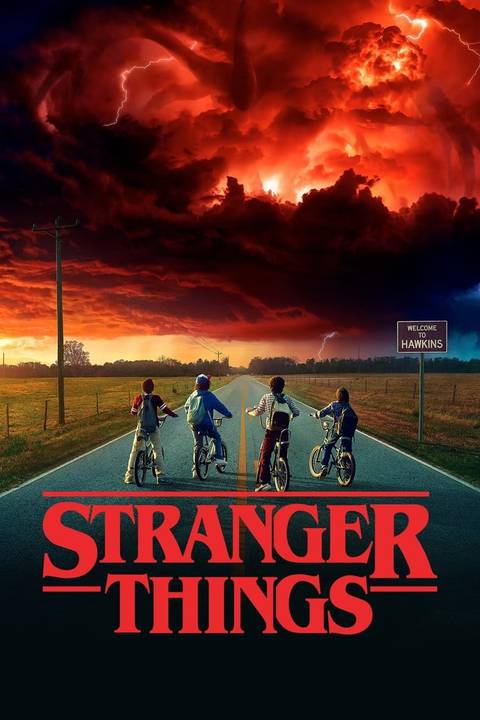
- Release Date
-
2016 – 2025-00-00
- Network
-
Netflix
- Showrunner
-
Matt Duffer, Ross Duffer
- Directors
-
Matt Duffer, Ross Duffer, Andrew Stanton, Frank Darabont, Nimród Antal, Uta Briesewitz
- Writers
-
Kate Trefry, Jessie Nickson-Lopez, Jessica Mecklenburg, Alison Tatlock