

Marvel has officially revived the Sentry, but that means the hero’s evil half, the Void, is back too. And their reintroduction offers a new take on the hero/villain’s history, revealing the exact moment “the Void first entered [Robert Reynolds’] heart.” The wild thing is, the character’s origin ties back to a very real, very tragic moment in history.
The Sentry #1 is written by Paul Jenkins, with art by Christian Rosado. In a flashback, the Sentry confirms that the story of Laika, the infamously doomed Soviet canine cosmonaut, was what broke him as a kid. In the process, the Void was born.
It’s a backstory detail decades in the making, and a tone-setter for the new series.
Laika The Space Dog Plays An Essential Role In Sentry’s Origin Story…And The Void’s Too
The Sentry #1, Written By Paul Jenkins; Art By Christian Rosado; Available Now From Marvel Comics
Author Paul Jenkins created the Sentry decades ago, and now he’s back in control of his powerful Marvel hero. Nobody knows the Sentry, or the Void, or how the two sides of Robert Reynolds fit together, better than Jenkins. So, it’s telling that Sentry #1 recalibrates its updated take on the character by going back offering a new, definitive Void origin.
Sentry #1 recounts how 7-year-old Bob Reynolds was devastated by “the story of Laika, the little Russian dog who went to space.” It explains how the young boy “cried for a year” after realizing Laika “was already dead,” and there was nothing he could do about it. Chillingly, the flashback ends with: “that was how the Void first entered [his] heart.”
Notably, this updated origin also clearly shows Sentry possessed heroic instincts from an early age, and how his dark side, the Void, actually evolved out of that. It wasn’t just Laika’s death that broke Reynolds’ heart and left room for the Void to fill; Bob wanted to save the dog, and it was the realization that couldn’t that changed him forever.
The Void’s New Origin Reveals How The Sentry Struggles With The “Great Responsibility” Of His Powers
The Sentry #1, Variant Cover By Francesco Mobili
The Sentry is literally his own worst enemy. That’s the conceit that made the character innovative when he was introduced in 2000. It’s also what has made him one of Marvel’s messiest heroes over the past quarter-century and counting. Paul Jenkins’ Sentry #1 is a necessary reset, a reminder that Sentry is complex, but doesn’t have to be complicated.
The Laika story is simple, but it has major implications. Think of it as a twist on Marvel’s greatest heroic lesson: “with great power, there must also come great responsibility.” Well, what if someone extremely powerful can’t handle the pressure of that responsibility? The Sentry and the Void are an attempt to answer that question.
That is, adolescent Robert Reynolds was crushed by his inability to save Laika, a victim that was already beyond saving when he first learned about her. This opened him up to a deep, uncontrollable darkness that eventually festered into the Void. And it subsequently compounded with every failure and setback in his life.
The Laika Story Would Be A Perfect Fit For The Sentry’s MCU Origin
Marvel Adds To The Iconic Space Dog’s Pop Culture Legacy
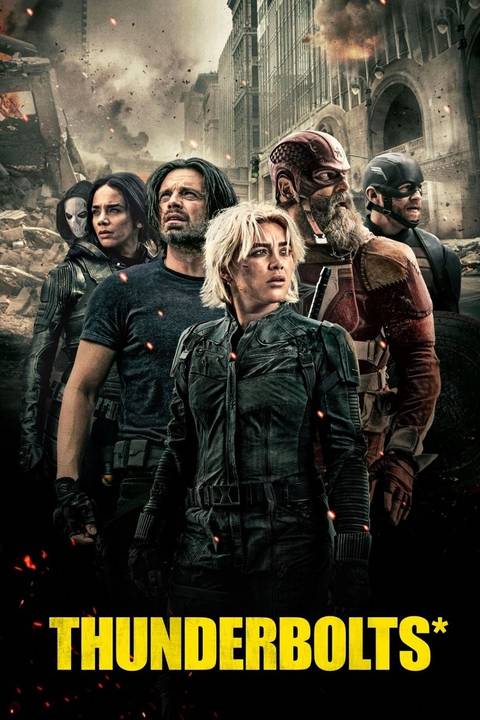
The Sentry officially joined the MCU with Thunderbolts*, and naturally, so did the Void. Both are expected to play a role in the upcoming Avengers films, and many fans hope the character will be a pillar of the MCU’s future beyond that. If the character eventually earns a solo film, the Laika story would be perfect for it.
It’s a relatable explanation for the darkness within Robert Reynolds, one that uses a recognizable real-world story as a touchstone for its complex character’s genesis. Laika has a surprisingly significant legacy in popular culture, and Sentry #1 is a notable addition to that, making the dog integral to Marvel’s most powerful figure, the Sentry, and his dark counterpart.
The Sentry #1 is available now from Marvel Comics.
Marvel fans, did you know about Laika before Sentry #1? How do you feel about the story’s role in the Void’s origin?
- Release Date
-
May 2, 2025
- Runtime
-
127 minutes
- Director
-
Jake Schreier
- Writers
-
Eric Pearson, Joanna Calo