

The first, simply titled Star Trek, will bring writer Christopher Cantwell back to the franchise, joining artist Dennis Menheere to chronicle the adventures of Captain Seven of Nine as the new skipper of the Enterprise. Fans have demanded a Seven-centric spinoff since Picard’s end, and IDW is delivering in time for the anniversary.
The other series, titled Star Trek: Zero Point, sounds equally promising. Zero Point follows Seven’s lover Raffi as she heads up a more “proactive” Starfleet team who utilizes artificial intelligence to identify threats to the Federation. The book is written by award-winning science fiction author Charlie Jane Anders, a newcomer to the franchise.
Star Trek Newcomer Charlie Jane Anders Is Creating the Perfect “Jumping On” Point
Star Trek: Zero Point Will Not Only Be User Friendly, But Scientifically Accurate
Speaking with Gizmodo, Anders spoke more about Star Trek: Zero Point. Anders praised the franchise, declaring she had loved Star Trek “for as long as [she] could remember,” while also mentioning making Starfleet uniforms as a kid. Anders, while having never written for Star Trek, is highly acclaimed within the science fiction genre, winning the Hugo award.
Anders went on to explain that she was taking a unique approach to Star Trek: Zero Point. Anders told Gizmodo that Zero Point would be totally accessible to non-Star Trek fans, and that “no homework” is necessary to enjoy it. She equated Zero Point to the works of peers Martha Wells and Becky Chambers, and explained how the book would be scientifically accurate.
Among Charlie Jane Anders’ many novels include All the Birds in the Sky and The City in the Middle of the Night.
Star Trek: Discovery Kicked Off a Franchise Trend in 2017
Star Trek: Discovery Brought On the Easter Eggs and Lore Callouts
By jettisoning Easter Eggs and deep lore callouts, Anders is bucking a trend that has overtaken Star Trek in recent years. Star Trek returned to television in 2017 with Discovery, set roughly a decade before Kirk and Spock’s adventures. From the get-go, Discovery utilized the wider Star Trek universe, primarily by making its main character Spock’s never-mentioned half-sister.
Discovery featured even more fan service as the show’s first season progressed. The Mirror Universe made a grand return, as did the Enterprise itself at season’s end. Season two continued this trend by bringing in Captain Pike and Spock. Section 31 were that season’s primary villains as well.
Even when Discovery jumped ahead a thousand years, the callouts to previous shows continued. Discovery’s third season featured the return of the Cardassians and the Ferengi, even if they were only in the background. The show’s final season, which was built around a one-off Next Generation episode, best exemplified this approach.
Star Trek Had Ventured Into Prequel Territory Before Discovery
Star Trek: Enterprise Did Not Violate Canon in the Same Fashion as Discovery
This was not Star Trek’s first time dabbling with prequel stories. Star Trek: Enterprise, which ran from 2001 to 2005, followed the exploits of Captain Jonathan Archer as humanity took its first baby steps into deep space. At the time, fans decried this idea, feeling it would violate established canon.
While the canonicity of Enterprise is no longer up for debate, the criticisms were potentially valid, and it is a testament to the writing staff that the show did not violate the lore. The same cannot be said for Discovery, which kicked off by making wholesale, and ill-advised, changes to the Klingons, ones the franchise later backpedaled on.
Star Trek: Lower Decks Showed How to Deploy Lore Callouts Effectively
Lower Decks’ Humorous Approach Suited the Show’s Use of Easter Eggs
The other Star Trek show that leans into the “Easter Egg” approach is Lower Decks. The franchise’s second foray into animation, Lower Decks, followed the exploits of four ensigns aboard a run-of-the-mill starship. Lower Decks was full of heart and love for the franchise, and was loaded with fan service.
Lower Decks did not take itself too seriously, and these instances of fan service let viewers in on the joke.
However, this take on Star Trek suited Lower Decks well. Series creator Mike McMahan intended the show to be a love letter to Star Trek, and the many deep cuts to lore its references to are not necessarily integral to the episode’s plot. Lower Decks did not take itself too seriously, and these instances of fan service let viewers in on the joke.
Star Trek Creator Gene Roddenberry Had Different Ideas On Lore Callouts
Roddenberry Wanted Star Trek:The Next Generation To Stand On Its Own Merits
The creators of Star Trek: Discovery and Lower Decks were going against a maxim that franchise creator Gene Roddenberry laid down when he was crafting The Next Generation. Roddenberry wanted the show to stand on its own accord, and not be constantly compared to The Original Series. Roddenberry believed such comparisons would hurt the new show.
To this end, Roddenberry put a moratorium on species established in The Original Series from appearing in early episodes of The Next Generation. This meant that races like the Vulcans were relegated to the background, and the Klingons and the Romulans clocked in one appearance each in the first season.
By The Next Generation’s second season, this rule was beginning to be relaxed, but by and far many classic alien races had to patiently wait their turn. The Klingons and the Romulans had completely reasserted themselves by season three, but The Next Generation had established itself by that point, and told some incredible stories around those races.
Star Trek Works Best When It Strikes a Balance Between Nostalgia and “Boldly Going”
Charlie Jane Anders is Honoring Gene Roddenberry With Star Trek: Zero Point
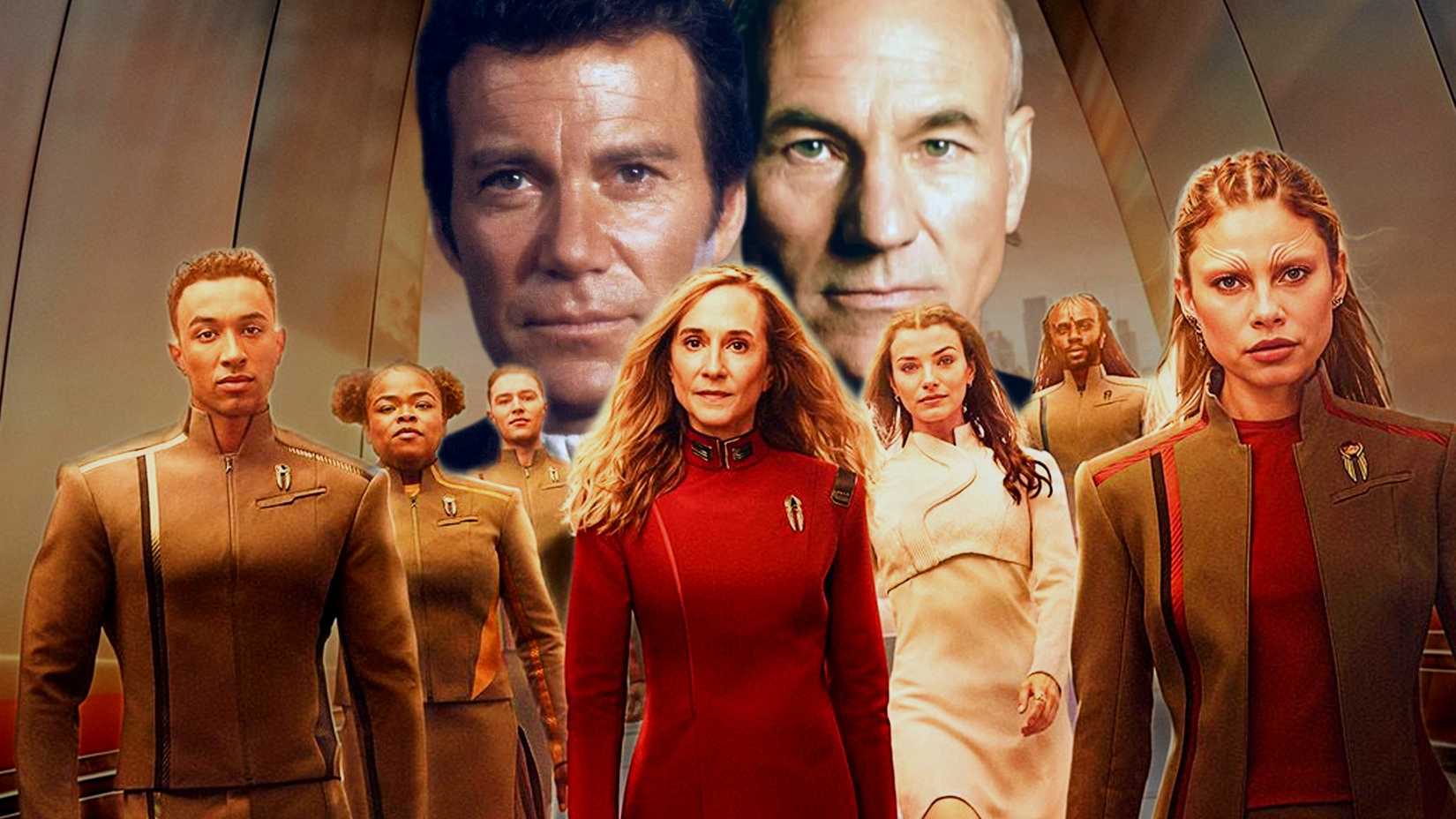
Which approach to creating a new Star Trek series is right no one may know. While Discovery made some serious errors early on, its later additions to Star Trek lore were many. Discovery introduced Captain Pike to a new generation of fans and broke those same fans’ hearts with the catastrophic “Burn.”
For Zero Point, Charlie Jane Anders is opting to follow in Gene Roddenberry’s footsteps by creating a “user-friendly” Star Trek experience. Indeed, Anders is aiming for a more general science fiction audience, ones more likely to read books by Martha Wells or N.K. Jemisin than a Star Trek comic or novel.
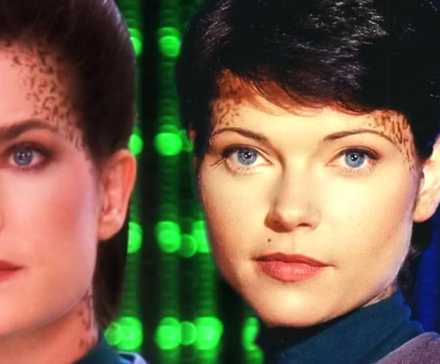
27 Years Later, Star Trek Redeems DS9 With a Major Change to Dax
Dax was one of Star Trek: Deep Space Nine’s best characters, and a future host is keeping the legacy alive and well into the 30th century.
The central concept behind Star Trek: Zero Point, that of artificial intelligence, is a hot topic in the real world. Raffi and her team will be using it to identify threats to the Federation and neutralize them before they get out of hand. Already, the concept is loaded with potential to explore issues of privacy and due process.
Star Trek: Zero Point Has a Rock-Solid Concept
Zero Point Has the Potential to be a Forward-Looking Star Trek Title
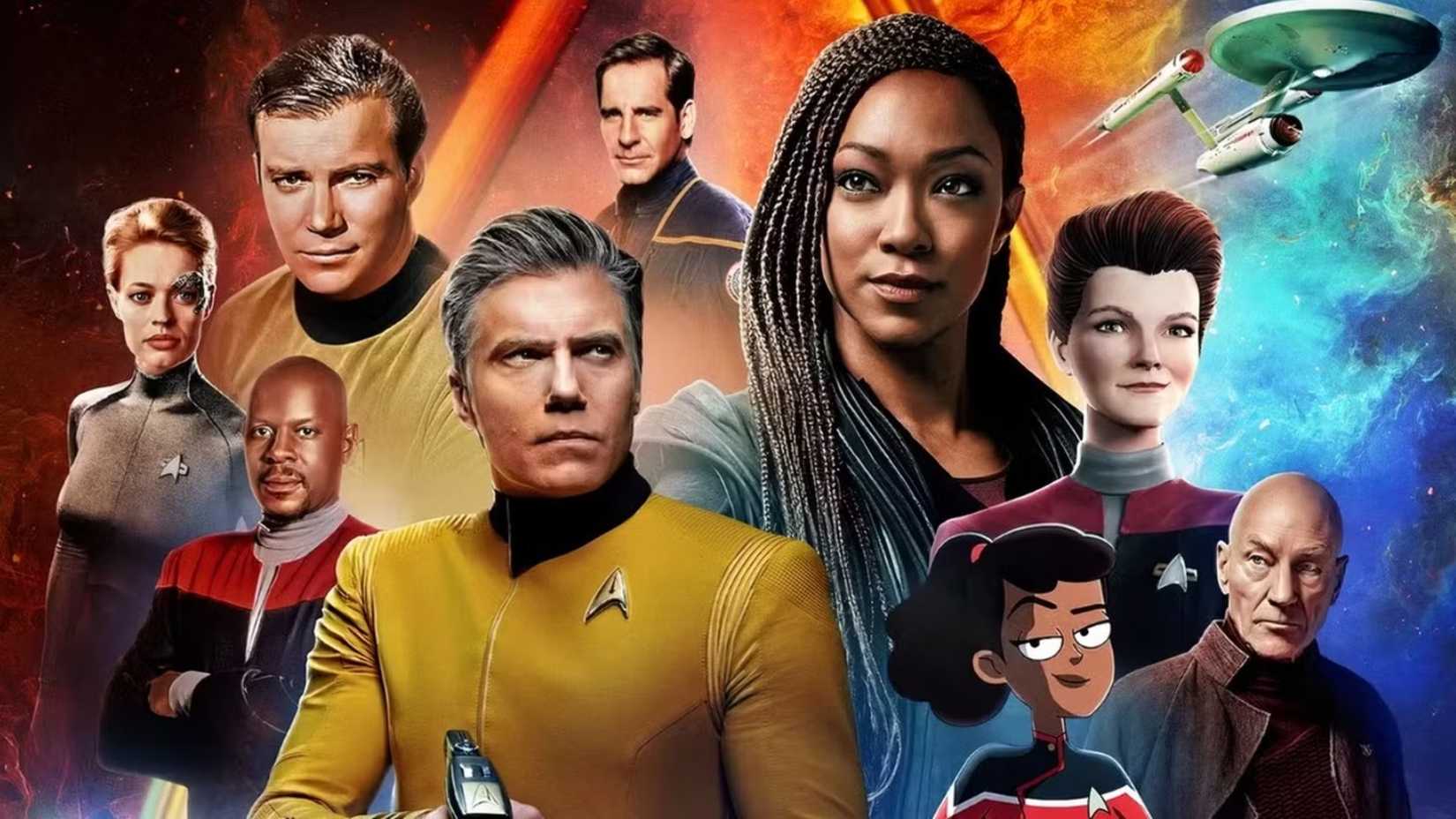
The AI Raffi and Starfleet are using is billed as being “more proactive” and this can also lead into some great stories. Star Trek has always explored ethical issues, and using an AI that identifies threats ahead of time raises many questions about the surveillance state. In many ways, it becomes Star Trek’s version of The Minority Report.