

The cast of The Decameron has a few recognizable names, like Zosia Mamet and Tony Hale, but it is largely made up of new faces. While Bridgerton has many steamy scenes, The Decameron uses its black humor to push the salacious drama and sexual liberation.
The Decameron Is A More Comical, Episodic Exploration Of Social Maneuvering
The Decameron approaches class dynamics and relationships with a much sharper sense of absurdity. It took Bridgerton four seasons to start questioning the uncomfortable relationship between servant and nobility, but The Decameron explores the manipulation right away. The result is a story that still centers on wealth, status, and desire, but explores those ideas through farce rather than fairy-tale romance.
That tone comes from the source material. Giovanni Boccaccio’s The Decameron is structured as a collection of 100 short stories told by a group of nobles sheltering from the plague, many of which satirize greed, lust, and hypocrisy among both the upper and lower classes.
The Netflix adaptation captures the spirit of The Decameron by leaning into an ensemble format where power constantly shifts. Nobles scheme to maintain their status, servants pursue their own ambitions, and romantic entanglements often spiral into elaborate misunderstandings.
In structure, the show sits somewhere between the episodic storytelling of Boccaccio’s book and the seasonal romances in Bridgerton. Rather than focusing on a single central love story, The Decameron jumps between multiple characters whose goals intersect in messy, often hilarious ways, with the narrative happening almost incidentally and episodically around them.
This approach makes the series feel more chaotic and comedic, especially as it pushes its sexuality and bawdiness further than Bridgerton’s glossy romantic escapism. The result is a show that still offers scandal and intrigue, but with a deliberately unpolished, farcical edge.
The Decameron Explores Medieval Italy Instead Of Regency England
Another major difference between The Decameron and Bridgerton lies in their historical settings. While Bridgerton unfolds within the rigid social structure of Regency-era England, The Decameron takes place in medieval Italy, where class boundaries could be somewhat more fluid.
|
Comparison Between Bridgerton & The Decameron |
||||
|---|---|---|---|---|
|
Series |
Setting |
Period |
Genre |
Source Material |
|
Bridgerton |
London high society |
Regency England (early 19th century, roughly 1813–1827) |
Romantic period drama with royal intrigue |
Bridgerton romance novel series by Julia Quinn |
|
The Decameron |
Countryside villa in Tuscany |
Medieval Italy during the Black Death (mid-14th century, around 1348) |
Dark comedy / satirical historical dramedy with romance |
The Decameron by Giovanni Boccaccio, a 14th-century collection of 100 short stories |
Birth still mattered, but wealth and opportunism could open doors that might remain permanently closed in the English aristocracy. In other words, status in The Decameron is often something characters attempt to maneuver into, rather than simply inherit.
That flexibility fuels much of the show’s satire. The series frequently highlights how far people will go to manipulate appearances, relationships, and inheritance in order to secure power or wealth. Pampinea’s scheme to claim she married a man she knows is secretly dead is a perfect example, allowing her to maintain control over property and status through sheer audacity.
These plots are deliberately exaggerated and comedic, but they still echo the same underlying motivations seen in Bridgerton. Characters in Shondaland’s Regency romance also manipulate social expectations to protect their futures, even if the show treats those deceptions with a more polished tone.
Portia Featherington’s lie about the origin of the family’s funds in season 2 is ultimately about preserving status. Similarly, Violet’s decision to lie in order to legitimize Sophie in the Bridgerton season 4 finale reflects the same willingness to bend the truth for security and belonging.
Ways The Decameron Is Better Than Bridgerton
Bridgerton has earned praise for attempting to modernize the historical romance genre, particularly through its diverse casting and willingness to explore sexuality. However, the series sometimes struggles to fully commit to the storylines it introduces. Queer relationships, in particular, often feel underdeveloped or pushed to the margins.
Brimsley’s romance in Queen Charlotte remains unresolved. Benedict’s bisexuality, a major element of his characterization in earlier seasons, is reduced to a brief, almost apologetic mention once his own romantic storyline takes center stage. However, the show will have a chance at sapphic love with Francesca and Michaela in a future Bridgerton season.
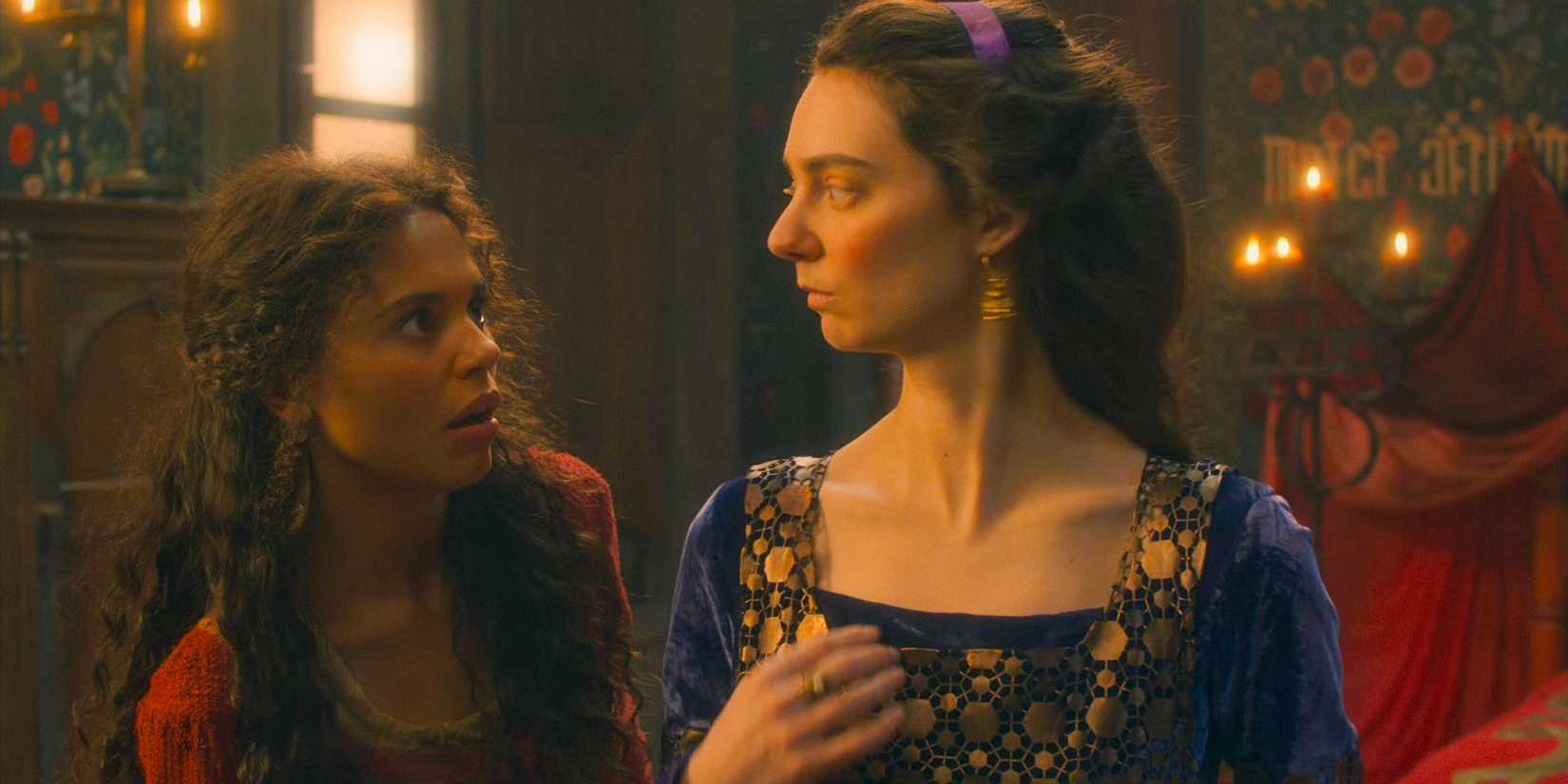
The Decameron, by contrast, treats queer identity with a lighter and more openly joyful touch. One character’s closeted sexuality is quickly met with understanding and acceptance from his wife, while another maid is relatively open about her attraction to women.
Like Bridgerton, the show is still presenting a fantasy of the past rather than strict historical realism, but its approach allows those characters to exist more freely within the story. The result is a version of historical escapism that simply feels more fun, especially because it allows LGBTQ+ characters to have happier outcomes.
The Decameron also offers a twist on a familiar romantic fantasy. Bridgerton season 4’s Cinderella story was widely celebrated. Yet The Decameron delivers its own version of that premise with a more subversive angle.
Licisca temporarily assumes the identity of her mistress, Filomena, giving her the chance to experience life as a noblewoman. When the truth emerges, the revelation that the two women are actually half-sisters reframes the story entirely. The sisters ultimately choose to support each other, creating a Cinderella story built on solidarity rather than salvation in The Decameron.