

Comic shops were sent ballots in advance, and readers were able to send in their votes, deciding the outcomes of 11 face-offs. And while the outcomes of some of the fights were questionable, to say the least (Captain America lost to Batman after he gets knocked off balance by sweating water), seeing the characters interacting was already more than most fans ever thought would happen.
And, if that wasn’t wild enough, the series introduced three new characters that would be shared between Marvel and DC: the Brothers, cosmic beings who represented the two companies, and Axel Asher, aka Access, who could travel between the universes.
Not only could Access teleport between the two universes, he also had the power to fuse beings together, creating an amalgamation of them. But Access’s mission was to ensure that the Brothers never merged the two realities. It was a mission that, for a short time, he failed at. At the end of Marvel Versus DC (or DC Versus Marvel if you would like), the universes combined to create something never seen before.
The Amalgam Universe Went Beyond Fans’ Dreams
The crossover event that saw DC and Marvel’s greatest characters go toe-to-toe ended with both universes merging into one, and the Amalgam Universe was born. Suddenly, a concept fans never dreamed of seeing — their favorite characters combined to create new and interesting concepts — was a reality.
More than that, the two dozen comics to come out of Amalgam were, for the most part, incredible. The ideas, the designs, and the stories — even though they were all one-shots — were, for the most part, brilliant. For a brief moment, readers were treated to what had once seemed impossible.
Spider-Man & Superman Get Their Own Civil War In Official Marvel & DC Art
Ahead of their official Marvel/DC Comics crossover, we just got our first look at Spider-Man and Superman’s new Civil War-inspired artwork.
Standout stories included Mark Waid and Dave Gibbons on Super-Soldier, the combining of Superman and Captain America into a World War II hero who gains powers when he is infused with alien DNA, and Dark Claw Adventures, which saw Ty Templeton and Rick Burchett meld Wolverine with Batman: The Animated Series.
But the two comics that really took the Amalgam concept to the highest level were Spider-Boy and Spider-Boy Team-Up. The first series, by Karl Kesel with art by Mike Wieringo, featured the titular character, who was a clone with gravity powers that let him imitate the wall-crawling abilities of spiders. In Team-Up, Spider-Boy travels to the future to work with the Legion of Galactic Guardians 2099.
Spider-Boy Was The Shining Star Of Amalgam
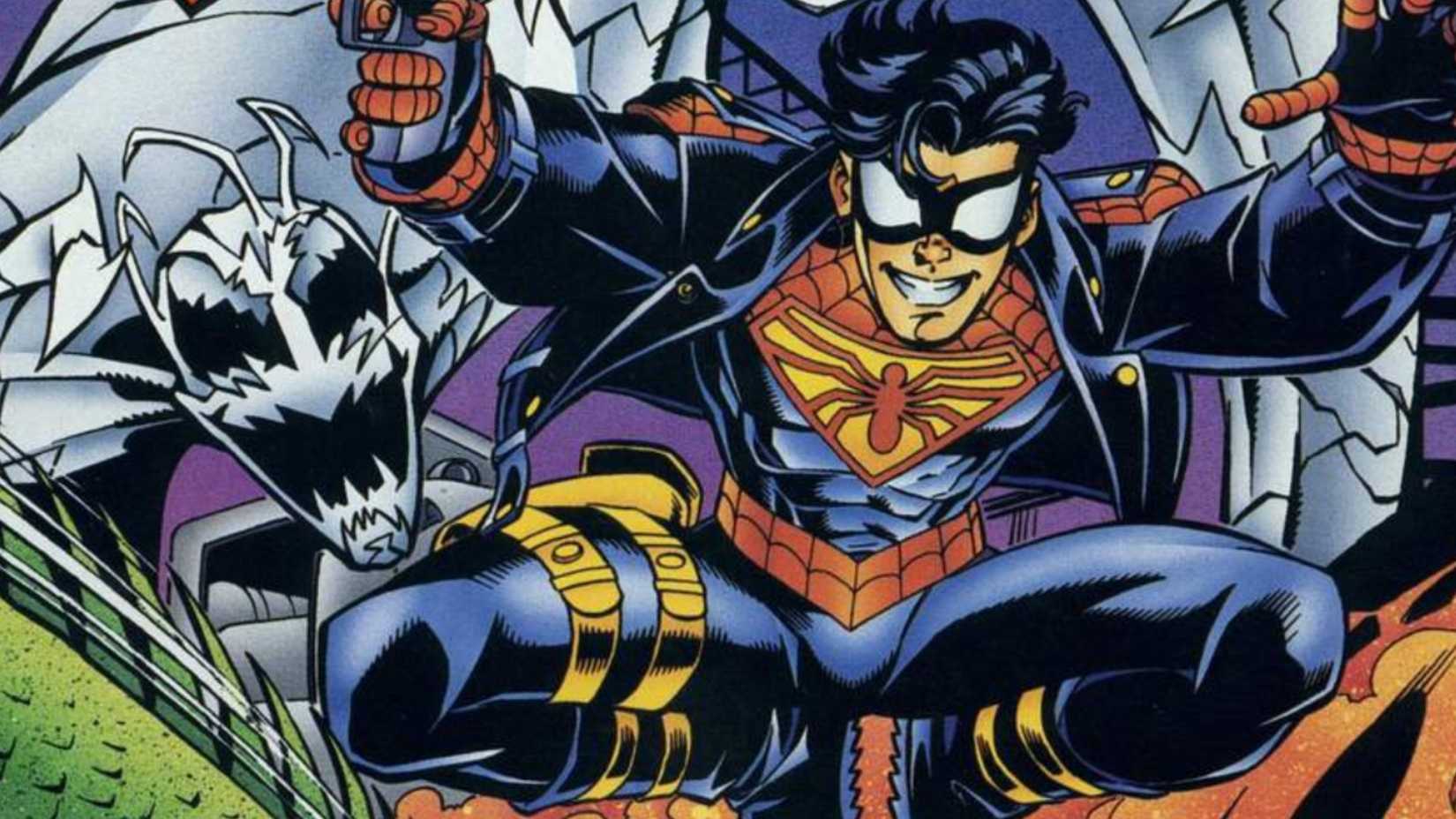
Wieringo’s Spider-Boy design instantly became a fan favorite. The artist perfectly mixed Spider-Man with the Conner Kent Superboy. Giving the character a “web-pistol” instead of web-shooters gave the hero his own style (and, possibly by accident, plays into the hoax “Jack Kirby Spider-Man design” that included a gun). And giving Spider-Boy the civilian identity of Peter “Pete” Ross was a wonderful way to play with both mythologies.
Spider-Boy Team-Up, by Roger Stern, Karl Kesel and José Ladrönn continued to build on the inventiveness. Blending DC’s Legion of Super-Heroes with the Guardians of the Galaxy, which, at the time, was a superhero team from Marvel’s future, didn’t just play on those two teams, it mixed together DC’s Legion with a variety of Marvel characters and teams.
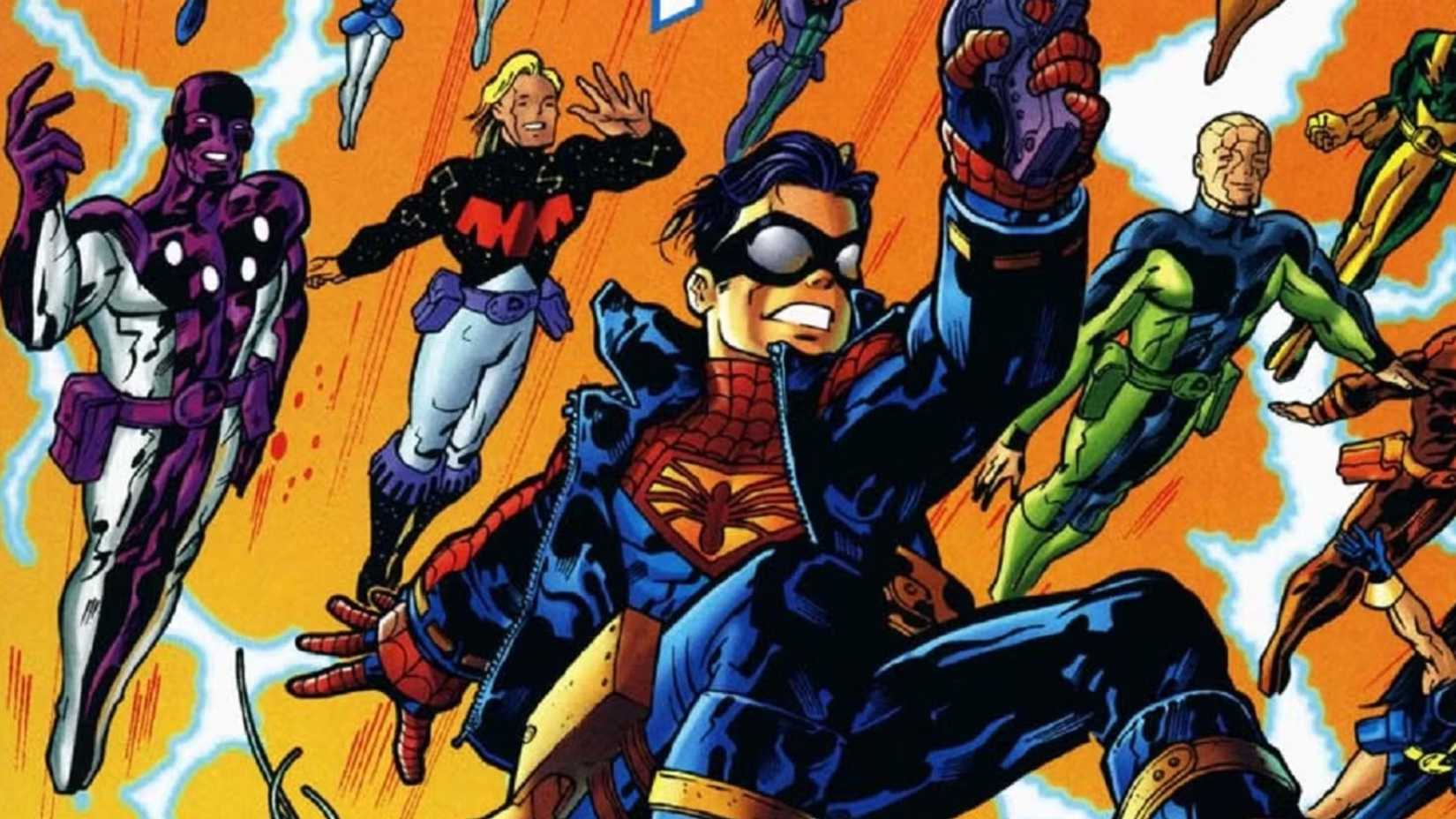
There was Bouncing Ball, who represented Bouncing Boy and Speedball. Fantastic Lad, who mixed Elastic Lad with Mister Fantastic. Living Lightning Lad combined Lightning Lad with the Living Lightning. And, best of all, Chameleon merged DC’s Chameleon with Marvel’s… Chameleon. Adding to the fun, the story saw Spider-Boy and the Legion of Galactic Guardians 2099 deal with a “Chronal Collapse,” playing on DC’s Zero Hour.
The Chronal Collapse led to a rebooted LOGG 2099, giving readers an entire second set of merged characters to enjoy. This single issue featured almost 50 different superhero combinations. For readers, it was a veritable smorgasbord of imagination.
Could The Amalgam Heroes Return?
Unsurprisingly, DC Versus Marvel and the Amalgam comics were hard to find for ages. But recently, after doing a limited reprint of the iconic Kurt Busiek and George Perez JLA/AVengers series, Marvel and DC put their differences aside and started doing crossovers again., with Batman/Deadpool and Spider-Man/Superman.
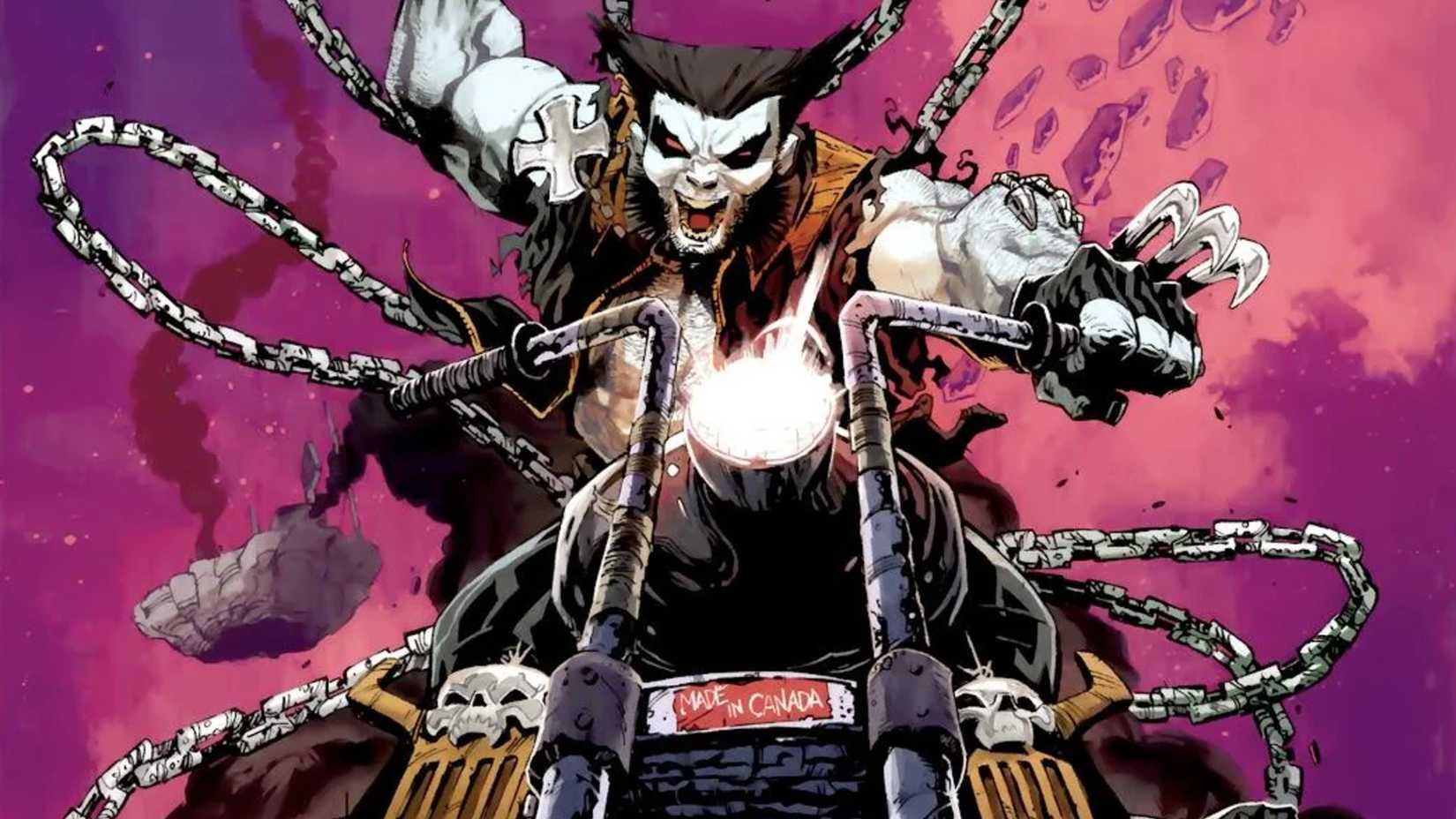
Along with the new crossovers, DC Versus Marvel and The Amalgam Age of Comics were given omnibus releases. And, most surprisingly, a new Amalgam character, Logo, combining Wolverine and Lobo showed up in Deadpool/Batman. This quick story by Ryan North and Ryan Stegman, which includes a brief mention of Super-Soldier, has fans hoping that the two companies are planning more for the future.
No one thinks that the Amalgam Universe could become an ongoing concept, but with the two companies more open to working together these days, it’s hard not to dream of seeing new one-shots with the characters. The most hopeful of fans are wishing for a Spider-Boy miniseries. But any chance to revisit one of the most fun and creative ideas of the 1990s is a chance every fan would love to take.
And not just with the characters from the ’90s version. Just like with Logo, fans would be excited to see new characters based built out of the last 30 years of DC and Marvel Comics. A new Spider-Boy mixing Miles Morales and Jon Kent. A combination of Cassandra Cain and Kamala Khan. The opportunities are endless. And now is the perfect time to explore them.