

The action genre itself has made huge leaps in the past century, from the early Westerns of directors like Howard Hawks all the way up to Michael Bay movies like Transformers. The greatest outings in the genre tend to influence the types of movies that follow for years afterward too, with John Wick’s Gun-fu being a recent example.
1920s: The General
While technically a comedy and not an action movie, The General sure has some of the most exhilarating action sequences ever put to film. Co-directed by and starring silent movie icon Buster Keaton, the story follows Keaton’s Johnnie as he tries to reclaim the titular train after it’s stolen by Union spies.
The General was an unexpected flop for Keaton upon release, but decades later, it came to be seen as his greatest work. The physical pratfalls and stunts he pulls off are still awe-inspiring; doubly so, considering the film was shot entirely without CGI or other such trickery.
1930s: Stagecoach
Action cinema as audiences know it in the 2020s didn’t really exist in the same way in the 1930s. Instead, Westerns like Stagecoach would focus on drama and character development with little bursts of action, before staging one big show-stopping setpiece. This John Wayne/John Ford Western classic follows that mantra.
The Apache attack is a masterclass in how to put such a setpiece together, combining still-impressive stuntwork while using rear-screen projection for certain shots. The scene is superbly paced and edited too, and feels nearly as intense today as it did in 1939.
1940s: The Mark Of Zorro
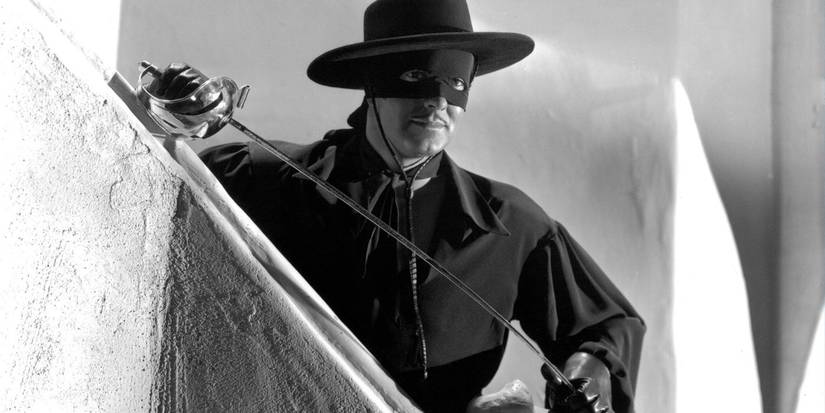
An adventure that buckles the maximum number of swashes, The Mark of Zorro is a blast from start to finish. It plays as something of a superhero origin story now, where Tyrone Powers’ Diego pretends to be a dumb playboy by day while turning into the righteous avenger Zorro by night.
Many versions of Batman’s origin depict young Bruce Wayne as having watched The Mark of Zorro with his parents right before they were murdered.
The Mark of Zorro is led by the wildly charismatic Powers and Basil Rathbone as the villain. Their sword duel is still an amazing battle, and it’s easy to see why it’s cited as a standout to this day. Despite its age, this take on Zorro remains a thrilling outing that set a high standard for the genre.
1950s: The Wages Of Fear
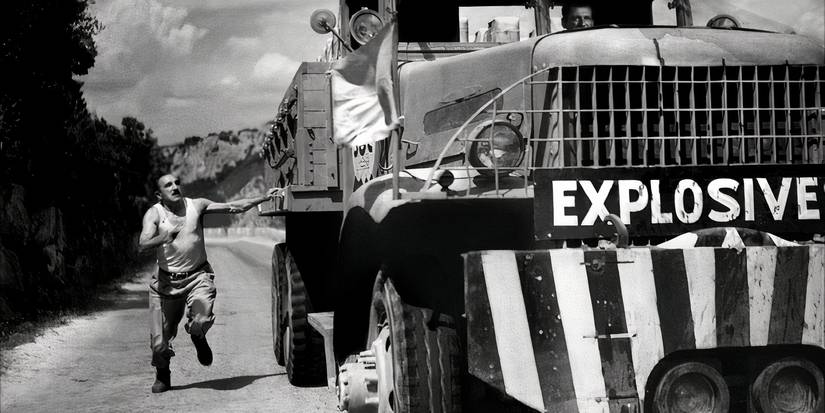
This French thriller by Henri-Georges Clouzot has one of the all-time great hooks. It involves four desperate drivers tasked with driving unstable dynamite across dangerous terrain to put out an oil well fire. The movie takes its time to get to know its doomed heroes before they set out on their journey.
Once they’re driving, The Wages of Fear becomes almost nightmarishly tense as they face every problem imaginable en route. The film is considered a classic for a reason, and while it’s been endlessly ripped off (or remade), there’s something about the stripped-back intensity of the original that makes it so entralling.
1960s: Goldfinger
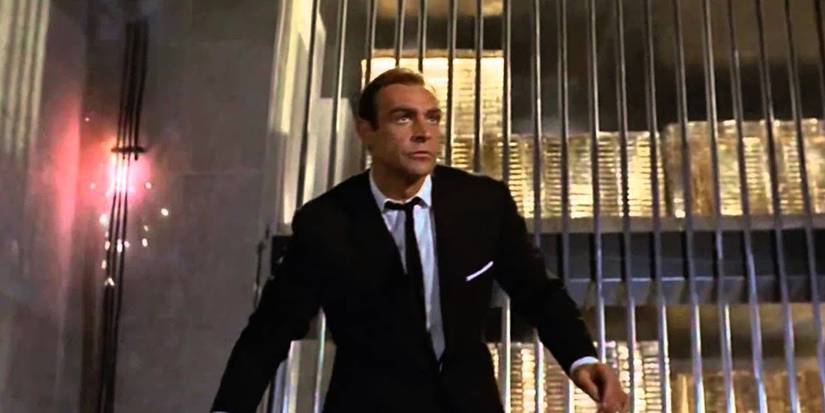
The first two James Bond outings (Dr. No and From Russia with Love) were already big hits, but Goldfinger made 007 into a genuine phenomenon. It set into place the franchise’s formula: the villain with the overly elaborate plan, the gadgets, the cool car, the mute henchmen and so much more.
More than that, Goldfinger became the epitome of cool in 1964. Sprinkled throughout are great setpieces, such as an elaborate car chase where Sean Connery’s 007 gets to test out the many gadgets inside his Aston Martin, to the Fort Knox finale. More than any other Bond entry, Goldfinger’s DNA is still felt within the franchise to this day.
1970s: Dirty Harry
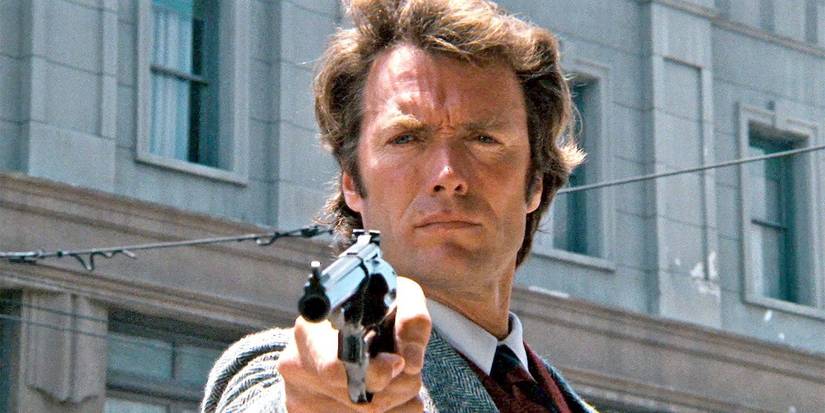
The Dirty Harry movies are some of Clint Eastwood’s most famous, with the 1971 original turning him into a true A-lister. Eastwood plays the titular San Francisco detective, who trails a vicious serial killer. Harry not only has to take this cunning psychopath down, he has to deal with multiple layers of bureaucracy to do so.
While its rogue cop setup might feel dated nowadays, Dirty Harry still works as a gritty action thriller. From Harry foiling a bank robbery during his lunch break to the Western-style final showdown, director Don Siegel gives each setpiece its own personality while also making every one feel integral to the story.
1980s: Die Hard
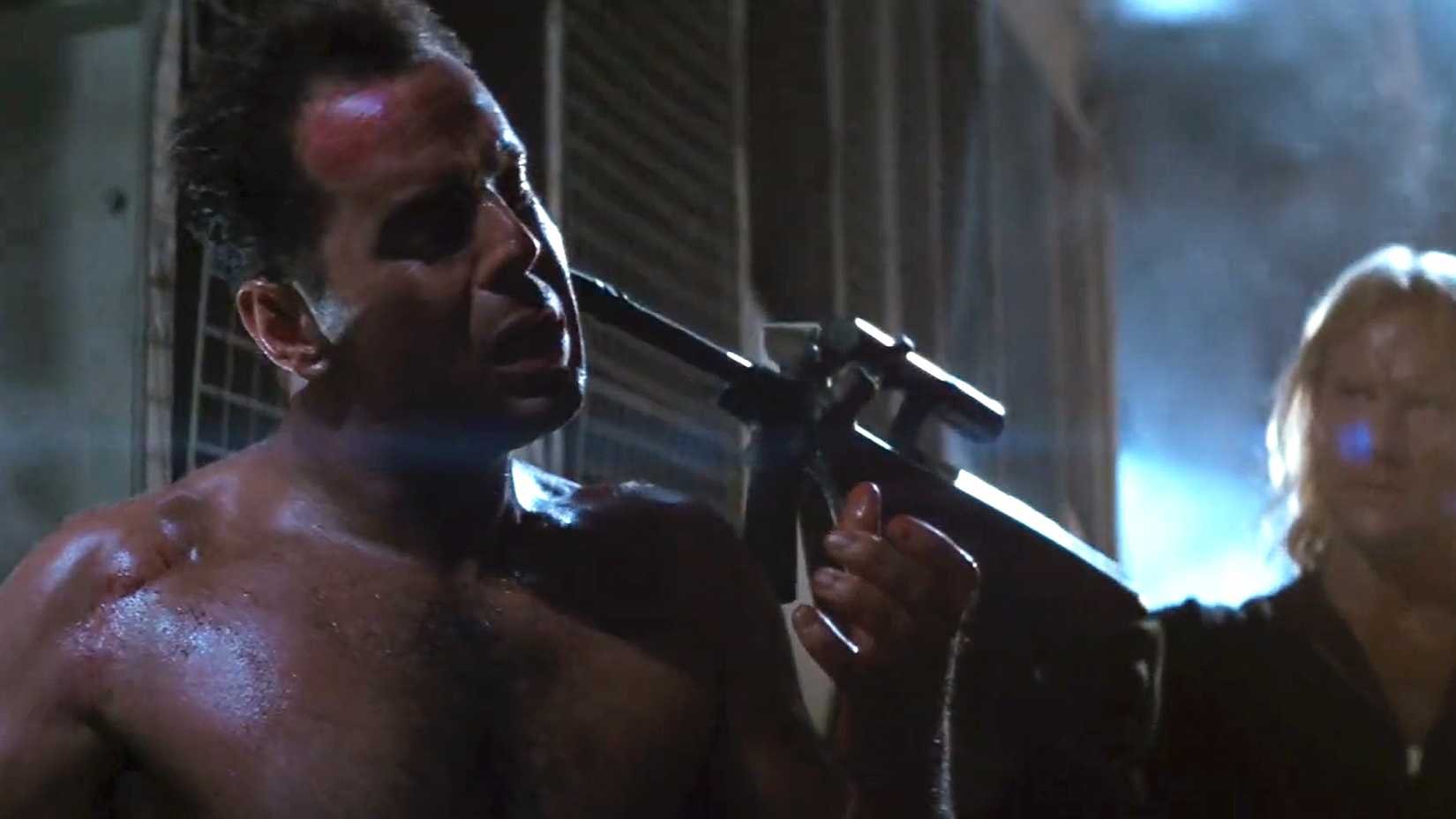
Action films of the 1980s were largely dominated by the muscle-bound antics of stars like Stallone. Die Hard would rewrite the rulebook entirely, making Bruce Willis’ everyman cop John McClane the hero. McClane is tasked with saving a building full of hostages (including his estranged wife) from a terrorist takeover on Christmas Eve.
John McTiernan’s perfectly judged blockbuster blends drama, comedy and action in a mixture that has never been replicated so successfully. From Willis’ charming yet vulnerable turn as the hero to Alan Rickman’s peerless turn as the bad guy, Die Hard is about as close to flawless as action blockbusters are possible to get.
1990s: Hard Boiled
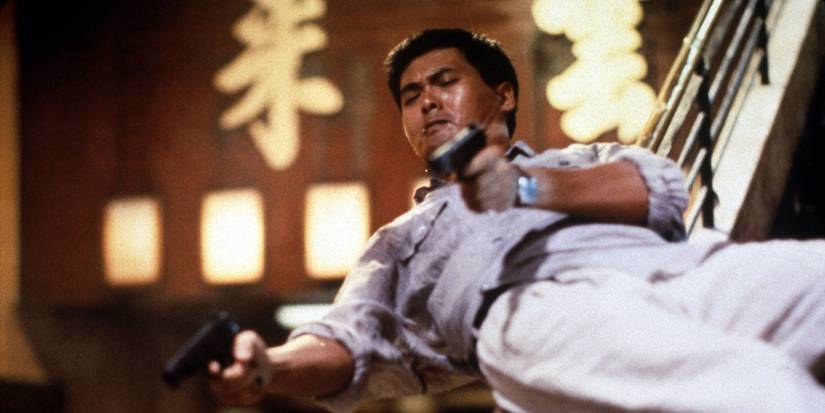
An argument could be made that John Woo is the greatest action filmmaker of all time, and Hard Boiled is his masterwork. This casts Woo’s regular leading man Chow Yun-fat as Hong Kong cop “Tequila,” who teams with an undercover officer to take down an arms dealer; dozens of incredible gunfights follow.
Hard Boiled was Woo’s final Hong Kong outing before his move to Hollywood, and it’s a total mic drop. From the opening tea house firefight to the extended hospital siege finale, the film is a visceral and kinetic ride from beginning to end. It also helps to have performers like Tony Leung and Chow to make it look so cool.
2000s: Kill Bill: Volume 1
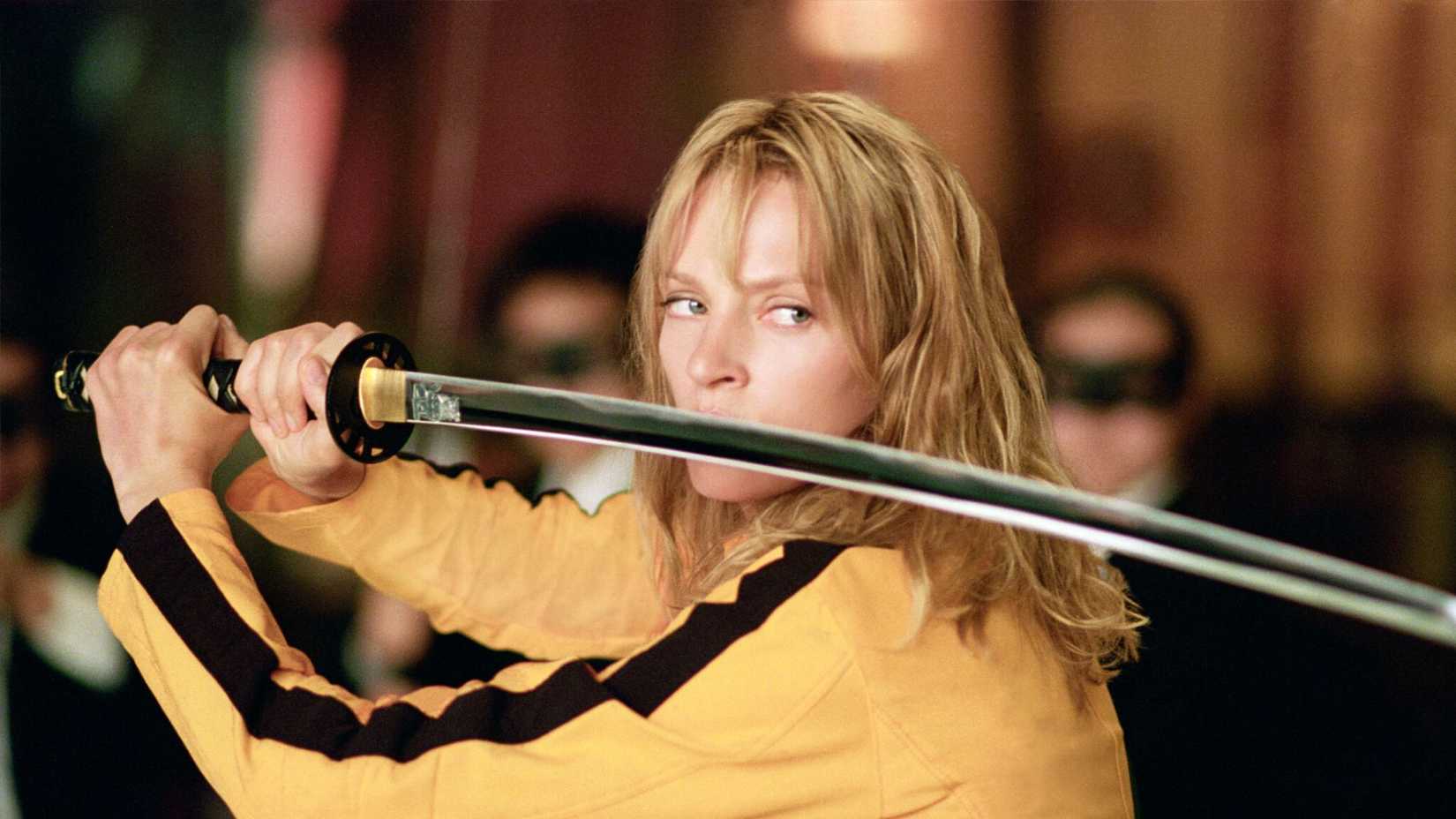
Quentin Tarantino had never really helmed a full-on action movie before his Kill Bill duology, but boy, did he pass that test with flying colors. Volume 1 remains a stylish, action-packed “Revenge-o-matic” where Uma Thurman’s assassin The Bride awakens from a coma to seek vengeance on her former colleagues.
Kill Bill: Volume 1 sets the scene early with a nasty knife fight, but Tarantino saves the best for last with the climactic House of Blue Leaves battle. The Bride uses her sword to devastating effect, hacking and slashing through dozens of goons before the oddly beautiful showdown with Lucy Liu’s icy O-Ren Ishii.
2010s: Mad Max: Fury Road
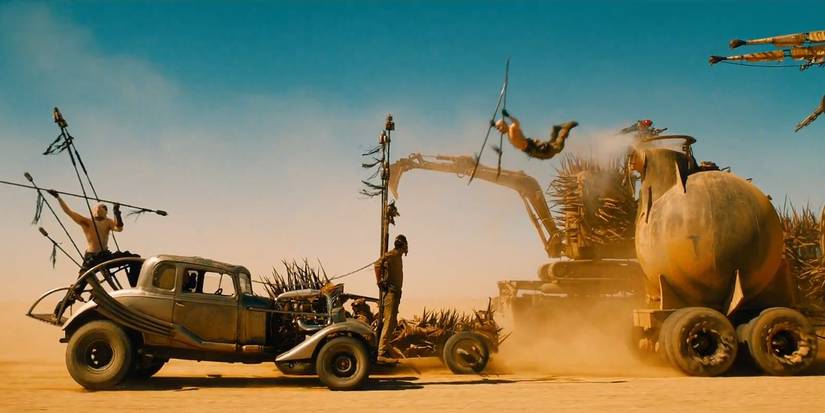
Fury Road arrived 30 years after the previous Mad Max movies, and suffered through a messy production where it went wildly over budget. What should have been a total disaster instead became one of the best films of the 21st Century. It’s a relentless actioner that takes place in a beautifully fleshed-out, post-apocalyptic world.
Mad Max: Fury Road is essentially one long chase, where character development and exposition are woven into the setpieces. It’s rare for any film to become instantly iconic, but both critics and audiences recognized it as the masterpiece it is on arrival. Charlize Theron’s Furiosa has since become almost as beloved as Max himself too.