

Which makes it disappointing that the novel’s most iconic quote isn’t actually its best. While Fitzgerald ends the 1925 novel with a killer last line, it doesn’t deserve to be remembered as the story’s defining quote. Indeed, there’s another line that isn’t just more deserving – it’s a sentiment you should actually live by.
Fitzgerald liked the line so much that he had it engraved on his tombstone..
.
Why Great Gatsby’s Last Line Is Overrated
At the conclusion of the novel, narrator Nick Carraway reflects on Gatsby’s tragic death and makes an observation about the larger American experiment and human condition, stating:
So we beat on, boats against the current, borne back ceaselessly into the past.
Fitzgerald liked the line so much that he had it engraved on his shared tombstone with wife Zelda Sayre Fitzgerald. And there’s no denying it’s an enthralling turn of phrase, and… kind of a compelling reflection on the human condition.
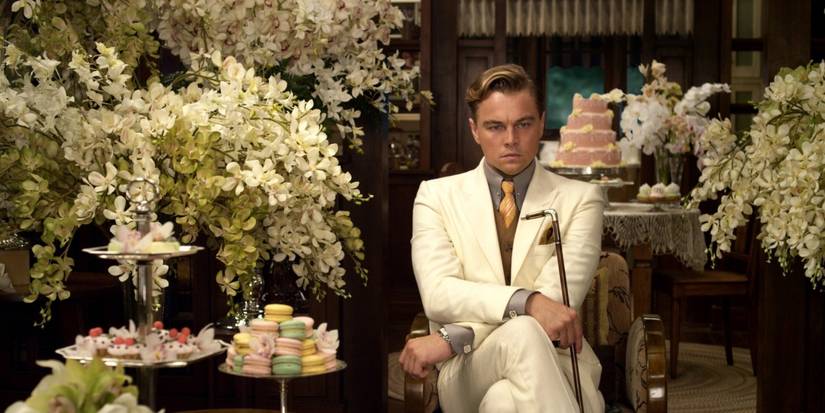
In the novel, Gatsby dedicates his life to recapturing his youthful romance with Daisy Buchanan. But while he believes it’s possible for the two to be together, his dreams are thwarted by both Daisy and her husband Tom – careless people who end up getting him killed, in the process revealing that while Daisy enjoyed the fantasy of Gatsby, she was never actually going to blow up her life to be with him.
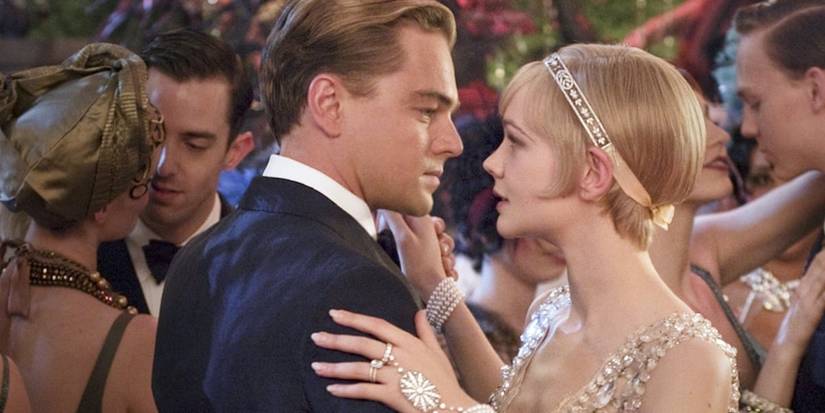
Sure, part of Gatsby’s problem is that he tries to reconnect with Daisy despite the impossibility of them forging a new life, and part of his inability to be with Daisy is because he made his money via bootlegging – something the upper crust will never accept – but his real problem isn’t that he’s borne back into the past… it’s that he never had a chance to begin with.
This Is Great Gatsby’s True Greatest Line
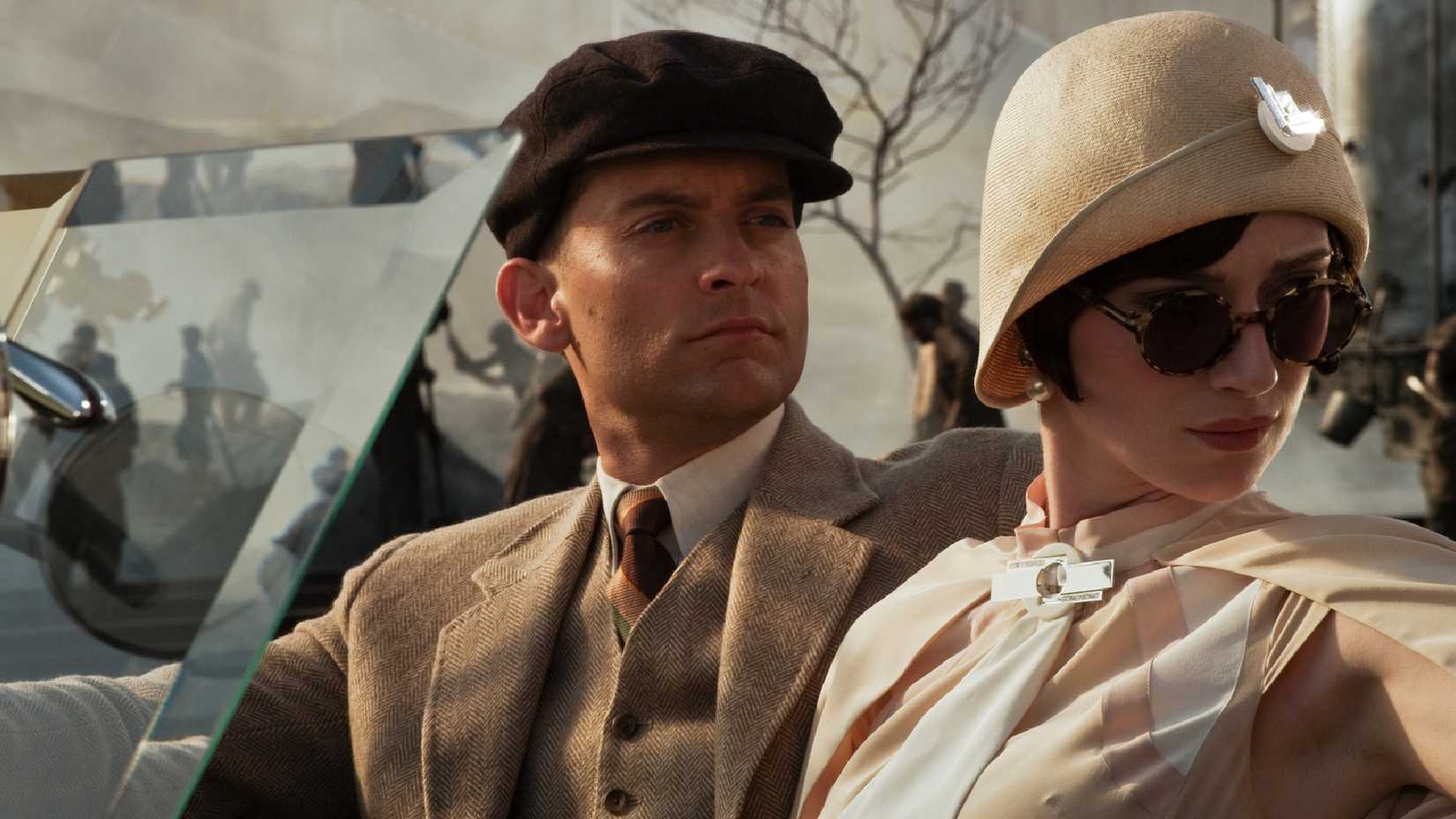
One of the most prominent themes in The Great Gatsby is the carelessness of the upper class. They have nothing to lose and so they don’t truly value anything, even each other. Tom and Daisy both cheat on their spouse, despite having no intention of actually giving their hearts to anyone else. As Nick observes:
They were careless people, Tom and Daisy – they smashed up things and creatures and then retreated back into their money or their vast carelessness…
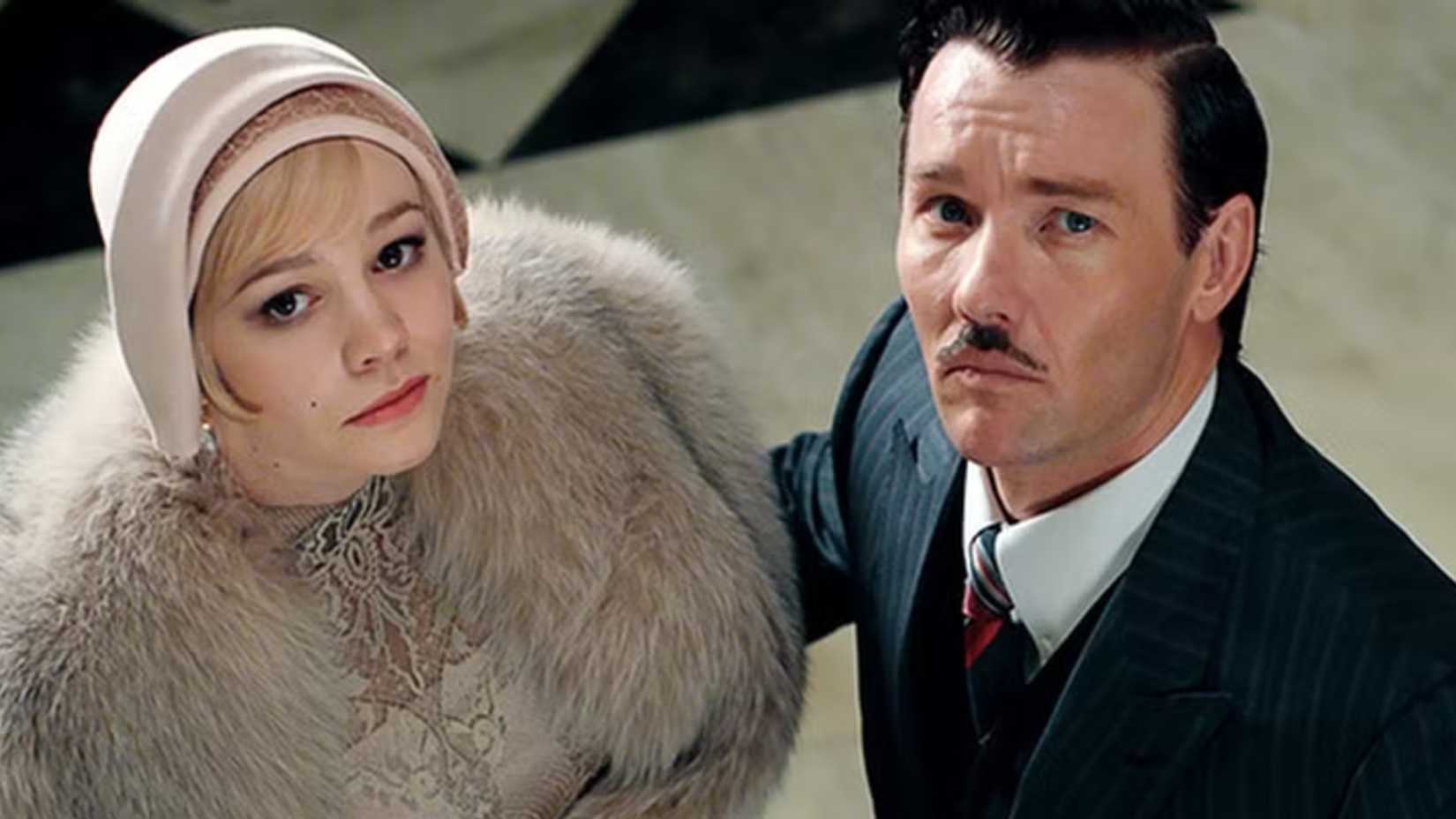
One of the main metaphors the novel uses for this carelessness is driving. The novel’s ending revolves around a fatal car crash caused by a tangle of emotional and physical carelessness, especially Tom’s emotional disregard for his mistress Myrtle Wilson.
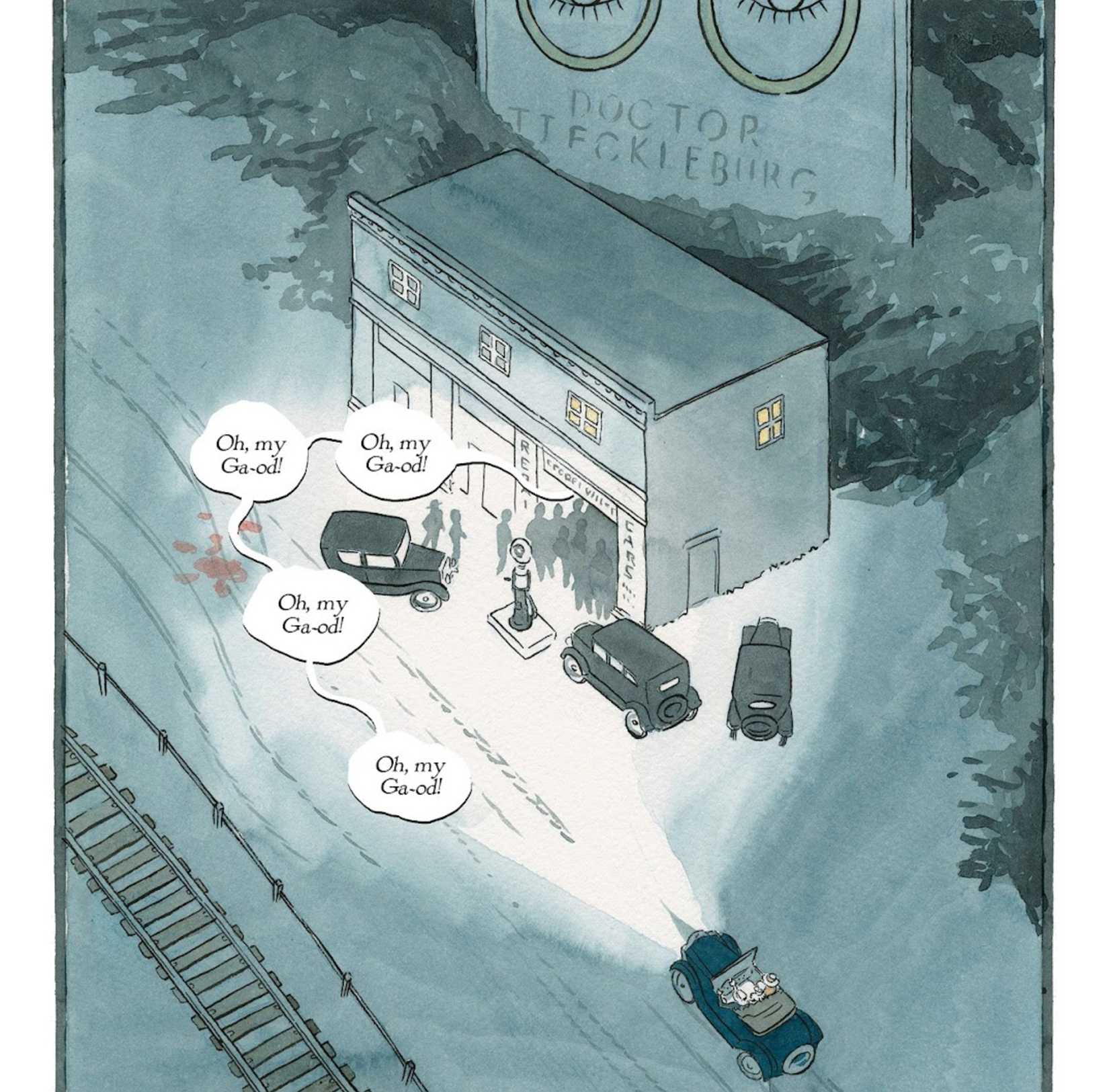
However, it’s present elsewhere. In chapter three, Nick goes for a drive with love interest Jordan Baker and observes that she’s an awful driver:
“You’re a rotten driver,” I protested. “Either you ought to be more careful or you oughtn’t to drive at all.”
“I am careful.”
“No, you’re not.”
“Well, other people are,” she said lightly.
“What’s that got to do with it?”
“They’ll keep out of my way,” she insisted. “It takes two to make an accident.”
“Suppose you met somebody just as careless as yourself.”
“I hope I never will,” she answered. “I hate careless people. That’s why I like you.”
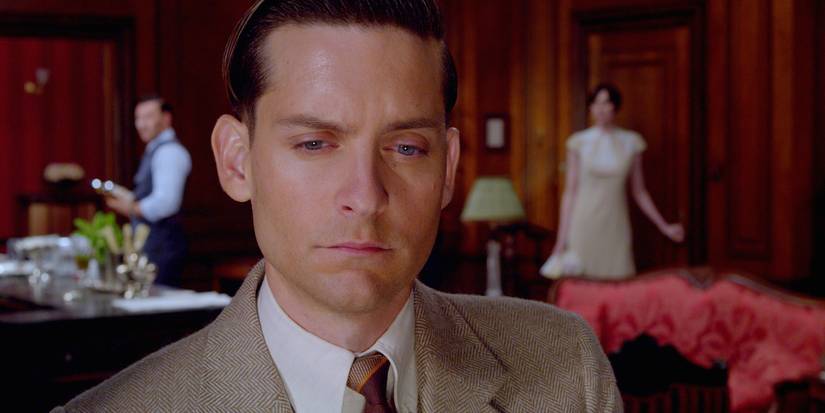
In chapter nine, the novel returns to this conversation, as Jordan excoriates Nick for breaking her heart – both due to his own carelessness and the disgust he has developed for members of the upper crust.
“You said a bad driver was only safe until she met another bad driver? Well, I met another bad driver, didn’t I? I mean it was careless of me to make such a wrong guess. I thought you were rather an honest, straightforward person. I thought it was your secret pride.”
It may not be quite as florid as the quote that embosses Fitzgerald’s tombstone, but “You said a bad driver was only safe until she met another bad driver? Well, I met another bad driver, didn’t I?” is The Great Gatsby at its absolute best.
Exactly Why The Great Gatsby’s “Bad Driver” Quote Is Its Absolute Best
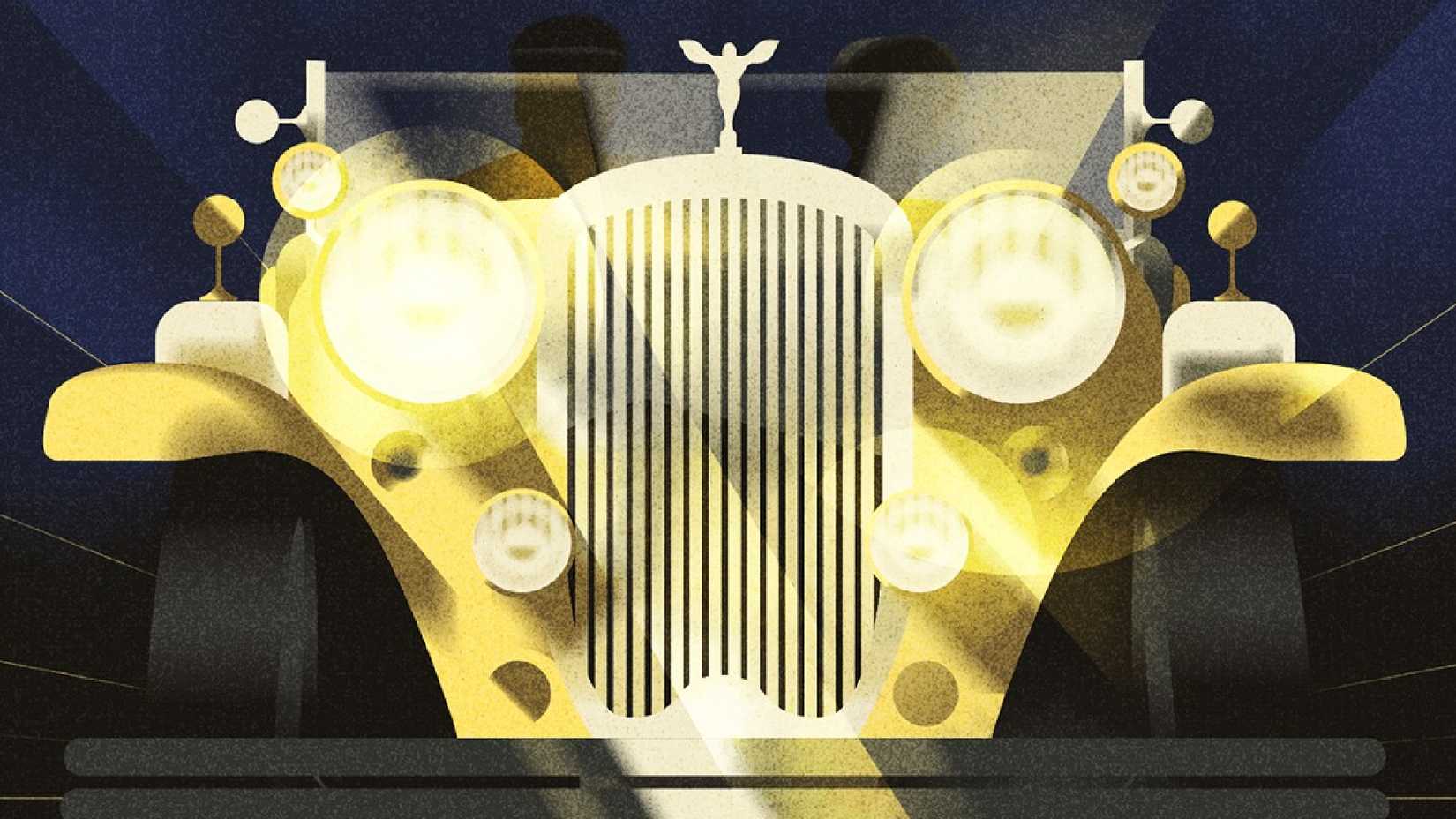
There are some fantastic quotes in The Great Gatsby, but Jordan’s reflection on “bad drivers” gets to the absolute heart of the novel’s human message and is something every reader should take forward into their own lives.
The Great Gatsby is about both class and the foundational mythology of America, and Jordan’s reflections make two points – one, that the powerful are free to do as they will because the rest of the world will bend to accommodate them. Two, that recklessness and disdain for others can seem harmless – even effective – while it’s working, but in the long-run it always leads to disaster.
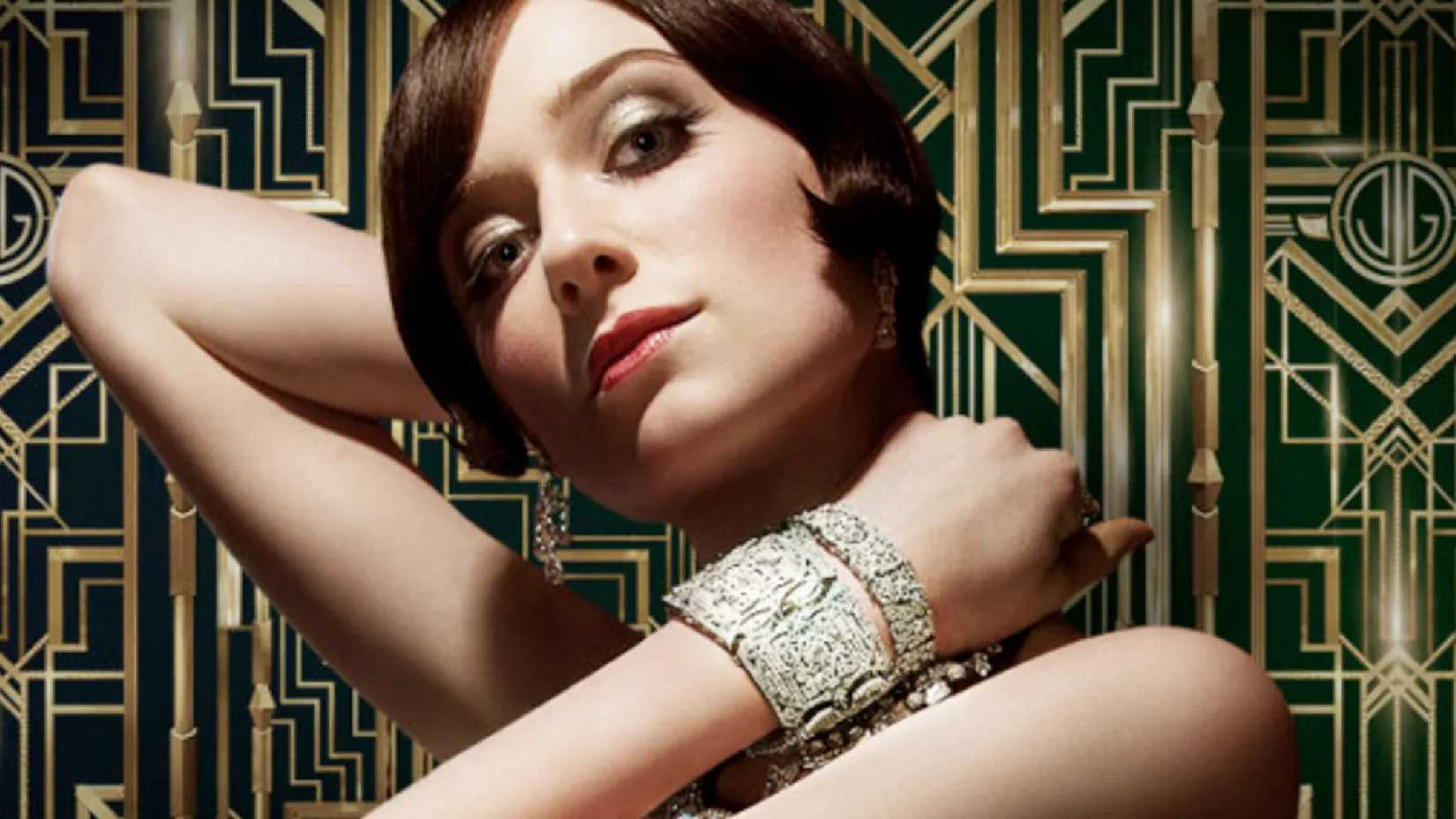
Whether you apply this observation to politics, ecological disaster, societal inequality, or your own life, Great Gatsby‘s warning rings true – when those with power are “careless”, disaster follows, whether they notice it or not.
The quote also gets to the heart of Gatsby’s real obstacle in the novel. Gatsby’s problem isn’t the events of the past, it’s that he isn’t and never can be one of the people who can afford to be a “bad driver.” He tries to achieve the American Dream, but it’s an illusion, and by adopting the recklessness that’s the preserve of those born into power, he’s destroyed both emotionally and figuratively.
Do You Agree About The Great Gatsby’s Last Line?

F. Scott Fitzgerald’s “So we beat on, boats against the current, borne back ceaselessly into the past” is a wonderfully phrased sentiment, but not one that communicates why the book is so successful in its commentary. It’s also vague enough that different readers perceive it in different ways – an inherent quality of art, and sometimes a positive, but one that undercuts the larger, more specific statement of the novel.
Jordan’s lament that “You said a bad driver was only safe until she met another bad driver? Well, I met another bad driver, didn’t I?” is a more potent lament about power, responsibility and consequences, and one that deserves to be the quote associated with the novel.
But that’s just our take. Let us know below whether you agree that Jordan’s quote is The Great Gatsby‘s best, and what other moments from the novel deserve this title.