Although HBO’s Game of Thrones single-handedly created a market for dark, R-rated fantasy shows, spawning future hits like Outlander, Castlevania, and Interview with a Vampire, as well as its spinoff House of the Dragon, the original show’s last season still soured its entire reputation. Endings are notoriously tricky to pull off, and TV’s lengthy stories only make them harder.
However, The Sopranos managed to not only end its plot perfectly, but also provide viewers with one of the most enduringly popular unsolved mysteries in TV history in the process. One of the formative titles that ushered in the Second Golden Age of Television around the turn of the Millennium, creator David Chase’s The Sopranos is one of the best TV shows of all time.
The Sopranos’ Controversial Final Shot Was Perfect
The series focused on the titular mafia family and, in particular, James Gandolfini’s conflicted patriarch Tony Soprano. Unlike most gangster stories, which center on the dramatic rise and fall of figures like Scarface’s Tony Montana or Goodfellas antihero Henry Hill, The Sopranos dissected the complexities of everyday life in the mob. Like HBO’s later hit The Wire, the series humanized its criminal characters.
In fact, the story of The Sopranos started with Tony enlisting the help of Lorraine Bracco’s psychiatrist, Dr. Melfi, due to his debilitating panic attacks. From the off, it was clear that Chase’s series wasn’t another glamorized depiction of mob life, but instead, a subversive look at a suburban gangster whose comparatively modern views clashed with his brutal occupation.
As the story of The Sopranos continued, viewers soon learned that everyone else in Tony’s family and his professional circles was just as complex, multifaceted, and surprisingly sympathetic as he was. By the end of season 6, it was hard to dismiss the New Jersey mob as a group of ruthless thugs when viewers had seen them at both their best and worst.
That said, the best episodes of The Sopranos never sugarcoated the darker side of Tony’s criminal enterprise. As early as the show’s fifth episode, Tony killed a would-be assassin in cold blood while touring a college campus with his teenage daughter, who was blissfully unaware of her father’s secret double life.
As The Sopranos continued, Tony’s attempts to separate the inherent violence of his work from his family life failed, and the cracks in the eponymous family’s facade of suburban normality started to deepen. Meanwhile, tensions within his own mob and between rival mafia families worsened, leading to one of TV’s greatest finales ever.
In season 6, episode 21, “Made in America,” Tony’s war with Phil Leotardo reaches its bloody conclusion, and Tony looks ahead to an uncertain future. Whether it is prison, freedom, or his own death that faces Tony is unclear as he assembles his family for dinner at a diner. In the finale’s last scene, Tony looks up from his meal mid-conversation as a bell rings, and the screen cuts to black.
The Divisive Reaction To The Sopranos’ Ending Only Enhanced Its Legend
The ending of The Sopranos never explains whether Tony dies or not. Throughout his family dinner, Tony is nervous and inattentive, watching every patron who enters the building closely as he eats and talks. Meadow’s late arrival and the presence of a man in a Members’ Only jacket perturb him, but it is unclear what the episode’s final bell signifies.
According to many viewers, the ringing bell could tell viewers that a gunman has just entered the diner to dispatch Tony, either as revenge for Leotardo’s recent killing or to limit the potential mob fallout from Carlo’s upcoming testimony. However, all the final shot depicts is a panicked Tommy glancing up before the show cuts to black for the last time.
Almost 20 Years On, The Sopranos’ Final Shot Has Aged Well
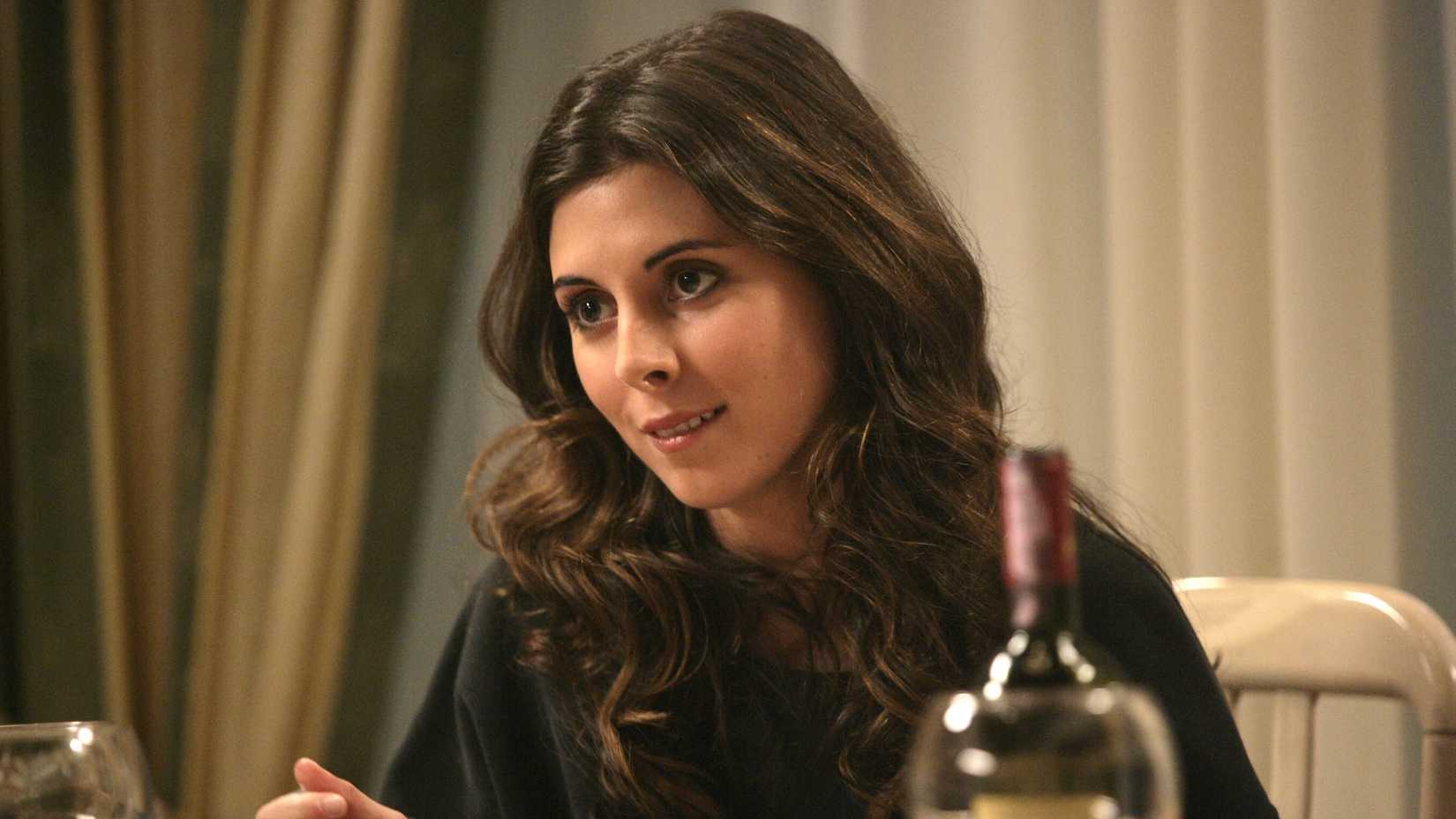
Image courtesy of Everett Collection
While ending the show with Tony’s assassination in front of his family might sound more dramatic, ironically, this would have been the easier, safer choice for the ending of The Sopranos. Throughout its run, the show thoroughly subverted the rise and fall narrative that has shaped gangster movies from the ‘50s right through until Scorsese’s filmography.
Thus, a clean, albeit bloody, ending to Tony’s story would have felt too tidy, too morally black and white, and too didactic for this infamously enigmatic, ambiguous series. Infamously, when the show’s finale first aired, some viewers feared that its cut to black was just a technical glitch, and that they had missed a pivotal final shot clarifying Tony’s fate.

27 Years Later, The Best Gangster Series Of All Time Will Never Be Topped
While crime dramas and gangster TV are difficult to get right, those that are able to make them work build the most fascinating stories on modern TV.
20 years later, it couldn’t be clearer that this final shot was perfectly judged, as the ending continues to confound fans of the series and provoke myriad interpretations of the scene. At the time of its original release, it seemed like “Made in America” couldn’t maintain the show’s moral ambiguity in its finale, but The Sopranos managed just that with its perfect ending.
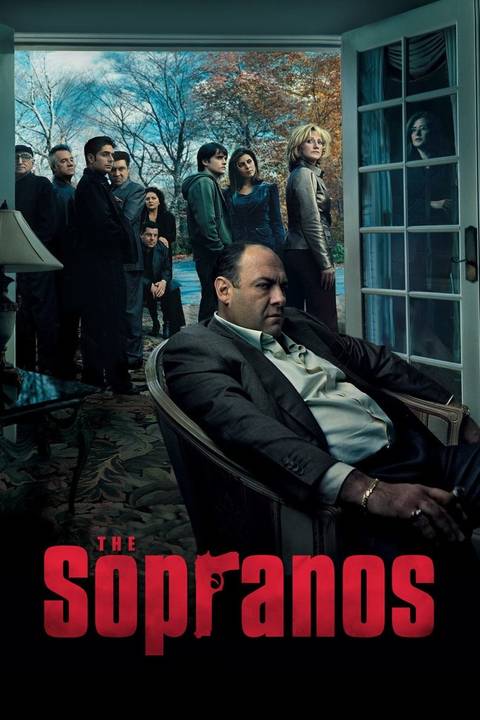
- Release Date
-
1999 – 2007
- Network
-
HBO
- Showrunner
-
David Chase
- Directors
-
Tim Van Patten, John Patterson, Alan Taylor, Jack Bender, Steve Buscemi, Daniel Attias, David Chase, Andy Wolk, Danny Leiner, David Nutter, James Hayman, Lee Tamahori, Lorraine Senna, Matthew Penn, Mike Figgis, Nick Gomez, Peter Bogdanovich, Phil Abraham, Rodrigo García
- Writers
-
Michael Imperioli, Jason Cahill, Lawrence Konner, David Flebotte, James Manos, Jr., Salvatore Stabile, Toni Kalem, Mark Saraceni, Nick Santora
-
 James Gandolfini
Tony Soprano
-