The author of the Earthsea series is as famous for her contributions to the fantasy genre as she is for her sci-fi novels, and her prolific output saw her pen over 20 novels and more than 100 short stories during her lengthy career. Le Guin initially achieved her critical and commercial success with 1968’s fantasy novel A Wizard of Earthsea.
However, it was the next year’s The Left Hand of Darkness that proved she was a vital voice in the world of sci-fi, too. Set in the same fictional universe as the rest of Le Guin’s Hainish Cycle, The Left Hand Of Darkness followed 1966’s Rocannon’s World, the same year’s Planet of Exile, and 1967’s City of Illusions.
Ursula K. Le Guin’s The Left Hand Of Darkness Has Never Been Adapted As A Movie Or TV Series
The Left Hand Of Darkness focuses on Genly Ai, a human from Terra (Earth) who visits the planet Gethen on behalf of a multi-planet coalition known as the Ekumen. While Genly hopes to convince Goethe’s natives to join the Ekumen, he struggles to achieve this since he can’t get a foothold on their unfamiliar culture, as Gethen’s natives are ambisexual.
This means that Gethen’s natives don’t have a fixed sex, which results in Genly struggling to communicate with them. The result is a complex, innovative story that became a classic of feminist sci-fi thanks to its ambitious attempts to break down binary conceptions of gender while still functioning as a sci-fi story at the same time.
Like the best episodes of Star Trek, The Left Hand Of Darkness uses its sci-fi story as a way to critique real-life social issues, but the book’s influence goes beyond straightforward allegory. By imagining an entirely androgynous world, The Left Hand Of Darkness questions how power would be socially constructed without the informing rubric of gender.
Since the book was praised as a masterpiece upon its release and went on to inform dozens of future novels, as well as broader academic and philosophical debates about gender theory, readers might reasonably assume that The Left Hand of Darkness has at least one screen adaptation. However, thanks to the unique challenges of the book’s story, this has still not yet happened.
Why The Left Hand Of Darkness Is So Difficult To Adapt In Live-Action
Since the natives of Gethen are so unfamiliar to human readers, efforts to envision many of The Left Hand Of Darkness’s main characters onscreen have been stymied. There have been numerous attempts to adapt The Left Hand Of Darkness, with Phobos Entertainment buying the rights in 2004 and announcing ambitious plans for a movie and a spinoff video game.
This was followed by radio silence until, 13 long years later, Critical Content picked up the rights to The Left Hand Of Darkness and Le Guin signed on as a consulting producer for the media company’s planned TV miniseries version of the novel. Le Guin’s tragic passing in 2018, alongside the legal struggles of Critical Content, means that this adaptation never came into existence.
The book’s structure also makes a straightforward screen adaptation impossible, as there is nothing straightforward about The Left Hand of Darkness’s narrative presentation. The book isn’t as complex as some of the sci-fi genre’s more impenetrable texts, but Le Guin does dispense with linear storytelling in favor of a more postmodern approach.
Other Ursula K. Le Guin Novels Have Been Adapted With Mixed Results
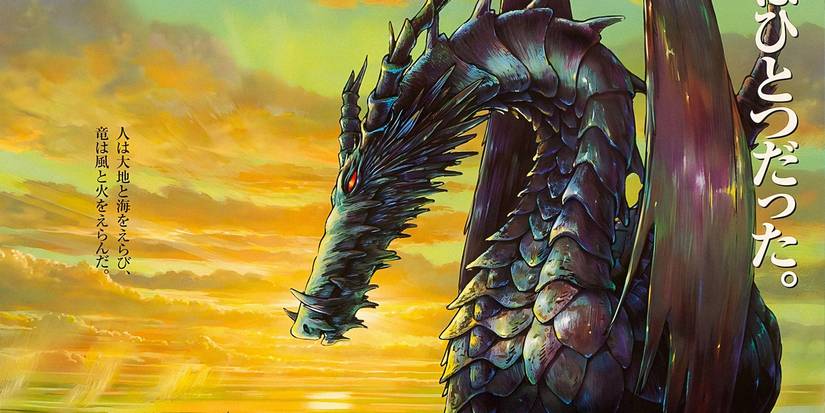
Although many readers have long hoped for a screen adaptation of Le Guin’s masterpiece, the writer’s history of subpar adaptations might give fans pause. In 2006, Studio Ghibli loosely adapted the third and fourth books in the Earthsea series as Tales from Earthsea, but both critics and the author herself were left cold by director Goro Miyazaki’s movie.
Le Guin called the movie’s visuals “Beautiful,” but noted that its plot’s reliance on violence, and particularly the narrative ending with the death of a villain, was a major betrayal of the spirit of her novel series. If Studio Ghibli’s Tales from Earthsea was misguided, Le Guin was far less sparing of 2004’s Sci-fi Channel miniseries Legend of Earthsea.
Ostensibly based on the first two books in the Earthsea series, Legend of Earthsea earned the ire of Le Guin by casting white actors in the lead roles despite the fact that all the saga’s main characters are canonically people of color. Legend of Earthsea was hated by critics, who panned the show for failing to capture any of the magic and power of Le Guin’s books.
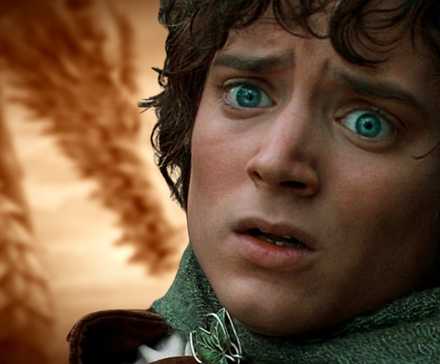
After The Lord of the Rings film trilogy, the franchise seemed unstoppable, but a great fantasy writer predicted the series’ current sorry state.
Later in her career, Le Guin revisited her critiques of the Sci-fi Channel miniseries, noting that the unimaginative show whitewashed her characters and stripped her work of its unique perspective in a series of essays on the topic. As such, perhaps it should not come as a surprise that the Tales from Earthsea author’s The Left Hand of Darkness still hasn’t been adapted to the screen.
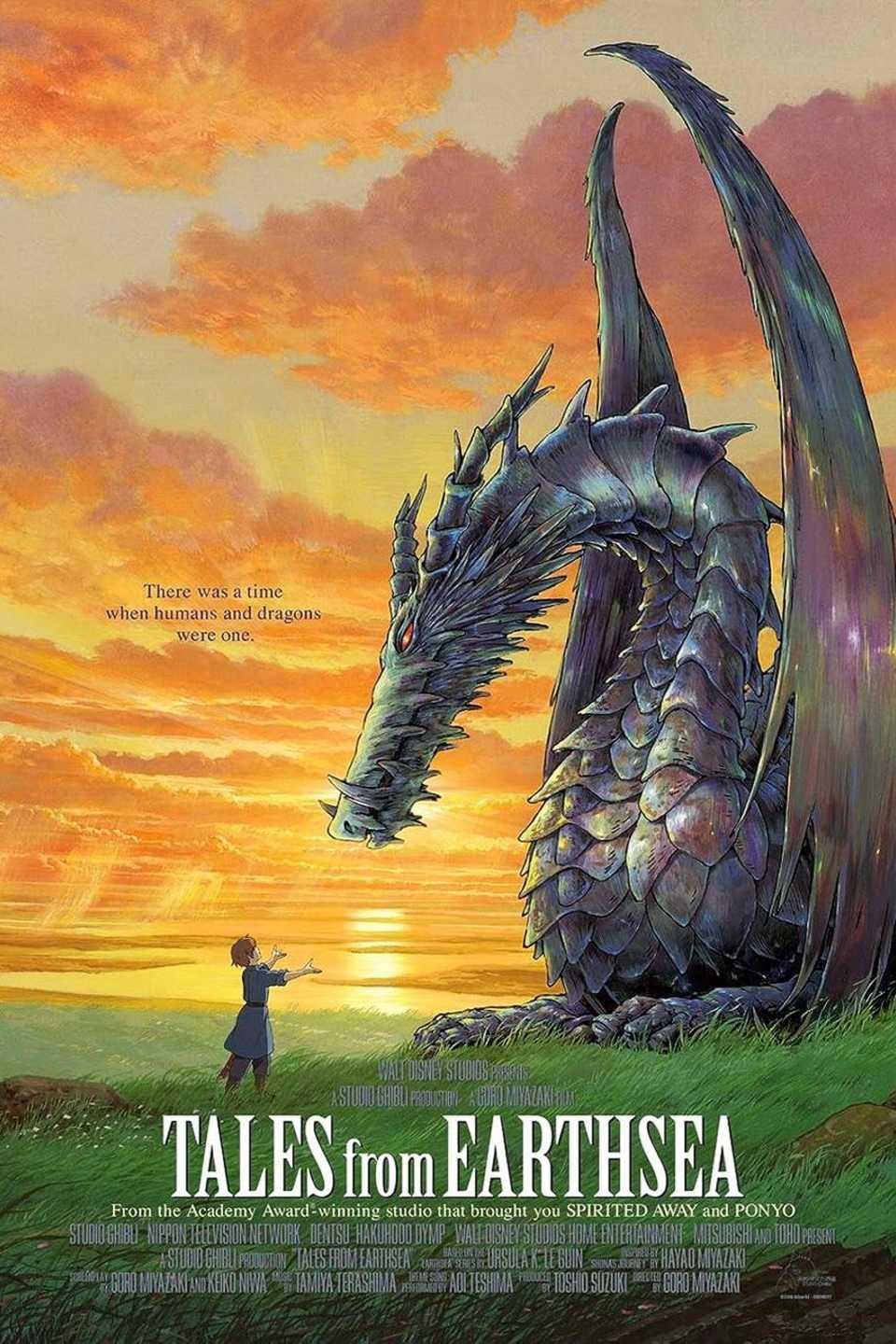
- Release Date
-
July 29, 2006
- Runtime
-
115 minutes
- Director
-
Goro Miyazaki