

Over the years, these tales have examined questions of trust and the quiet respect that keeps pulling them back together, and that mix continues to strike a chord with readers. The best of these stories, from the earliest meetings to sprawling alternate-universe epics, deliver stakes and insight into who these men are when they have to rely on each other.
This ranking pulls together the standout Batman-Superman team-ups based on what critics and longtime fans have valued most, along with the influence the stories still carry. These ten issues and arcs are the ones that best capture why the comic world’s finest pairing has lasted so long and means so much.
10
Batman/Superman/Wonder Woman: Trinity (2003 miniseries) by Matt Wagner
Matt Wagner writes what amounts to the first team-up of Batman, Superman, and Wonder Woman. The threat comes from Ra’s al Ghul, who has recruited Bizarro and a fallen Amazon to carry out a plan that could wreck the world. The three heroes don’t know or like each other at the start, so the early pages are full of suspicion.
Diana ends up being the one who keeps things from falling apart. She brings a sense of honor and perspective that cuts through Batman’s grim calculations and Superman’s occasional black-and-white thinking. They clash hard over questions like whether enemies should be killed, when intervention crosses into interference, and how much mercy is too much.
Wagner draws with a strong, old-school style; clean lines, dramatic shadows, and big panels when the action demands it. He never lets one hero steal the show; everyone gets room to shine. The miniseries handles the moral questions seriously without getting preachy, and it reads as a solid, respectful take on how the Trinity first comes together.
9
World’s Finest (1990 three-issue miniseries) by Dave Gibbons and Steve Rude
Dave Gibbons and Steve Rude come up with a straightforward but clever premise: the Joker and Lex Luthor secretly switch cities. The Joker starts causing havoc in Metropolis while Lex brings his brand of corporate crime and mad science to Gotham. That forces Superman into the shadows of Batman’s world and Batman into the bright, public spotlight of Superman’s.
The culture clash is the heart of it. Superman tries (and mostly fails) to be subtle and detective-like in Gotham’s gloom, while Batman has to deal with Metropolis’s media, bureaucracy, and sheer openness. They bicker, they adapt, they save each other’s necks, and by the end, they’ve gained a clearer sense of why the other’s approach actually works.
The back-and-forth dialogue has humor without ever feeling forced. The artwork is sharp, confident, and perfectly suited to both Gotham nights and Metropolis days: gritty and gleaming. Gibbons keeps the pacing tight across just three issues, balancing the laughs and the action. It’s a compact story that reminds one why these two remain one of the strongest duos in comics.
8
Batman/Superman (2019) #18 – “Superman & Batman and Robin in Worlds Apart!” (Joshua Williamson’s run)
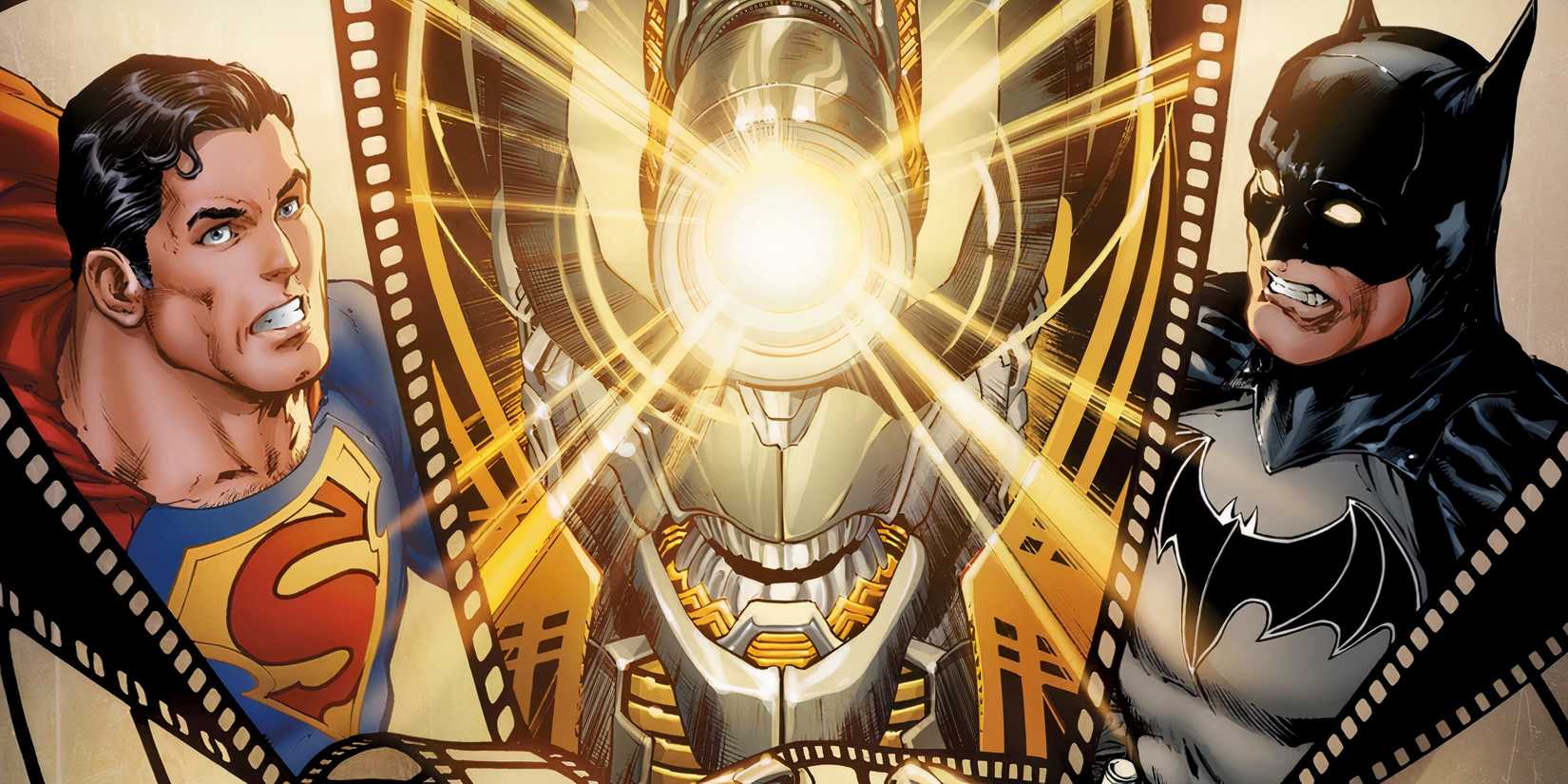
Multiversal threats crash headlong into the Wayne family’s tangled history in this issue, dragging Robin straight into brutal fights that force everyone to face what they’ve inherited. Personal pain gets tangled up with reality-breaking chaos, and the three of them, Superman, Batman, and the kid, hit several breaking points where words matter as much as punches.
That cemetery sequence lays everything bare: grief, guilt, the weight of names, and it binds them tighter than any victory ever could. Williamson handles the big cosmic stuff without drowning out the smaller, human moments. Their friendship comes through in the way they talk; direct, trusting, built on decades of standing side by side.
The artwork nails both the huge scale of collapsing worlds and the quiet ache in close-up faces. It slots cleanly into the ongoing run, doesn’t demand reading everything beforehand, and a lot of people responded to how it keeps these larger-than-life figures grounded in real family ties even when everything’s falling apart.
7
Tom King’s Batman #36 and #37 (“Super Friends” / Double Date arc, 2017-2018, art by Clay Mann & Seth Mann)
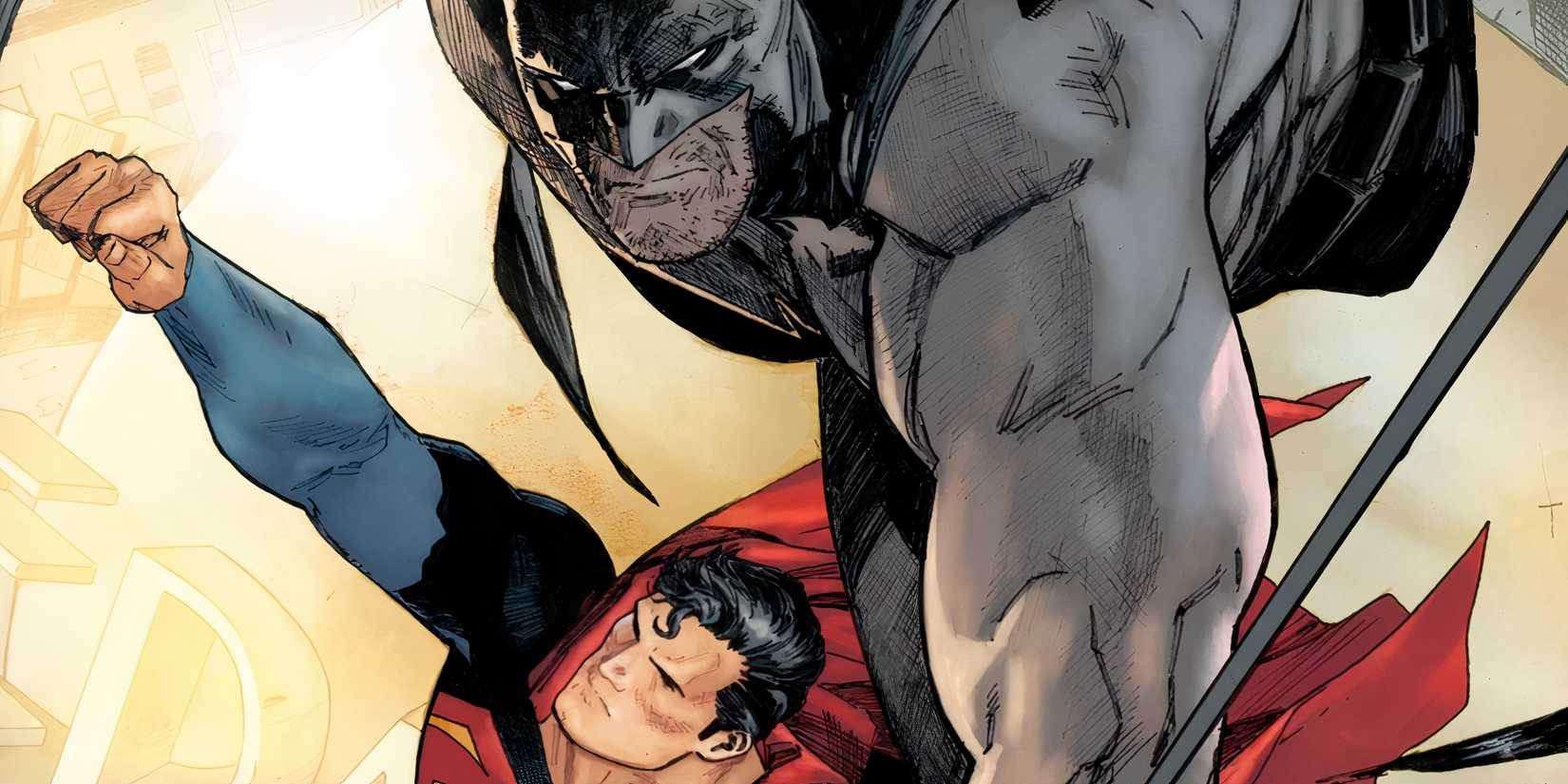
Lois and Selina basically trick their partners into a double date at the county fair; no apocalypses, no villains, just four people trying to act normal for once. The lack of crisis lets everything breathe: awkward jokes, real laughs, tiny flashes of jealousy or fondness that show how well these four know each other beneath the capes and code names.
What lingers is how the story refuses spectacle and still feels important. King writes dialogue that sounds lived-in, not clever for the sake of being clever, and he slips in quiet thoughts about why Superman and Batman keep choosing each other year after year.
Clay and Seth Mann draw it all with warmth: small expressions, relaxed postures, the kind of details that make one believe these people could really enjoy an afternoon together. In its own low-key way, it argues that the deepest friendships sometimes show up clearest when nothing dramatic is happening.
6
Dark Knights of Steel (2021–2023) by Tom Taylor and Yasmine Putri
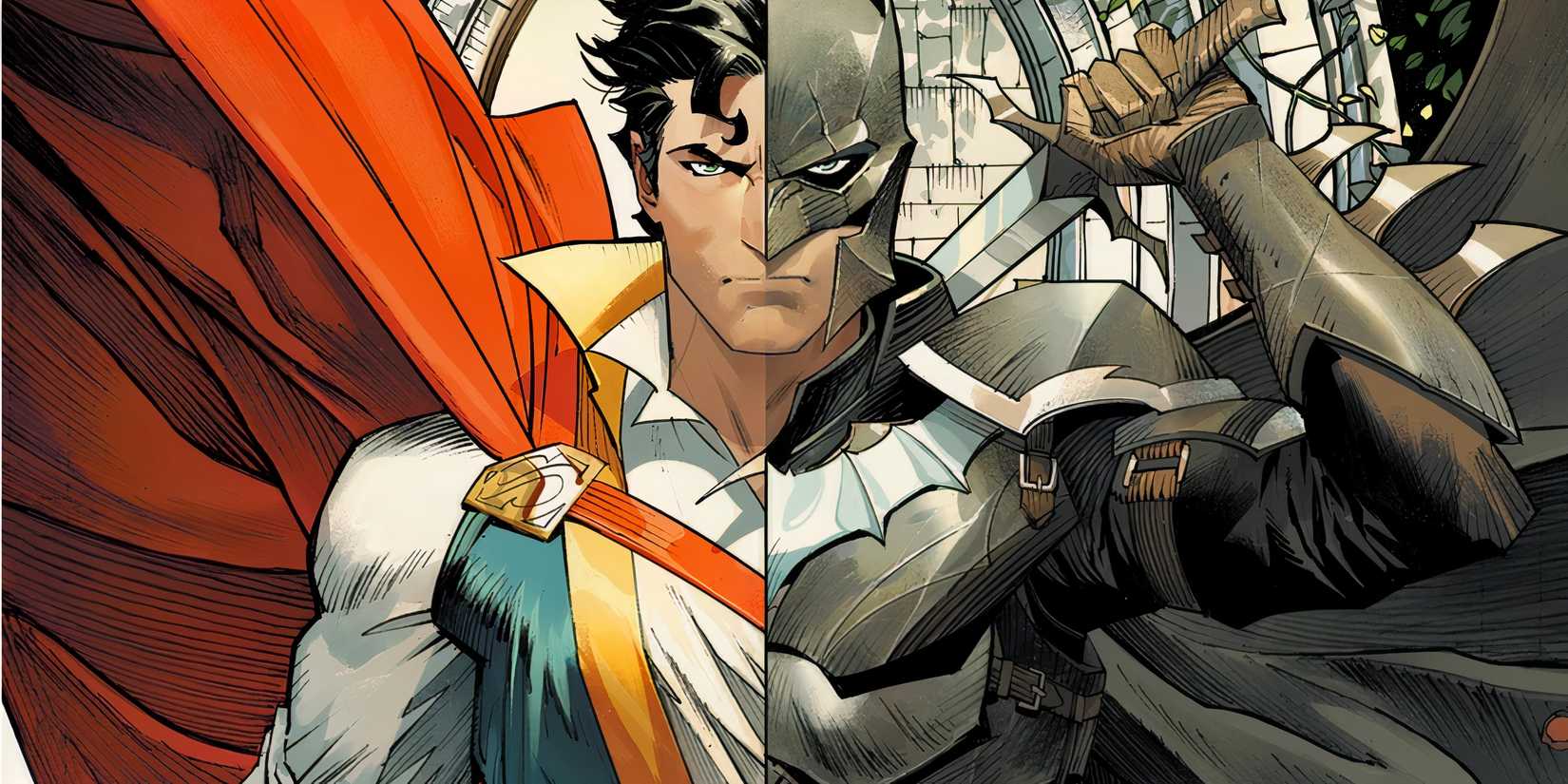
Tom Taylor takes the classic Superman and Batman team-up and transplants it straight into a medieval fantasy setting. Kal-El and Bruce Wayne turn out to be half-brothers, sons of the same father, and they spend the series defending the kingdom of El from dragons, invading armies, scheming lords, and old prophecies that refuse to stay buried.
What really carries the book is how the brotherly relationship gets put through the wringer. Bruce commits himself fully to the knight’s code; loyal, stoic, always ready to take the hard road, while Kal-El has to balance being a prince, an outsider with powers he barely understands, and someone who can’t afford to fail his people.
Yasmine Putri’s art is the other half of what makes this series work so well, drawing sweeping castles, glowing mythical beasts, and massive battles with the same care she gives to quiet character moments. Taylor builds the plot carefully and drops in surprises that actually matter. It’s easily one of the best reimaginings of these two characters in years.
5
Superman #76 (1952, “The Mightiest Team in the World!” by Edmond Hamilton, Curt Swan, et al.)
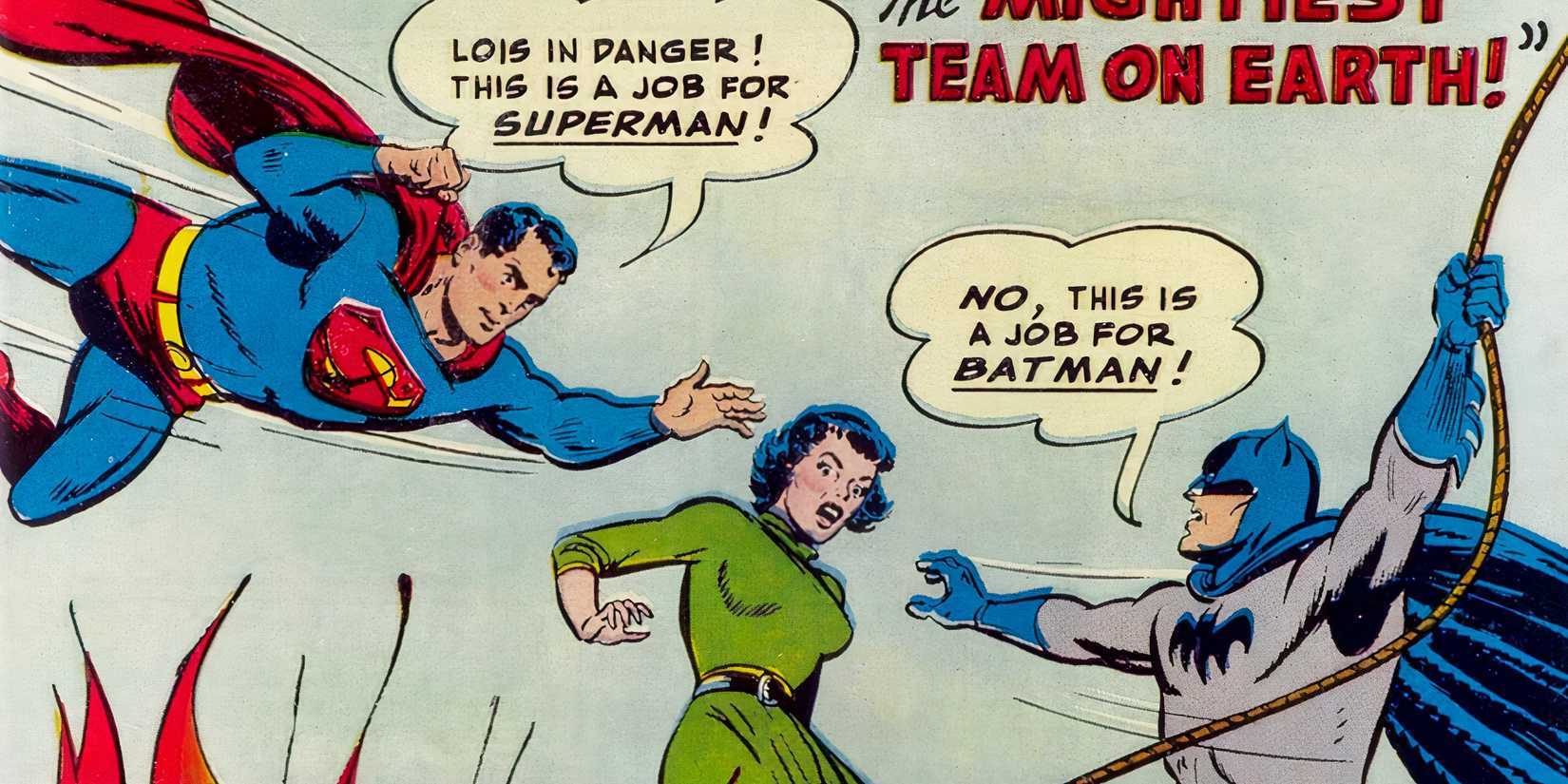
This is where it officially began: Superman and Batman meet properly for the first time, stuck on a cruise ship, chasing a diamond thief while Lois hovers, trying to figure out who’s who. Secret identities almost collapse, they team up anyway, and the short story somehow sets the tone for everything that came after.
Curt Swan keeps the art clean and brisk; classic Silver Age economy that makes every panel feel lively without wasting space. Hamilton builds a tidy little mystery full of near-misses and light comedy, as the two men hide who they really are from each other and everyone else.
Its real weight is historical. This one issue launched a partnership that’s lasted seventy years. Their first win together was simple, satisfying, and established them as the planet’s unbeatable pair. People still read it for the plain charm of watching the formula take shape.
4
Superman/Batman: Public Enemies (2003-2004 arc from Superman/Batman #1-6 by Jeph Loeb and Ed McGuinness)
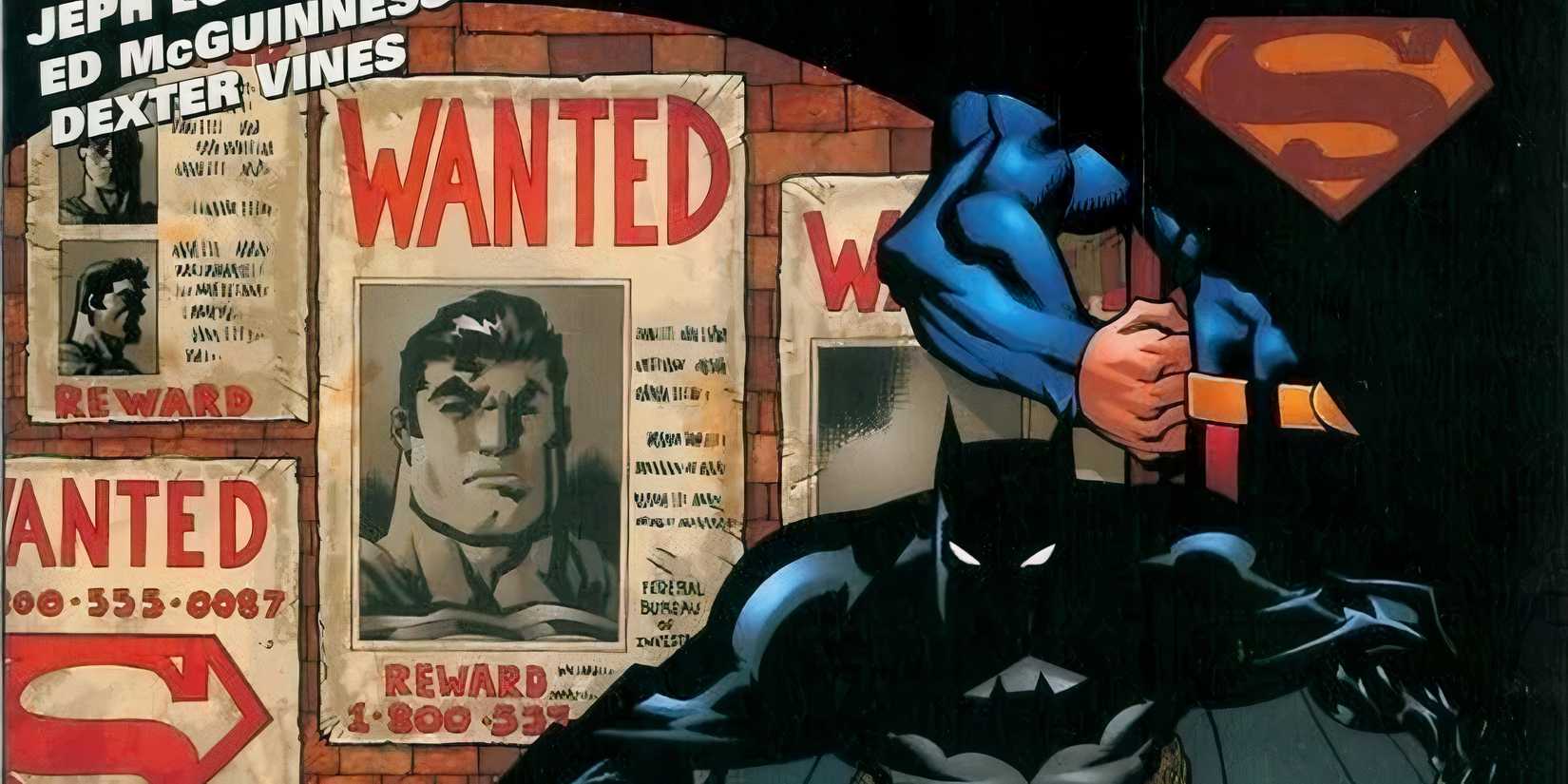
President Lex Luthor blames Superman for an asteroid that’s about to wipe out Earth, turning the Man of Steel into public enemy number one. He and Batman end up fugitives, dodging government forces, supervillains, and even their own teammates in a globe-spanning hunt. Batman’s mind and Superman’s strength are all they’ve got left.
McGuinness throws everything into overdrive: huge splash pages, kinetic fights, faces twisted with anger or determination. Loeb keeps the pace brutal while letting their personalities bounce off each other in quick, pointed exchanges. The whole thing wrestles with trust, betrayal, and what justice looks like when the system turns against someone.
They later adapted it into an animated film, which further spread the story. Its staying power comes from that raw underdog rush: two heroes against the world, refusing to break. It’s the partnership at its most desperate and alive.
3
Superman & Batman: Generations 1 (1999 by John Byrne)
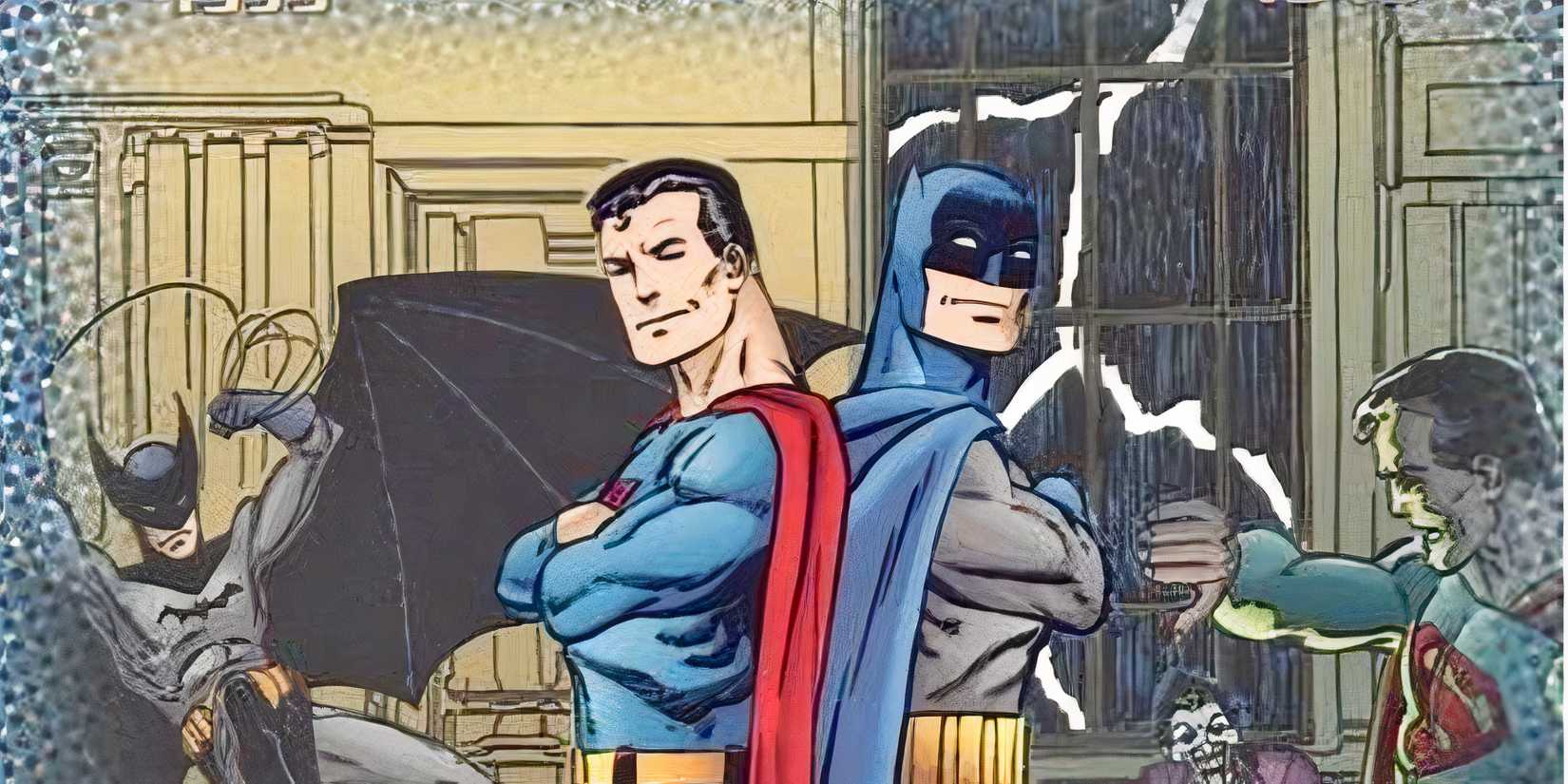
Byrne follows the two heroes through an entire lifetime’s worth of history, decade by decade. They fight side by side in World War II, raise families, face new eras, hand off mantles, and keep showing up for each other no matter how much the world changes. Respect stays the same.
The book jumps between time periods with short, sharp stories that mix nostalgia, wild what-ifs, and occasional cosmic pranks. Byrne doesn’t shy away from the hard parts: aging, losing people, wondering if the fight ever really ends, and he gives those moments real weight.
Visually, it holds together even as fashions and tech shift; the consistency reinforces the idea of an unbroken thread. It honors the long continuity while saying something honest about legacy and friendship that outlasts everything else.
2
Superman & Batman: Generations 2 (1999) by John Byrne
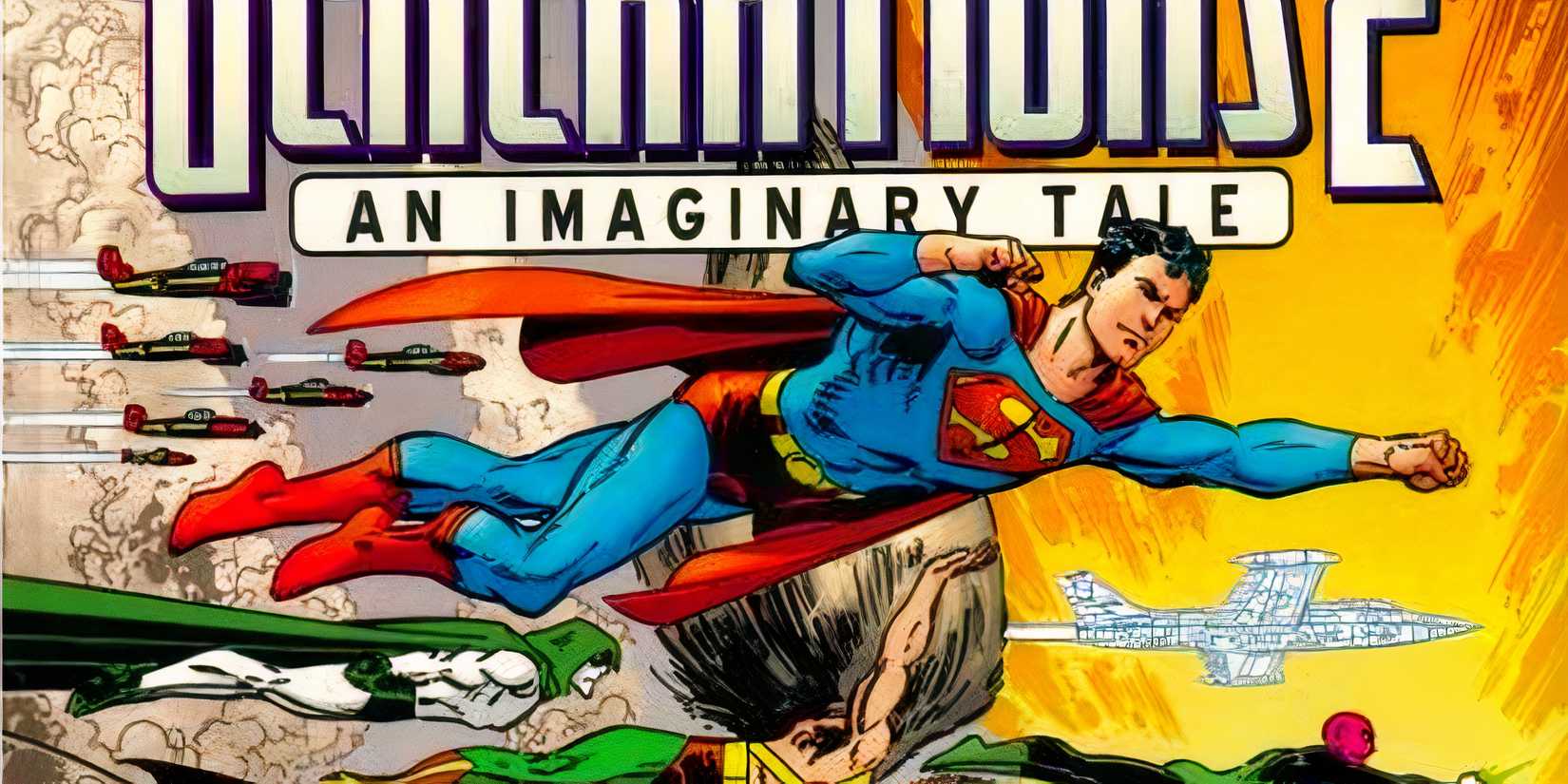
John Byrne sets out to show Superman and Batman growing older in real time, starting with their very first meeting at the 1939 World’s Fair. They don’t trust each other much at first, but after stopping the Ultra-Humanite together, they build a partnership that lasts through wars, changing decades, new generations, and every kind of crisis one can imagine.
The series follows them into marriage and fatherhood, into mentoring their own kids, and eventually stepping aside. There are lighthearted bits with alien imps and time-travel oddities, but plenty of heavier moments too; widowhood, retirement, watching the world move on. Through it all, their friendship holds because the basic values they share never really change, even when everything else does.
The timeline nods to 60 years of comic history while telling a continuous story. The characters sound like themselves across every era, the big jumps between decades are executed cleanly, and it mixes nostalgia with new family drama. It’s an ambitious piece of work that feels warm, thoughtful, and genuinely fond of both heroes and their long shared legacy.
1
Kingdom Come (1996 Elseworlds by Mark Waid and Alex Ross)
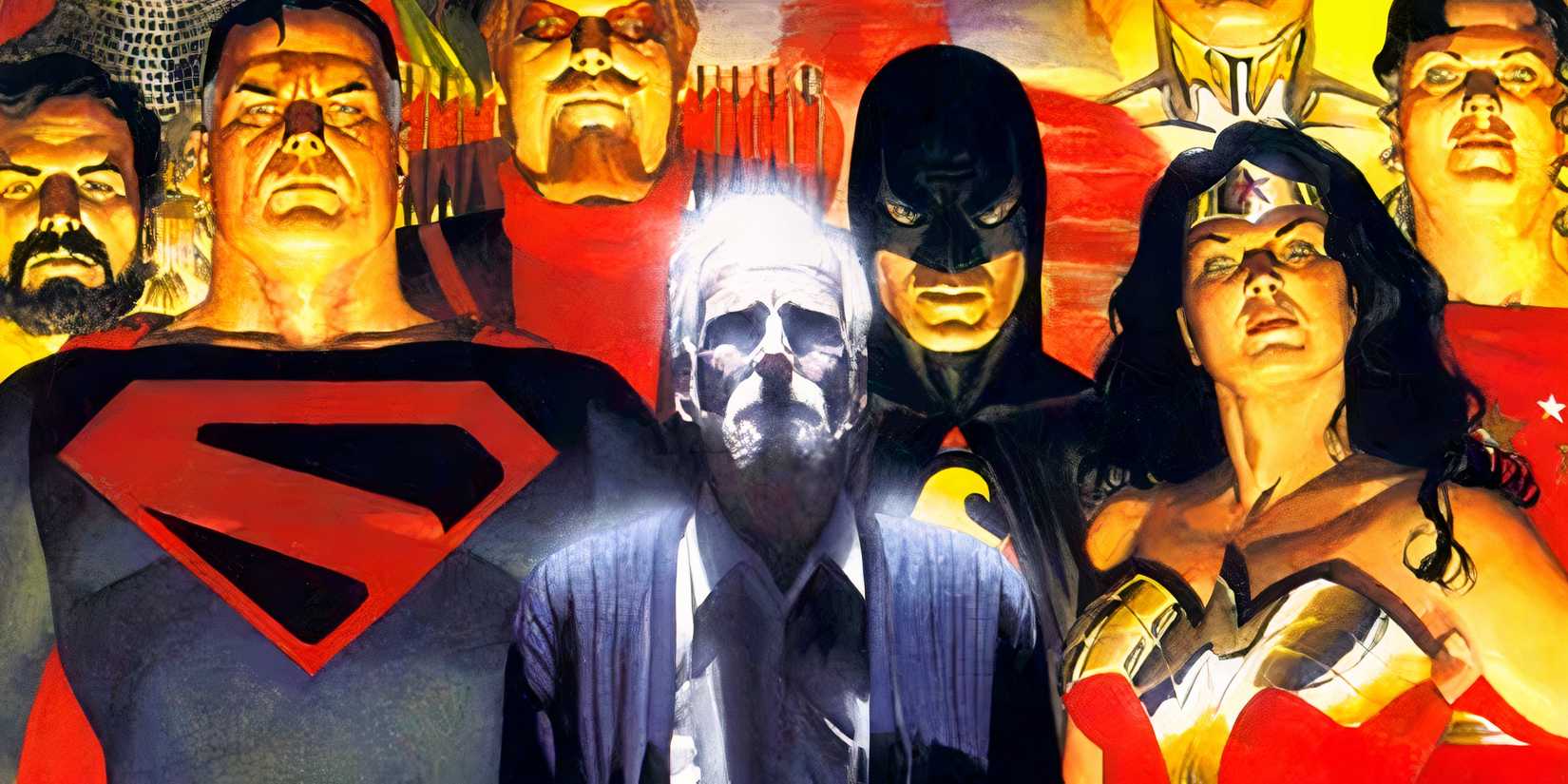
An older, bitter Superman has walked away; Batman’s running a militarized resistance. A new generation of reckless, powered people triggers a disaster, and the two have to swallow their pride and reunite to stop the collapse. The old Justice League drags itself back together for one last reckoning.
Ross paints every page like fine art; every costume, every face, every ruined city carries incredible gravity and emotion. Waid asks hard questions about power, responsibility, forgiveness, and whether the old ideals still mean anything. The ending fights to reclaim hope without pretending everything’s fixed.
It shaped conversations about superheroes for decades, influenced movies and shows, and still feels urgent. The writing and the visuals together make it more than a story; it’s a statement. For many readers, nothing else captures their partnership with the same depth or power.