

Much of the film is focused on Charlie’s state of mind and actions, especially as they increasingly showcase his own failings. Notably, though, the movie has a different and more subtle approach with Emma’s own arc, especially as she wrestles with her past and sense of self. Leaning one way or the other will impact how you see the film and how hard the ending of The Drama hits. Here’s how the two very distinct emotional arcs of the story impact the moral of the movie and why it’s important that The Drama embraced both approaches to get its moral across.
The Drama Is Very Much About Charlie’s Internal Strife
On a structural level, The Drama‘s narrative is focused on Charlie even as the film clearly sympathizes more with Emma’s perspective on growth and empathy. The Drama is largely centered on Charlie from the very first scene onward, depicting his attempts to strike up a conversation with Emma.
Charlie is the one shown preparing for the wedding, with his neuroses kicking in during the prep for the ceremony and more time spent on his memories of the pair together. When Emma reveals that she had almost committed a school shooting as a teenager, most of the film’s introspection and moral reflection comes from Charlie’s perspective.
The film does this with clever edits and provocative imagery, visualizing Charlie’s internal strife with shots of him hugging the gun-toting teenage version of Emma or imagining his fiancée in bed with a massive firearm. While there are a few shots of Emma’s imagination, most of them remain focused on Charlie.
The film’s narrative is driven by Charlie, whether that be his clear discomfort with Emma or his near-affair with his co-worker Misha. It is his actions, choices, and mistakes that propel the plot forward, even when it is his passive nature causing problems. Ultimately, Charlie is also the character who actually learns a lesson through the narrative.
Watching the movie from Charlie’s perspective makes The Drama a movie about coming to terms with someone’s worst mistake and recognizing that they aren’t perfect either. It gives the film’s central storyline an emotional sense of growth, and makes sense given that the movie is largely focused on Charlie.
The Drama Doesn’t Condone Emma’s Close Call, But Sympathizes With Her
A potentially more interesting perspective on the film comes when looking at it through the eyes of Emma. Initially presented as a cool and casual young woman who lacks many of the hang-ups that bother Charlie, Emma’s drunken revelation about her past leads her to become more vulnerable, paranoid, and confrontational.
Emma doesn’t excuse her thinking so much as explain them, and it’s clear throughout the flashbacks to her teenage self that realizing empathy for others had on her. Coinciding with her actually making bonds with her peers, Emma’s growth is long done by the time of The Drama, leaving Charlie room to get the actual emotional arc.
However, there’s something very interesting going on with Zendaya’s performance in the film that’s worth unpacking. On top of the thematic moral of the movie falling more in line with her thinking about overcoming the worst impulses and growing into a better person, her backslide into an isolated emotional state speaks to the power of regret and shame.
Emma doesn’t look fondly back on her darker days, but she does still understand what it feels like to be alone and judged. It’s how she clearly feels after her confession, causing her to become more withdrawn, harsh, and blunt. In essence, by judging Emma for the person she was, the others start to turn her back into that state.
Watching the film from Emma’s perspective offers a more morally complex tale than Charlie’s fairly straightforward (if frequently stunted) efforts at making peace with her confession. It becomes a movie about someone who has grown past her worst self and how easy it can be for those feelings to resurface.
Why The Drama’s Split Focus Is So Important
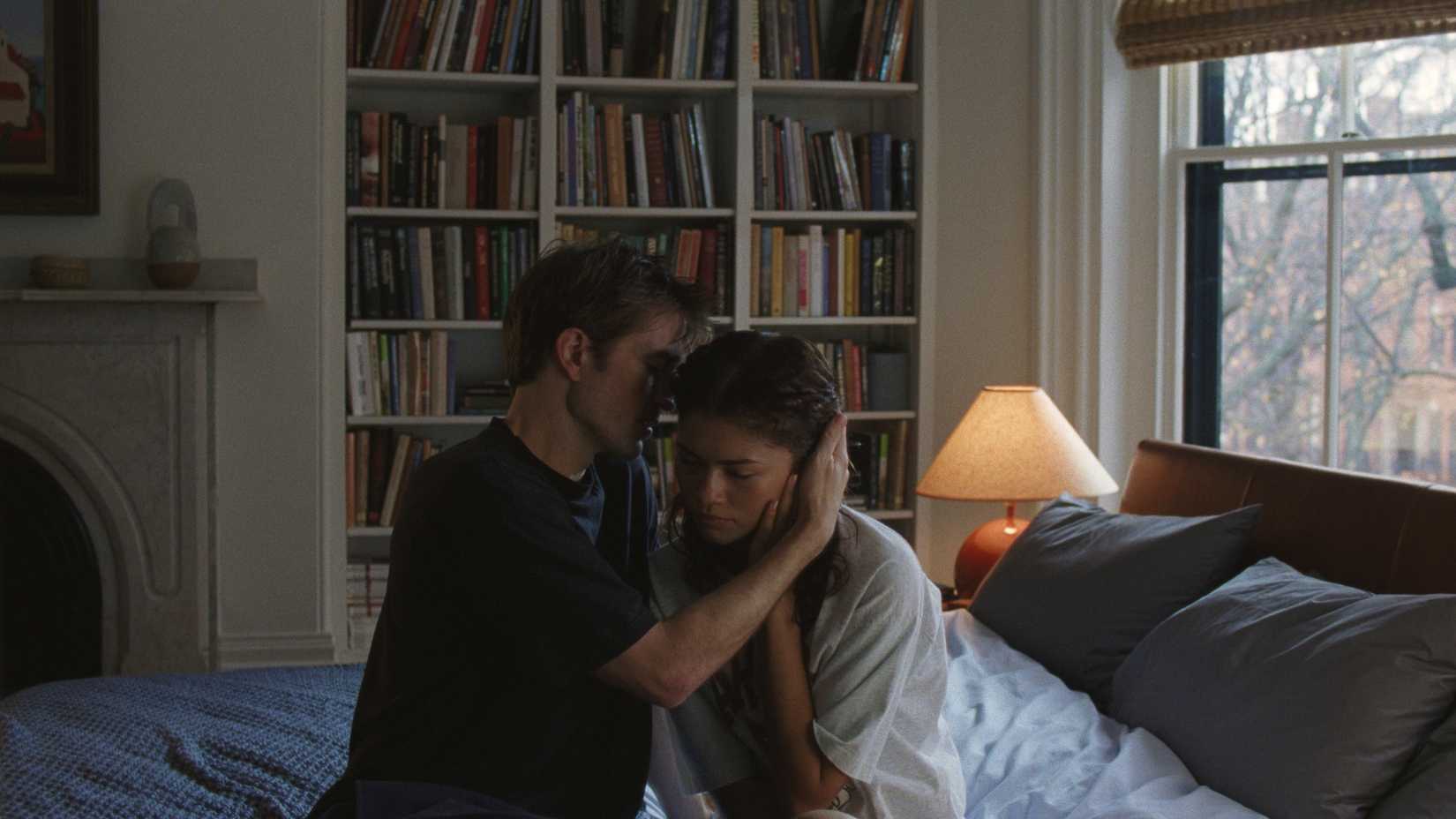
The Drama may be more about Charlie than Emma, but both characters and their perspective on the fallout of the latter’s confession are what give the film its weight. Instead of just condemning or sympathizing with Emma directly, the movie juggles the push-and-pull of empathy through Charlie.
He struggles with what Emma almost did and what it says about her as a person, but he also loves her and can logically approach her mentality. Charlie’s comment that countless people must have had similar impulses but chose not to act on them speaks to the film’s central theme about moving past someone’s mistakes to grow as a person.
The Drama argues that someone can’t be judged forever by their worst thoughts. Especially when someone apologizes and confronts the ramifications of their choices, they deserve a chance to ask for forgiveness and to grow as a person. The film sets this up early with Charlie and Emma’s conflicting views on their wedding DJ’s drug use, setting up their conflict.
Charlie can’t stop thinking about the thoughts of the younger Emma. It builds to the end of the film, where Charlie confesses his own near infidelity and is promptly beaten by Misha’s boyfriend because he only sees Charlie’s actions as sexual harassment instead of the more complicated, impulsive moment both Charlie and Misha almost went through.
Charlie’s own worst action in the movie may pale next to what Emma almost did, but both are treated as mistakes. That’s why the movie ends with Emma “introducing” herself to Charlie in the diner, both of them implicitly trying to move on and see each other not for their worst mistakes but once again as people.
If you watch the movie from Charlie’s perspective, The Drama is about learning to accept the flaws in others and recognize them in yourself. If you watch it from Emma’s perspective, you get a movie about regret and isolation. It’s only through recognizing both that the final scene and its message about forgiveness and empathy gains its full power.
The Drama

9/10
- Release Date
-
April 3, 2026
- Runtime
-
105 minutes
- Director
-
Kristoffer Borgli
- Writers
-
Kristoffer Borgli